
A guide to visiting Asturias, Spain
Colourful coastal towns, breathtaking mountain scenery and golden sand beaches all await you in Asturias in the north of Spain. Whether you're looking for an outdoor adventure, a hiking holiday, relaxing beach days or a cosy stay on the coast, Asturias is a region of Spain that truly has it all. Having spent over three years living in the south of Spain, my Spanish friends kept telling me that I had to visit the north of Spain. After spending just under a week exploring Asturias, I now fully appreciate what they were talking about. It is safe to say Asturias exceeded my expectations. From the lush green landscapes, to rugged coastlines (some with dinosaur fossils - more on that later), the most incredible mountain scenery, wholesome food and delightful towns, I truly fell in love with Asturias.
In this guide I will share exactly how to spend six days in Asturias, including the places I visited, where I stayed, how to access more popular sites during peak season, together with practical tips to help you make the most of your trip. Whether you're travelling solo, as a couple or with friends, I hope this Asturias travel guide inspires you to experience this beautiful part of northern Spain.
This post may contain affiliate links, which means I may earn a small commission at no extra cost to you if you choose to make a purchase. Thank you for supporting my blog - it helps me continue creating free travel guides like this one.
How to get around asturias
Asturias is on the north coast of Spain and you can get there via Asturias Airport, located in the town of Castrillón which is 15 km from Avilés, 40 km from Gijón and 47 km from Oviedo (the main cities in Asturias). If you want the freedom to explore and see the very best of Asturias, I would recommend hiring a car, particularly if you're planning to visit the Picos de Europa or head into the mountains. I hired my car through Spain Car Rental, which is a price comparison site that finds you the best hire car options without being caught out by hidden fees or hefty deposits. I struggled to find a local car hire operator so this was the best alternative. The site is great because if you find a car hire and reserve, they will notify you if they find a cheaper alternative rate before your trip. All their hire car operators have pick up and drop off points at Asturias airport.
What is it like driving in Asturias? I personally found the roads easy to drive and navigate, especially the main roads and highways. As you head into the mountains and more rural spots, the roads do become narrower but nothing that felt challenging or overwhelming. As with any country road, take the drive slowly and avoid driving in the dark.
If however you don't drive or would simply prefer not to hire a car, don't worry as you can visit Asturias without a car. Asturias has a good network of buses connecting many of the main towns, for example Centrobús operates between the main cities of Avilés, Gijón and Oviedo. Alsa is the main bus operator in Asturias, offering routes to main cities and coastal towns, as well as routes within Pico de Europa National Park. I recommend checking GetYourGuide for excursions that include hotel pick-up and transport, so you don't have to worry about driving or navigating public transport yourself. Day trips are also a great way to meet new people as a solo traveller.
Another way to explore Asturias is by taking the train with Renfe which has train lines that connect several coastal towns and main cities. There is also the route of the Costa Verde Express, a vintage train that takes you all the way from Santiago de Compostela to Bilbao that includes stops in Asturias along the way.
Right, let’s get into it! Here’s how I spent six days exploring Asturias in Spain.
Day 1: CUDILLERO AND OVIEDO
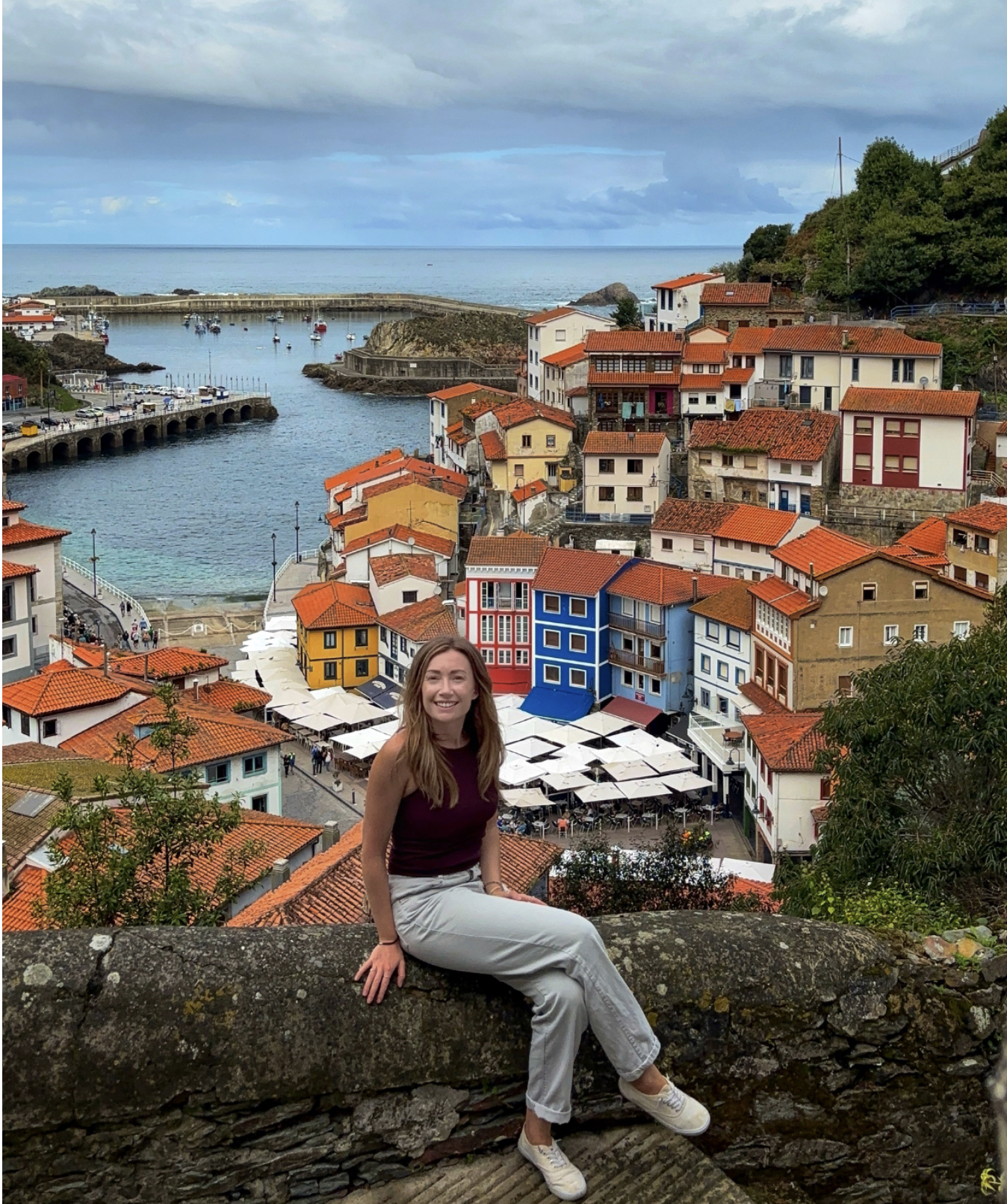
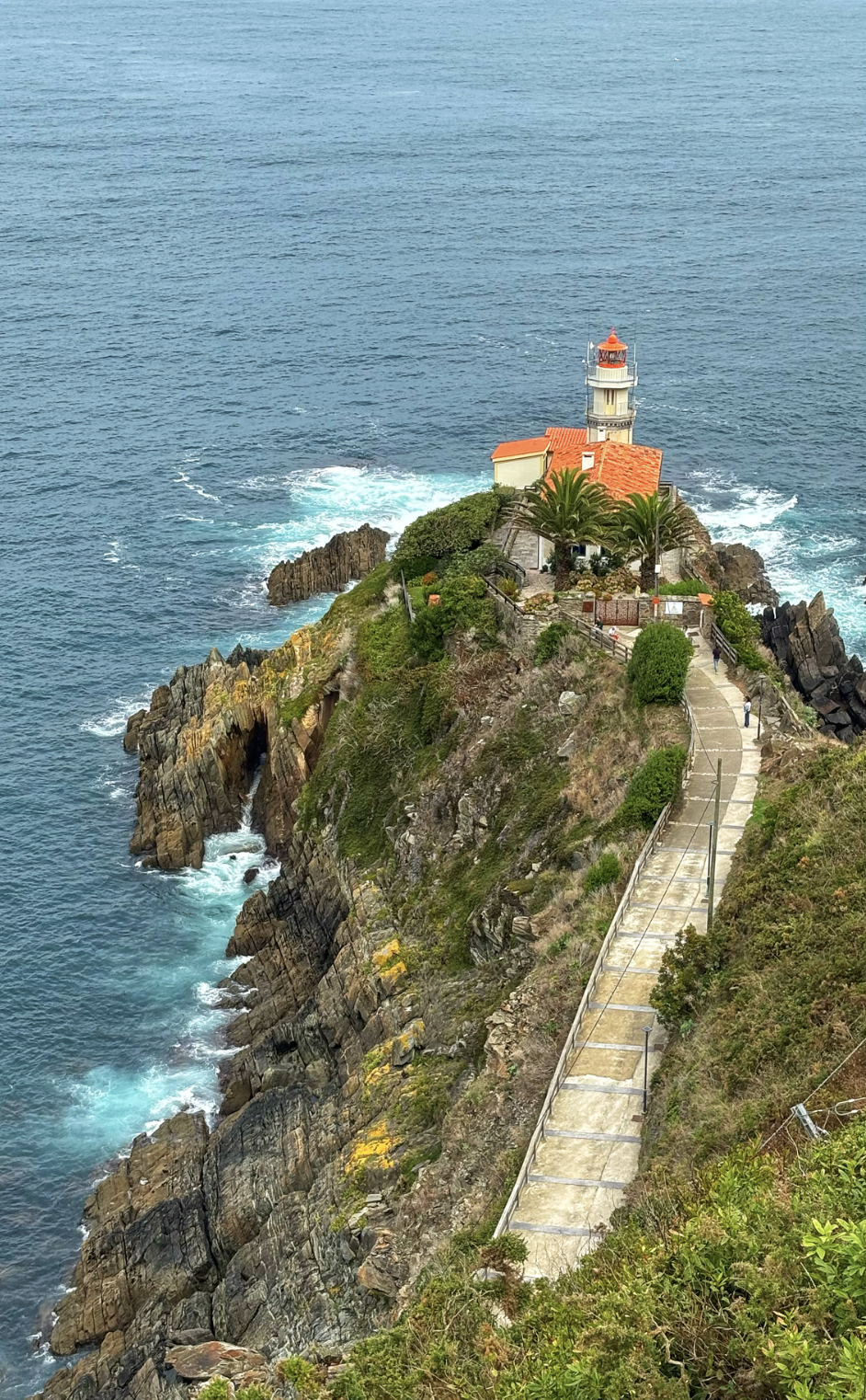
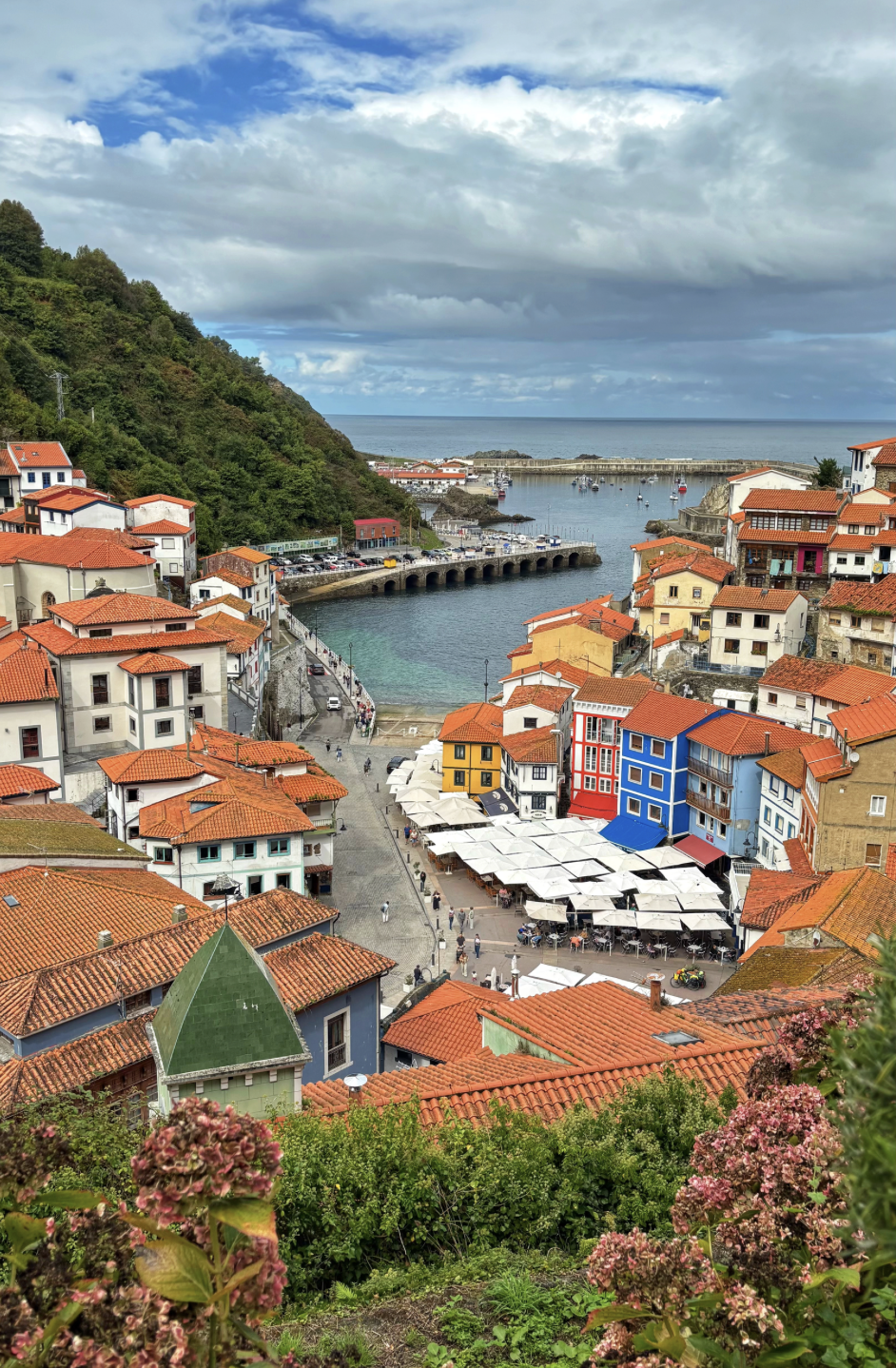
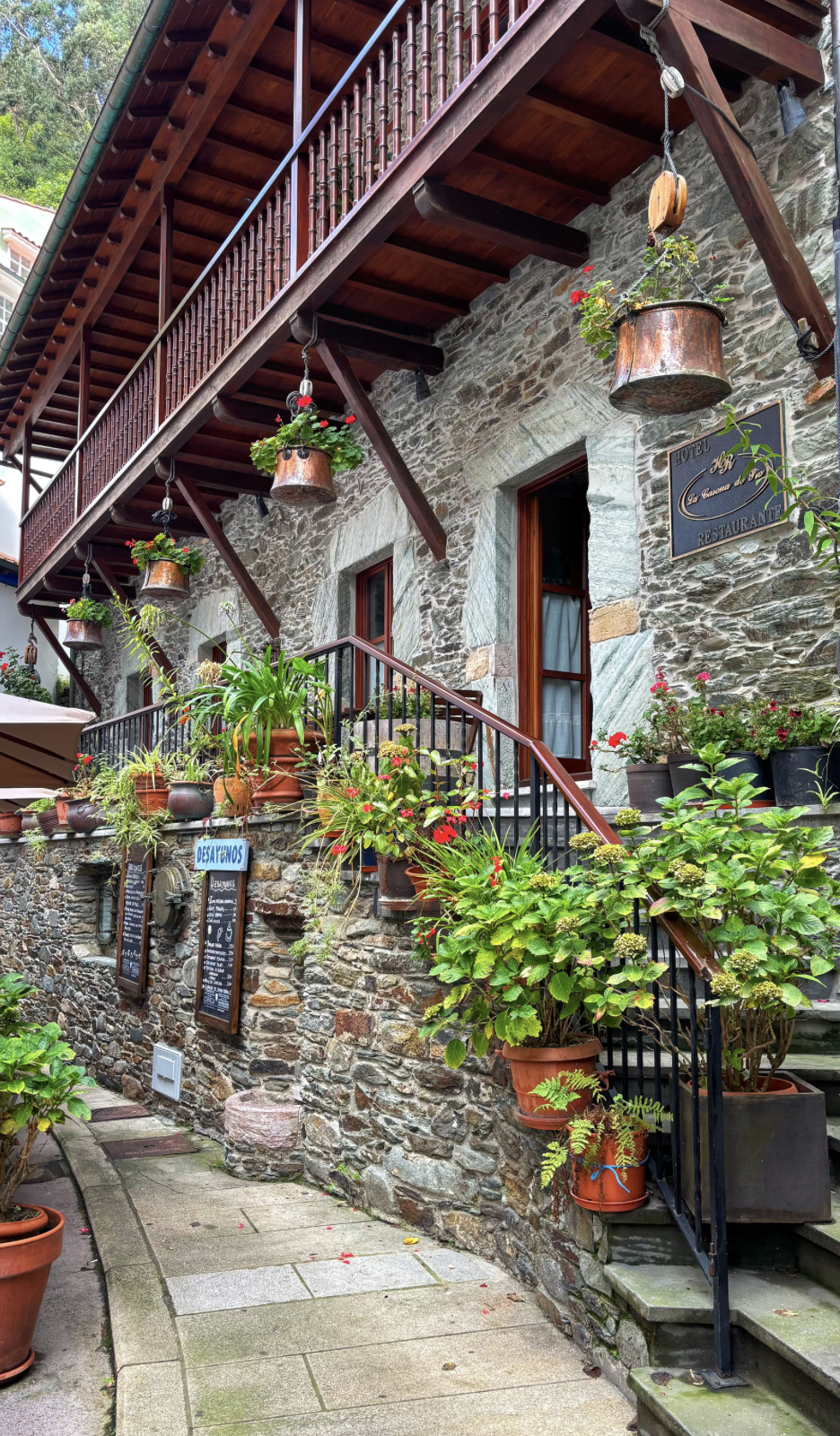
After landing at Asturias Airport, I picked up my hire car and headed straight to the nearby coastal village of Cudillero. Just 20 minutes drive away from the airport, Cudillero was one of my favourite spots I visited in Asturias. This colourful fishing village is situated on a hillside with houses cascading all the way down to a small harbour and looks like somewhere straight out of a postcard. Cudillero is known as one of Spain’s most beautiful villages and it was not hard to see why. The village is perfect for enjoying a slow morning or a spot for lunch, where you can enjoy seafood and traditional dishes from Asturias like Fadaba (a traditional bean stew). I loved simply making my up to the miradors (viewpoints) and taking in the village from above. Be sure to visit Mirador de la Garita-Atalaya, the highest viewpoint in Cudillero which takes you up a spiral concrete tower and treats you to the best views overlooking the town, harbour, the local lighthouse and the Bay of Biscay. There are a few attractions to visit in the town, including the Cudillero tunnel where you can walk 300 meters alongside a channel where the Piñera River flows through.
Tip: Cudillero is fast becoming one of the more popular places to visit in Asturias, so if you want to enjoy it without the crowds I'd recommend arriving earlier in the day. Paid parking is available outside the town from the main harbour and is a short walk into the village.
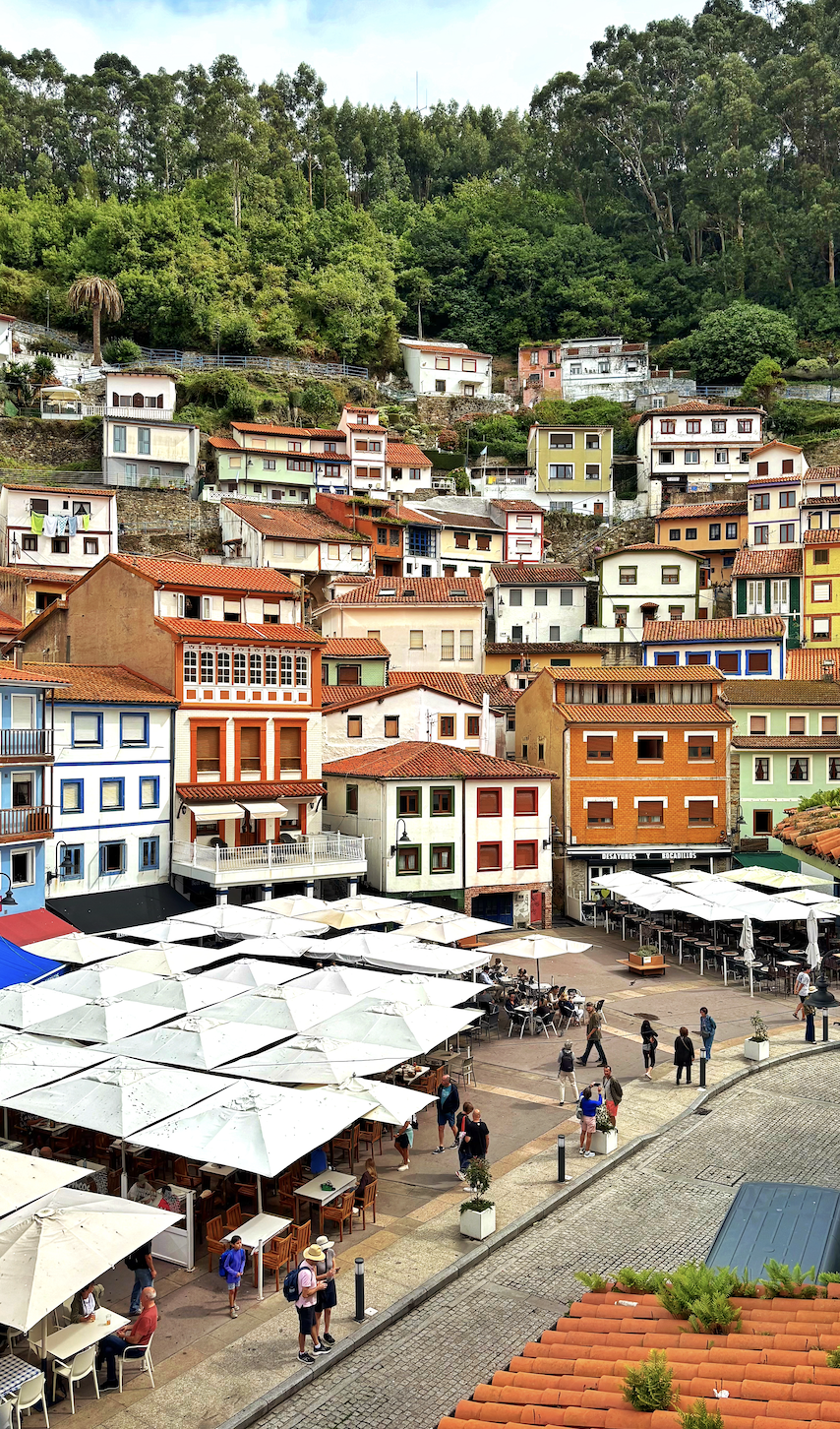
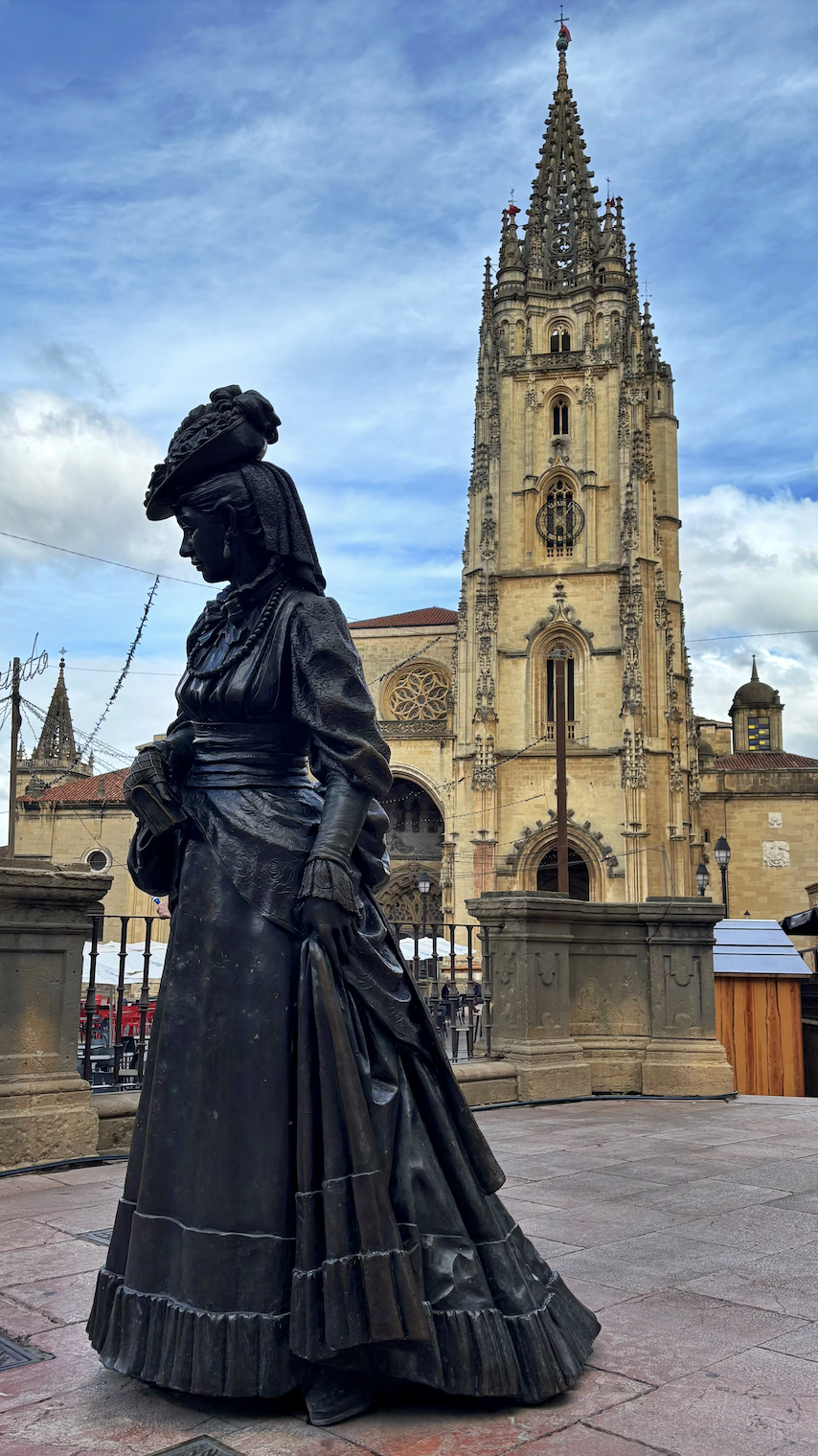
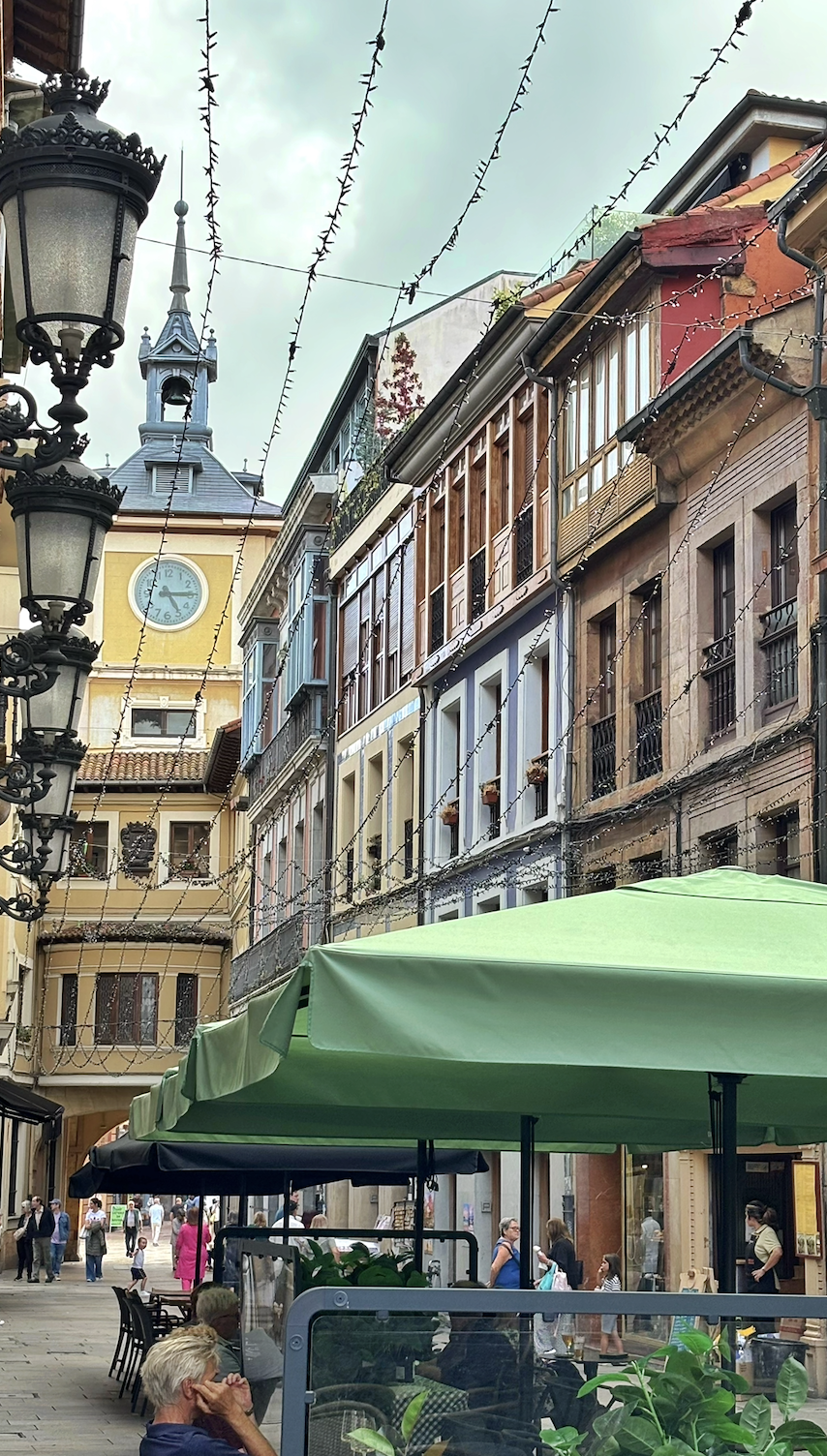
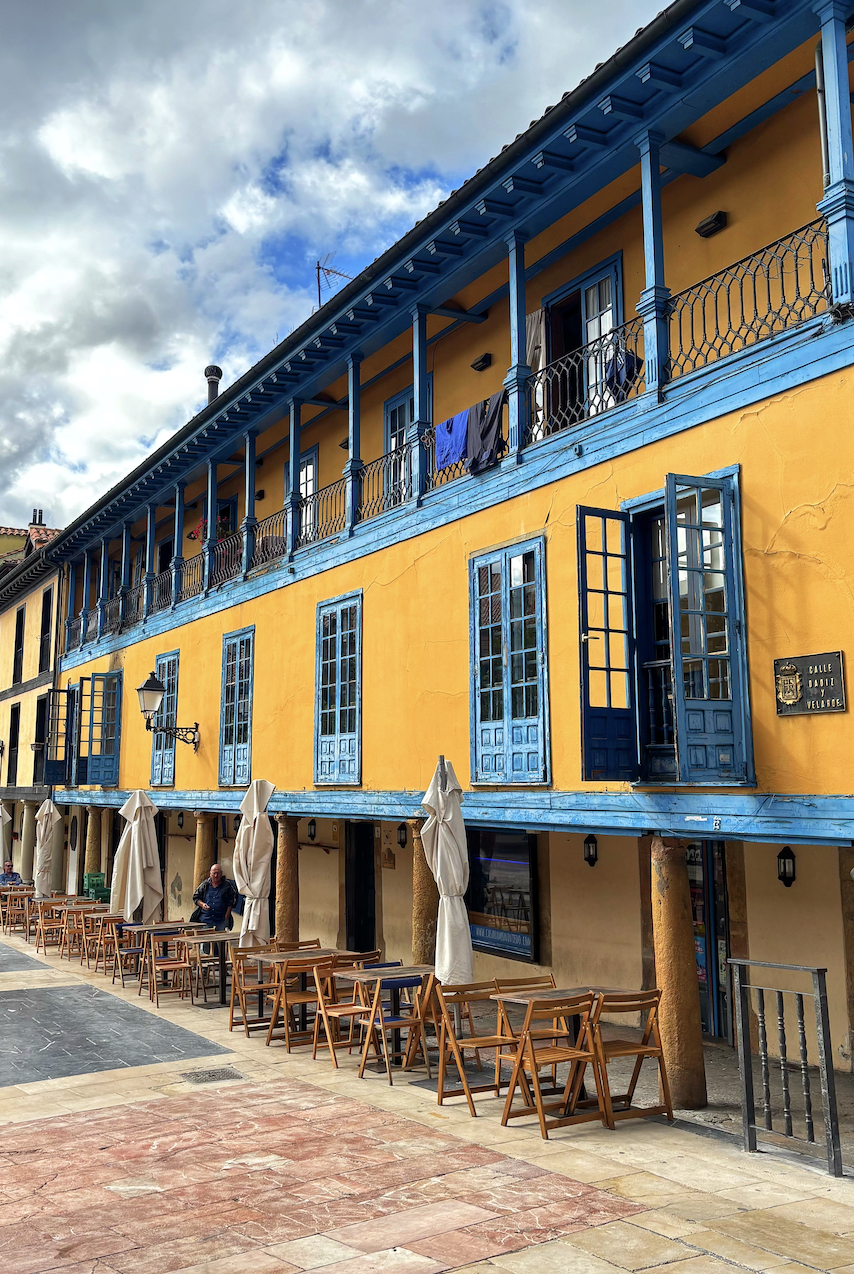
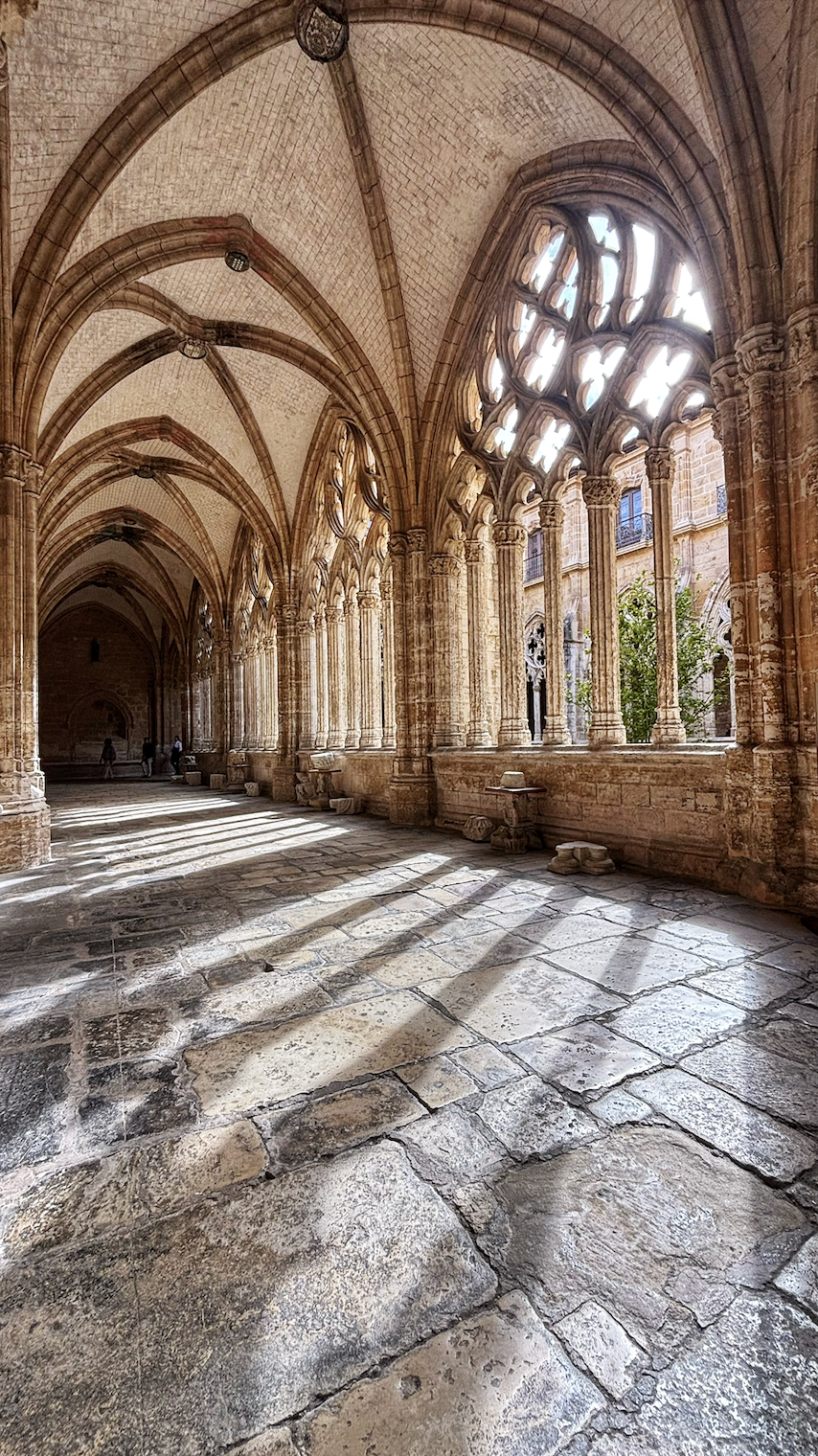
From Cudillero, I continued to one of Asturias main cities Oviedo, which took around 45 minutes to get to by car. I chose Oviedo over Avilés and Gijón because I was intrigued by its rich history and colourful architecture. Oviedo has a blend of 9th century UNESCO pre-romanesque architecture, together with a medieval old town and landmarks, including the impressive Cathedral of San Salvador of Oviedo and Santa María del Naranco originally built in 842 AD. It’s important to note the UNESCO pre-romanesque sites are located on the outskirts of the city, so be prepared to either walk 45 minutes, take a taxi or catch the A-C bus most of the way. If you love history, I also recommend a visit to Oviedo’s archaeological museum which is set inside a 16th century monastery.
Oviedo is also known for its cider culture, a quintessential part of life in Asturias. One experience you can’t miss is watching the waiters pour the cider from high above their heads into a glass, a traditional technique that brings out the cider’s flavour and makes every pour quite the spectacle. If you want to see this in Oviedo, make sure to swing by Calle Gascona, known locally as ‘El Bulevar de la Sidra’, which translates as The Cider Boulevard. This is Oviedo's famous pedestrian street dedicated to Asturian cider houses or sidrerías.
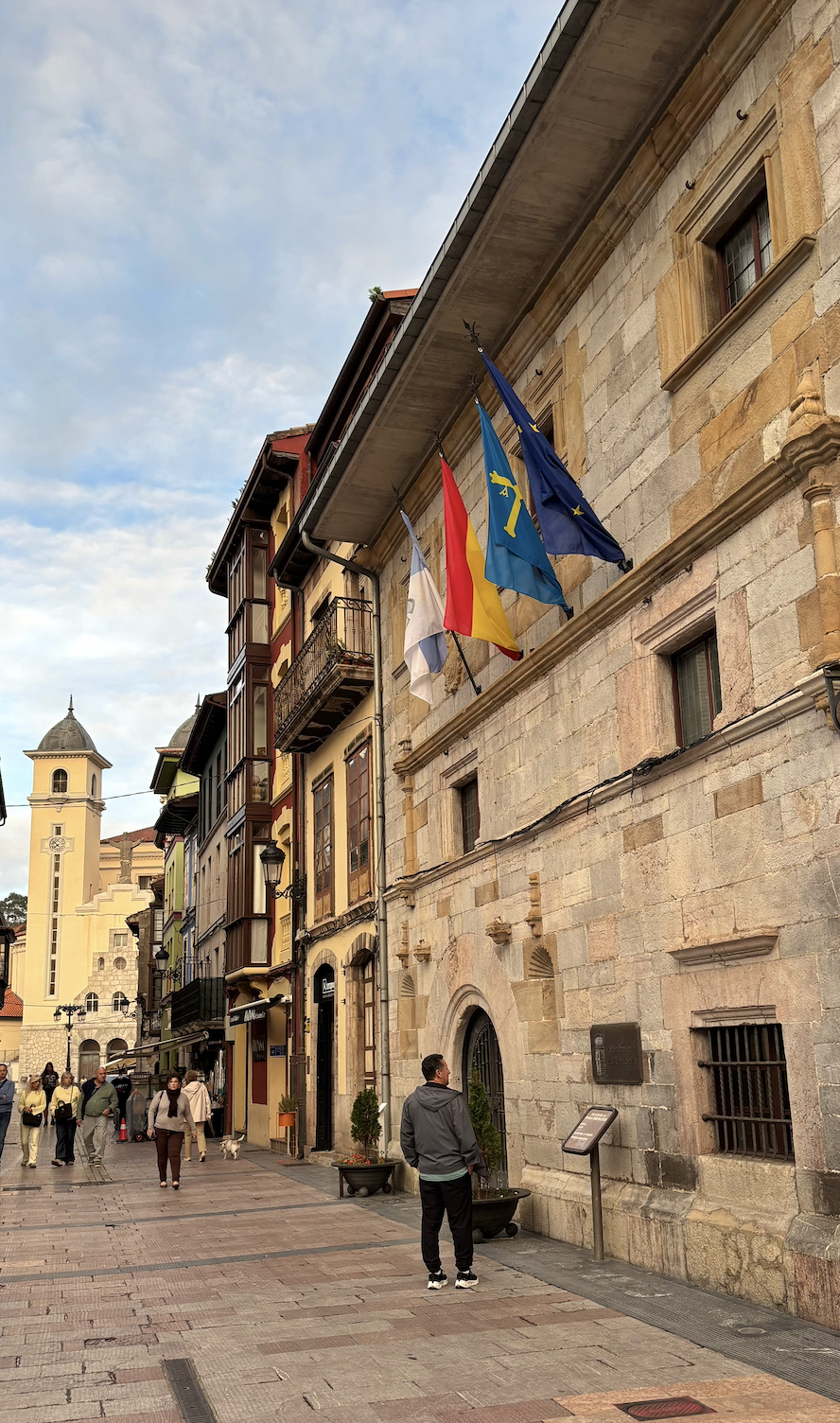
What I loved most about Oviedo was walking the old town and taking in the colourful architecture and stumbling across the cities many statues. Oviedo is in fact home to over 100 public and bronze statues and it was quite fun to try and find them all. The one that took me by surprise was a statue of Woody Allen down one of the cities main shopping streets. Oviedo is a great place to spend half a day exploring or even as a base for your stay in Asturias if you want to experience the city come alive in the evening.
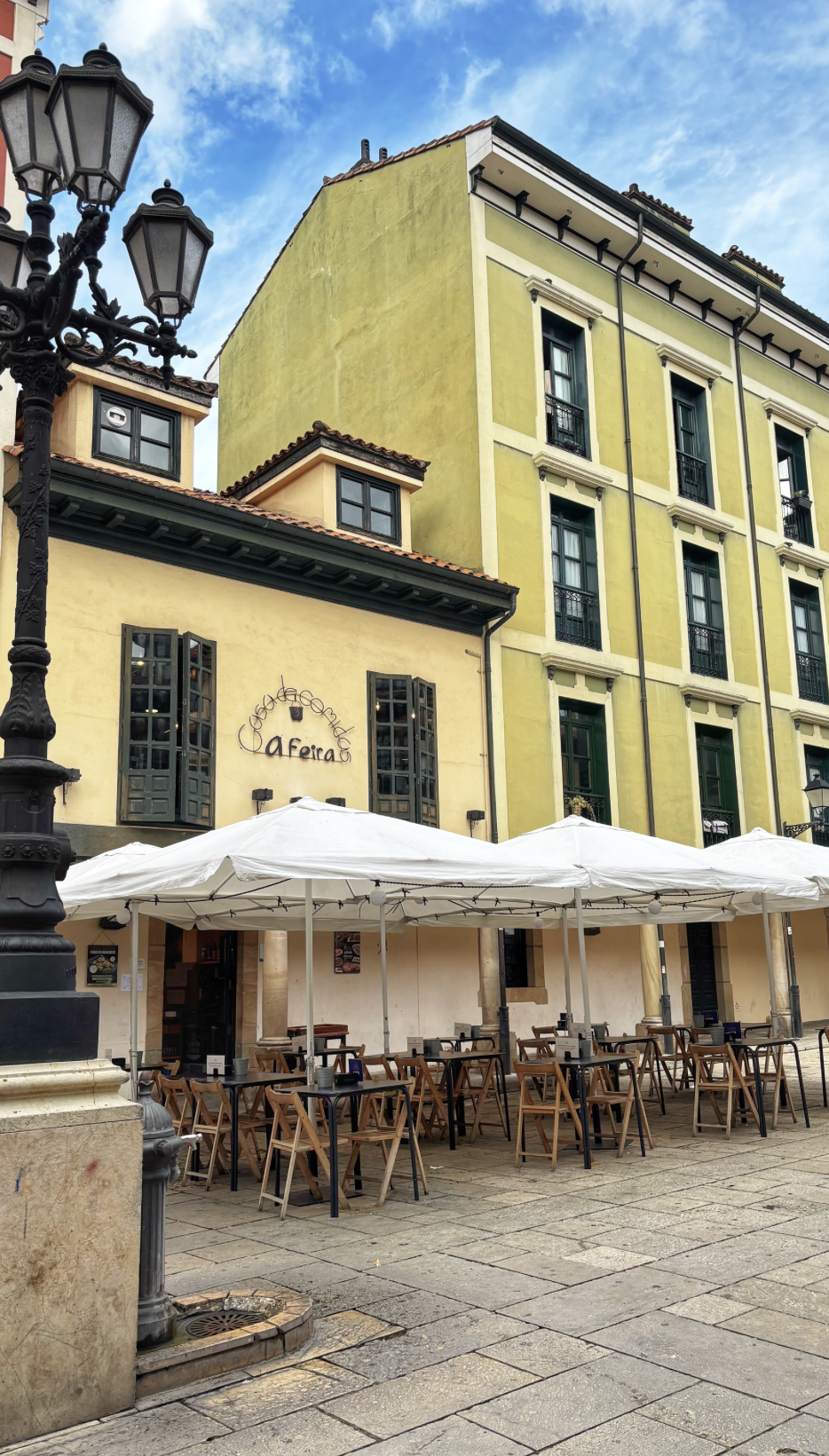
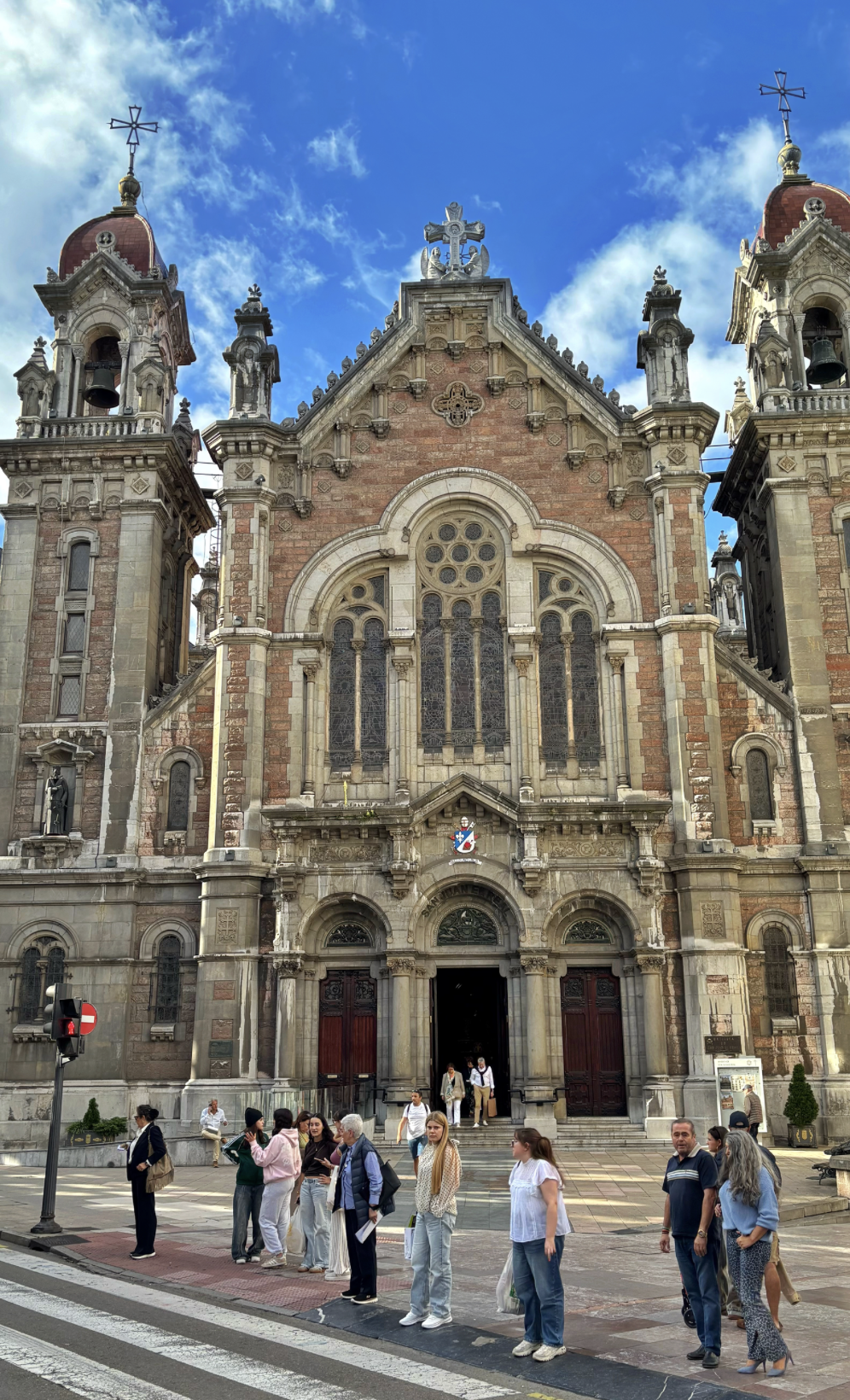
I stayed overnight in the remote village of Cuerres, just over one hours drive from Oviedo, as I wanted to be out of the city and stay in peaceful spot that gave me easy access to the Asturias coast. However, Oviedo is a great place to base yourself whilst exploring Asturias too. Search Booking.com to find great stays in Oviedo and get 15% off with their Late Escapes deals for stays between 1st October 2026 and 7th January 2027.
Where I stayed in Cuerres: Aldea del Trasgu
Day 2: La Cuevona de Cuevas, Asturias jurassic coast AND LLASTRES
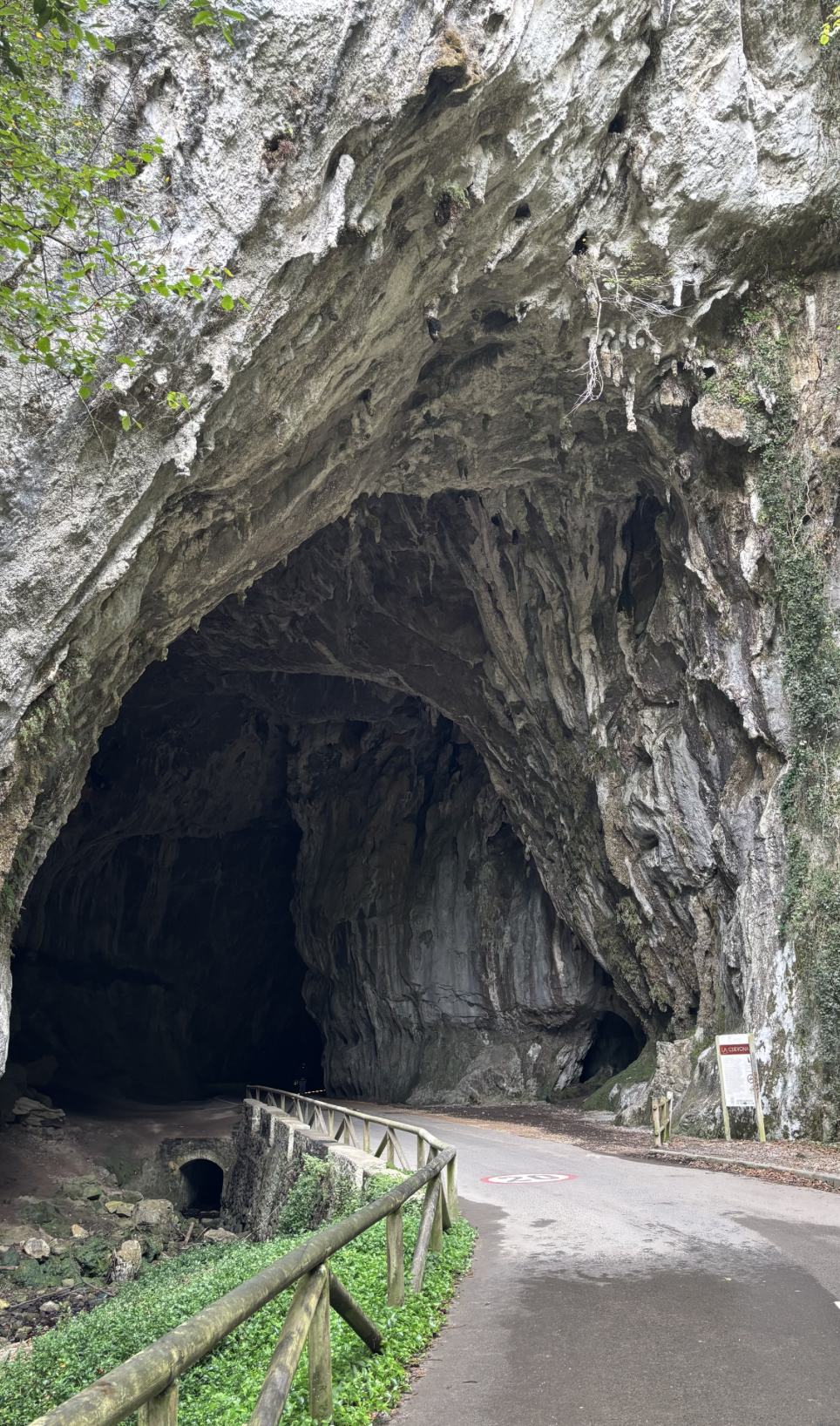
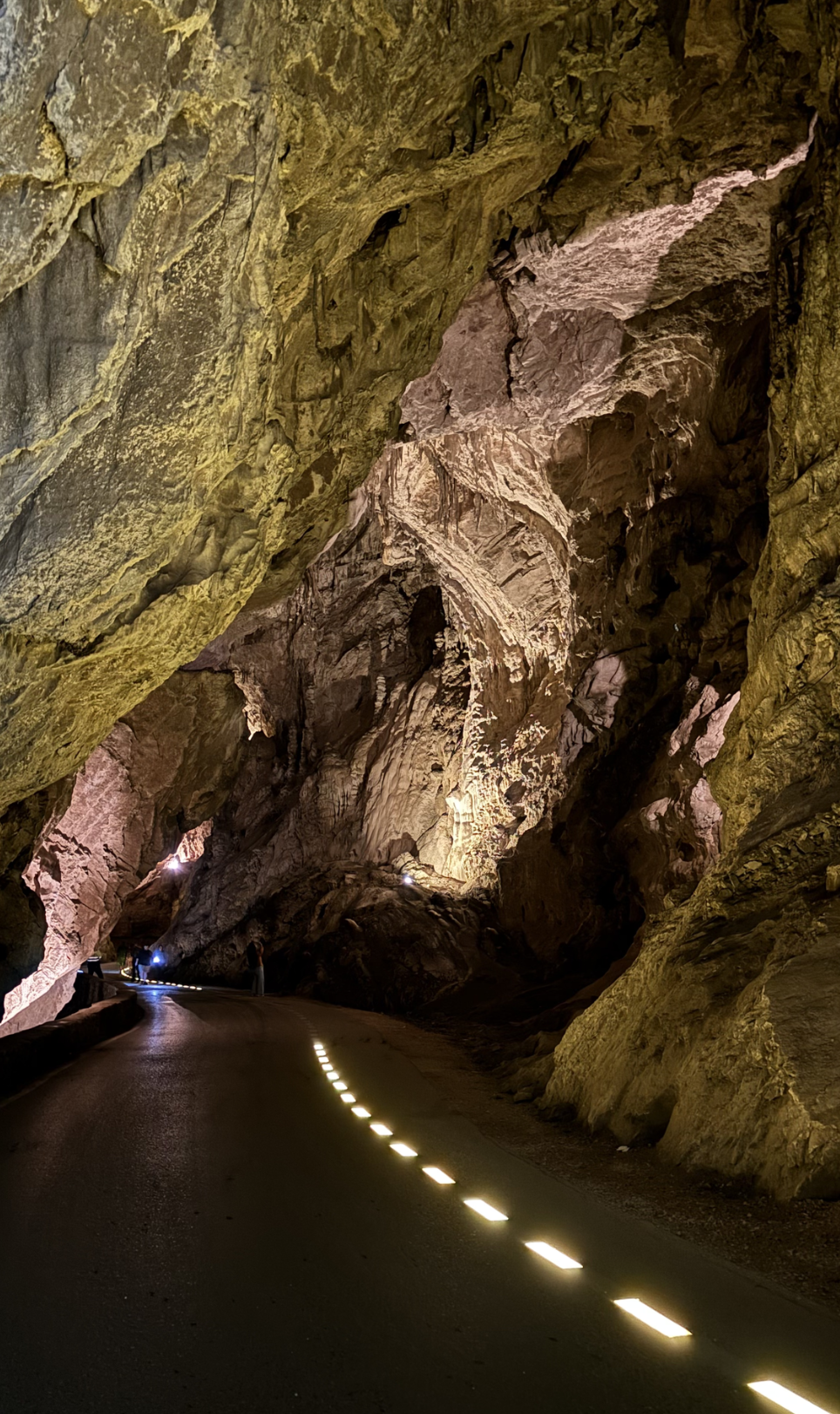
My second day in Asturias started with a bit of rain which not uncommon when visiting northern Spain. Luckily there are plenty of places to see in Asturias when the weather doesn’t cooperate, including my first stop which was La Cuevona de Cuevas del Agua. This is a unique spot where cars can drive through an actual cave to access a small village called Cuevas del Agua in the east of Asturias. Only residents are allowed to drive through the cave, but visitors can park in a free public car park and walk through it. If you don’t have a car, you can reach the village via the FEVE railway line from Oviedo to Santander to visit this cave tunnel. As a lover of all natural wonders and caves, I could not pass the chance to visit this unique place in Asturias. It is free to visit and the walk through is around 300 metres, where you are surrounded by stalactites and stalagmites whilst following an illuminated path. As you walk through you will get to enjoy a car or two passing through which felt so surreal. I spent about 45 minutes here before venturing towards the coastal town of Llastres.
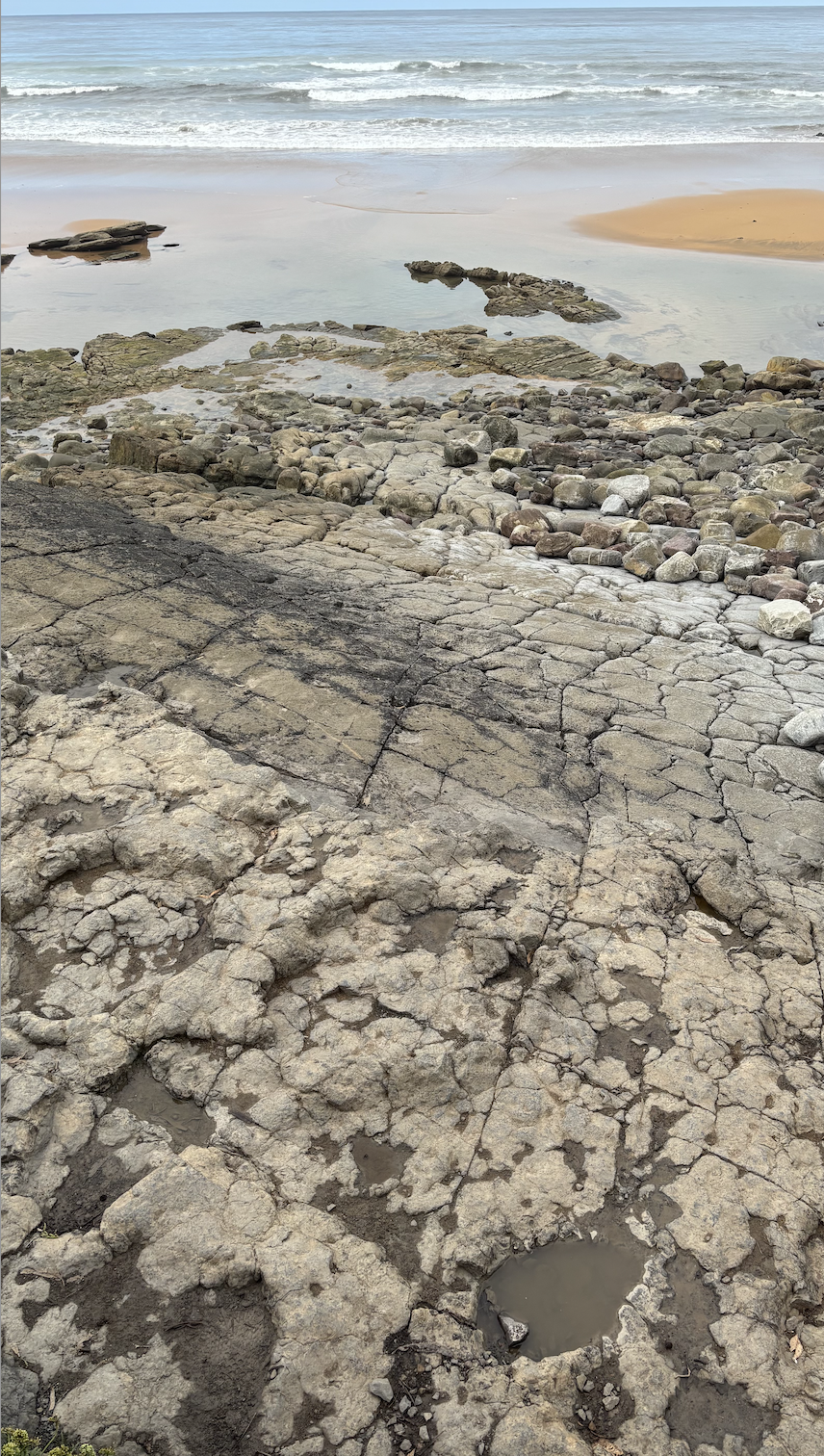
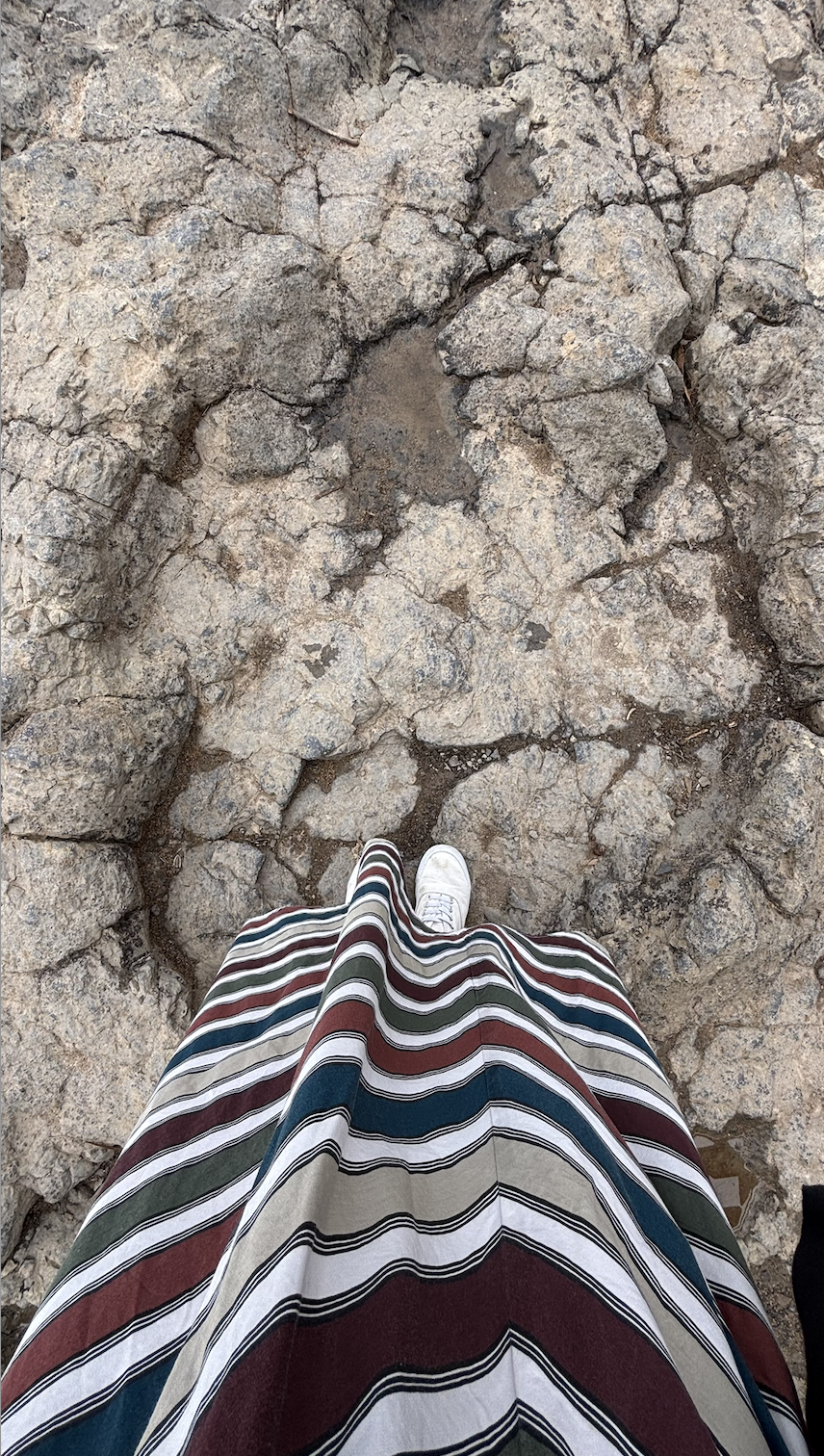
Remember how I mentioned dinosaur fossils at the start of this guide? I was so excited to discover that Asturias has a Jurassic coastline, stretching from Gijón to Ribadesella, which is home to fossilised dinosaur footprints dating back to around 150 million years ago. You can learn more about this at the Jurassic Museum of Asturias (another great rainy day option in Asturias) which has an extensive collection of fossils exhibits close to Llastres. Entry is €7 and the museum is open Wednesday to Sunday. Want to stand inside an actual dinosaur footprint left 150 million years ago? Then make sure to head to nearby La Griega Beach after visiting the museum. You can park for free at the beach and take the coastal walk about 15 minutes to the site of these extraordinary fossilised dinosaur footprints, which are said to be amongst the largest discovered in the world. If you have time, I recommend enjoying a stroll along this beautiful golden sand beach too.
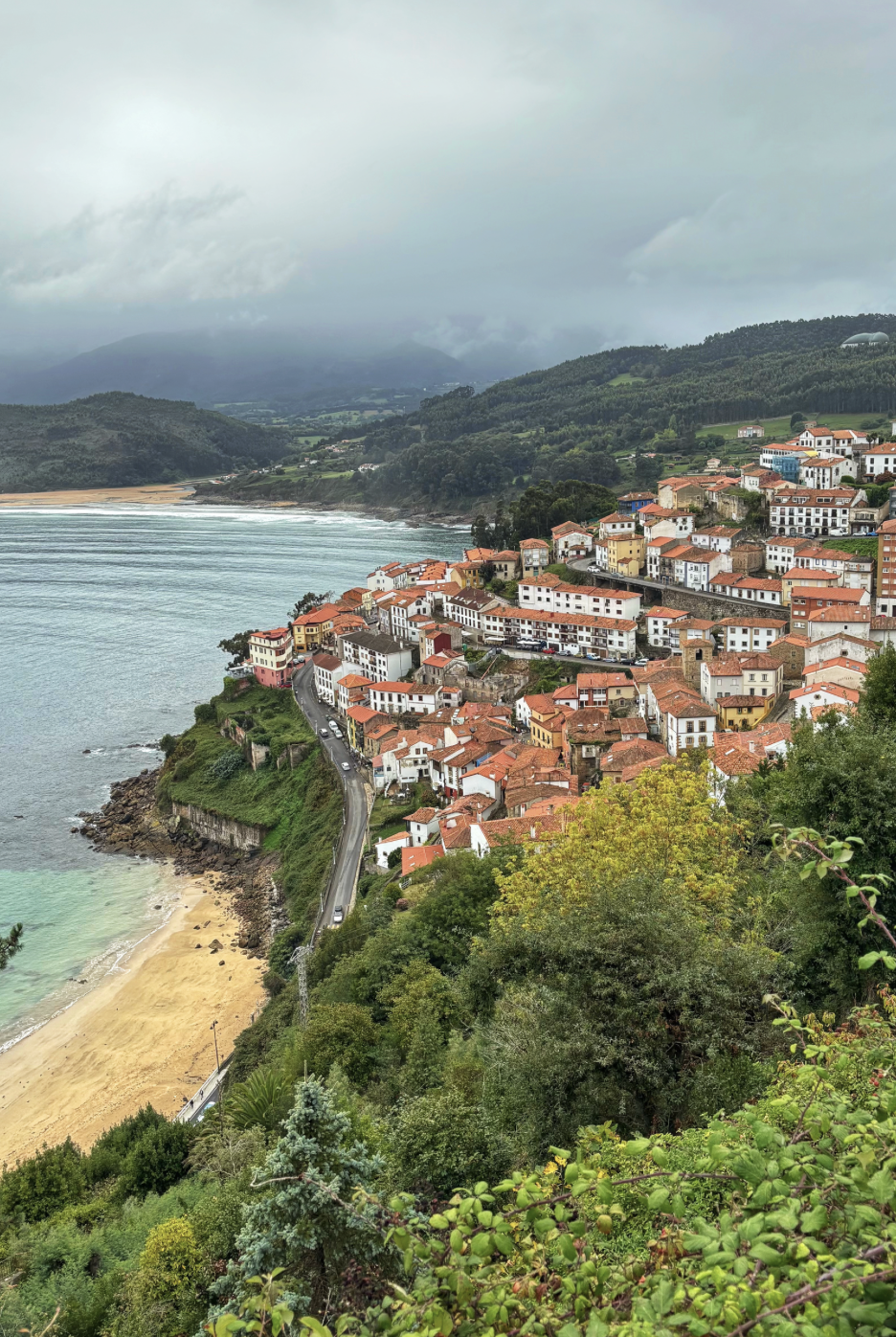
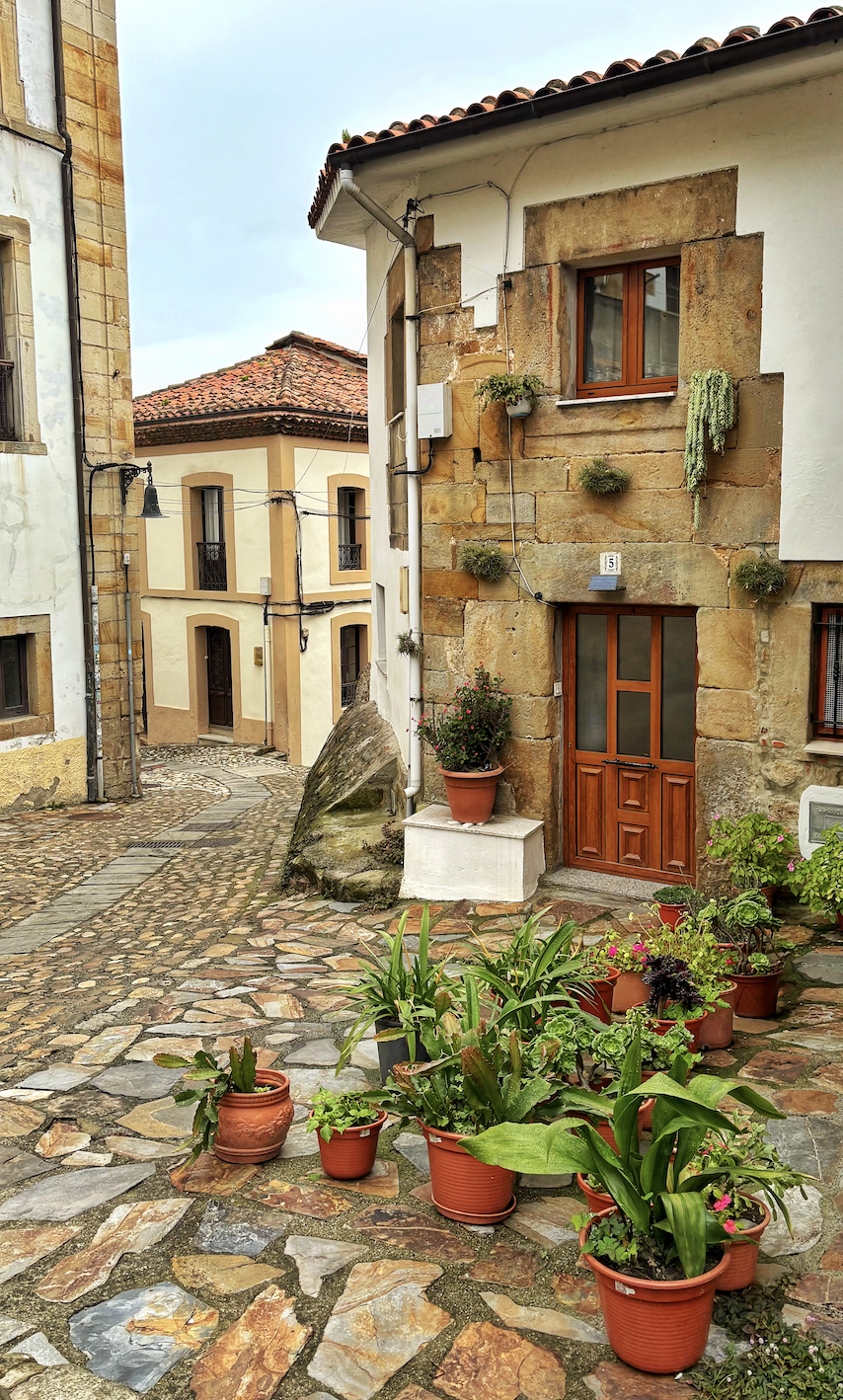
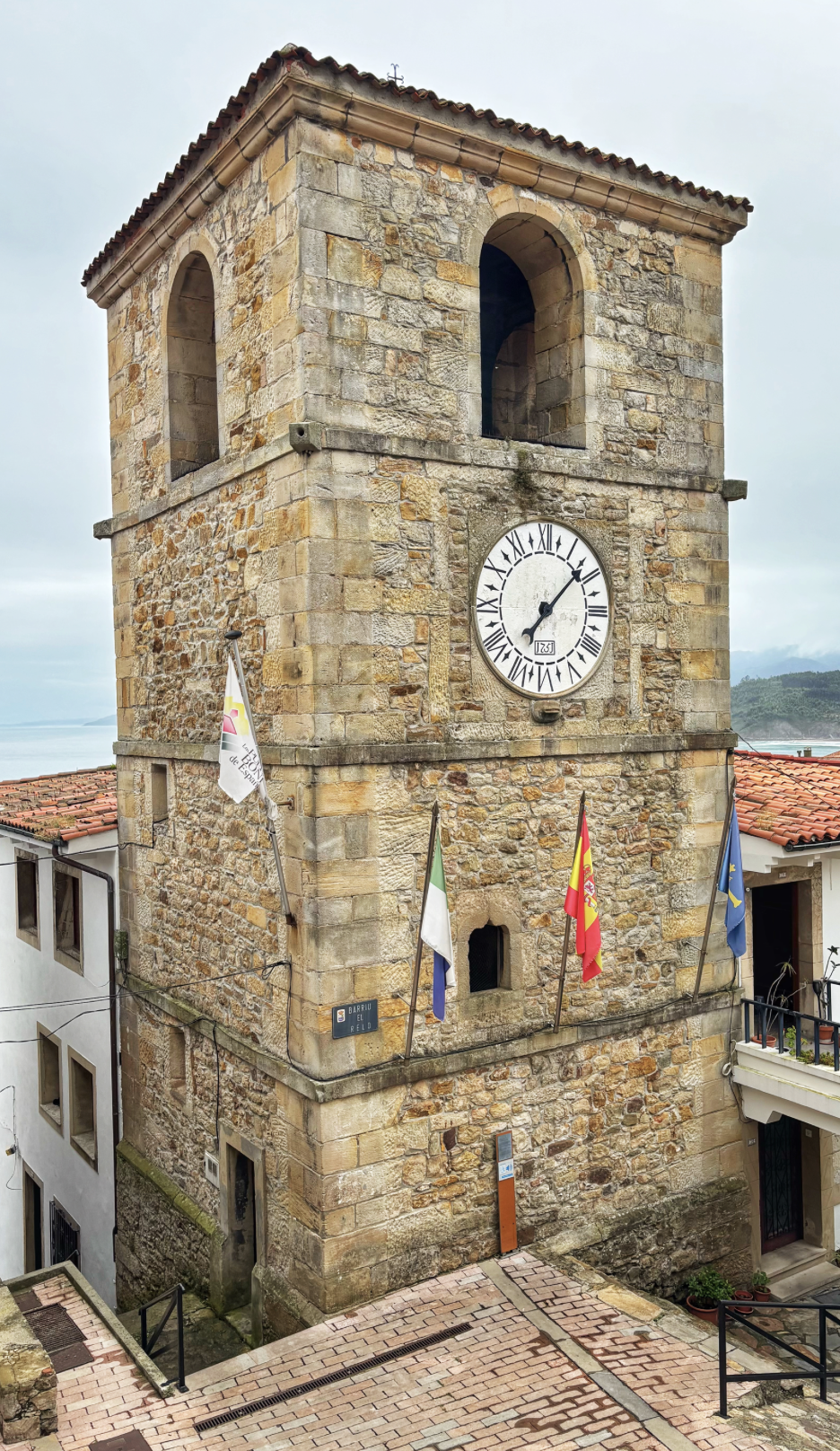
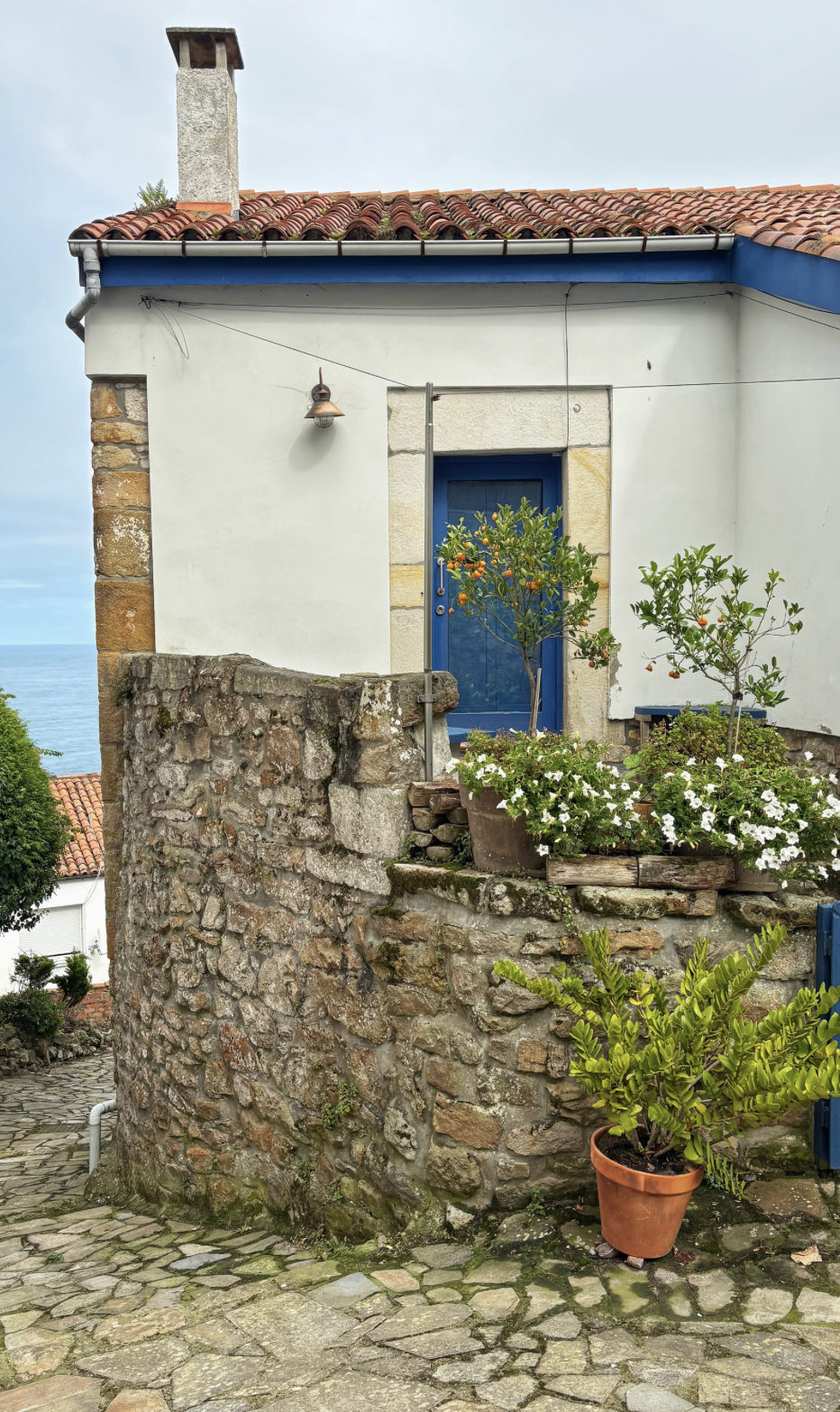
I then headed to the nearby coastal town of Llastres, a charming fishing town with houses cascading down a cliff offering spectacular views of the surrounding Jurassic coastline. I recommend parking at Mirador San Roque to take in the views before walking down into Llastres to explore the labyrinth of charming streets. What struck me most about Llastres was the architecture; I loved the old stone houses together with their dark wooden balconies with the occasional pop of colour. Be sure to find the towns 18th century stone clock tower and the Neoclassical Baroque church of Santa María de Sábada, before wondering down to enjoy a stroll around the small harbour. Llastres is home to a selection of restaurants and bars to enjoy a few traditional local dishes, including Restaurante Café Lastres y Bistró.
Day 3: rIBADESELLA AND llANES
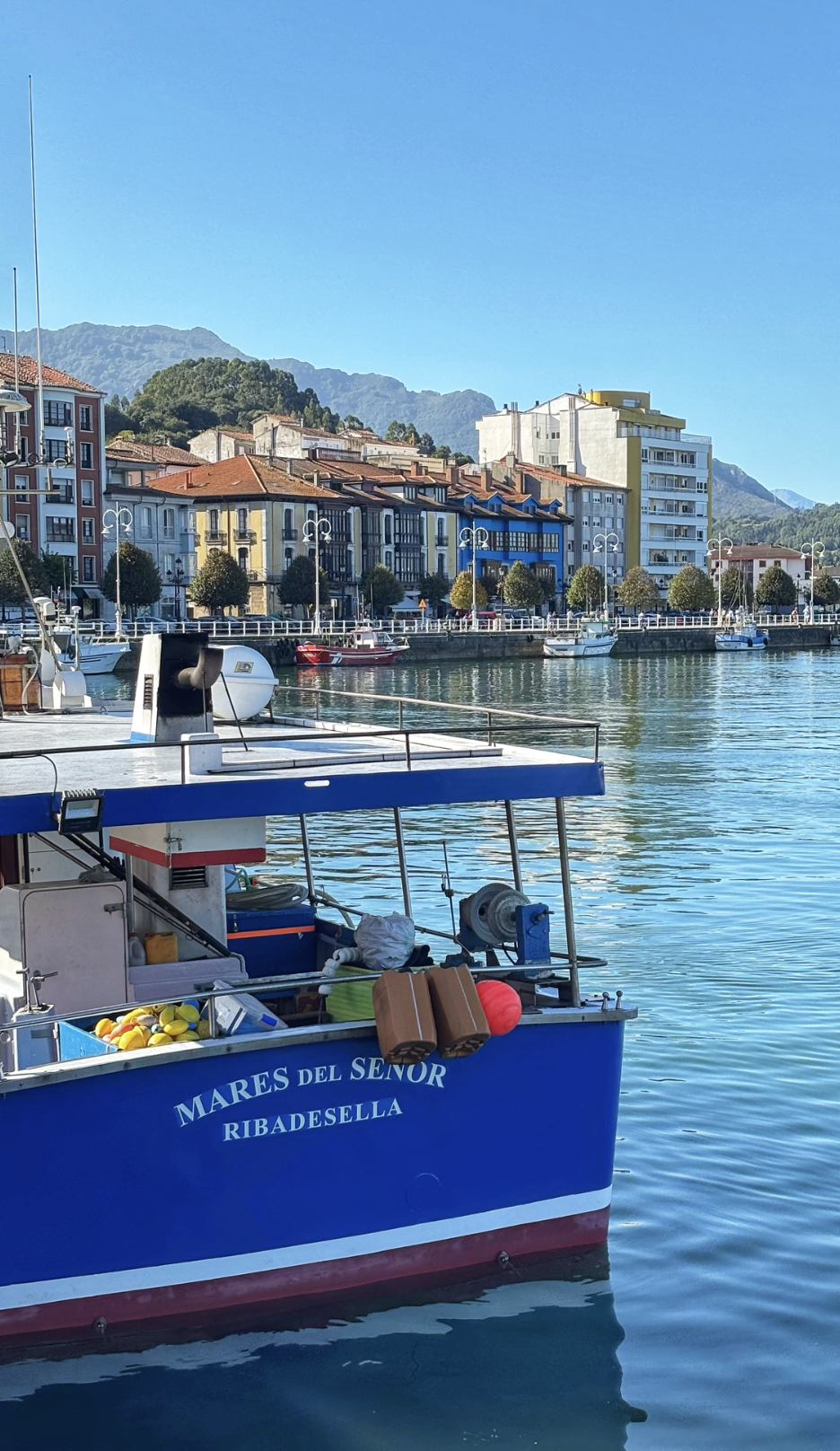
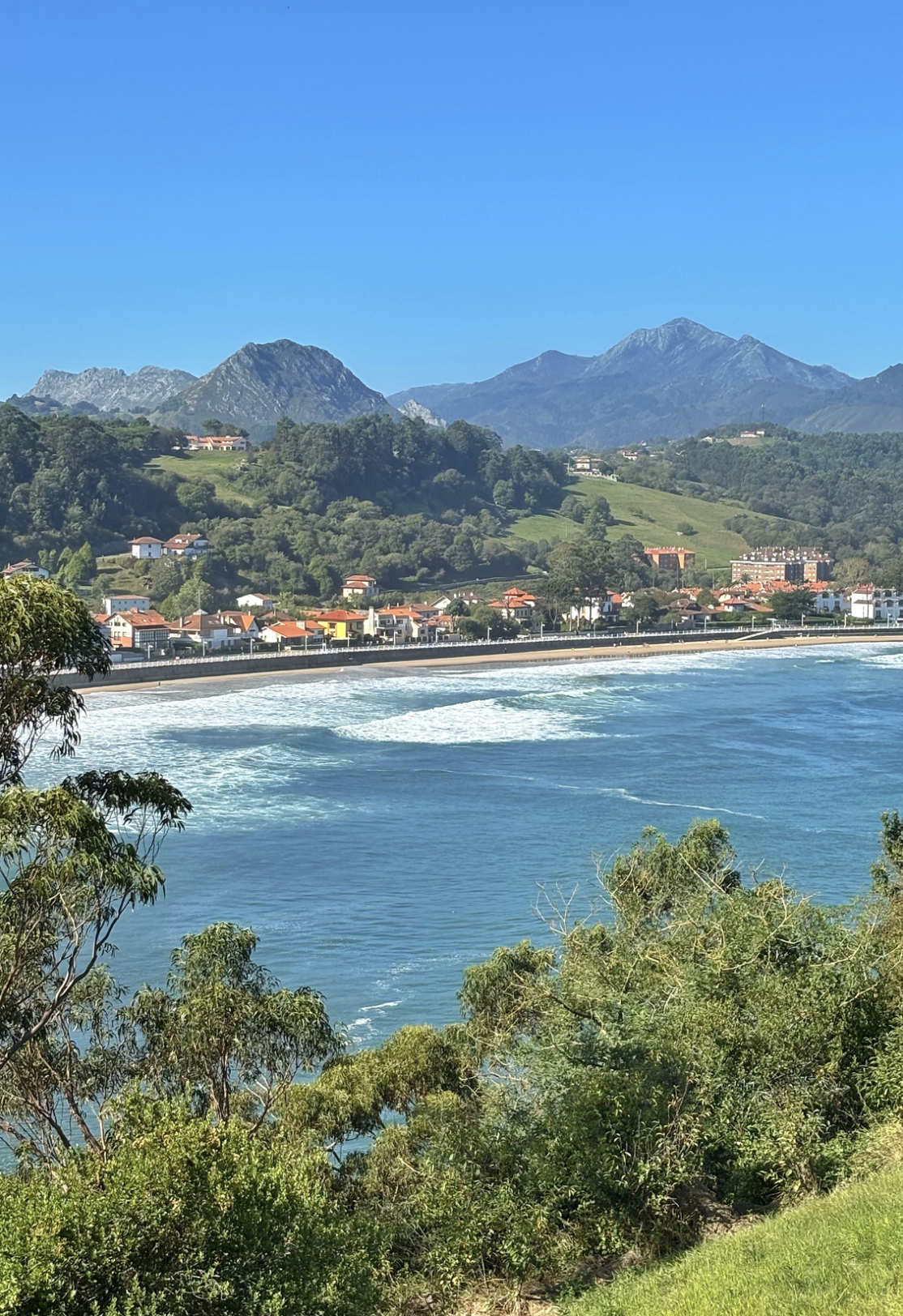
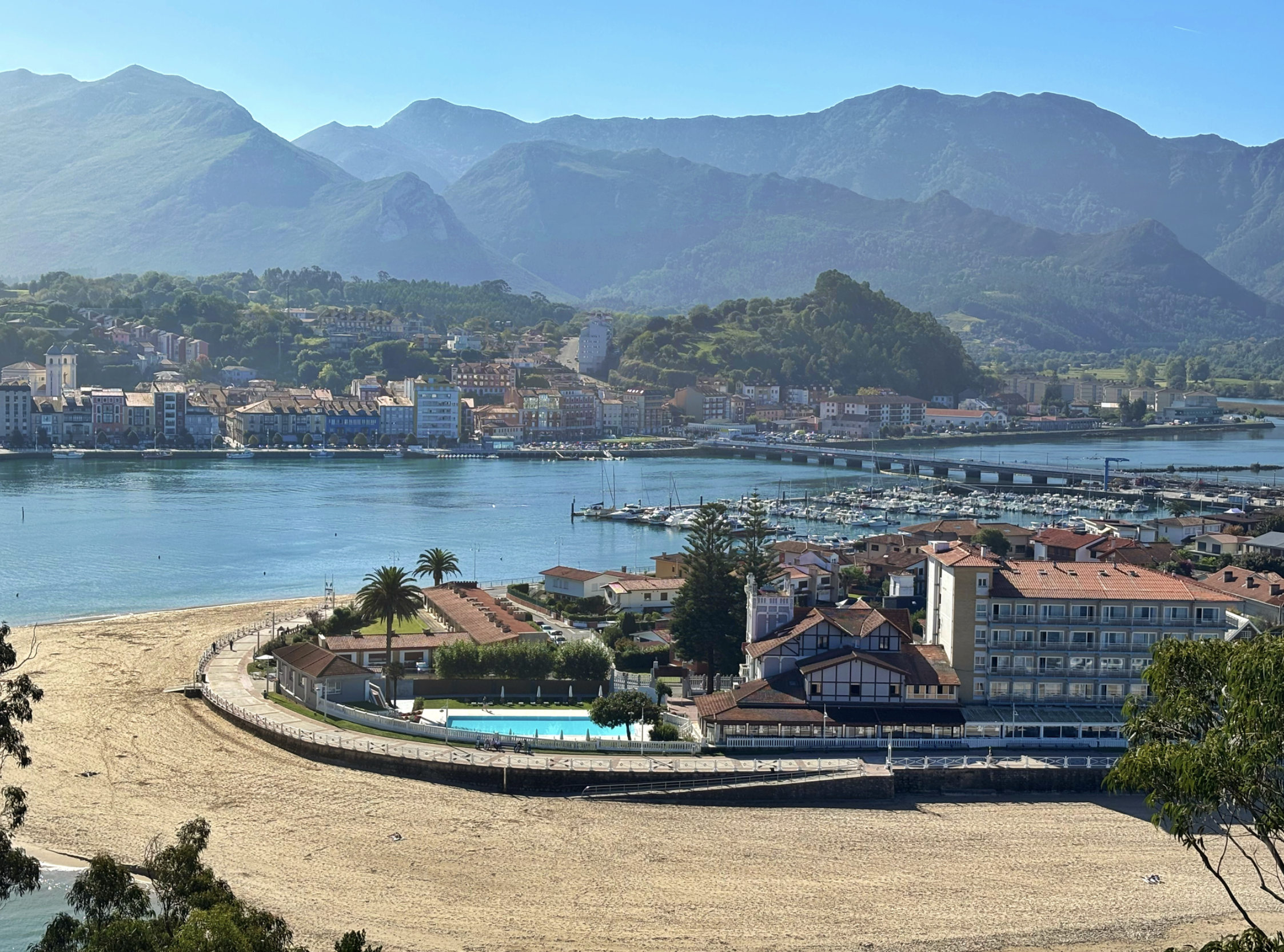
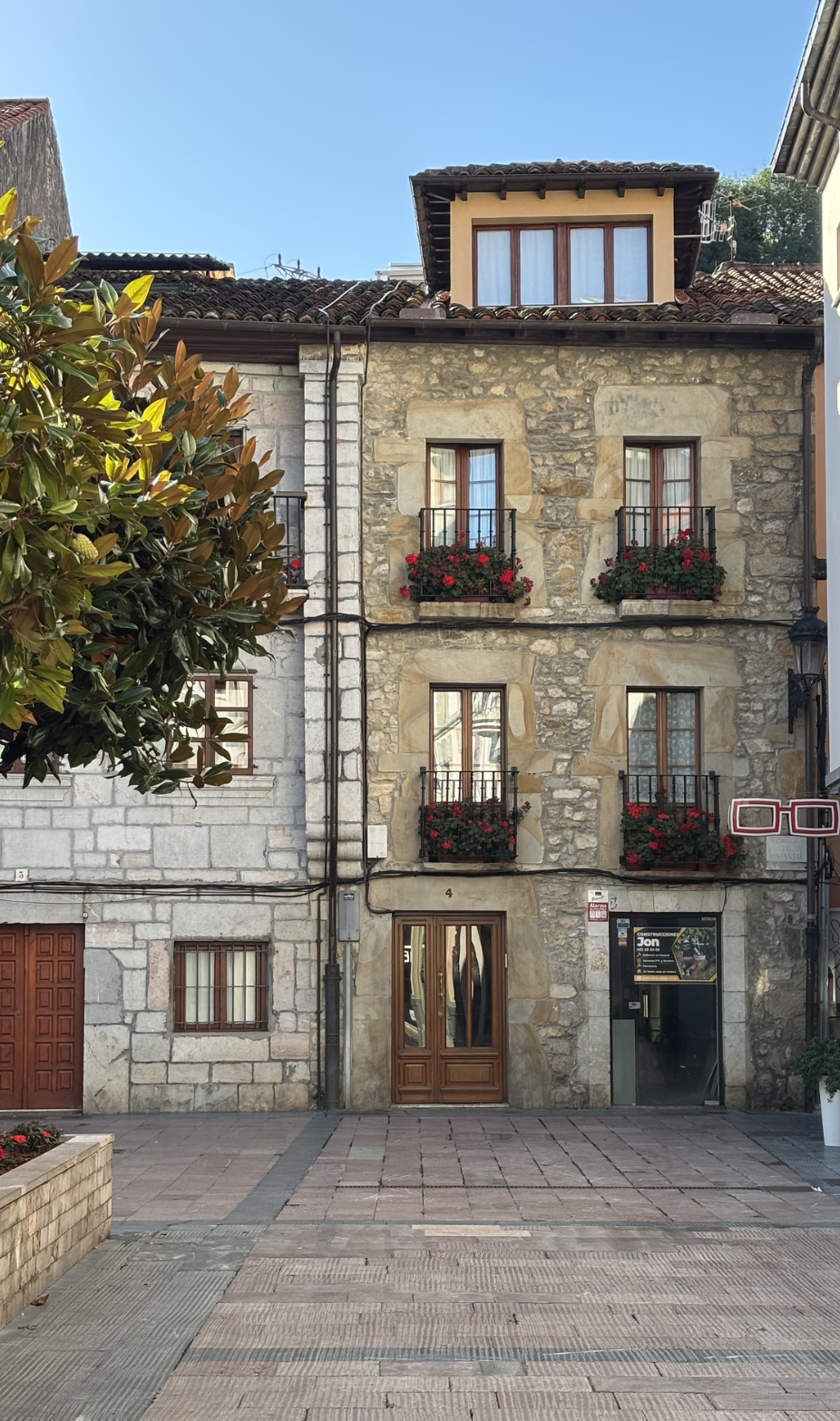
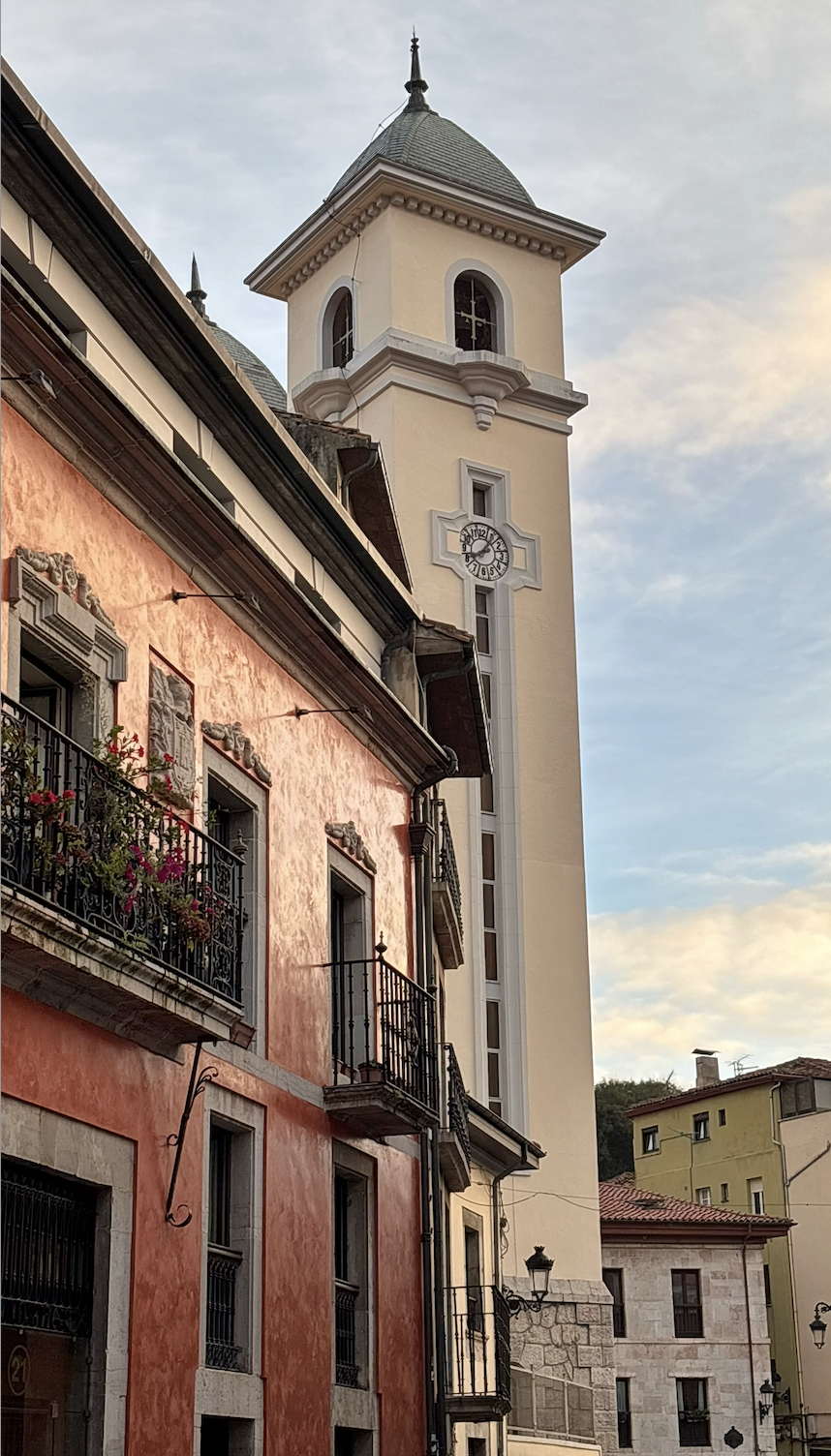
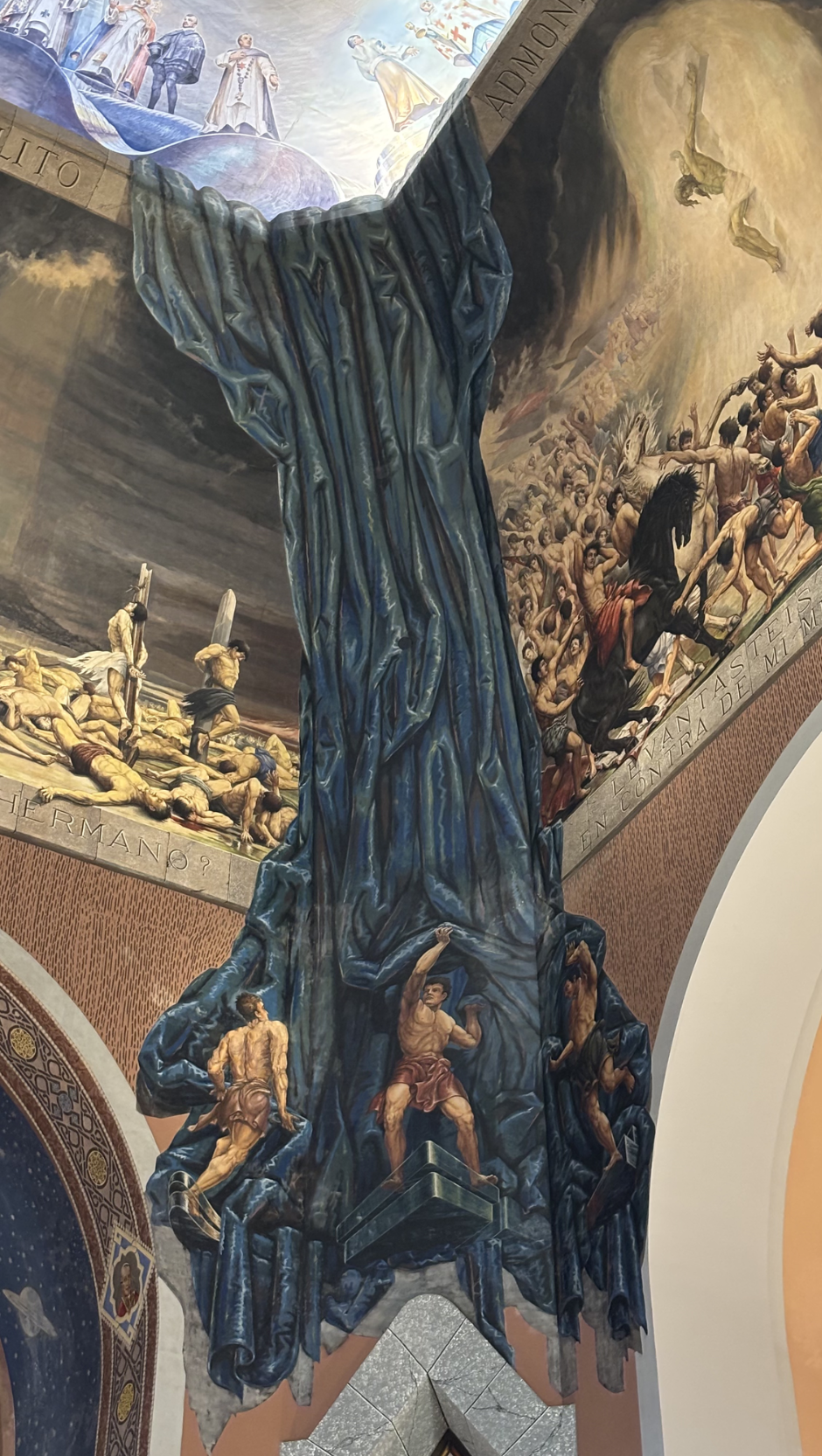
I started my third day in Asturias at the colourful coastal town of Ribadesella. This town is beautifully positioned at the mouth of the River Sella which flows into the Bay of Biscay and was one of my favourite spots I visited in Asturias. The town is surrounded by mountains and home an impressive golden sand beach called Playa de Santa Maria which is popular with surfers. One of top places to see in Ribadesella was the views from Ermita de la Virgen de Guía, a small chapel that overlooks the towns incredible position surrounded by mountains. The views from this spot are truly spectacular and well worth the climb after taking a stroll along Paseo de la Grúa. I then made my way down to Ribadesella’s old town and meandered through its colourful streets and plazas. The town has a great selection of shops to grab a souvenir or two, along with cafes, bakeries and bars if you want to grab a drink or bite to eat during your time here. Make sure to step inside Iglesia de Santa María Magdalena, a modern church with two striking towers. This church was practically destroyed during the Spanish Civil War, but was rebuilt and has a beautifully painted interior.
Make sure to cross the bridge to visit one of Ribadesella’s most extraordinary places: the Tito Bustillo Cave. This UNESCO World Heritage Site is home to ancient Paleolithic cave paintings dating back to 20,000 BC, with the most famous being the Gallery of Horses. Guided tours within the cave are available but limited to small numbers to preserve the cave, so I highly recommend booking tickets in advance here to avoid missing out. After visiting the cave, make sure to enjoy a stroll along the Playa de Santa Maria promenade, and take in all the aristocratic summer villas known as ‘Casas de Indianos' built here. If you have time, I’d recommend spending some time at the beach too.
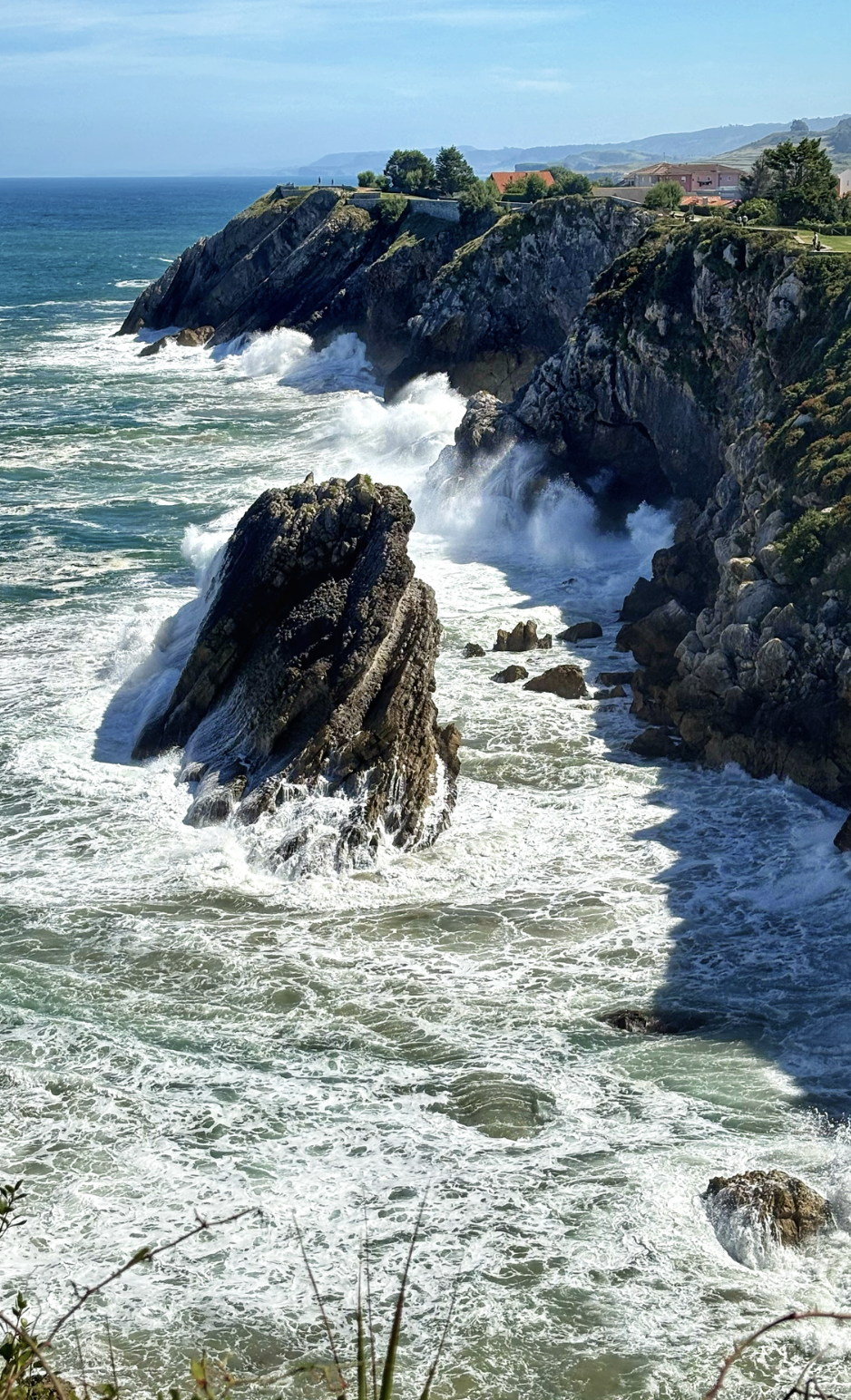
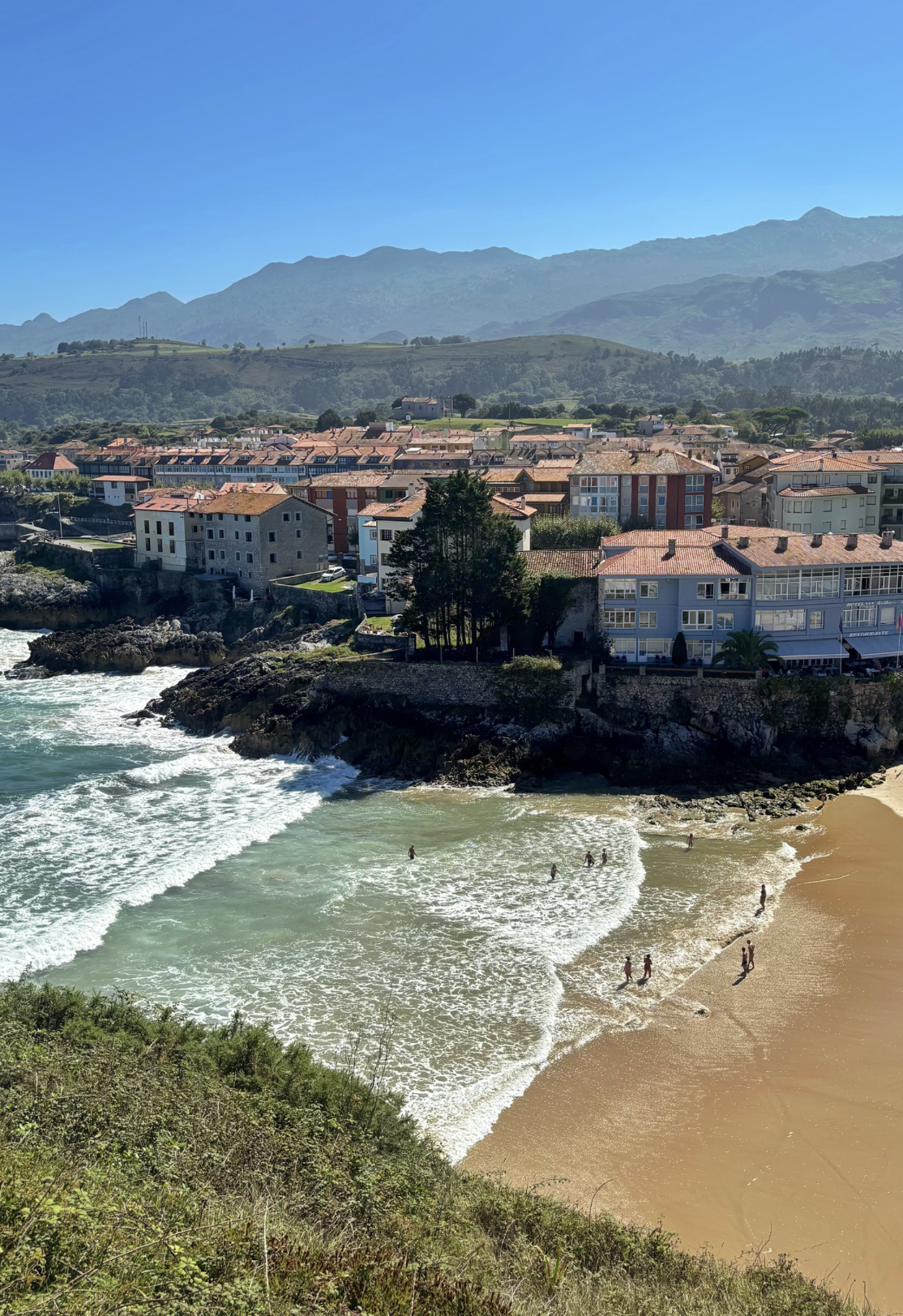
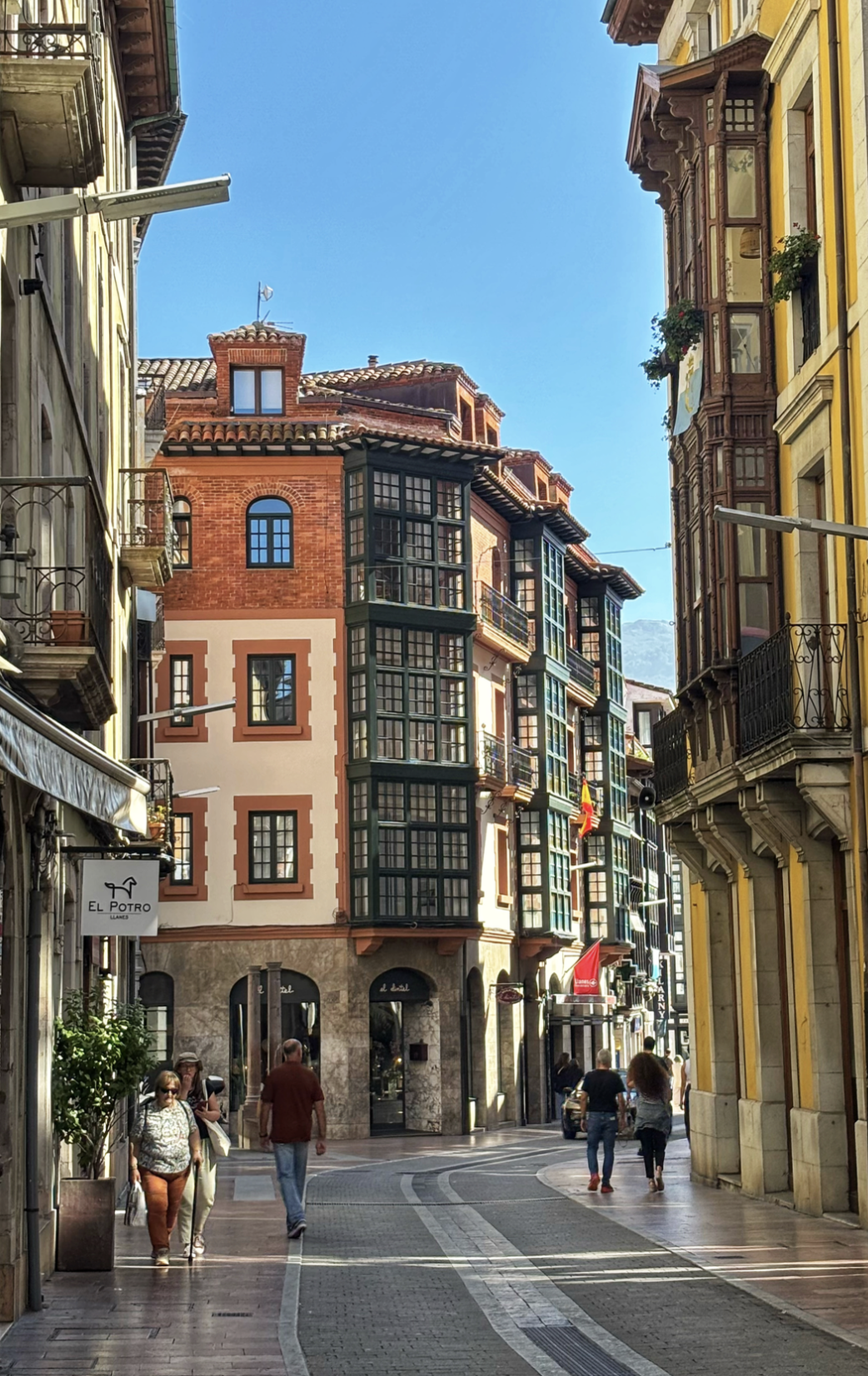
I then hopped in the car and drove 25 minutes to the coastal town of Llanes. If you don’t have access to a car, you can catch the train from Ribadesella to Llanes or go via bus with Alsa. Llanes is a bustling historic town on the eastern side of Asturias and another spot I absolutely loved exploring. I parked on the edge of the town and walked the Paseo de San Pedro, a clifftop promenade with incredible views overlooking the rocky landscape with waves crashing against the cliffs. You can follow this walk all the way towards the historic town centre, where the path ends overlooking the impressive Playa de El Sablon, a golden sand beach in a sheltered cove. Make your way down to the steps to the beach and head straight towards to old castle walls where you can step inside the towns medieval historic centre.
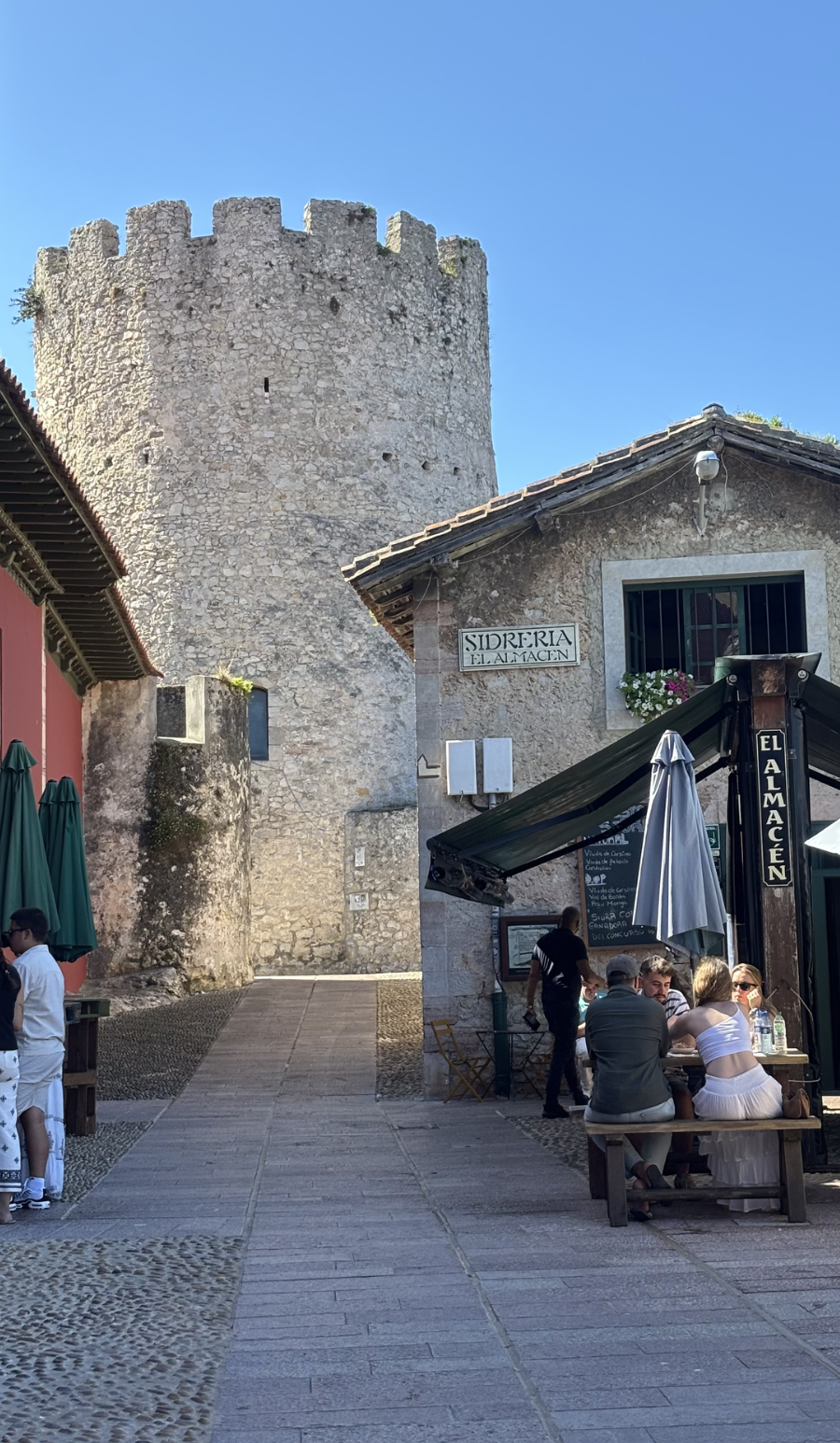
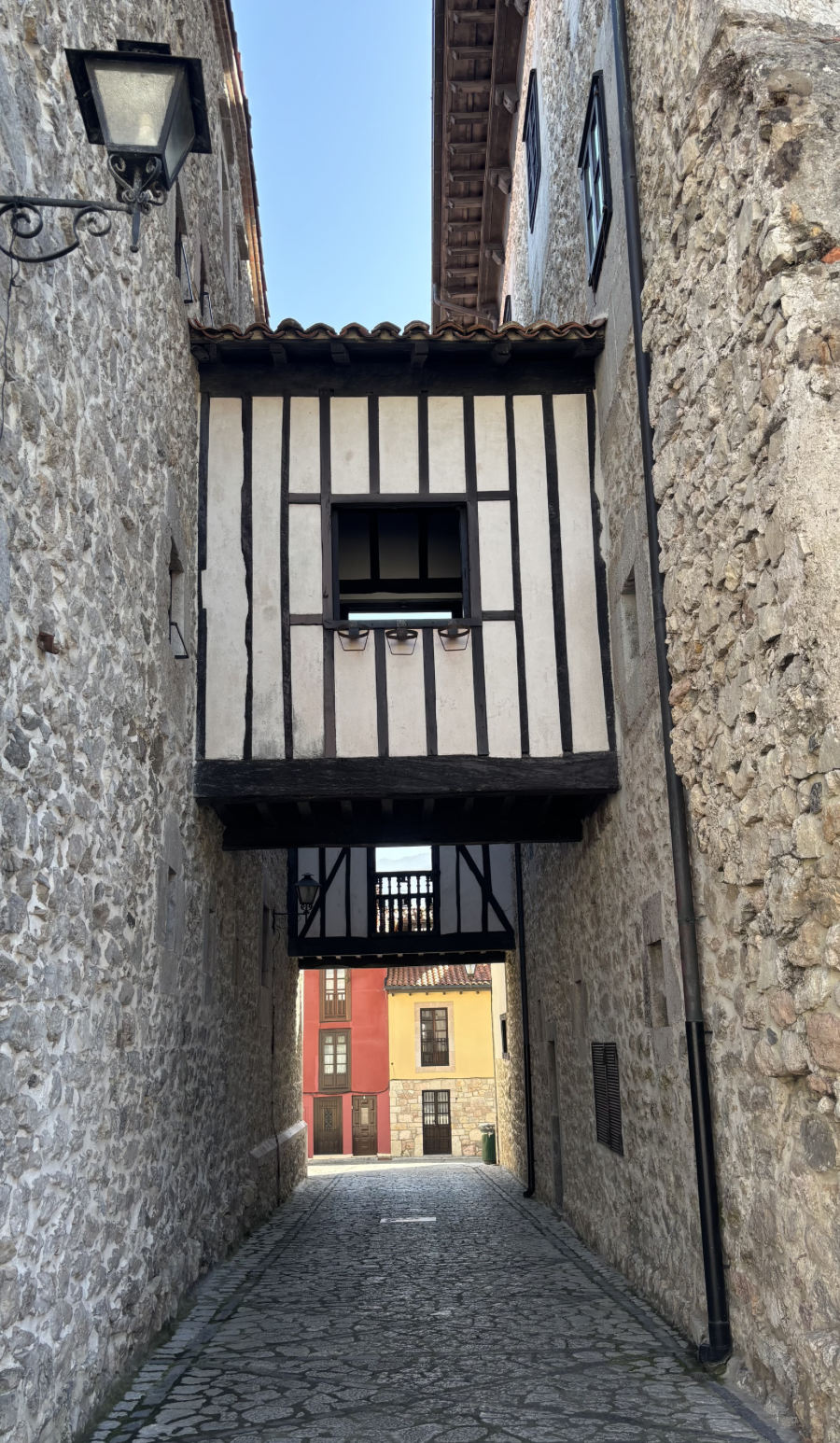
I loved how the old castle wall ruins and how inside you feel like you have stepped back in time with the cobblestone streets, medieval towers and old stones buildings. Within the Llanes' historic centre you will find Basílica de Santa María del Concejo, a beautiful 12th century church, Puerta de San Nicolás where you can walk under two medieval tunnels connected to neighbouring buildings, and Torreón de Llanes which use to house a local jail. From the medieval quarter, I made my way through the harbour area of Llanes and headed to Plaza Barqueras, where you will find an array of shops, cafes, restaurants and bars and feel the town come to life. Soak up the atmosphere and meander your way through the streets where you can find a local souvenir or find a one of the towns many bars to enjoy a glass of Asturias cider.
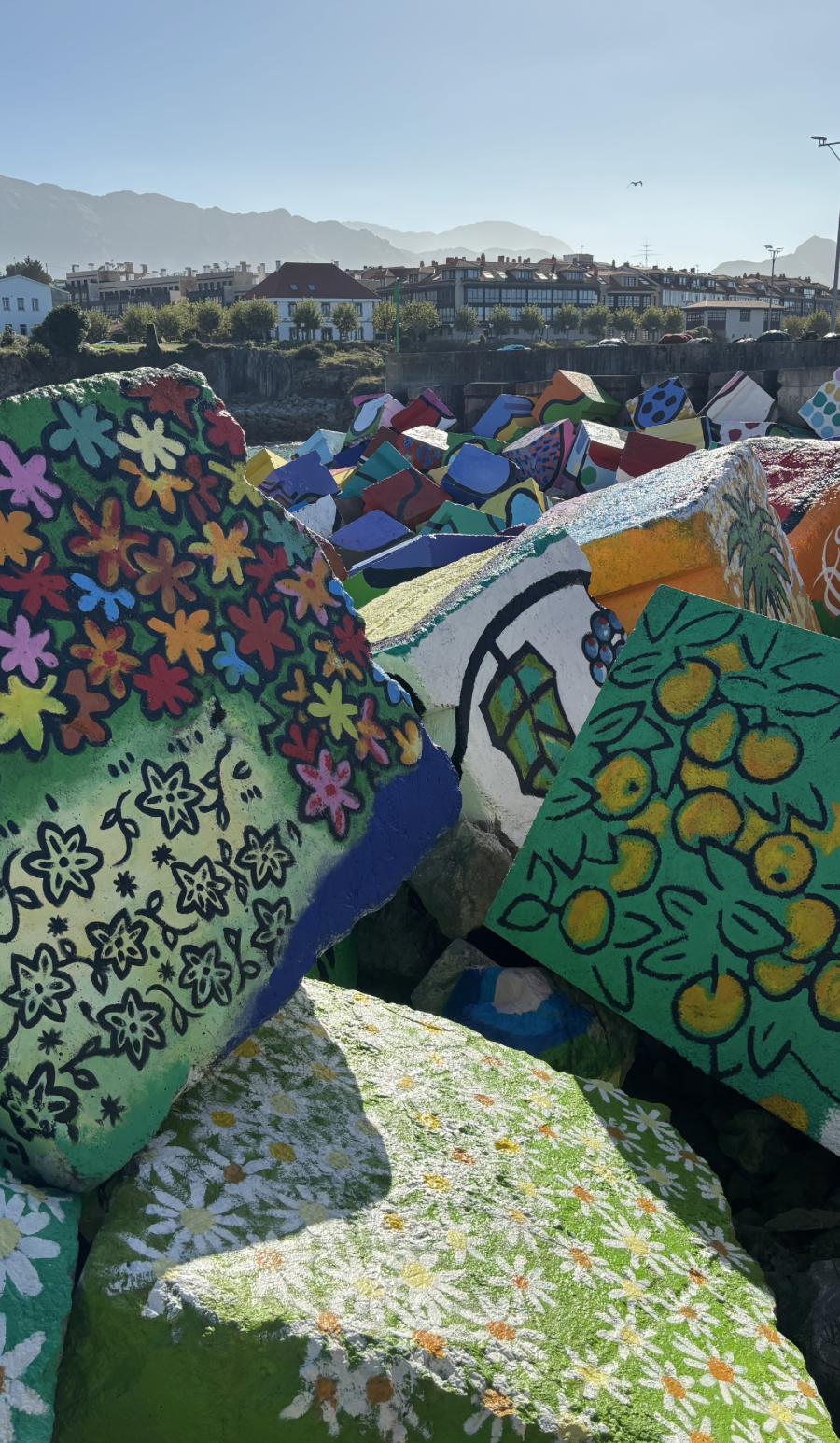
I finished my time in Llanes by taking a stroll out to the far end of the harbour to see the Los Cubos de la Memoria, where typical windbreaker cubes installed there to protect the harbour have been transformed into a colourful work of art by the Basque artist Augustin Ibarrola.
Day 4: RUTA DEL CARES
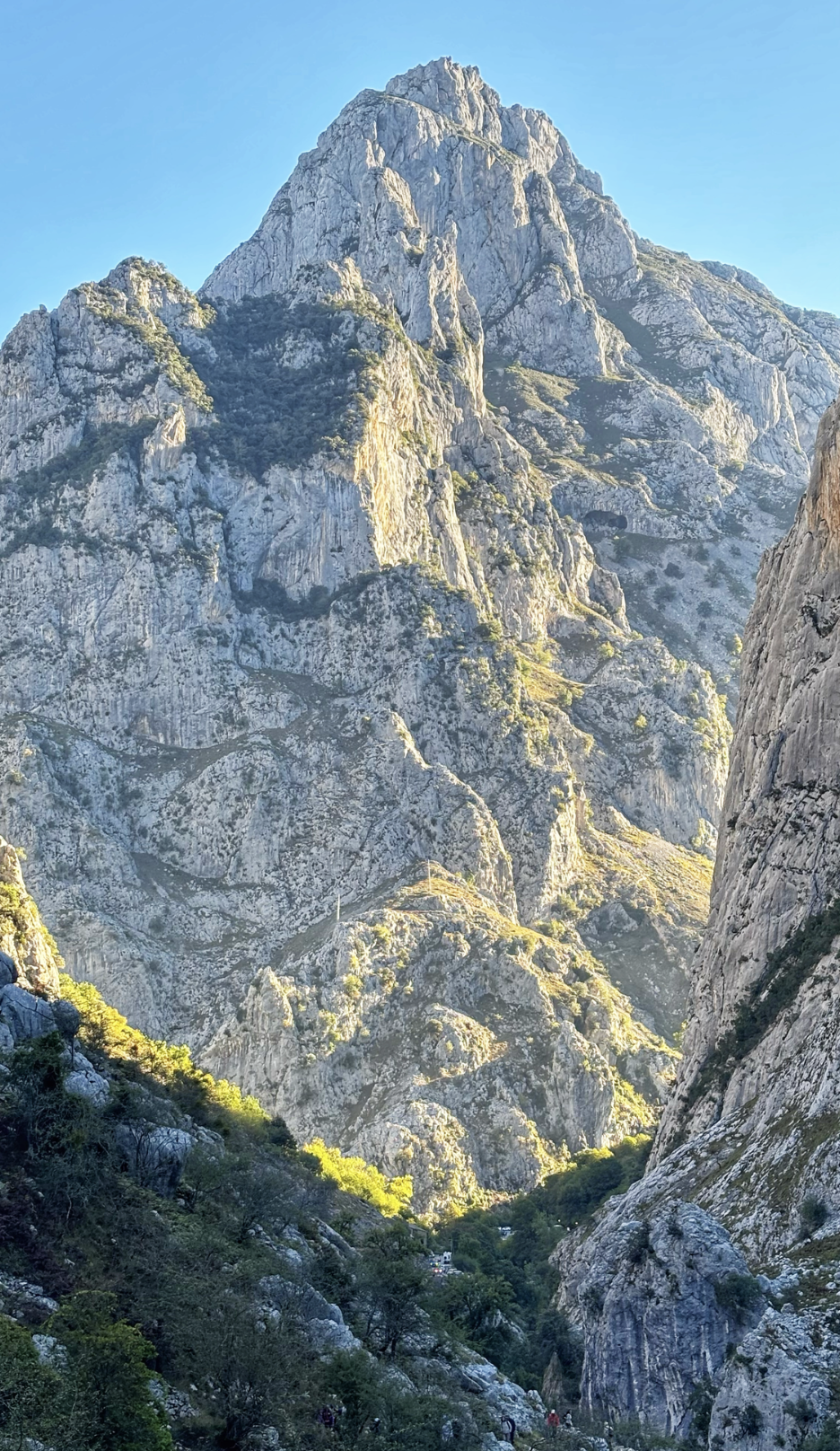
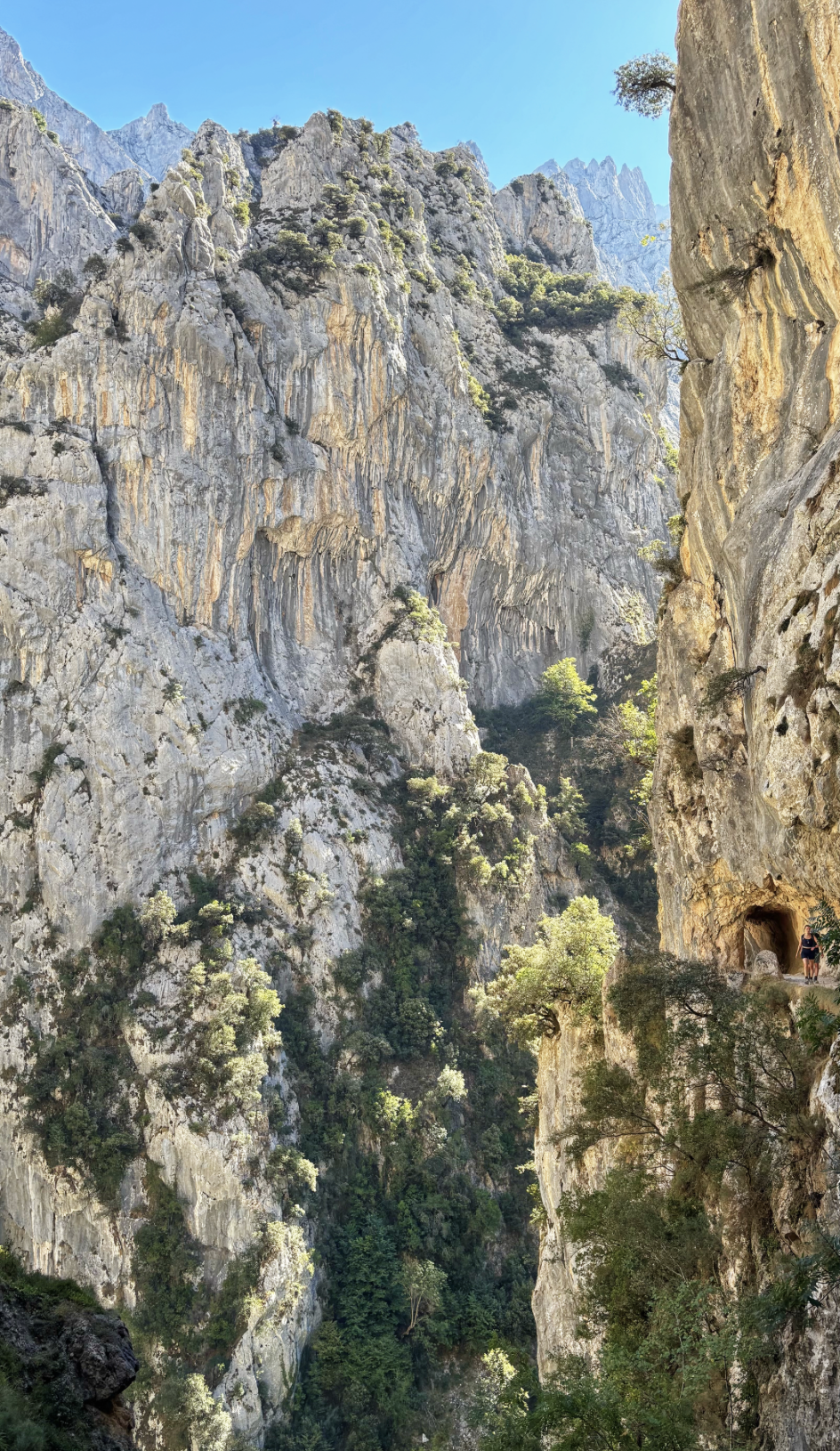
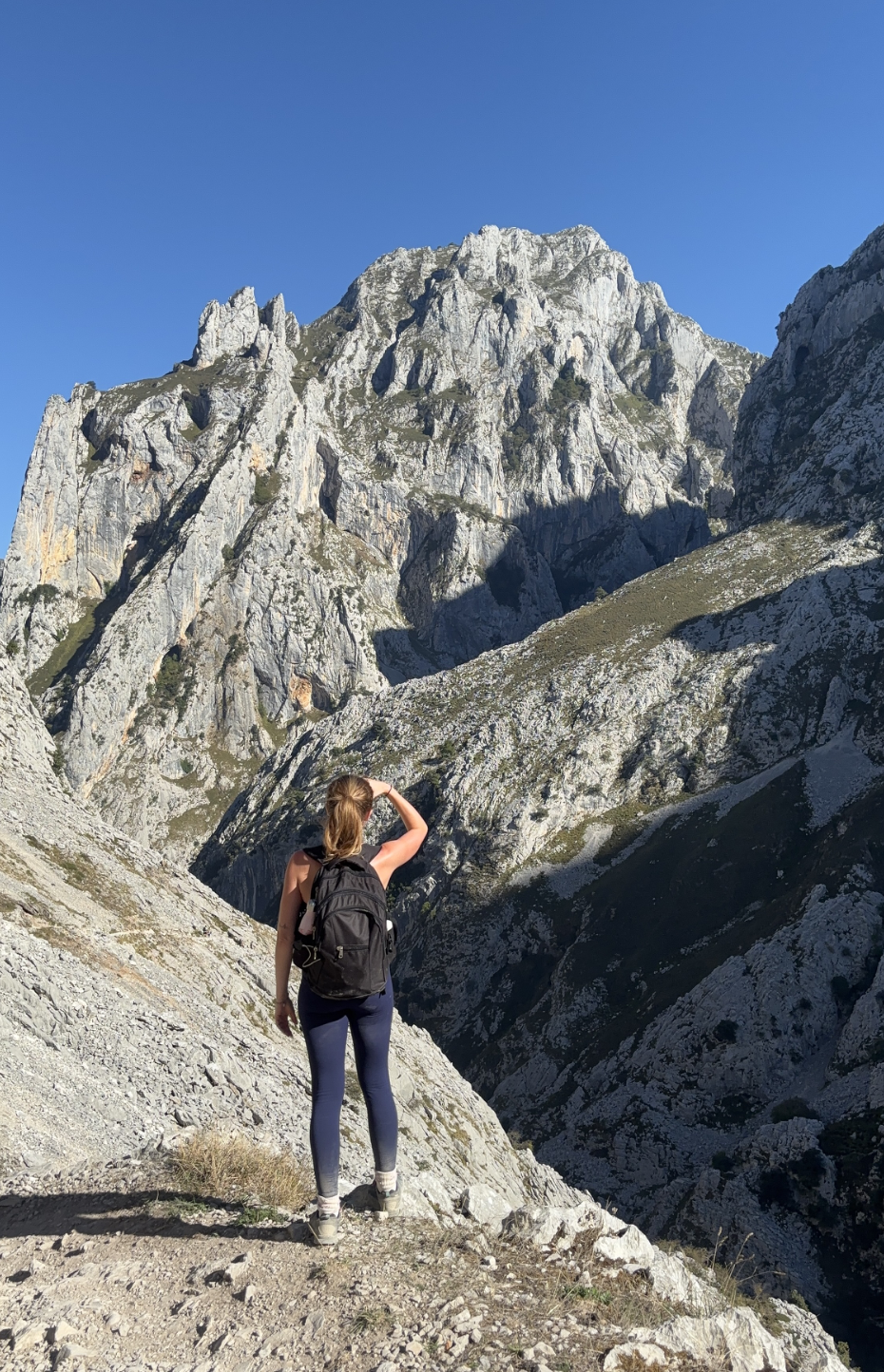
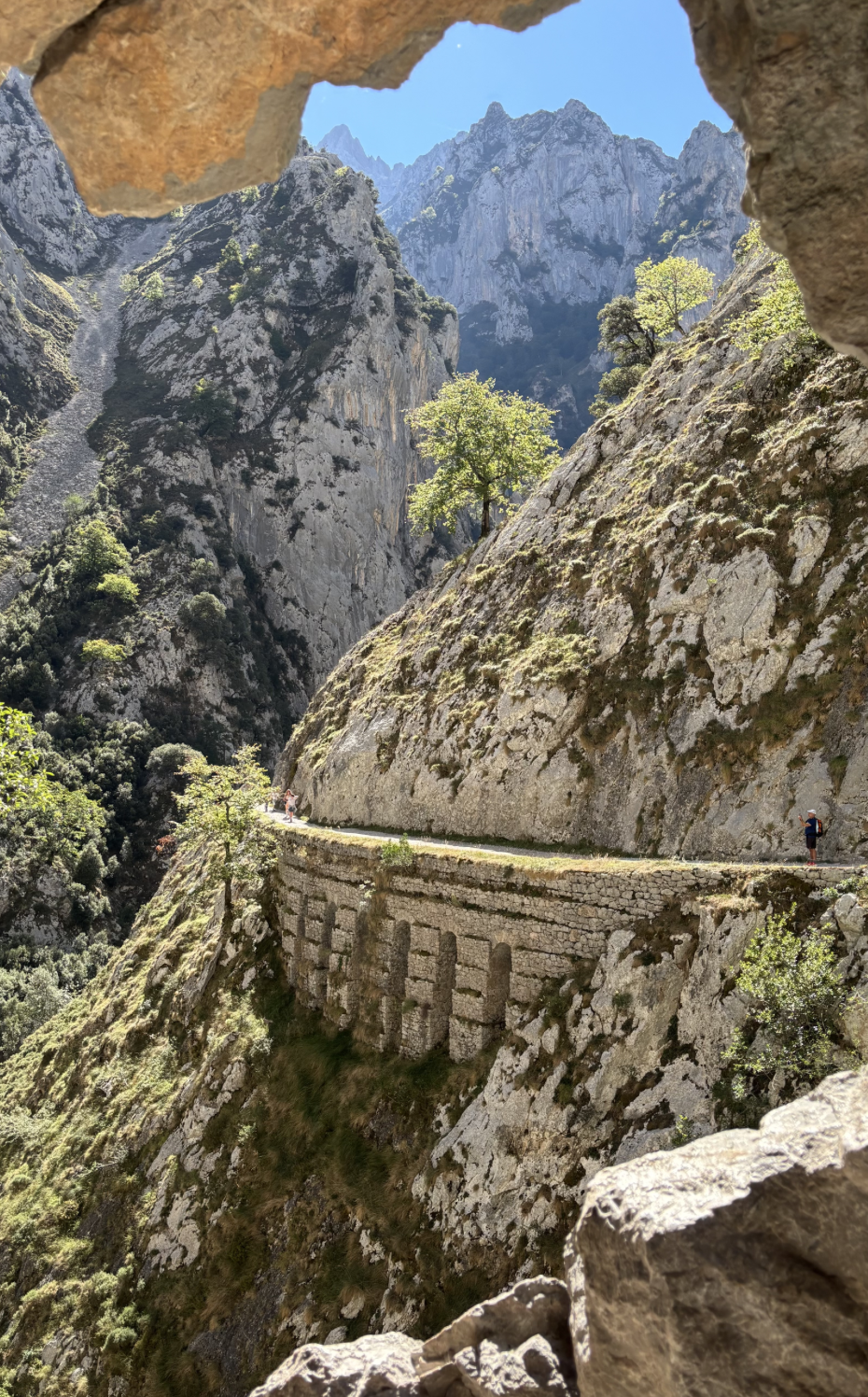
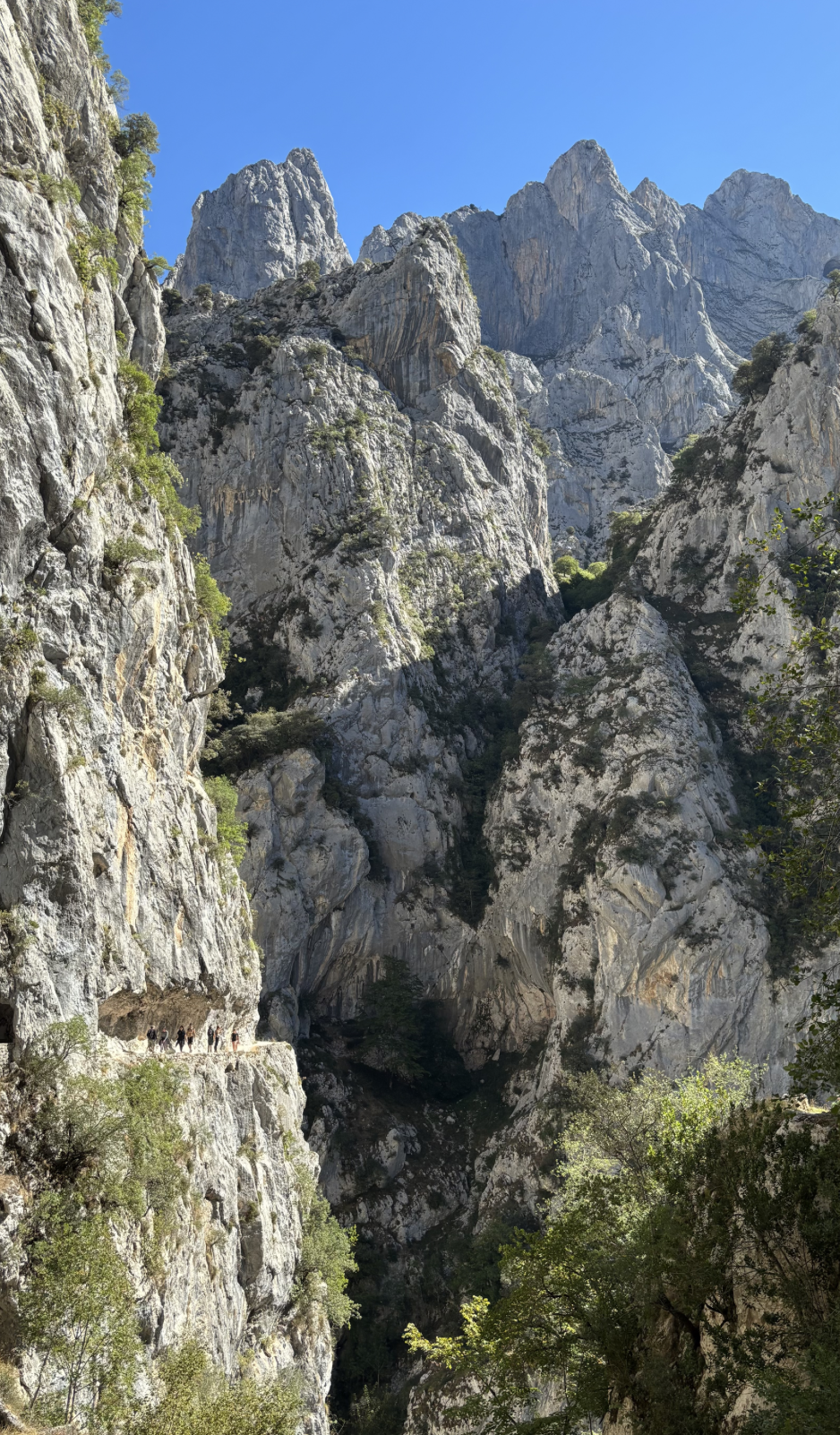
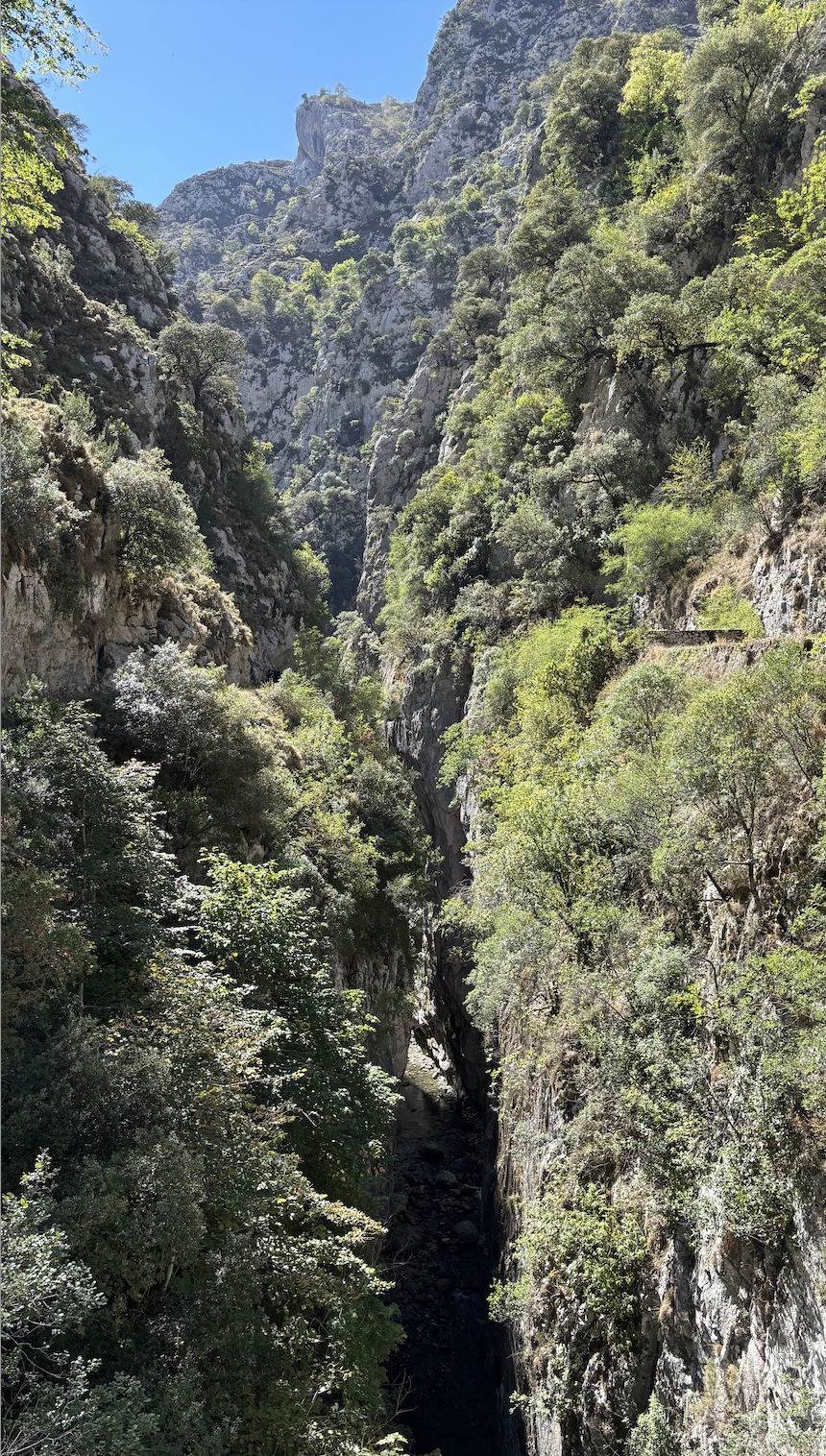
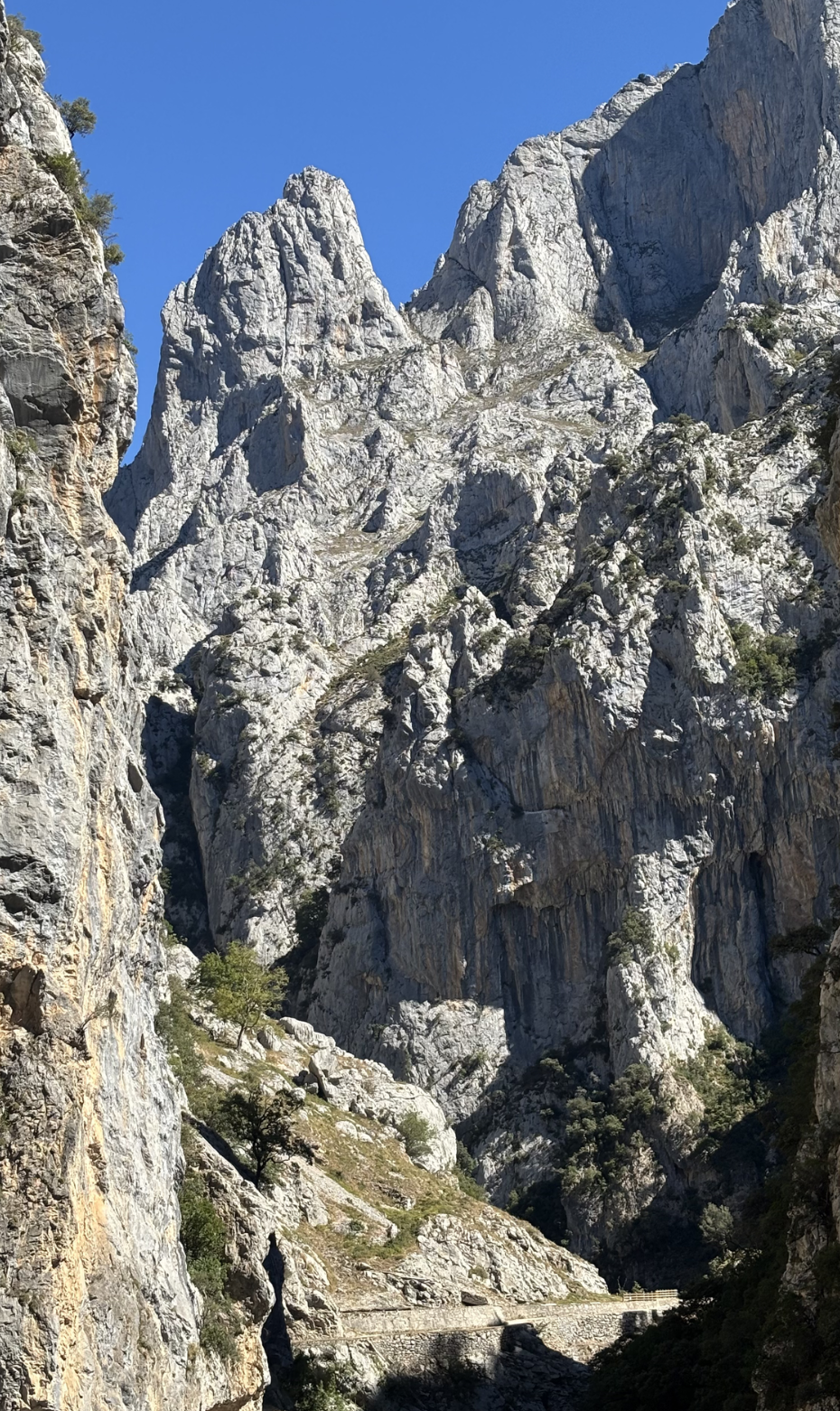
After several days exploring the Asturias coast, I was ready to head into the mountains and spend some time in Picos de Europa National Park. Asturias is known for its breathtaking landscapes, dramatic mountain scenery and lush green valleys, so if you’re an outdoor enthusiast or hiking lover, you won’t want to miss this part of northern Spain. Picos de Europa is one of the best places to experience the natural beauty of Asturias and I just had to experience what is widely regarded as one of the most beautiful hikes in Spain: Ruta del Cares. This 24km out and back hike takes you through the Cares gorge, where you will follow a trail that has been carved into the mountains overlooking the Cares river below. This was without doubt my favourite part of my solo trip to Asturias. It was one of those experiences I didn't want to end because the scenery was simply out of this world. The views are incredible from start to finish, making this one of the most unforgettable hiking experiences in Spain I’ve experienced yet.
If you want to hike the Rural del Cares, there are a few things worth knowing before you set off. The route starts in Poncebos in Asturias and ends in Posada de Valdeón in León or vice versa. I chose to start from Poncebos after parking in nearby Arenas de Cabrales and took a bus short bus ride with Alsa. There is limited parking in Poncebos, so I would advise catching a bus to avoid the struggle of finding a parking spot. As a hiking enthusiast, I would class the Ruta del Cares hike as moderate. Much of the trail is relatively gradual, but the sections near Poncebos can be quite steep and the trail is also rocky underfoot. The distance is the biggest challenge, so a reasonable level of fitness, hiking shoes and plenty of water are essential. Although the route doesn't involve a continuous steep climb, it's still a long day out in the mountains exposed to the sun and elements, so don't underestimate what this hike entails.
If you don't want to walk the entire distance out and back, you can arrange transport back from the other end via local taxis. I'd strongly recommend booking a taxi in advance, especially during peak season. I'd read reports of hikers waiting for hours to find an available taxi in summer, and the last thing you want after a long hike is to be stranded at the other end. Overall the route took me around 6 hours, but I suspect that was because I kept stopping to take so many photos and soak up the experience. I would say allow a full day to enjoy the Ruta del Cares if you plan to do the full 24km out and back.
I decided to base myself in Arenas de Cabrales for the rest of my time in Asturias. This is a great spot if you want to complete a number of hikes and explore more of the Picos de Europa National Park.
Where I stayed in Arenas de Cabrales: Hotel Los Ángeles
Day 5: bulnes and ARENA DE CABRALES
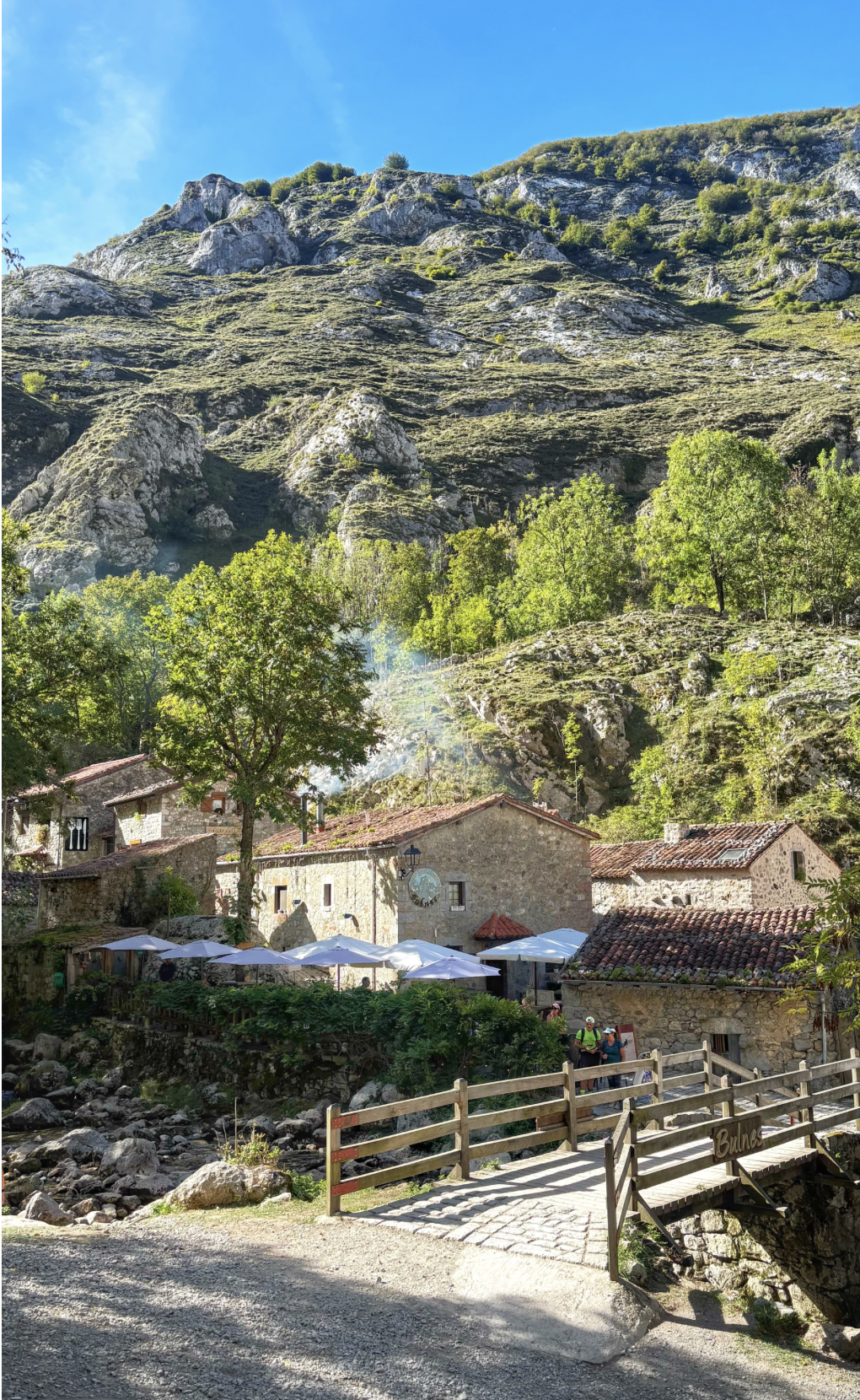
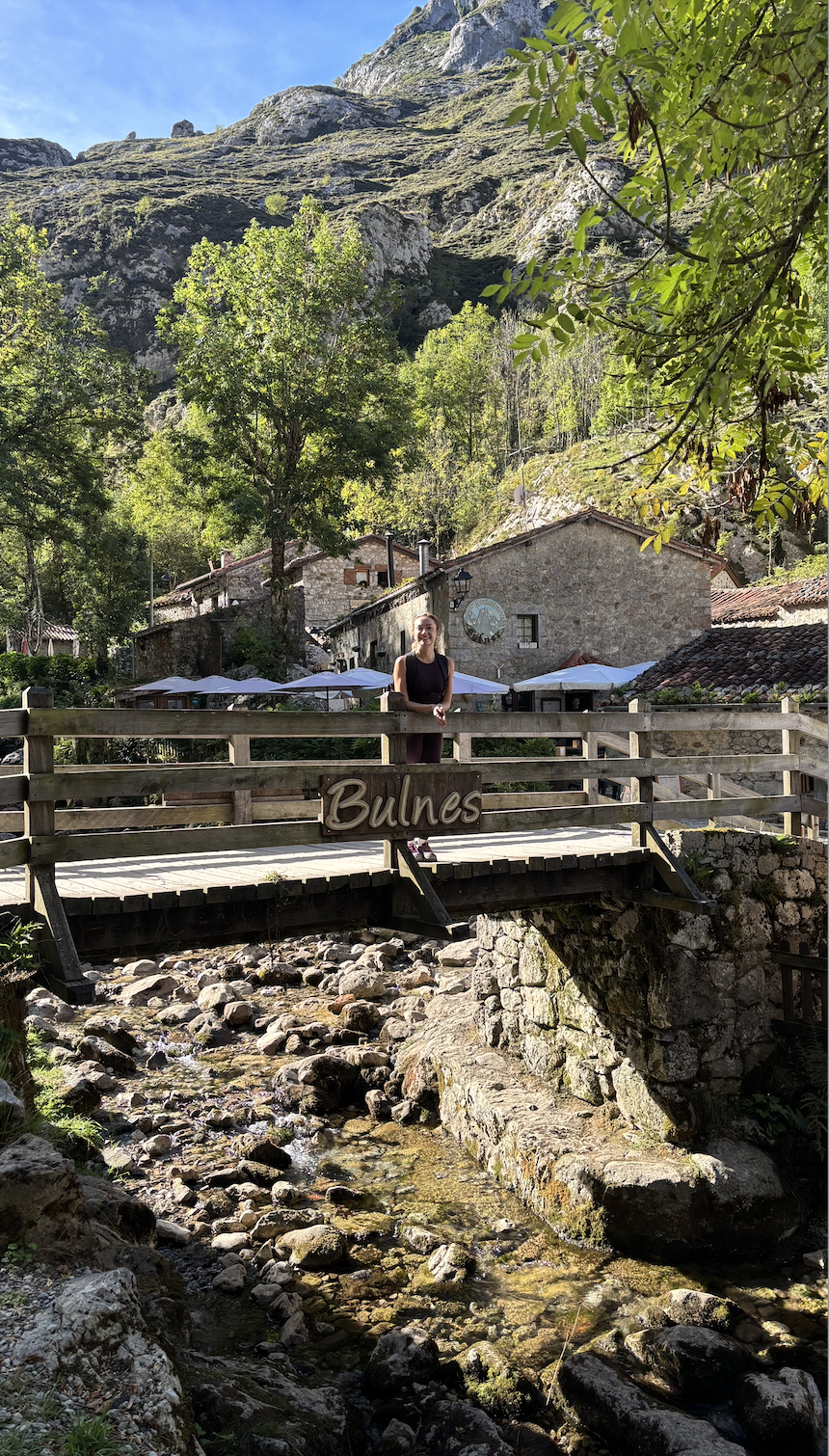
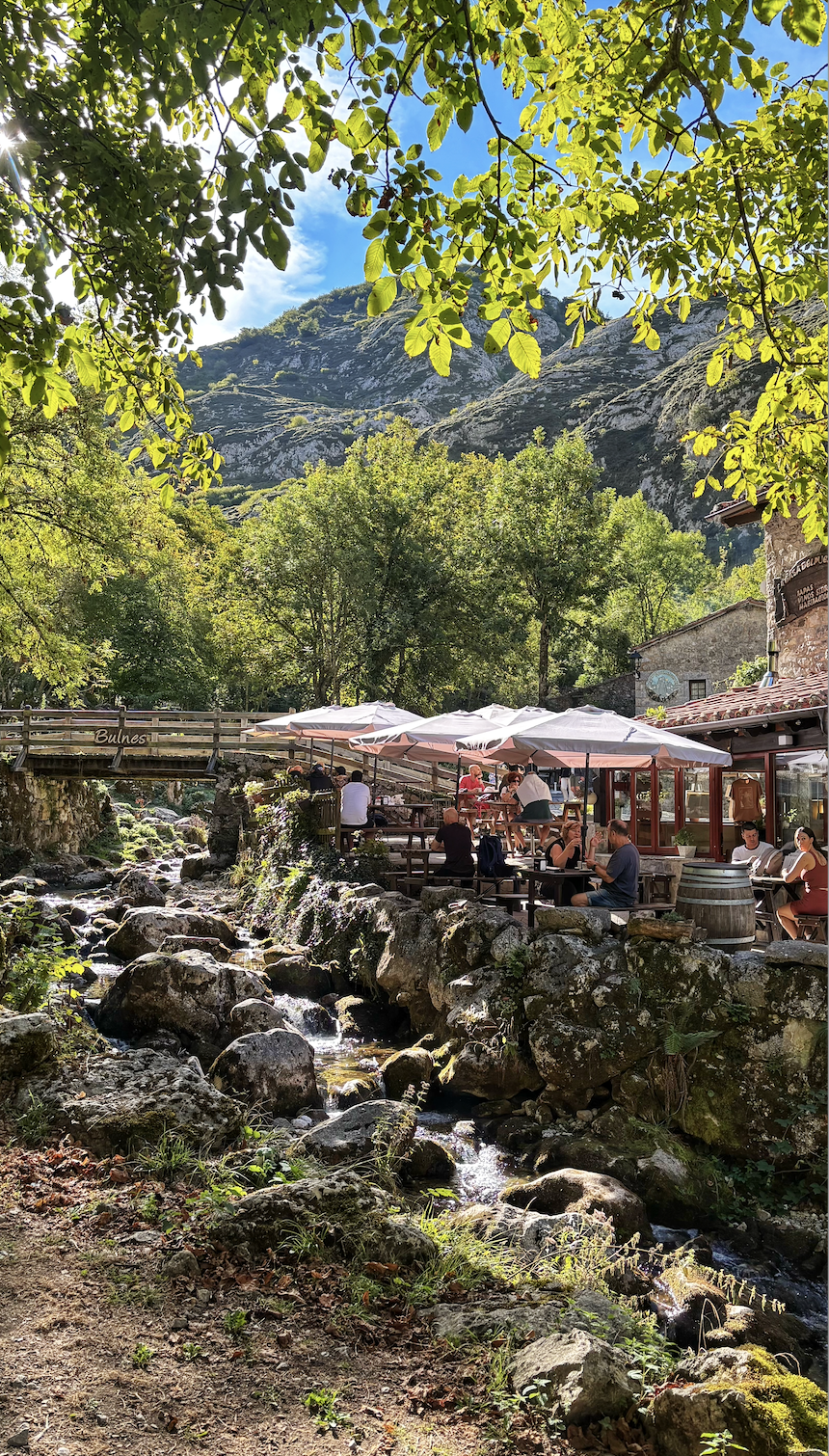
For my penultimate day in Asturias, I decided to visit one of Asturias more remote locations. Bulnes is a pretty mountain village located in the Picos de Europa, which you can only reach on foot via a mountain hiking trail or by taking the funicular railway. Fun fact: until the funicular opened in 2001, residents and visitors had to make the journey on foot, making Bulnes one of Spain’s most isolated mountain villages. Do many people live in Bulnes? In 2021 Bulnes had only 27 inhabitants and most of them did not live there throughout the year. The village was originally established by shepards but when the funicular was introduced in 2001, tourism drastically increased resulting in more cafes, restaurants and holiday stays in Bulnes.
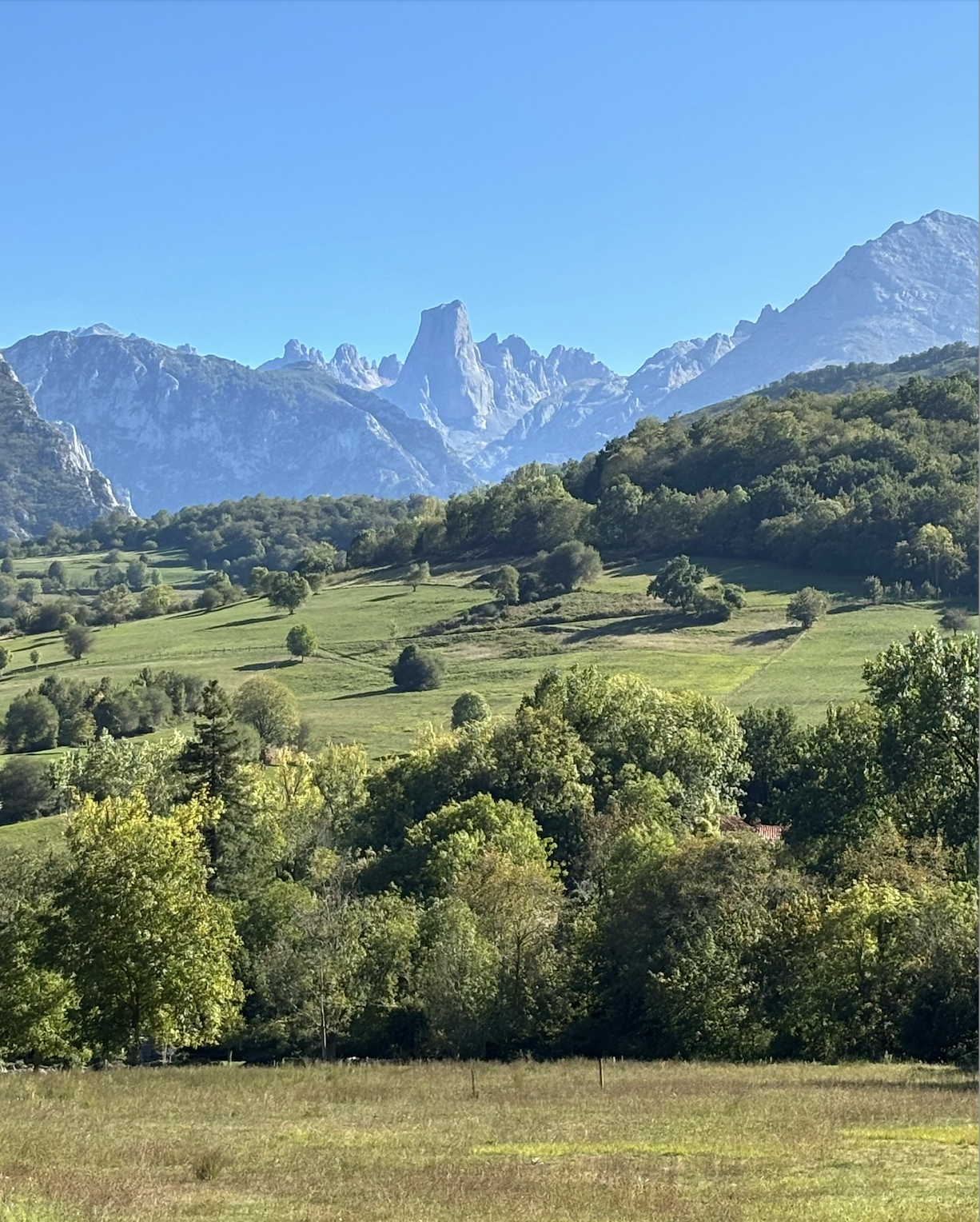
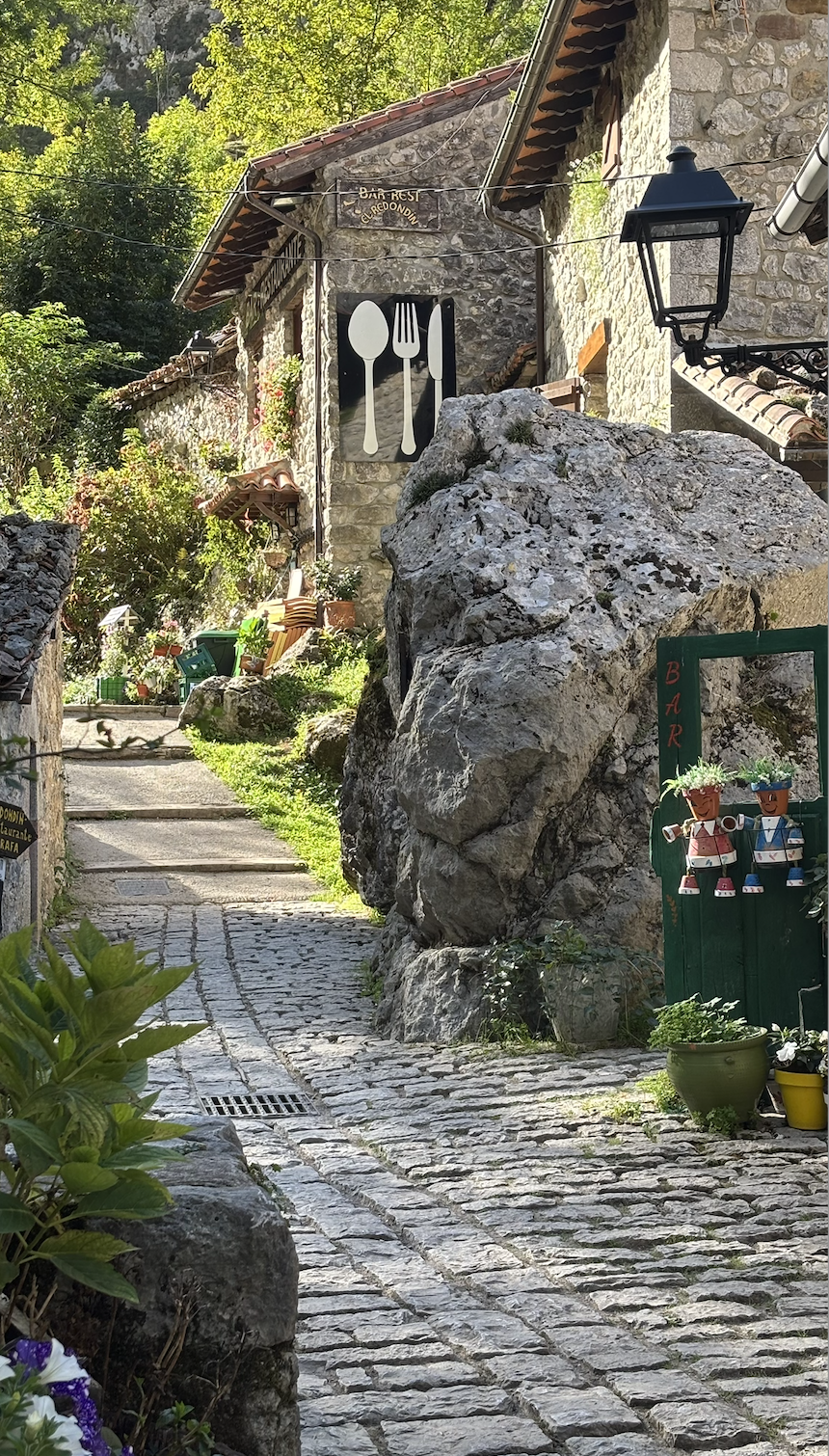
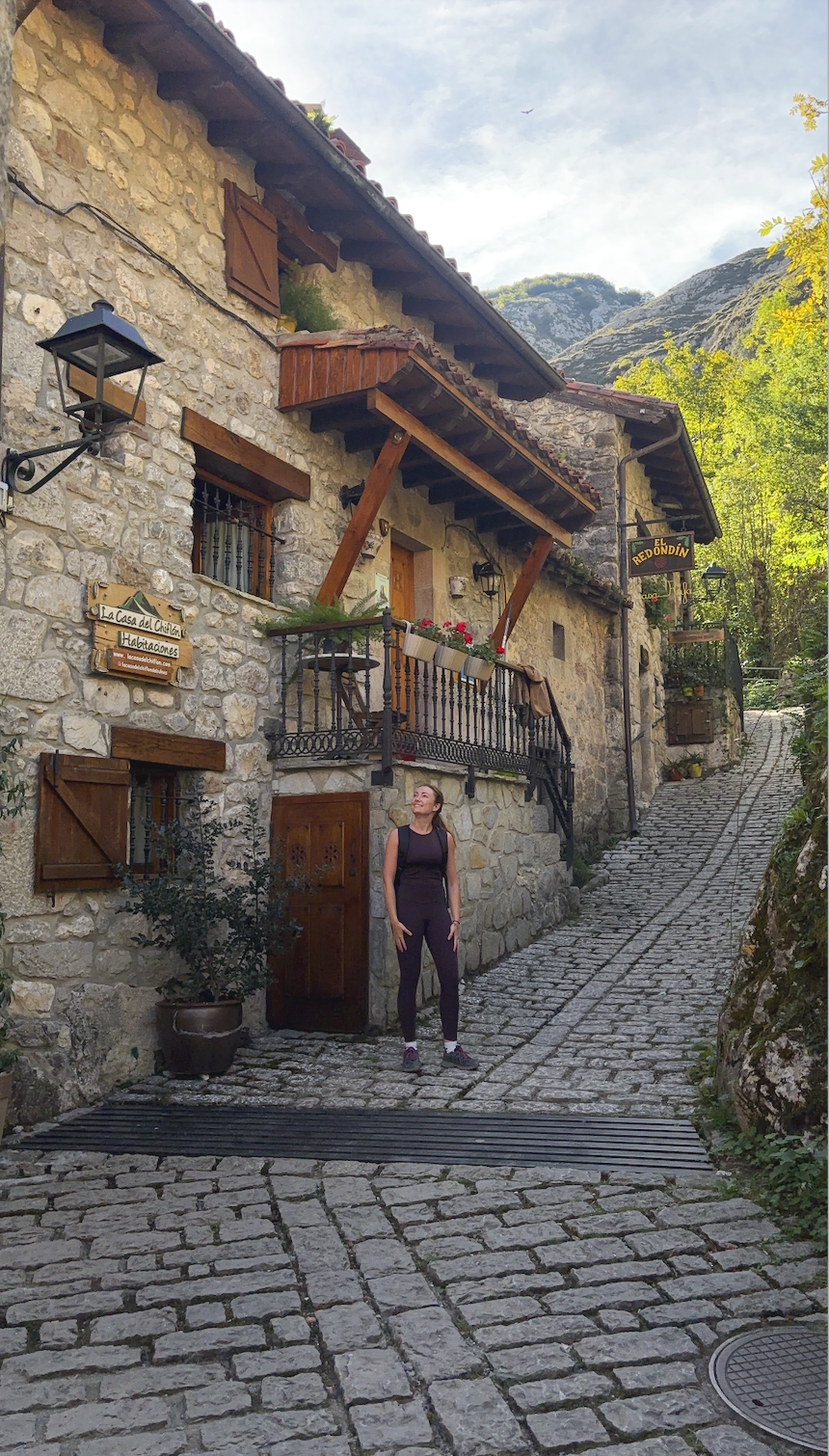
Bulnes is a wonderful place to experience a quieter side of Asturias, far removed from the busier coastal towns and tourist hotspots. The village is split into two parts: ‘Bulnes de Abajo’ or Lower Bulnes and ‘Bulnes de Arriba’ or Upper Bulnes. The lower part of the village is home to a tiny chapel along with a few cafes and spots to enjoy a bite to eat and several stone houses. The upper part of the village is home to more older houses. Whilst your in Bulnes I recommend walking 10 minutes up from the lower side to the Picu Urriellu viewpoint, also known as the Naranjo de Bulnes viewpoint, one of the most iconic panoramic views of the Picos de Europa.
I decided to hike to Bulnes as the funicular is quite expensive (17 euros one way, 22 euros return ticket September 2026), which is a 7.4km route along the Canal del Texu. Whilst the hike is short and it only took me around 1 hour 30 minutes, it is challenging and requires a good level of fitness. The route goes up a narrow, steep gorge starting from Poncebos over the La Jaya bridge, before zig zagging your way up through the mountains. Even though the hike is challenging, it was worth it as the views along the route are incredible.
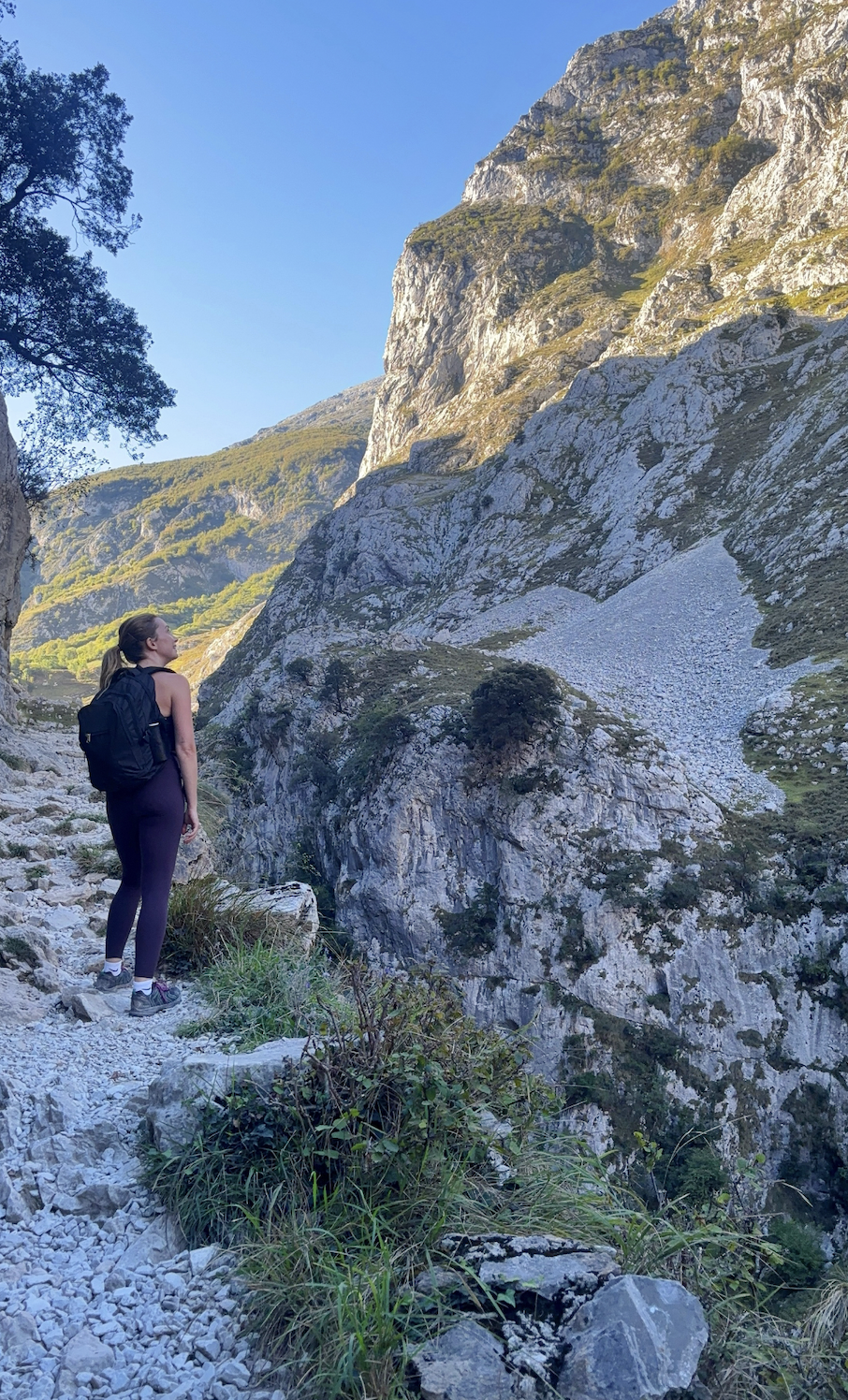
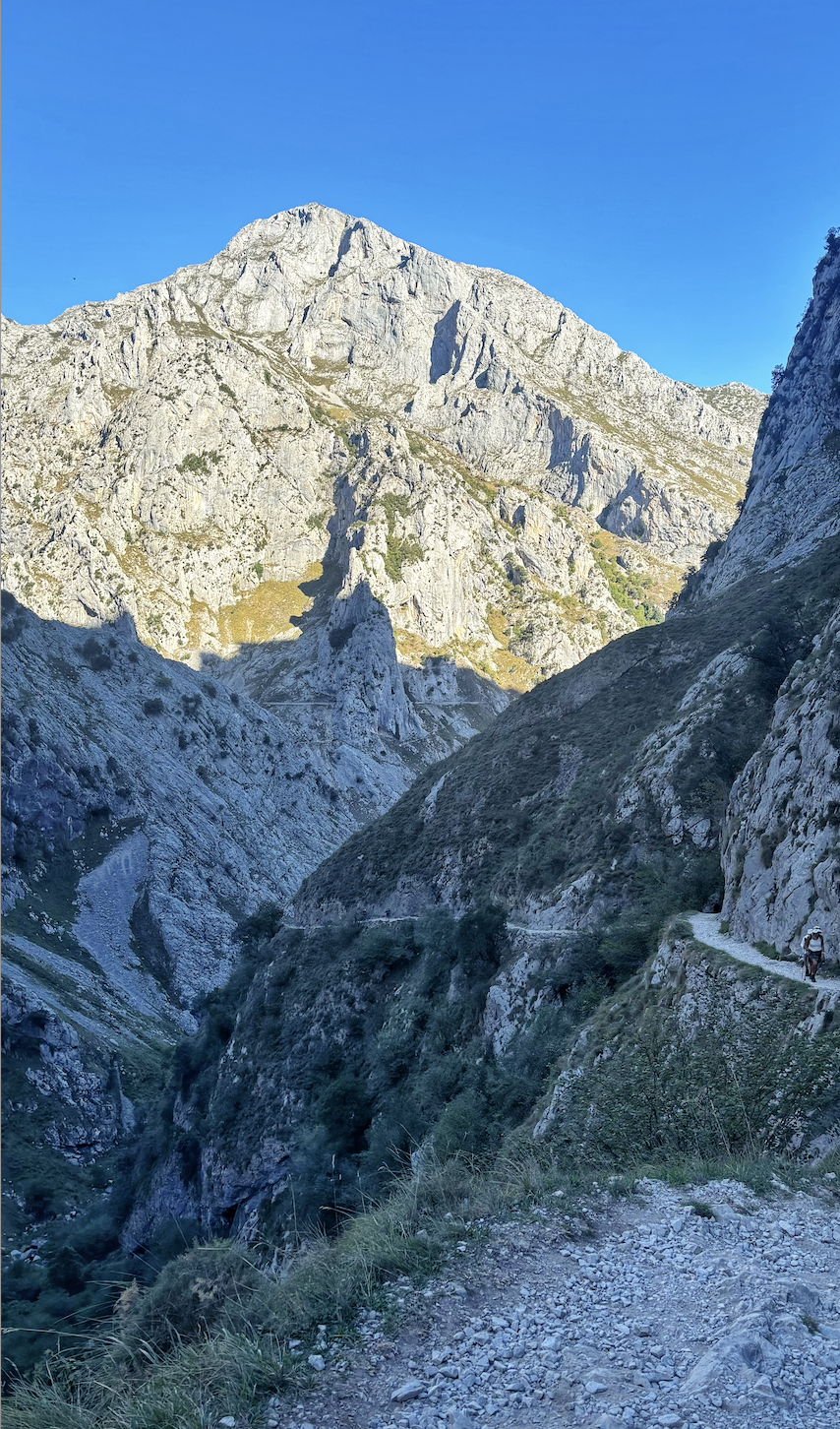
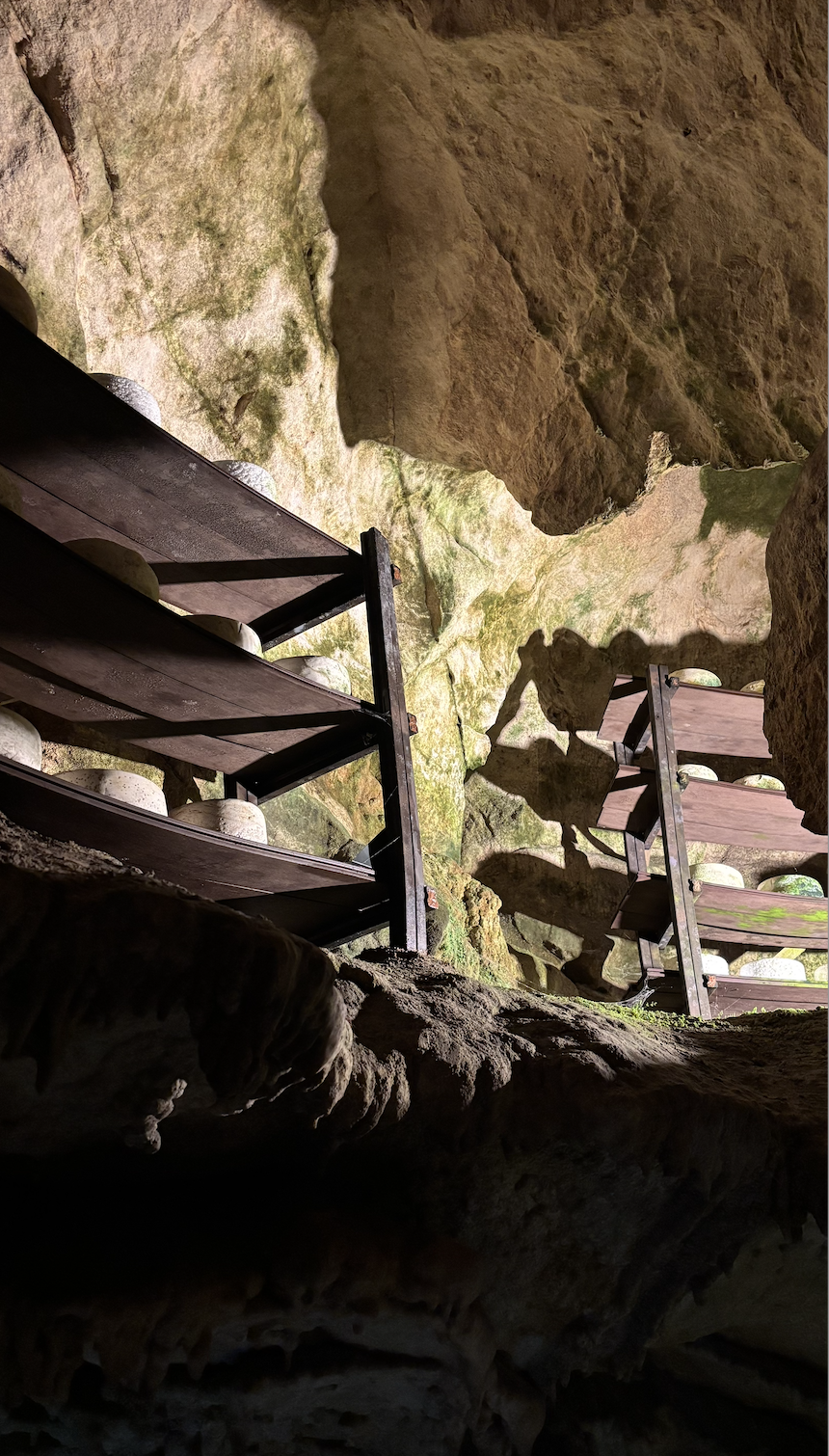
After completing my visit to Bulnes, I decided to have a brief rest in my hotel before spending time exploring more of Arenas de Cabrales. Famous for its Cabrales cheese, you can actually visit a cave and learn all about how the cheese is made here. The Cueva del Queso Cabrales offers a unique insight into the history and production of their world famous cheese, which is left to ferment inside the caves here as part of it production. You can book a guided tour which offers an English audio guide with an app and see the cave for yourself. And yes, you can sample some cheese at the end of the tour! The town of Arena de Cabrales is small, but really nice to enjoy a spot of shopping for a souvenir or a bite to eat at the many bars and restaurants here.
Day 6: cOVADONGA AND cangas de Onis
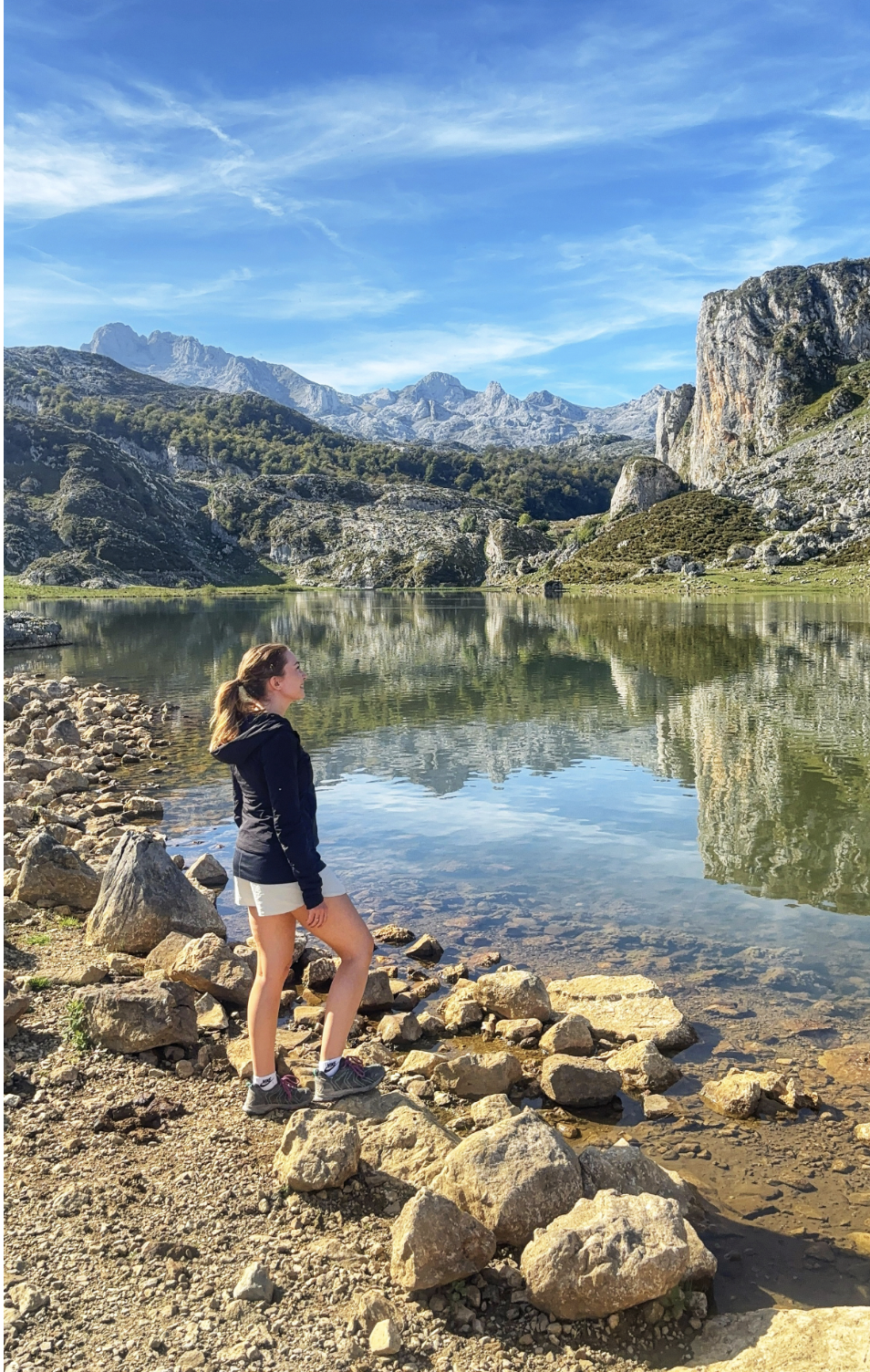
For my final day in Asturias, I decided to visit one of Spain’s most significant historical sites: Covadonga. Before visiting the main town, I ventured out to another of Asturias natural wonders, Lagos de Covadonga. Located within Picos de Europa National Park, these stunning glacial lakes are surrounded by dramatic mountain landscapes and is widely regarded as one of the most beautiful places to visit in Asturias. There are three lakes in total, connected by an easy, well marked circular walking route around 3 to 5 km. I would allow yourself at least 3 hours exploring here to enjoy taking in the scenery and to give yourself enough time to see all three lakes. Here you will also find traces of old mines and you can actually walk through some old mining tunnels too. During peak season access to the lakes of Covadonga is only possible via park and ride, so you will need to pre-book a ticket via Alsa. There are five designated parking areas to choose from and if you are travelling Asturias with a car, I would recommend parking in P5 so you have time to explore the village of Covadonga after. I would recommend arriving early ahead of your buses time slot to guarantee yourself a parking space. If you don’t have a car, I recommend booking a guided day tour with GetYourGuide.
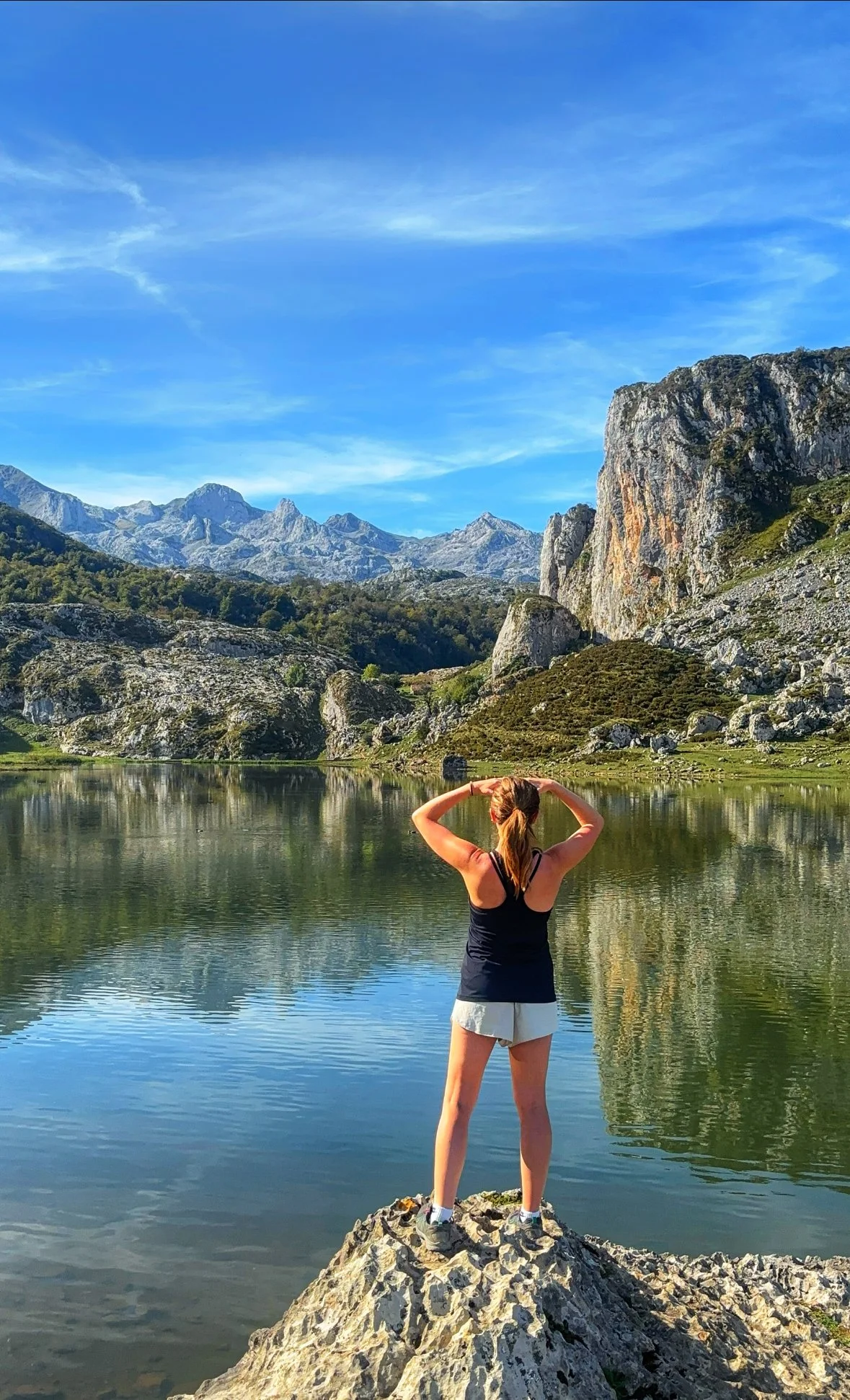
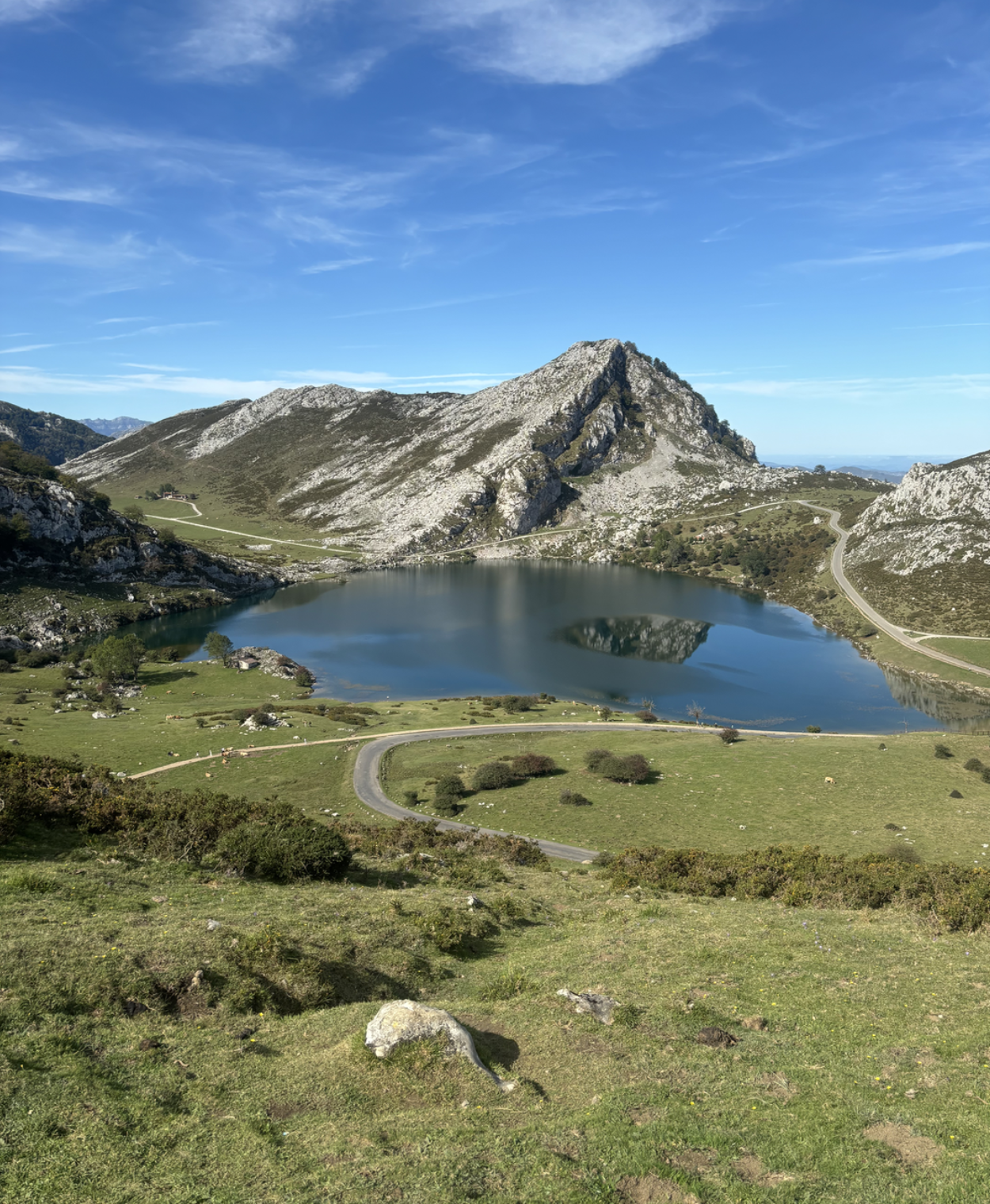
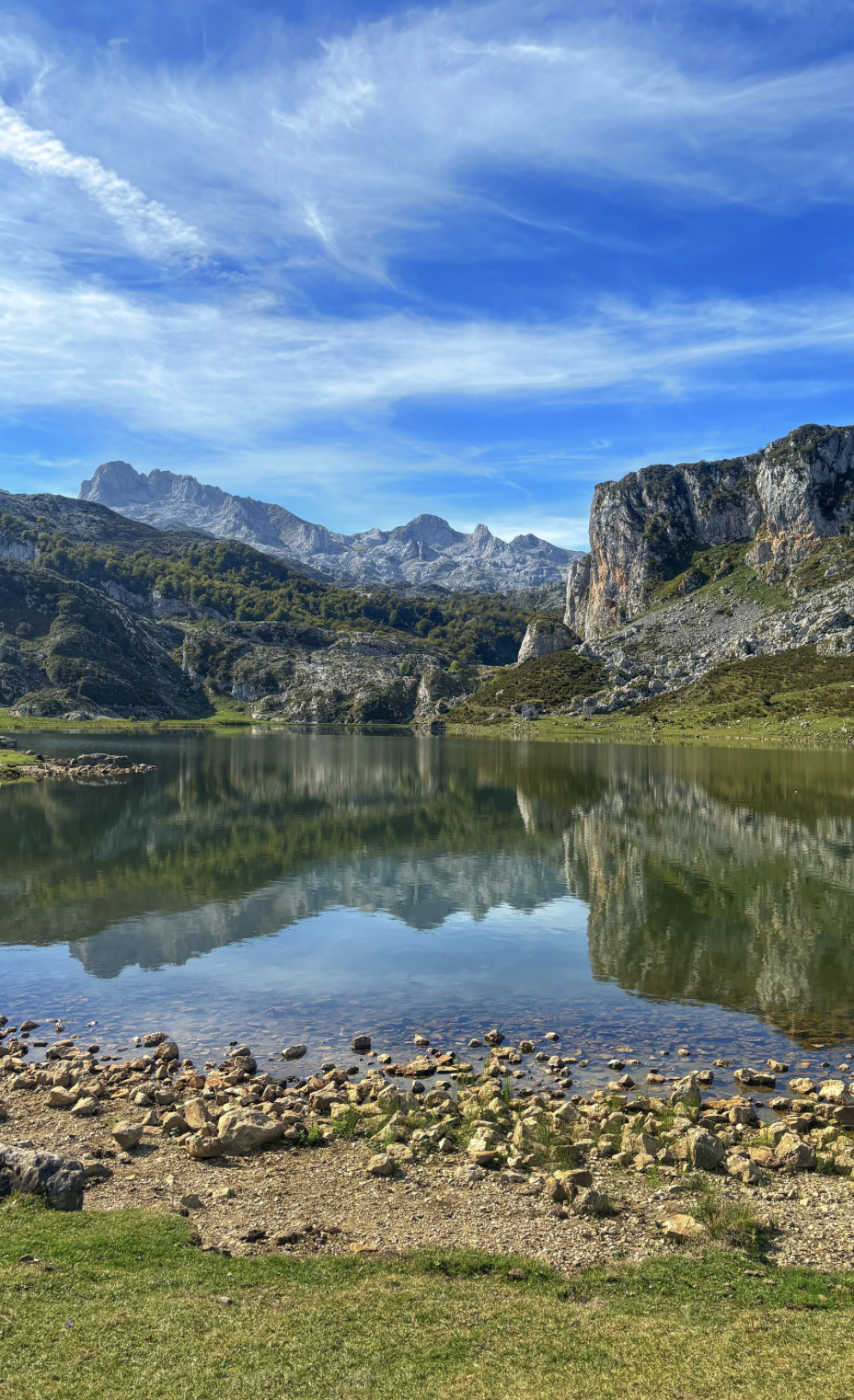
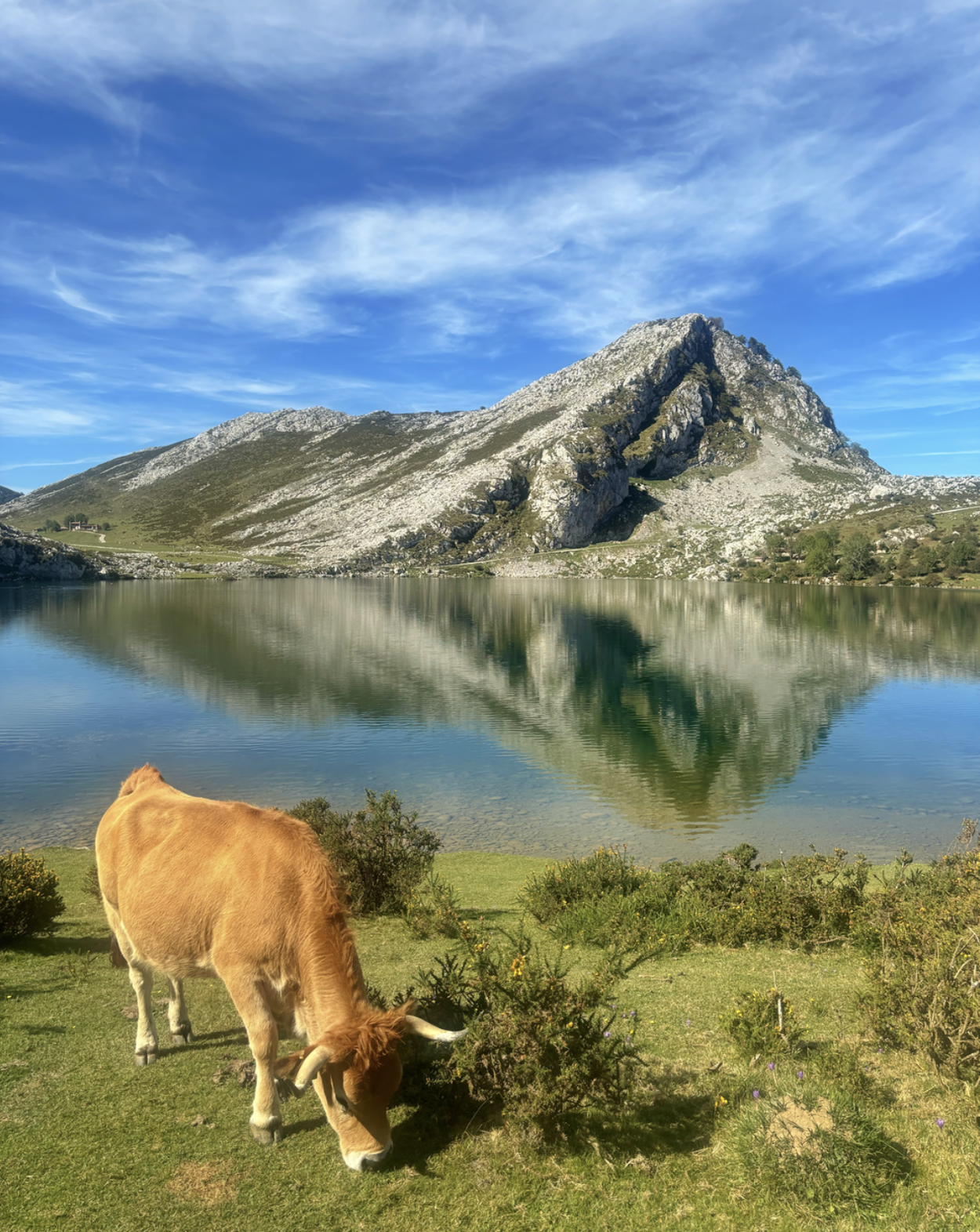
After returning via bus from Lagos de Covadonga, I spent an hour exploring Covadonga itself. Nestled in the foothills of the Picos de Europa National Park, Covadonga is famous for its impressive basilica, sacred cave and fascinating role in Spanish history. The Battle of Covadonga in 722 AD is regarded as the birthplace of the Reconquista of Spain, after Don Pelayo led charge against the Moors and later established the entire Asturias kingdom. If you have time, you can learn more about the history at the Museum of Covadonga.
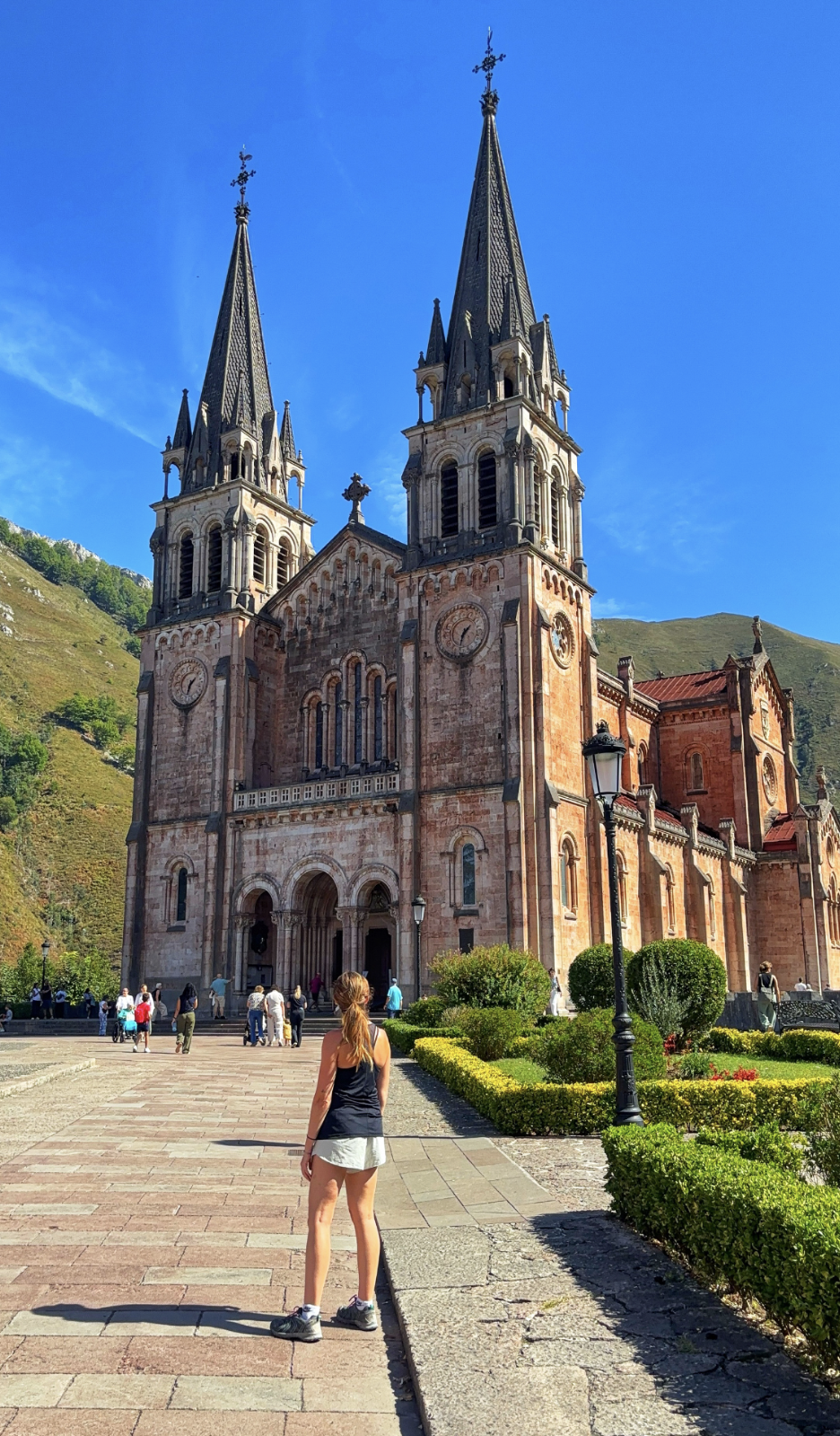
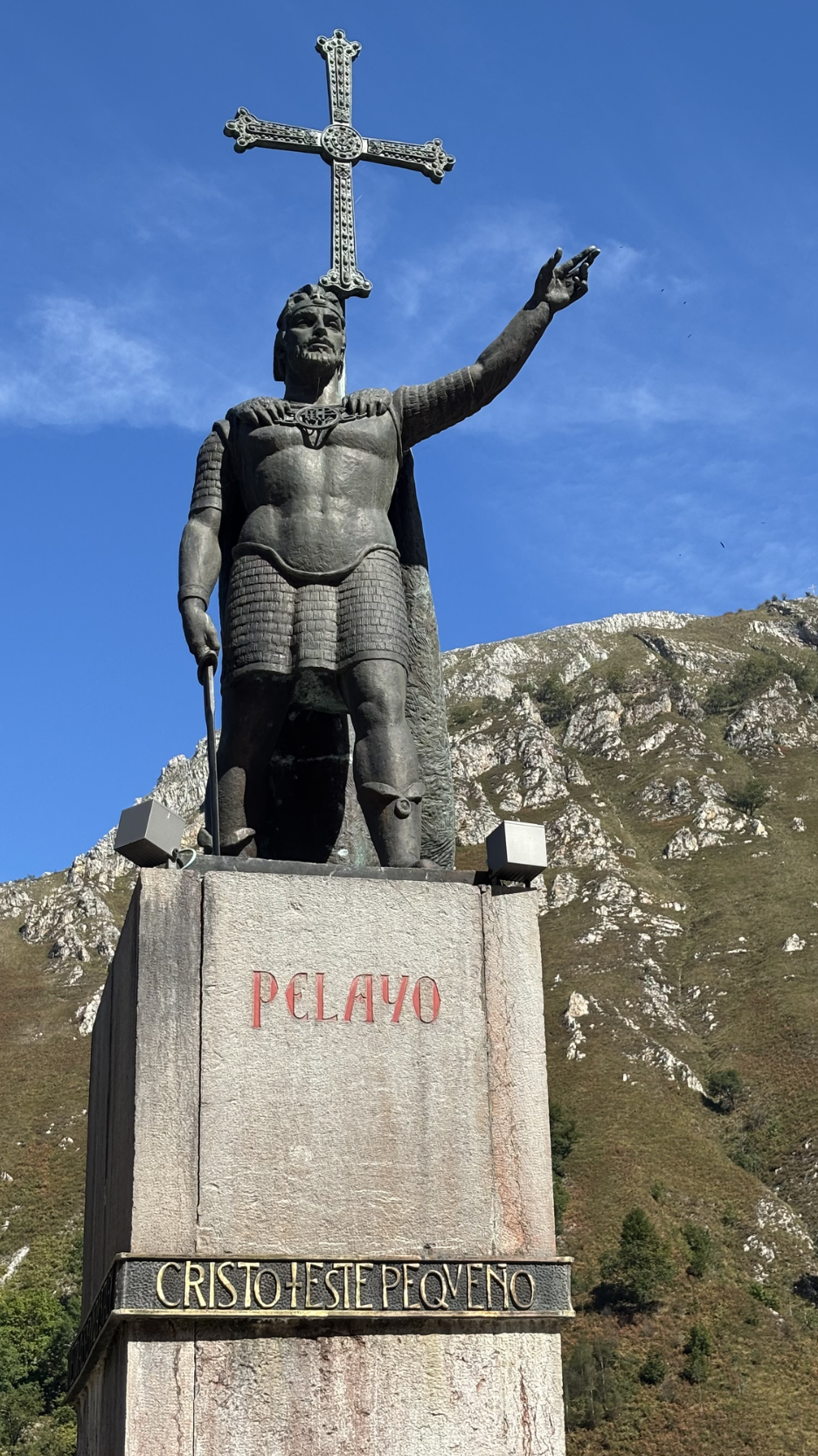
As you walk towards Covadonga from the bus stop, you will soon be met with the impressive Holy Cave of Covadonga, where a tiny chapel sits inside a cave sat above an emerald pool. It is quite extraordinary to behold and you can also step inside the chapel to see the the Virgin of Covadonga by making your way up around 100 steps. After visiting the Holy Cave of Covadonga, you can make your way towards the impressive Basilica of Santa María la Real de Covadonga, by following a passage through a rocky tunnel. Emerging from the tunnel, you'll find yourself greeted by the striking pink limestone façade of the basilica, surrounded by the lush green mountains of the Picos de Europa. Built in a beautiful neo-Romanesque style, the basilica is one of the most recognisable landmarks in Asturias. Outside you will find a statue of Don Pelayo along with beautiful gardens. Be sure to walk all the way around the Basilica before taking your chance to step inside.
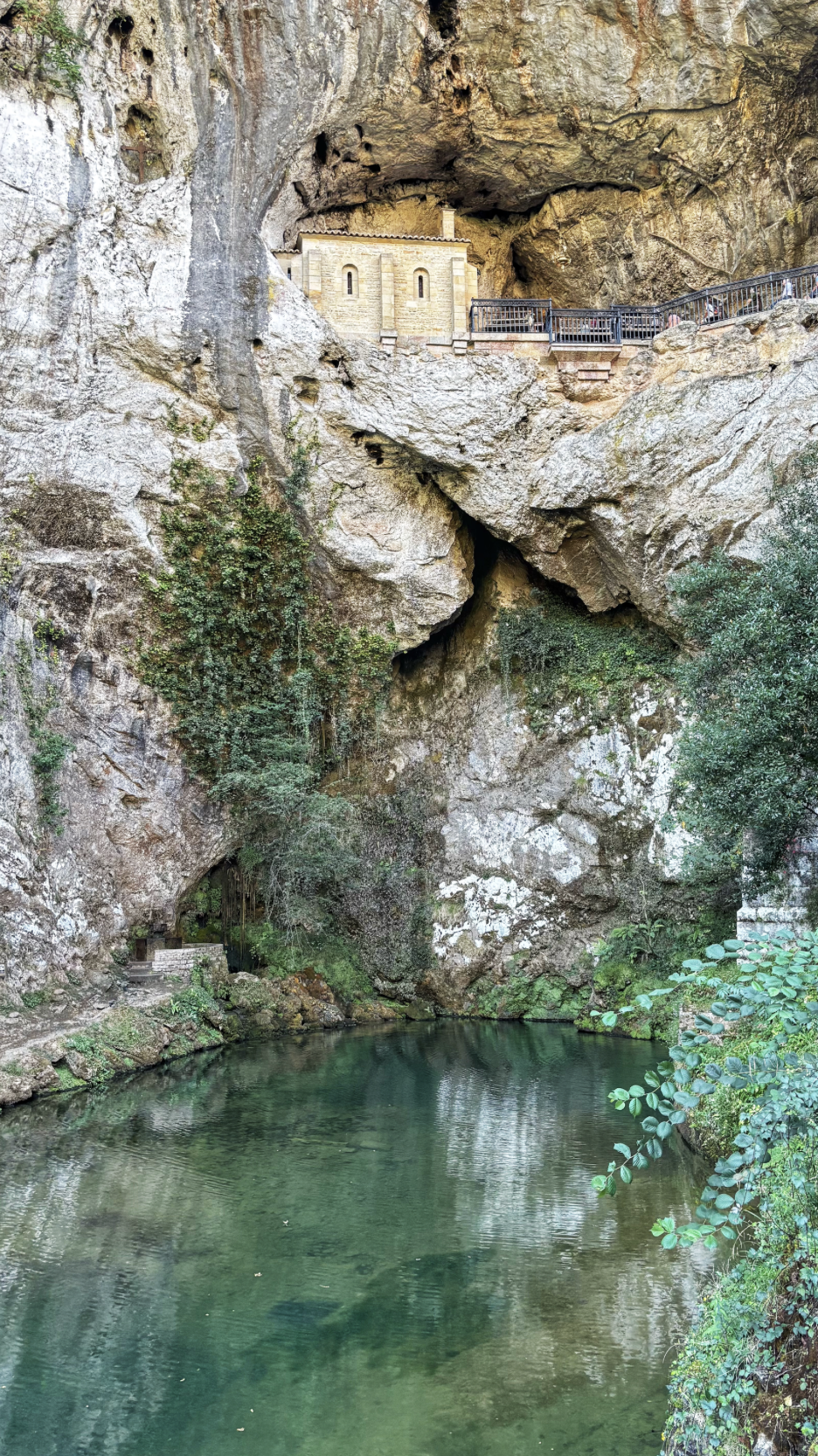
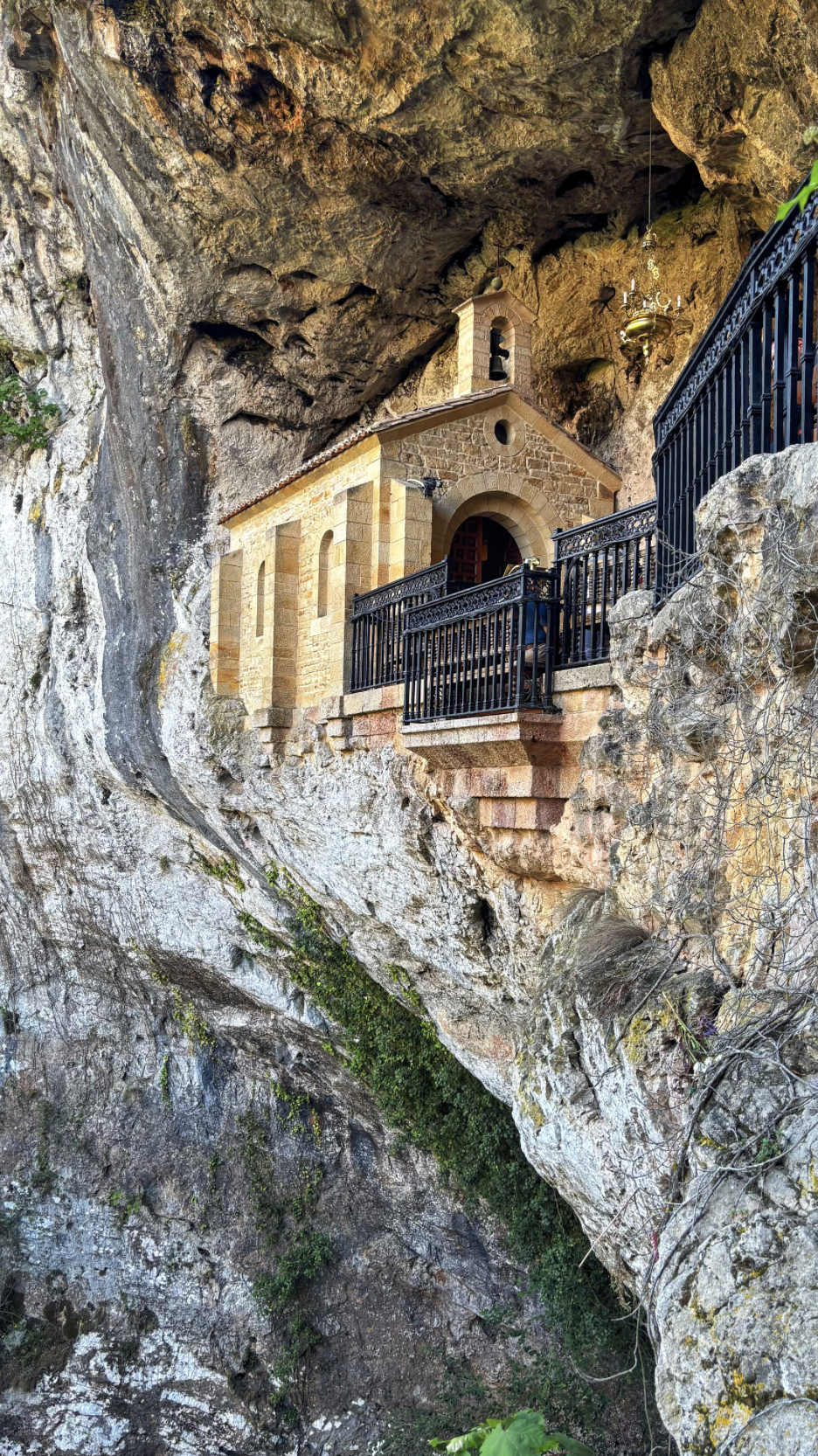
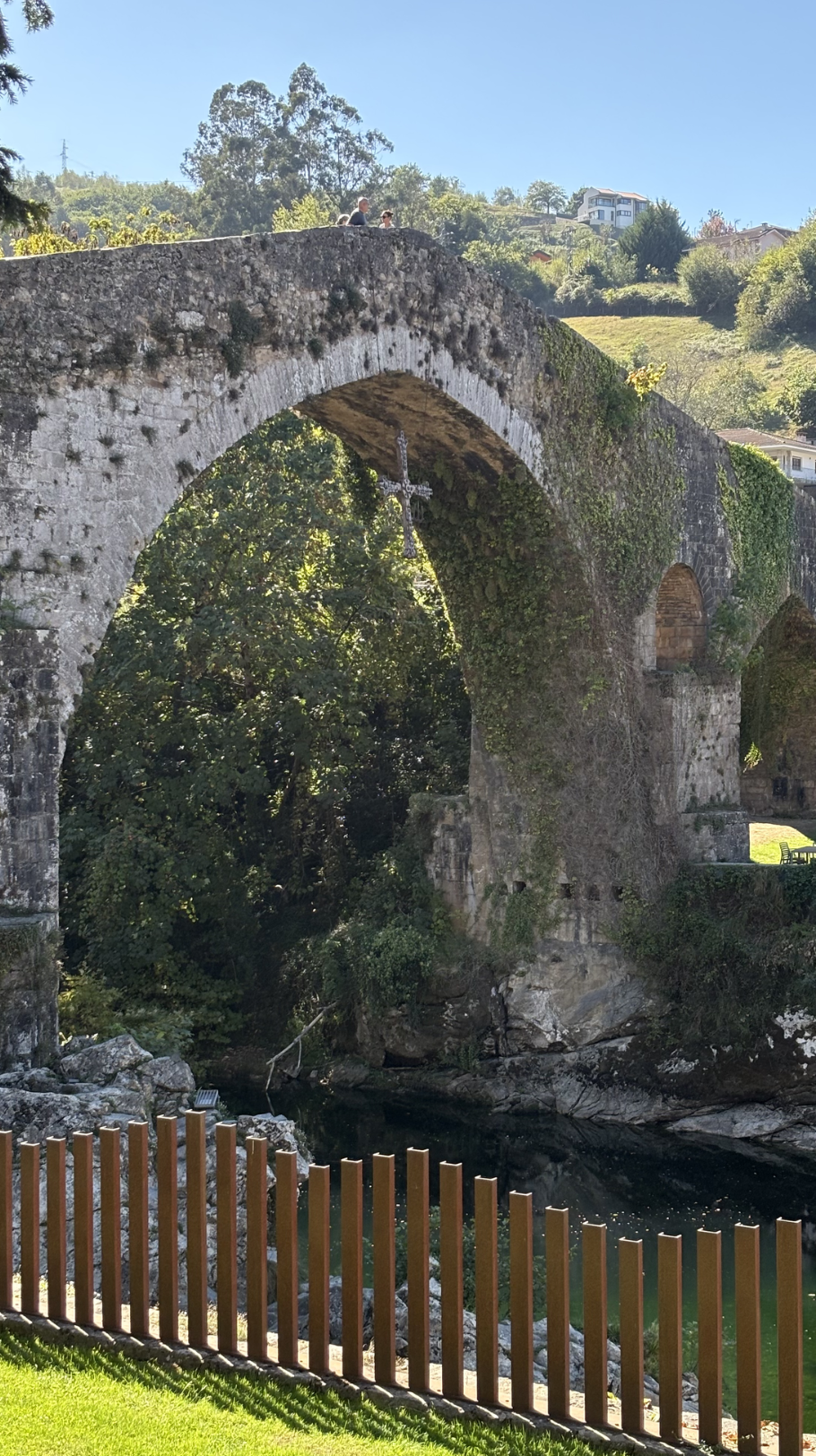
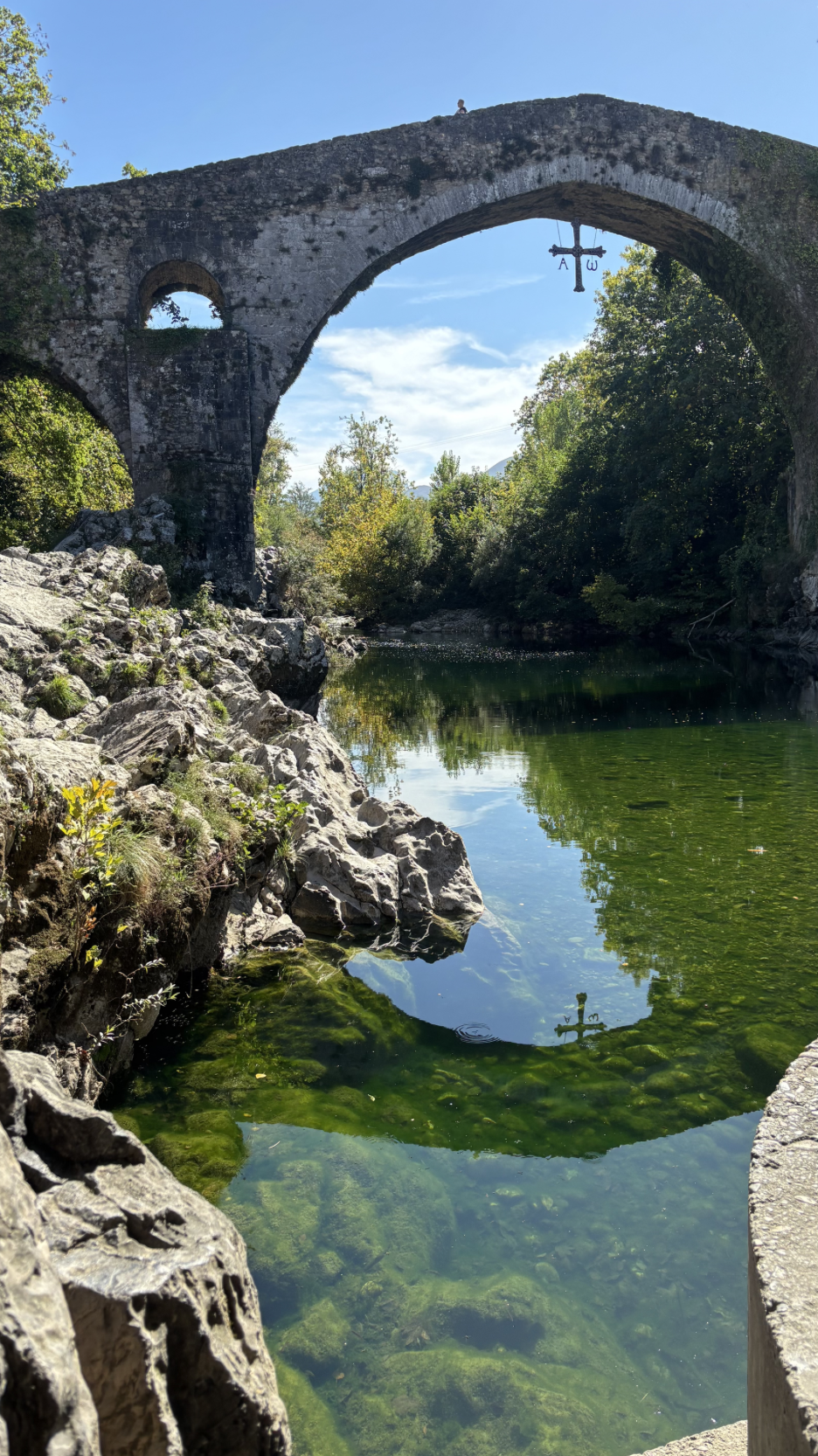
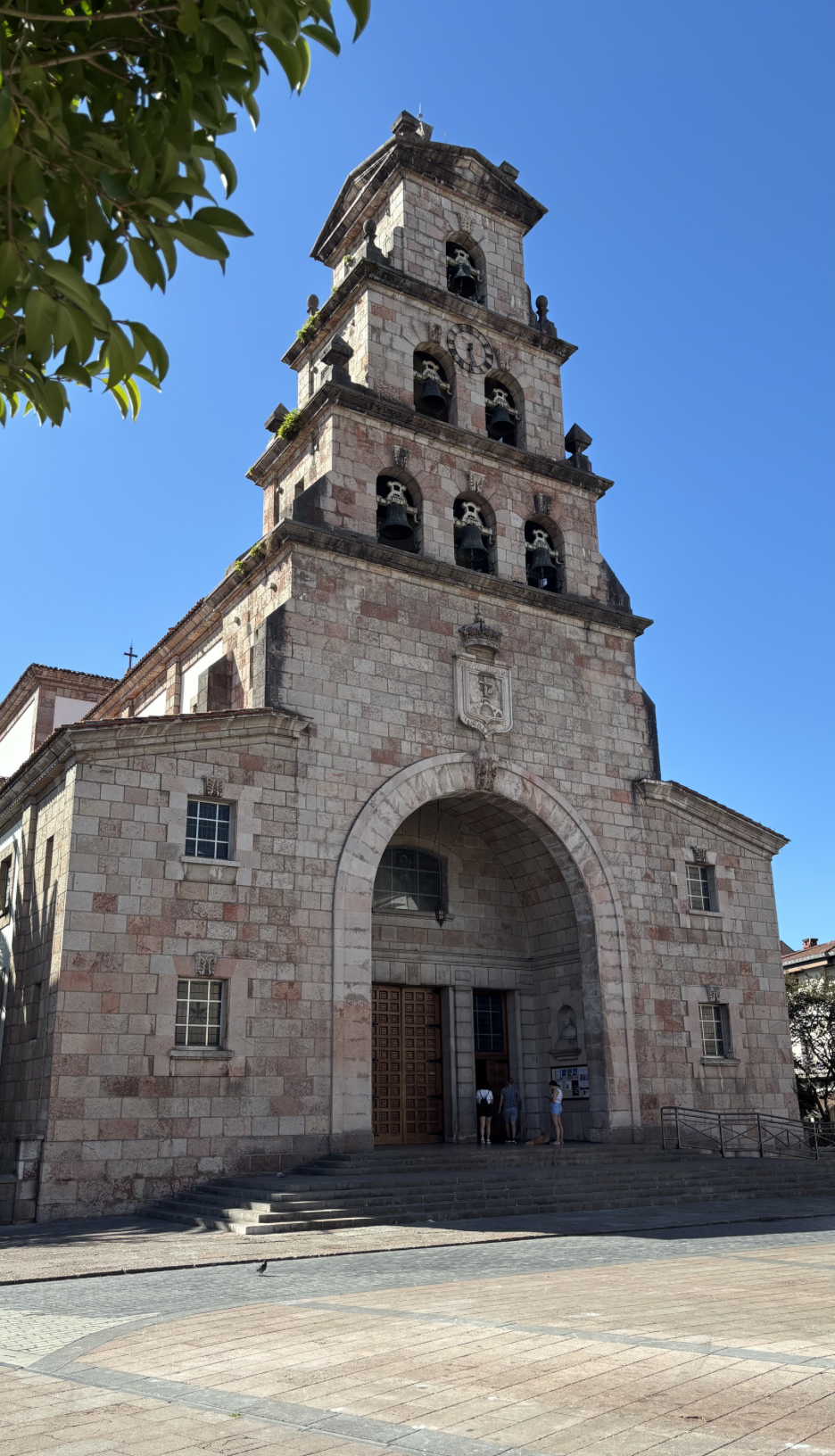
I decided to spend my afternoon exploring the nearby mountain town of Cangas de Onís, best known for its iconic bridge. I parked just outside the towns bus station and headed into the historic centre. I really enjoyed aimlessly strolling through the streets and plazas of Cangas de Onís, where you find plenty of independent shops, cafes and restaurants. There are a few must see sites including Nuestra Señora de la Asunción Church, Hermitage of the Holy Cross chapel built on the site of an ancient dolmen and of course, the Roman Bridge. Interestingly the bridge isn’t Roman at all, but medieval dating back to 14th century and is so striking in its appearance. The bridge features a large Cross of Victory that hangs from the central arch, an undisputed symbol of Asturias. You can in fact walk over this medieval bridge and take in the views of the Sella River and spectacular mountain scenery.
If you want to enjoy a bite to eat in Cangas de Onís, I highly recommend La Joguera which serves traditional Asturian dishes. If you visit Cangas de Onís on a Sunday, you can enjoy their popular weekly market which sells traditional fresh local produce.
Thank you for reading my guide to visiting Asturias in Spain. I hope it has given you plenty of ideas and inspiration for planning your own trip there. If you have any questions please send me a message or reach out to me on Instagram.


Planning a trip to Asturias in the north of Spain? This guide covers the best places to visit in Asturias, from the coastal villages of Cudillero, Llanes and Ribadesella, to the dramatic mountain landscapes of Picos de Europa. Discover where to stay, how to get around Asturias, what to eat and my tips for planning the perfect trip to Asturias.