
A guide to visiting Mallorca, Spain
Crystal clear waters, breathtaking mountain views, white sand beaches and picture perfect towns await you on the Balearic island of Mallorca. Whether you're looking for an active adventure, relaxing beach days or a mix of both, I believe a trip to Mallorca offers something for everyone. I'll admit I used to think that the island was little more than a party destination. But after a solo trip to Mallorca for my birthday, I'm happy to admit I was completely wrong. Mallorca is a place that I regret not visiting sooner and would have no hesitation in visiting again and again.
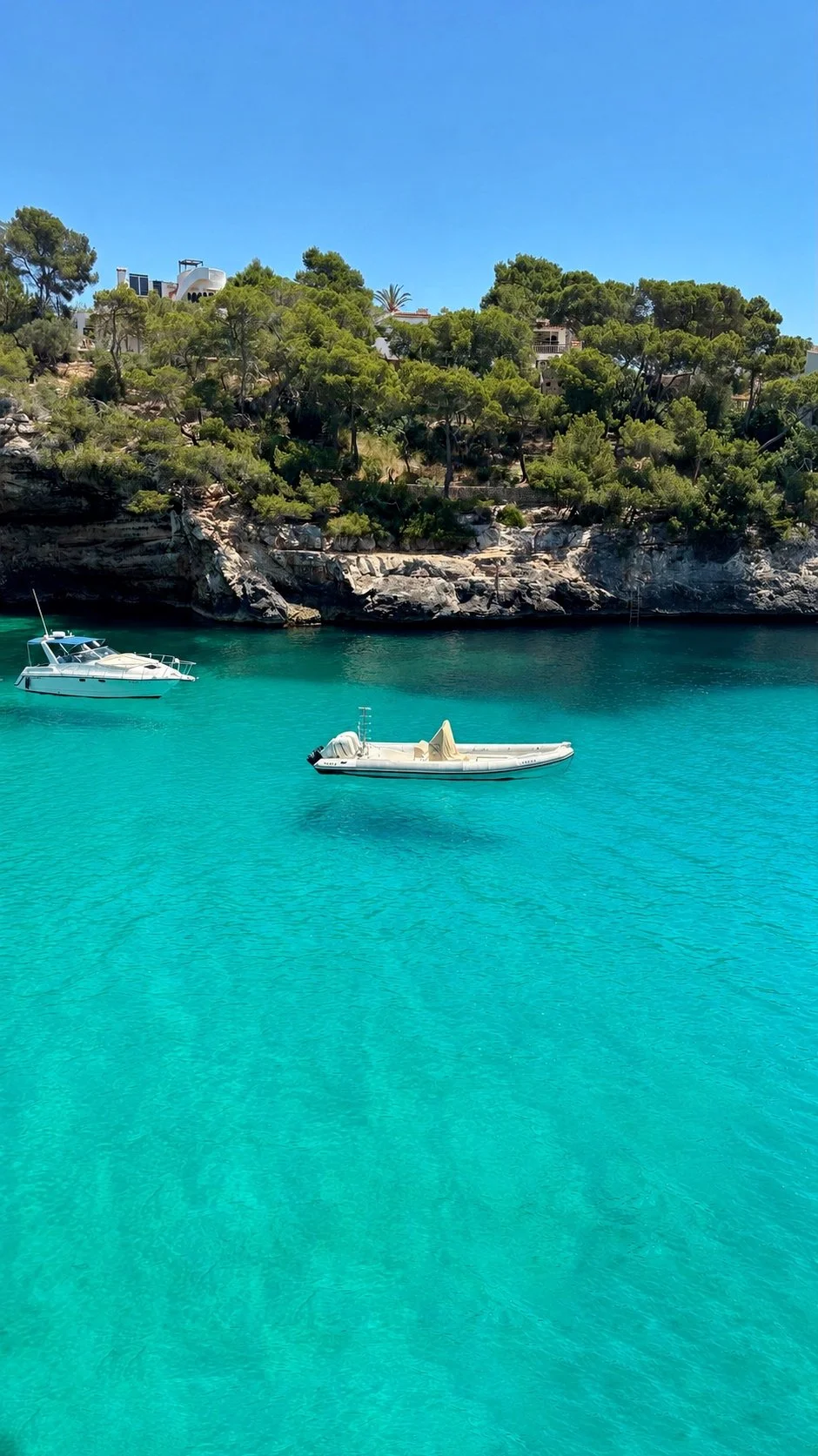
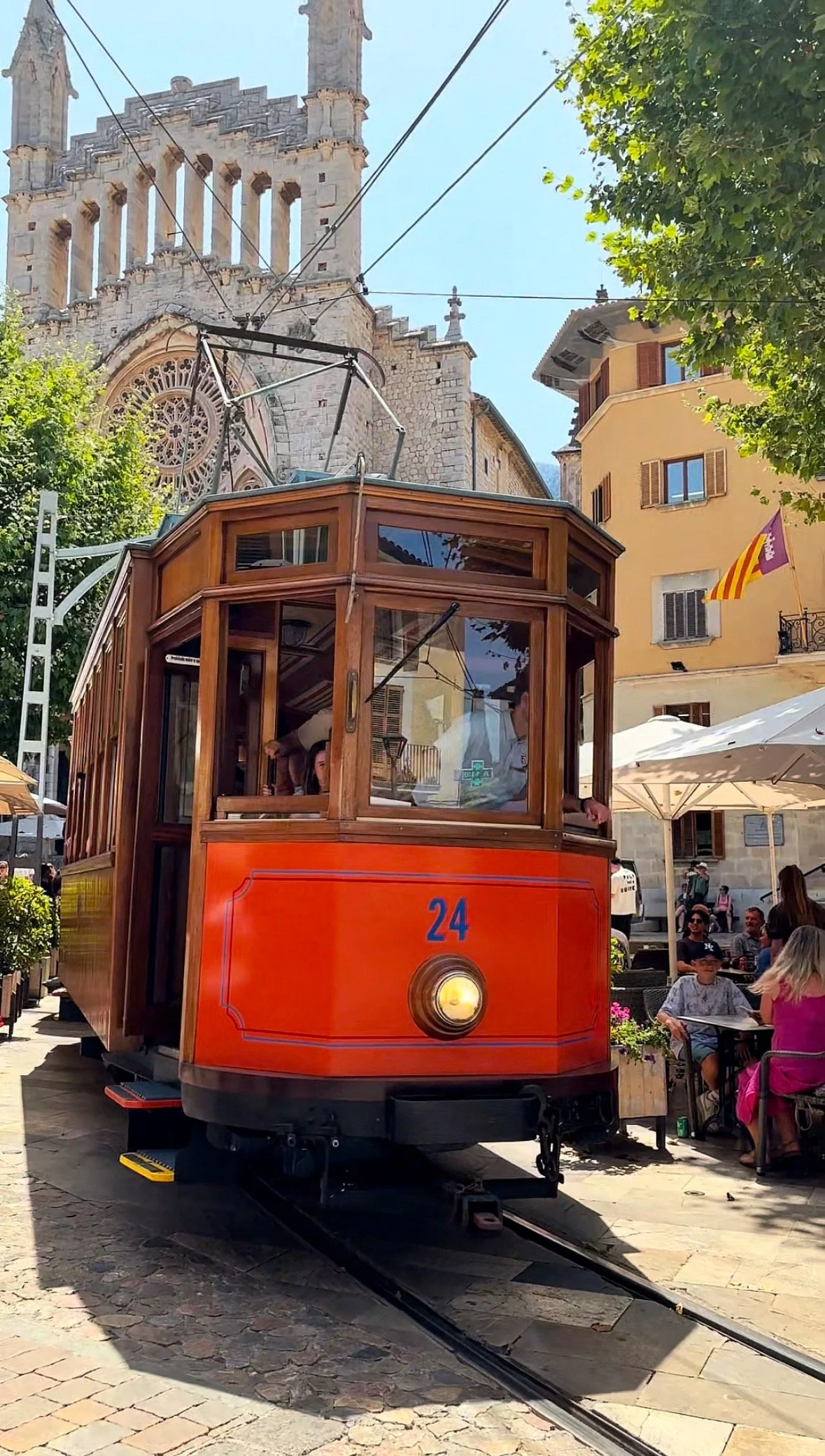
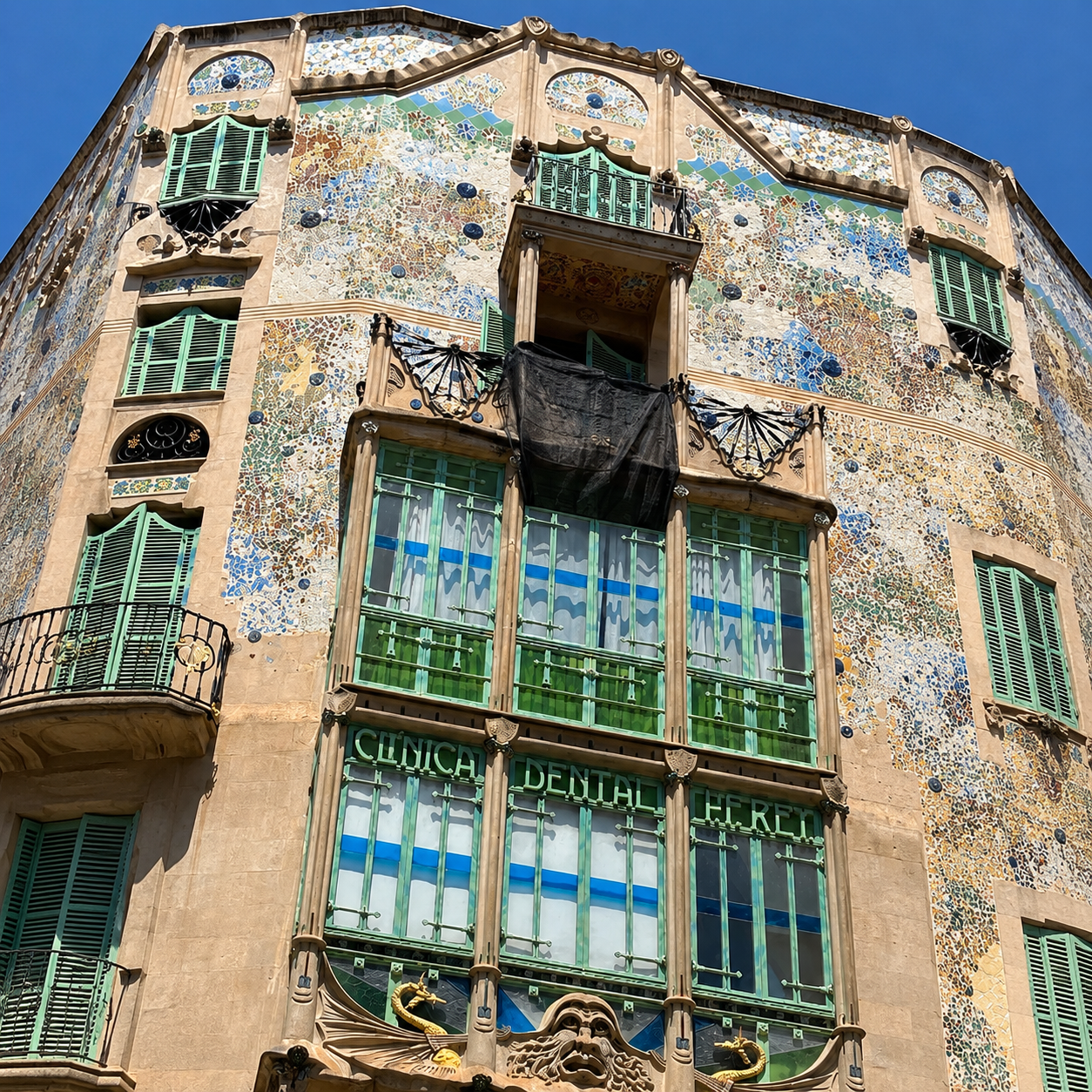
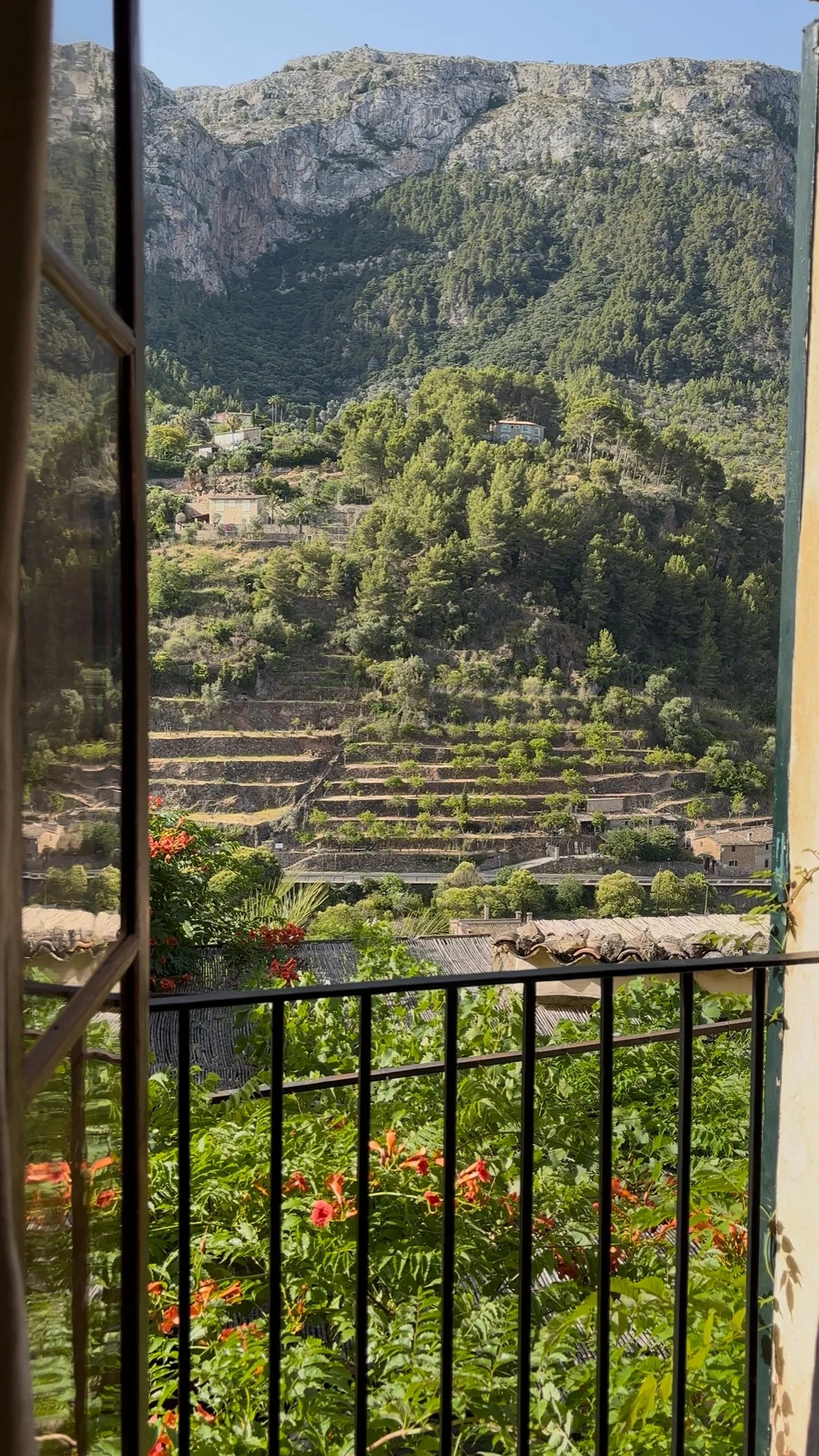
My name is Emily and I've been solo travelling for over seven years. During my trip to Mallorca, I explored the island by car, discovering beautiful coves, taking in scenic mountain roads, stopping by charming mountain towns and exploring the vibrant streets of the capital city of Palma. The island has quickly became one of my favourite places I’ve visited in Spain to date.
In this guide I will share exactly how I spent one week in Mallorca, including the places I visited, where I stayed, how to get around the island, together with practical tips to help you make the most of your trip. Whether you're travelling solo, as a couple or with friends, I hope this Mallorca travel guide inspires you to experience this wonderful island.
This post may contain affiliate links, which means I may earn a small commission at no extra cost to you if you choose to make a purchase. Thank you for supporting my blog - it helps me continue creating free travel guides like this one.
How to get around Mallorca
Mallorca is part of the Balearic Islands and you can reach the island via Palma de Mallorca Airport (Son Sant Joan Airport), the island's main international airport. If you want the freedom to explore at your own pace, I would recommend hiring a car in Mallorca, particularly if you're planning to visit different parts of the island during your trip. I hired my car through Wiber, which offers collection and drop off options at various locations around the island, including at Palma de Mallorca Airport. Most hire car services operate a minibus shuttle pick up from the airport and Wiber will give you instructions on where to go from arrivals. It is easy to find, but there will be some waiting time involved at the airport (it took me around 45 minutes from arriving at the airport until I actually got into my hire car so bear this in mind). What I particularly liked about hiring a car with Wiber was that there were no hidden fees or deposits required, and the staff at the collection desk were super friendly and helpful.
The roads are generally easy to navigate in Mallorca and well connected by major highways, making it surprisingly quick to travel between different parts of the island. For example, my drive from the north coast to the southeast took just over an hour. Having a car also meant I could change my plans as I went, stopping at scenic viewpoints and visiting places that would have been much more difficult to reach by public transport.
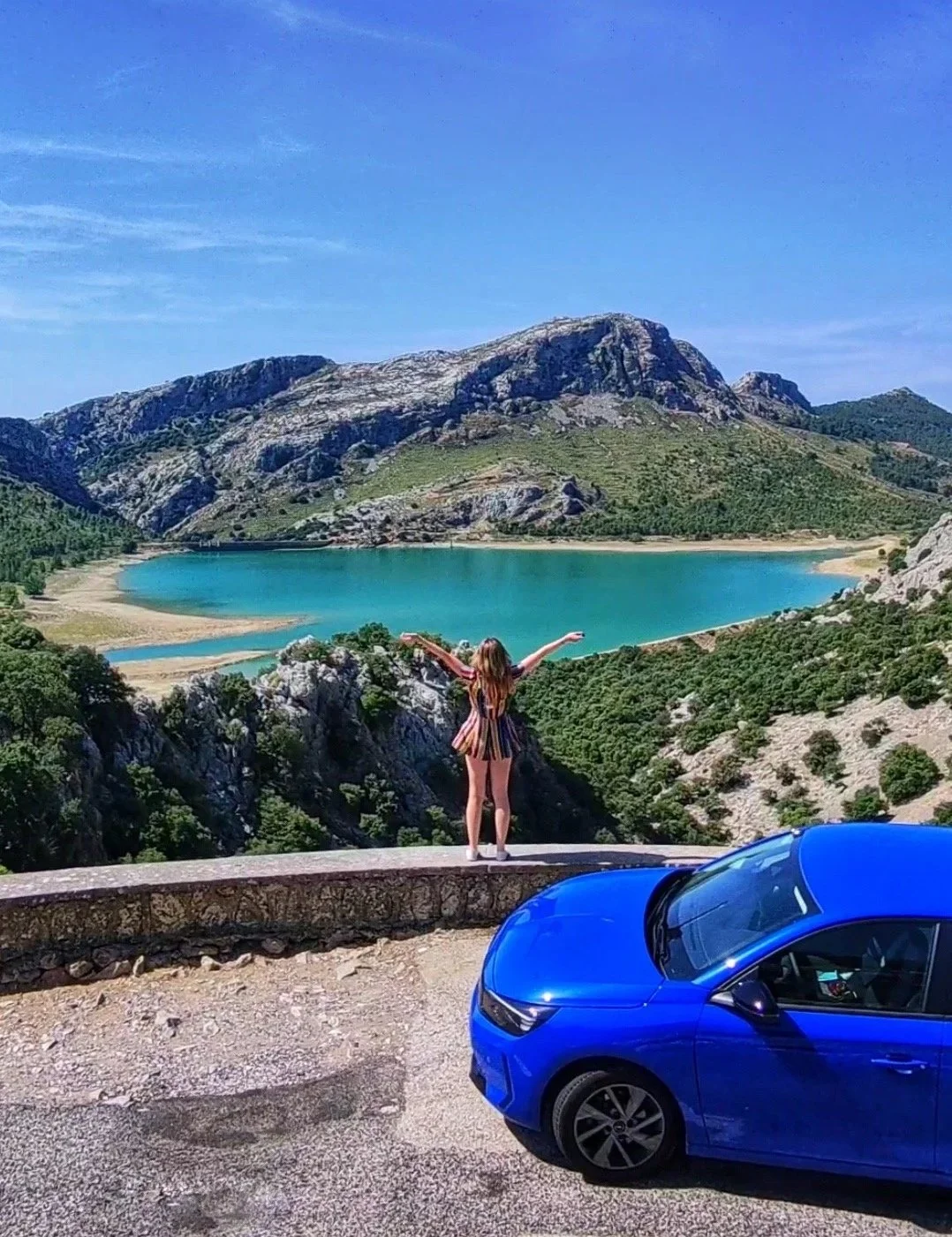
If however you don't drive or would simply prefer not to hire a car, don't worry as you can visit Mallorca without a car. The island has a good network of buses connecting many of the main towns and more popular destinations. Uber also operates in Mallorca, although availability can vary depending on where you are on the island. If you plan to stay in one location and want to explore further afield, booking organised tours can also be a great option. I recommend checking GetYourGuide for excursions that include hotel pick-up and transport, so you don't have to worry about driving or navigating public transport yourself.
Another unique way to explore is by taking the famous 1912 train from Palma to Sóller. The historic railway travels from Palma in the south of the island through the stunning Tramuntana mountains to Sóller in the northwest, making the journey an experience in itself. I’ll admit it was one part of my visit to Mallorca I regret not trying (maybe next time), but I’ve heard from friends it is truly an unforgettable experience.
Right, let’s get into it! Here’s my 7 day Mallorca itinerary to help you plan a trip around the island!
Day 1: Palma to Valldemossa and Deià
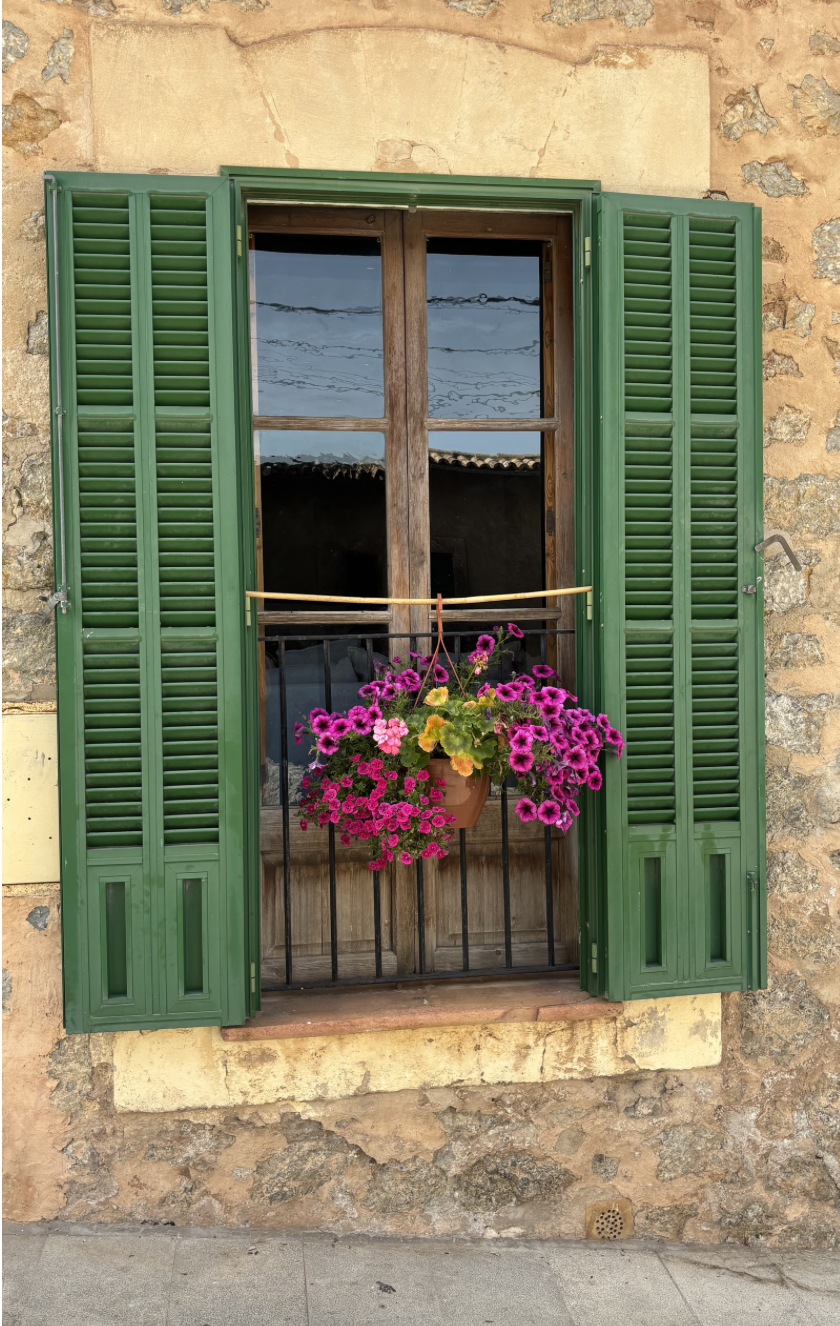
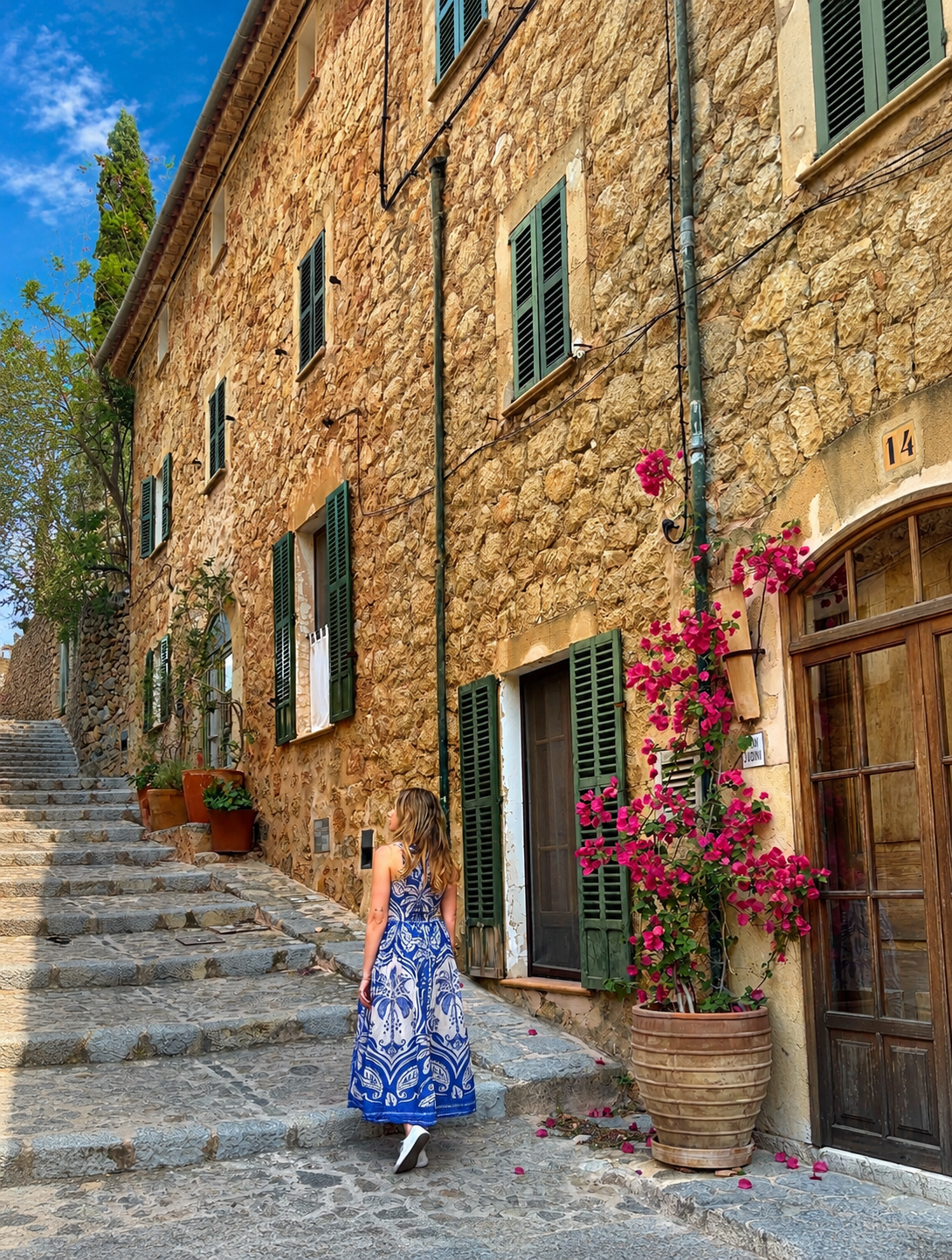
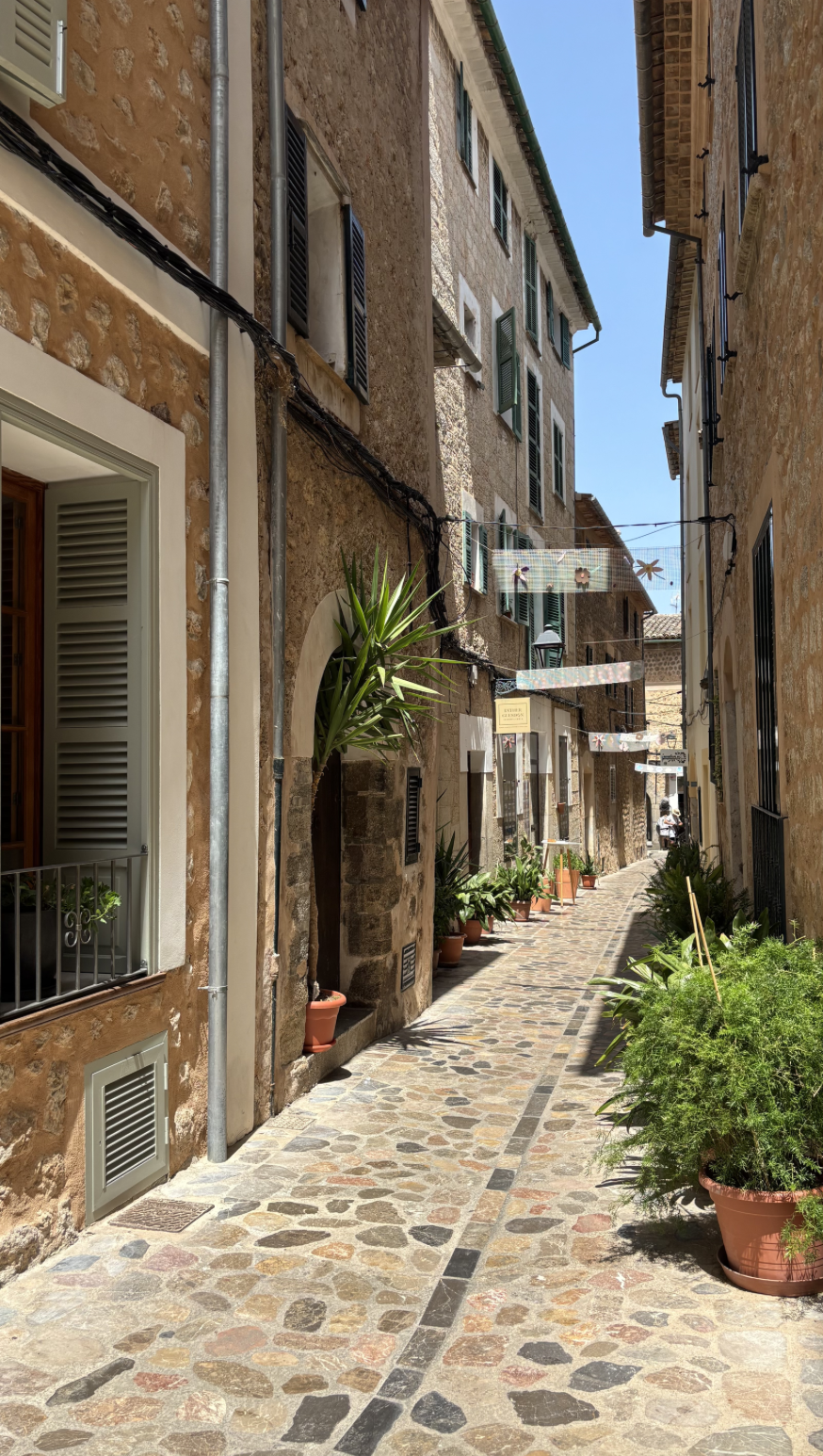
After landing in Palma de Mallorca Airport, I picked up my hire car and headed straight into the mountains towards two of Mallorca's most beautiful villages: Valldemossa and Deià. My first stop was Valldemossa, a beautiful mountain village in the Serra de Tramuntana mountains that, and I cannot stress enough, you have to visit! I wish I had spent more time in this picture perfect village, with its cobbled streets, honey stone houses, artisan shops and flower-filled balconies. Make sure you try one of Mallorca's most famous traditional foods in Valldemossa: coca de patata. This soft, fluffy sweet pastry is made with potato and is traditionally dusted with icing sugar. It is nice to enjoy with a coffee or, if you're visiting during the cooler months, a cup of hot chocolate. If you want to try traditional Mallorcan food during your trip, coca de patata should definitely be on your list.
Tip: Valldemossa is one of the most popular places to visit in Mallorca, so if you want to enjoy it without the crowds, I'd recommend arriving earlier in the day. I parked for free along Carrer d'Els Valldemossa (June 2026).
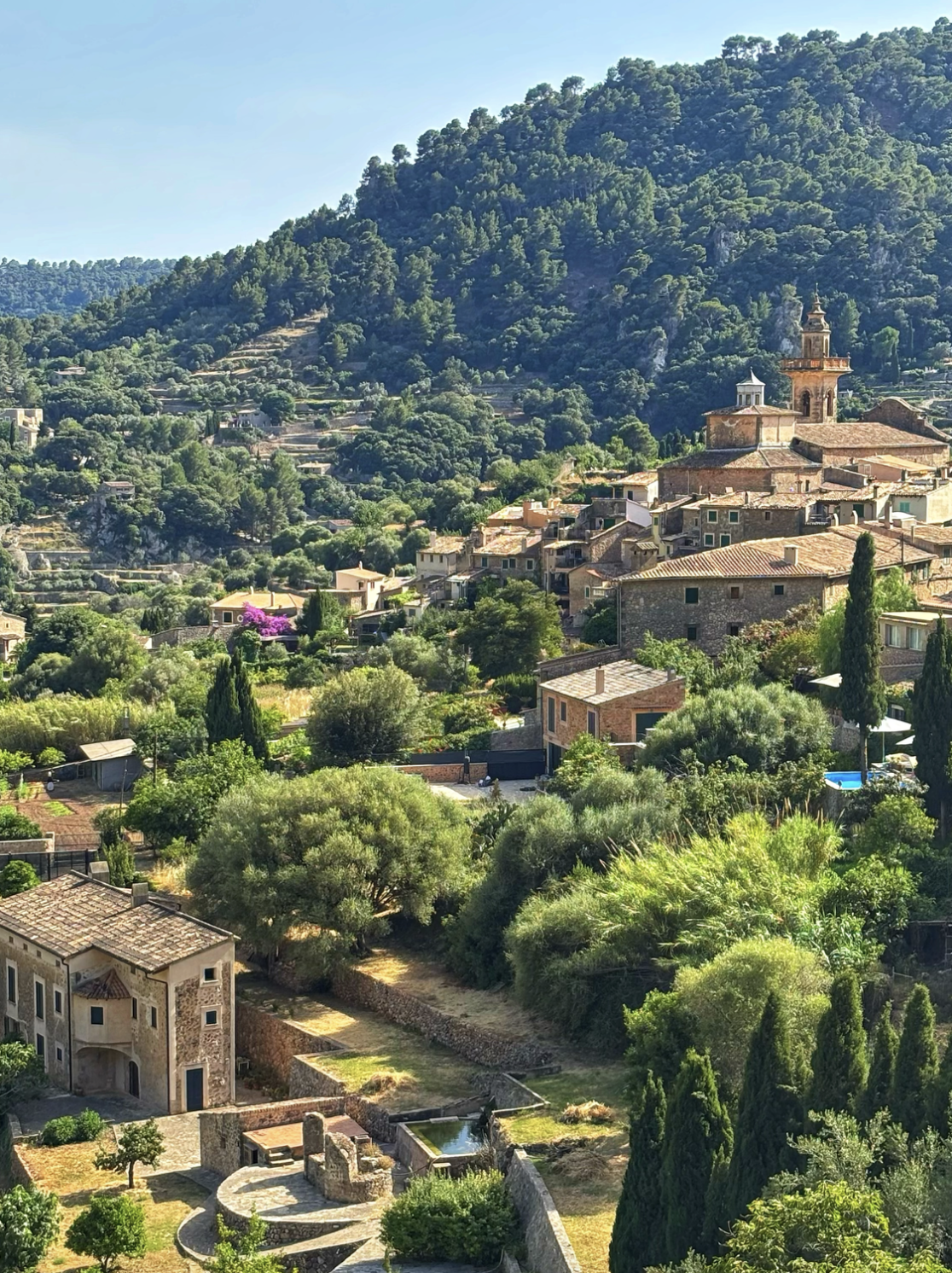
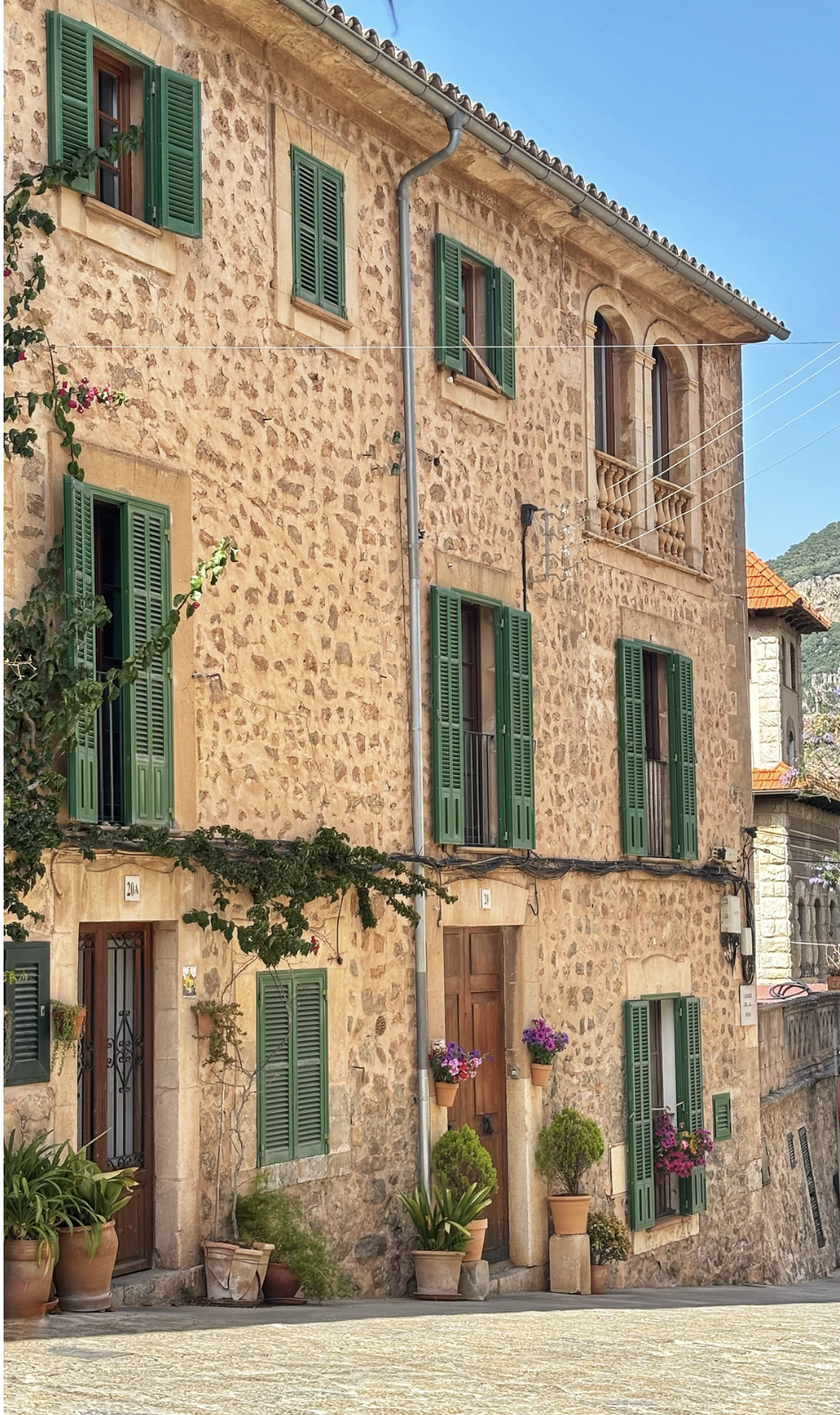
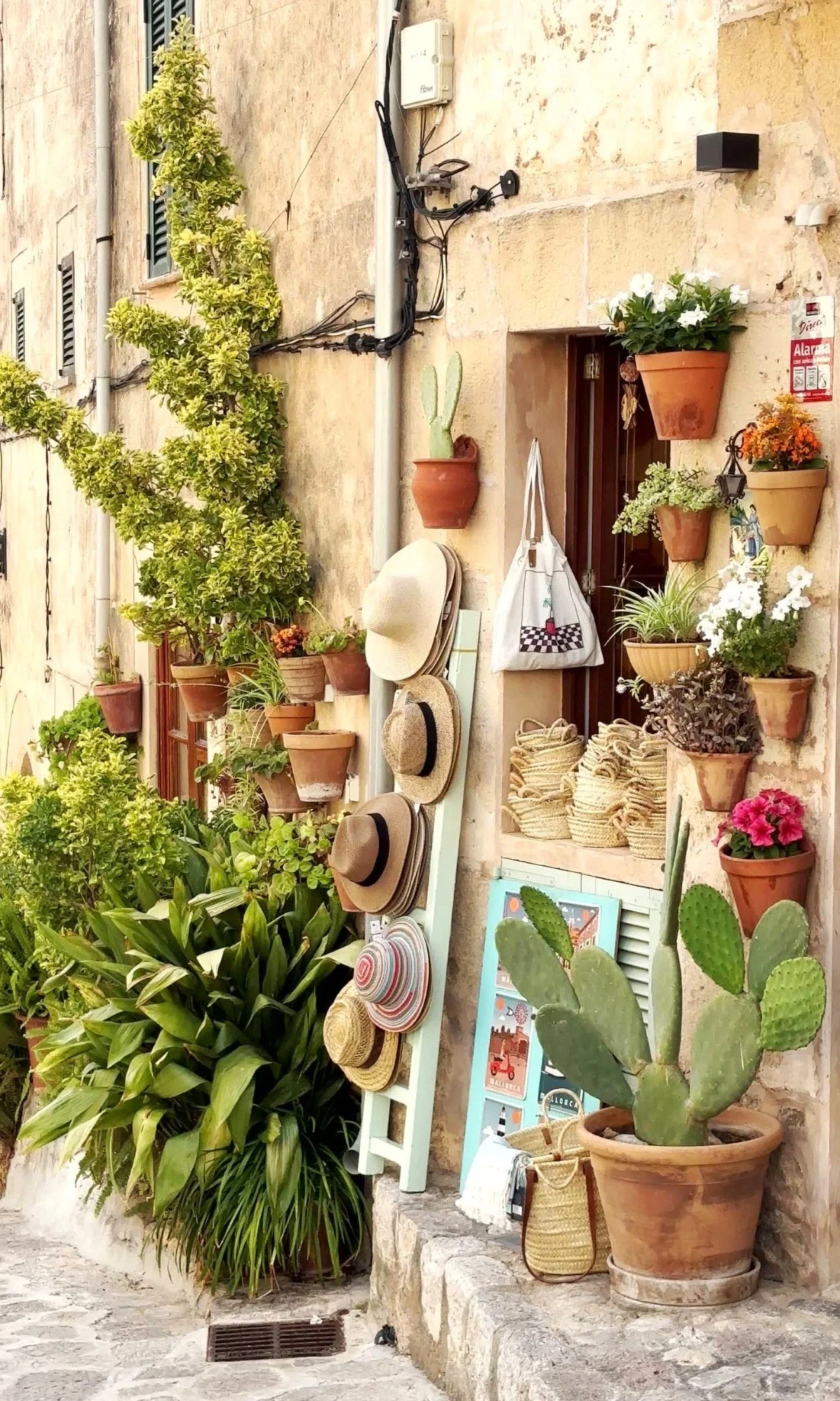
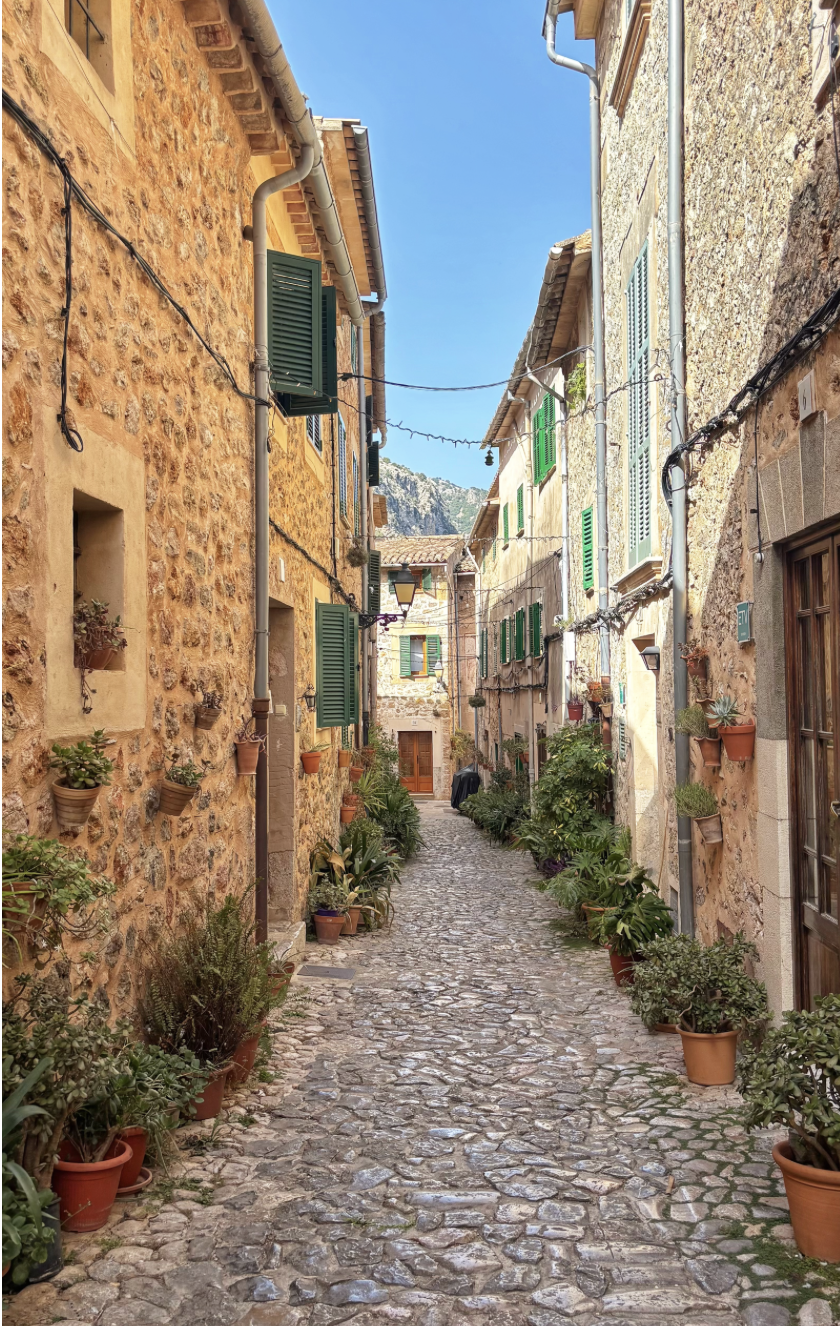
From Valldemossa, I continued to Deià, another must see picturesque village in Mallorca. Tucked into the Tramuntana mountains overlooking the Mediterranean, Deià feels completely different from the busy resorts Mallorca is often associated with. It was wonderfully peaceful by the time I arrived late afternoon and there are a great selection of restaurants here. I recommend Cafè Sa Font Fresca for Mediterranean cuisine and Sebastian for Spanish and local dishes. One place I would definitely recommend visiting in Deià is the Church of Sant Joan Baptista, which sits above the village. The walk up is worth it for the beautiful views stretching across Deià towards the sea. If you have time and fancy some time at the beach, you can take a short drive to Cala Deià, a popular place to enjoy lunch or a drink overlooking the Mediterranean.
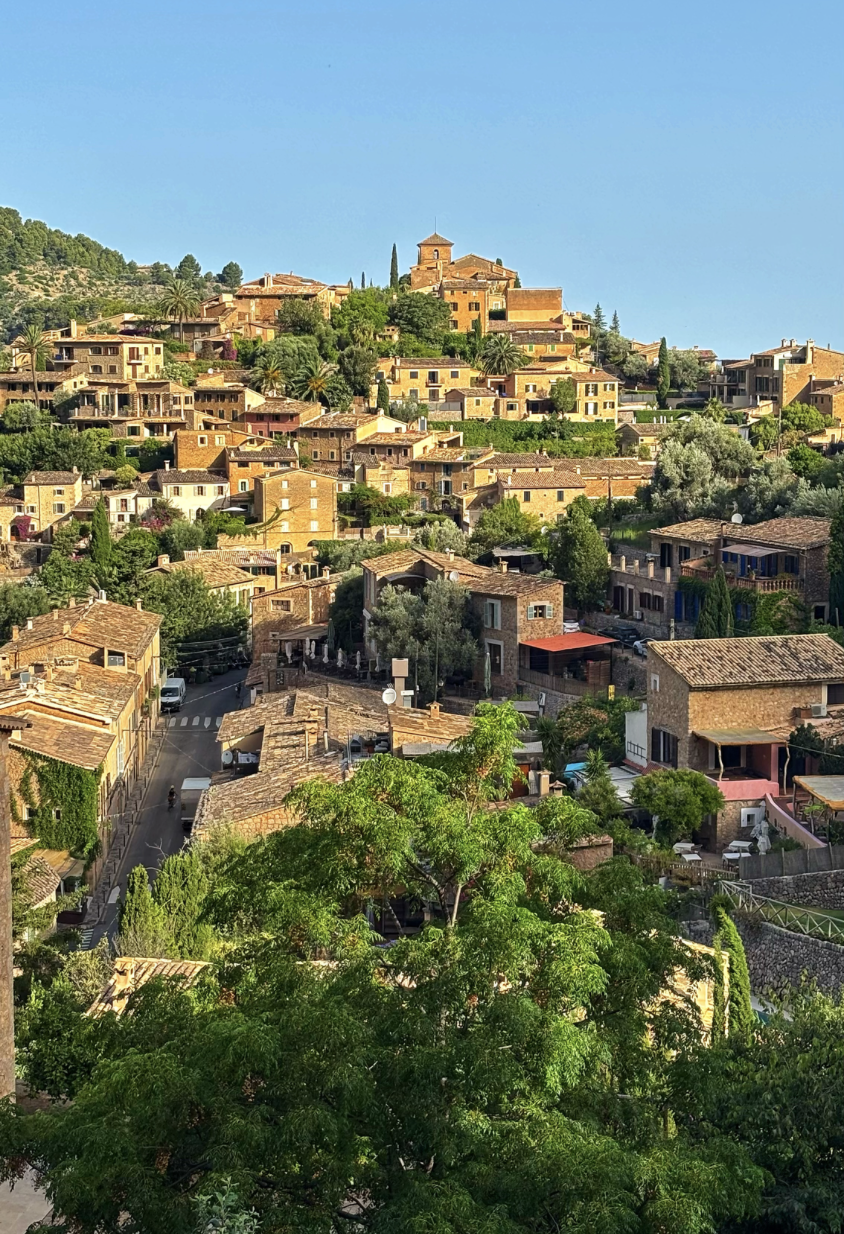
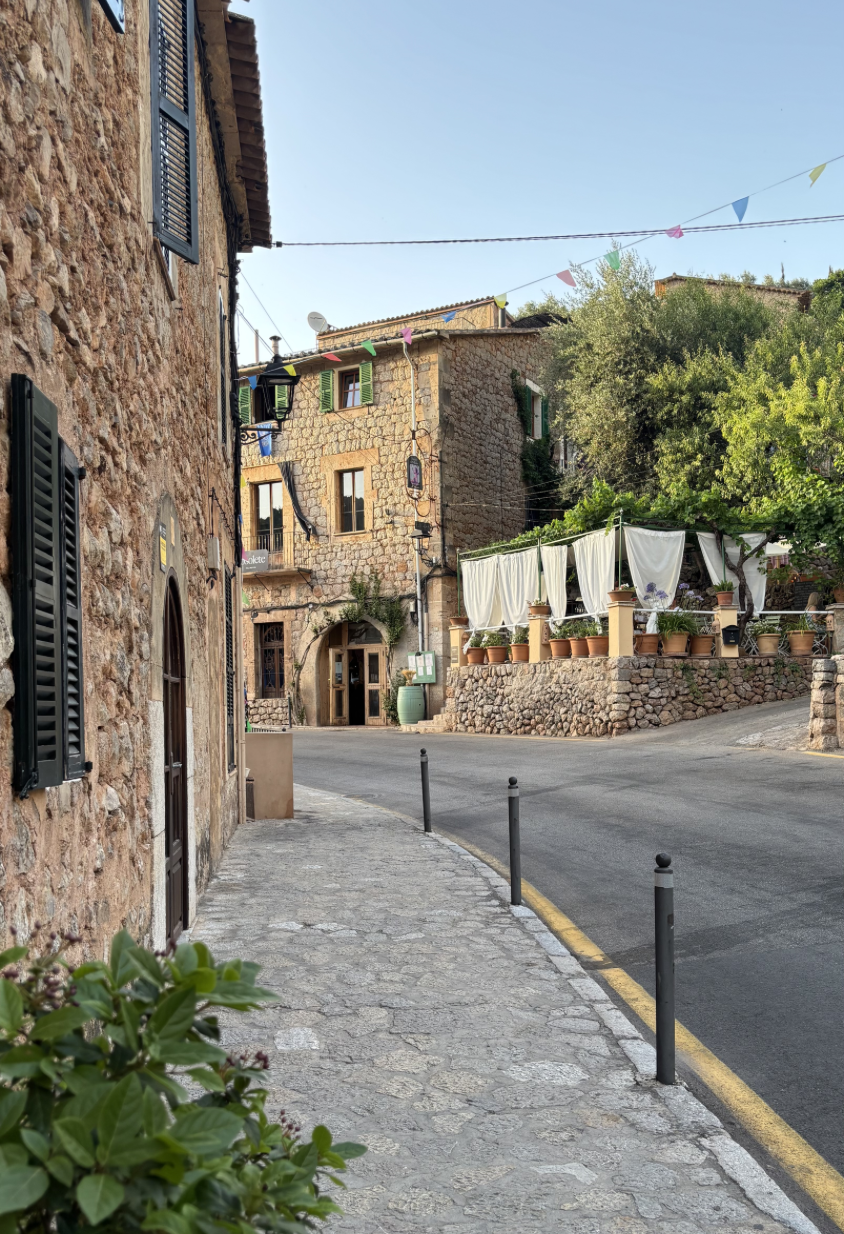
I stayed overnight in Deià in peaceful adult only hotel with incredible views overlooking the Tramuntana mountains. This family run hostal offers breakfast and has a bar on site for drinks and snacks. I cannot recommend this place enough!
Where to stay in Deià: Hostal Villa Verde
Day 2: Sóller and Port de Sóller
I continued my Mallorca road trip to enjoy a day in Sóller. This part of the island is known for its beautiful mountain scenery and the drive from Deià to Sóller offers the most incredible views of the coast that will have you say ‘WOW’ many times from behind the wheel. Sóller is a beautiful town surrounded by the Serra de Tramuntana mountains and it was definitely the more busier places I visited in the north of the island. But don’t let that put you off as Sóller has so much to enjoy.
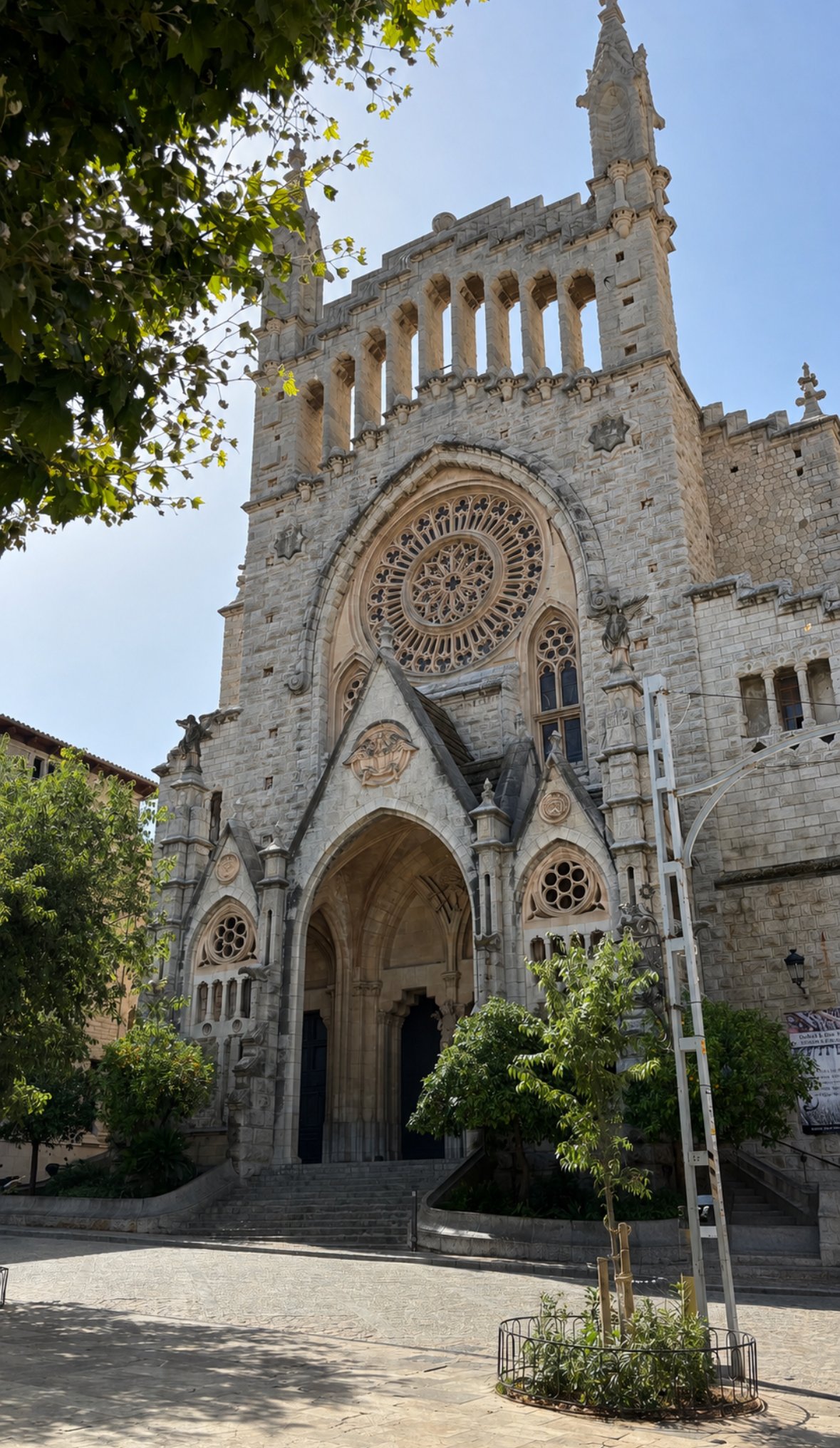
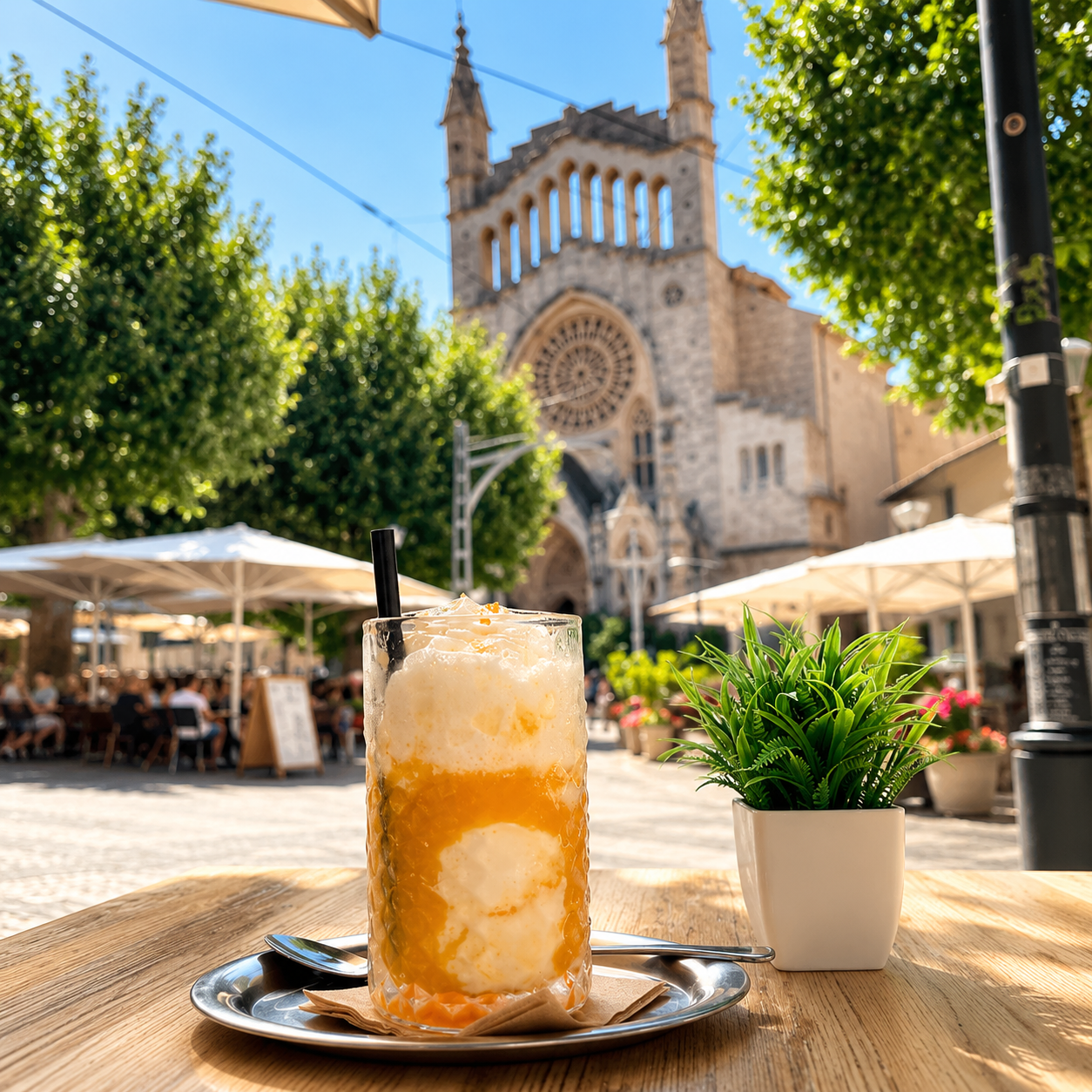
One of the first things you'll notice when exploring Sóller is the impressive Church of Sant Bartomeu, which overlooks the town's main square Plaça Constitució. The church has a beautiful historic façade and is one of the most recognisable landmarks in Sóller. Fun fact: The facade is you see today was designed in 1904 by architect Joan Rubió, who was a student of Antoni Gaudi (you know, the architect behind the Sagrada Familia in Barcelona!). It’s absolutely worth stepping inside too for a small fee of 2 euros. I’d recommend you take some time to sit on the main square to enjoy watching the famous historic tram go by. Here you can try the 'Sóller Bomb’ drink, made with freshly squeezed oranges from the Sóller Valley and yoghurt ice cream, topped with light yoghurt foam and fresh orange zest! It’s creamy and delicious! I'd recommend enjoying your time simply wandering through the streets of the old town and browsing the local shops. There are plenty of small independent stores where you can pick up a nice souvenir from Mallorca, from local food produce to ceramics and handmade gifts. While you could easily spend a full day in Sóller, a few hours is enough to see the main sights before continuing on to Port de Sóller.
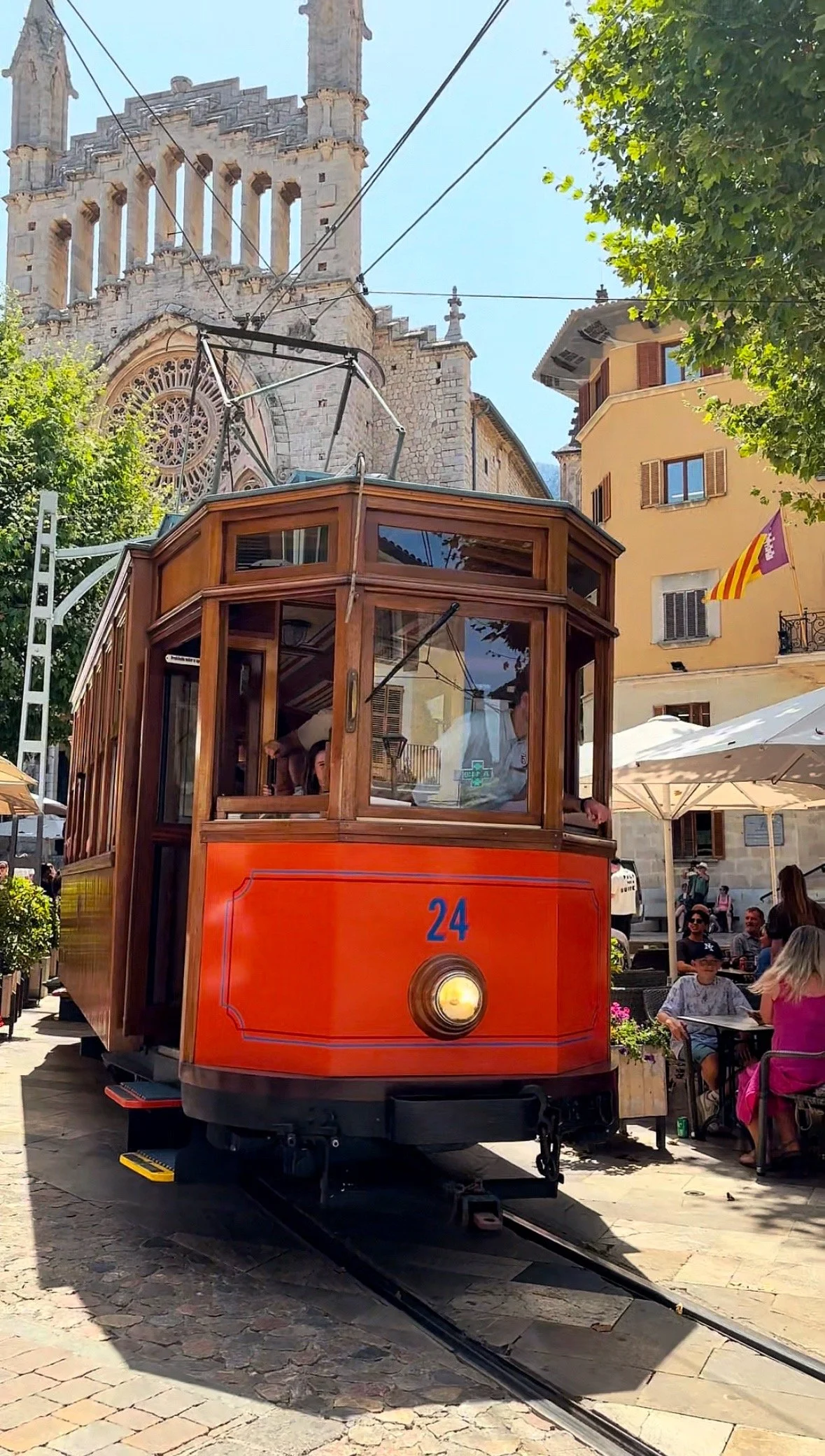
Of course, no visit to Sóller is complete with riding the famous historic tram from Sóller and Port de Sóller. The tram first opened in 1913 and was originally built to transport oranges and other produce from the Sóller Valley to the port. Today, it's one of Mallorca's most iconic attractions and a must-do during your visit. The tram departs from just outside Sóller Train Station in the centre of town and costs 10 euros for a single ticket. The journey to Port de Sóller takes around 15 minutes, passing through the town's narrow streets before winding through orange and lemon groves on its way to the port. Whilst 10 euros might seem a bit pricey, it was worth it. You can walk back to Sóller from the port which will take 30 to 40 minutes if you are on a budget. You can buy your ticket directly from the conductor on board the tram with cash or card. Top tip: Sit by the window on the left hand side of the tram or stand on the back if you can, so you can fully enjoy the views.
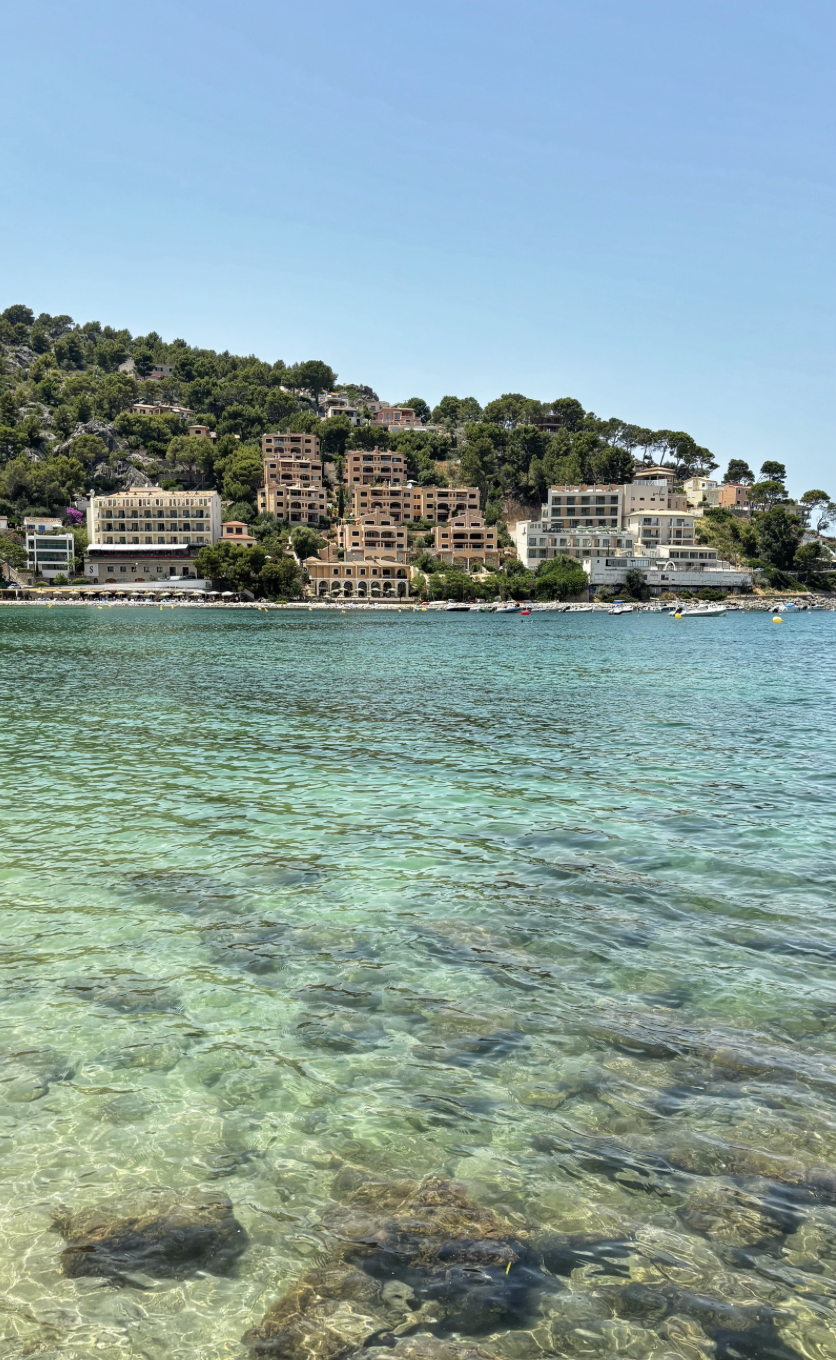
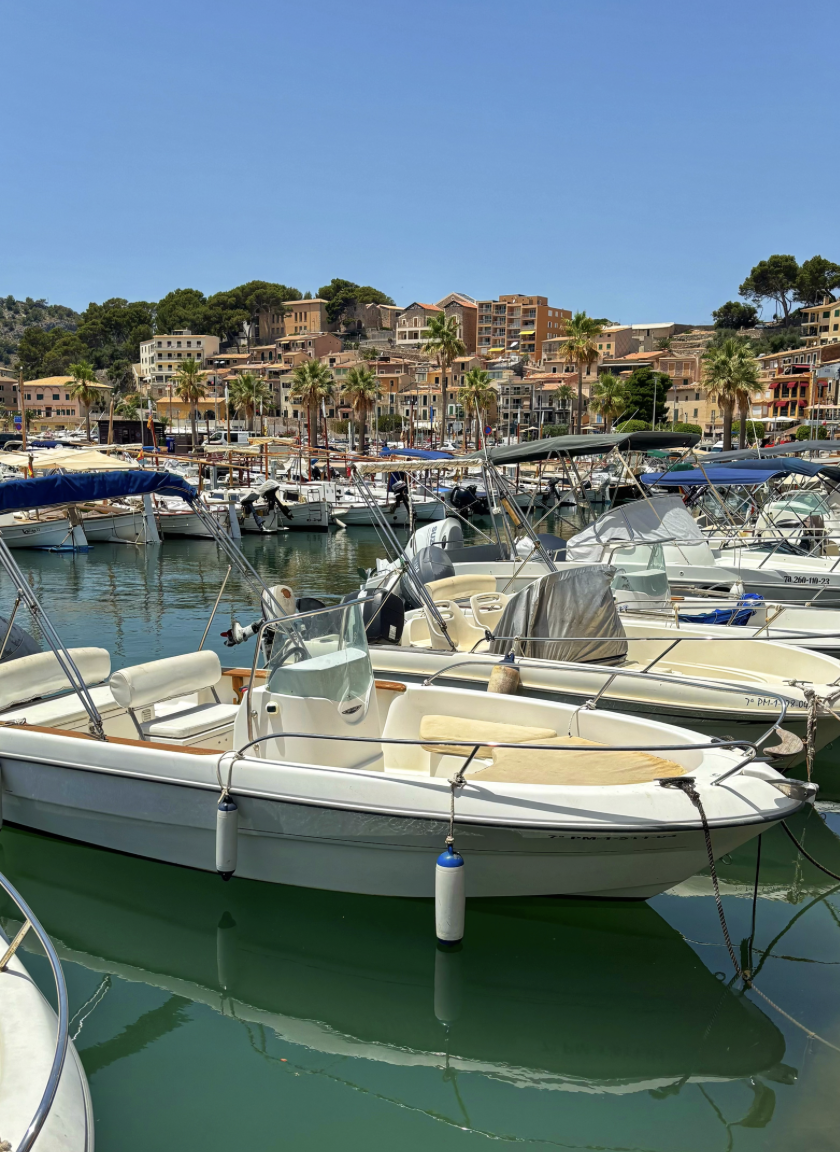
Once you arrive in Port de Sóller, you will be met with scenery that is a stark contrast from the old town you’ve just left behind. You will be met with turquoise waters, harbour views and a bustling promenade lined with restaurants and shops. One of my favourite things to do in Port de Sóller was to simply wander along the promenade and enjoy a spot of lunch alfresco overlooking the harbour. You'll find everything seafood and tapas to pizza and traditional Mallorca dishes in Port de Sóller. If you fancy some time to relax at the beach, you’ll be spoilt here with the clear waters which are ideal for swimming. If you're looking for something a little more adventurous, Port de Sóller offers a great selection of boat trips and tours to enjoy views of the Mallorca’s northwest coast or head out in search of dolphins and other marine life.
Day 3: Fornalutx, the Tramuntana Mountains and Alcúdia
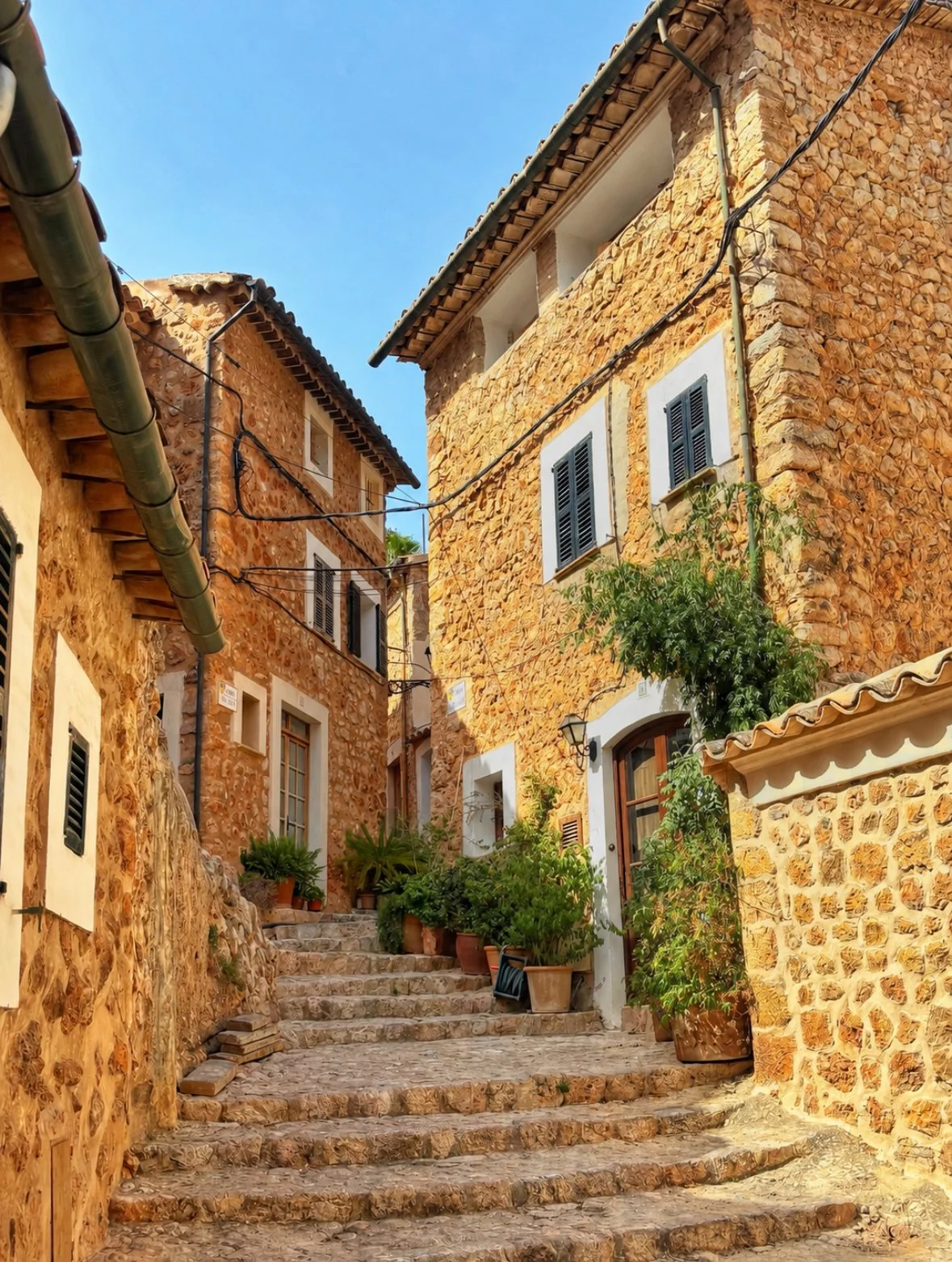
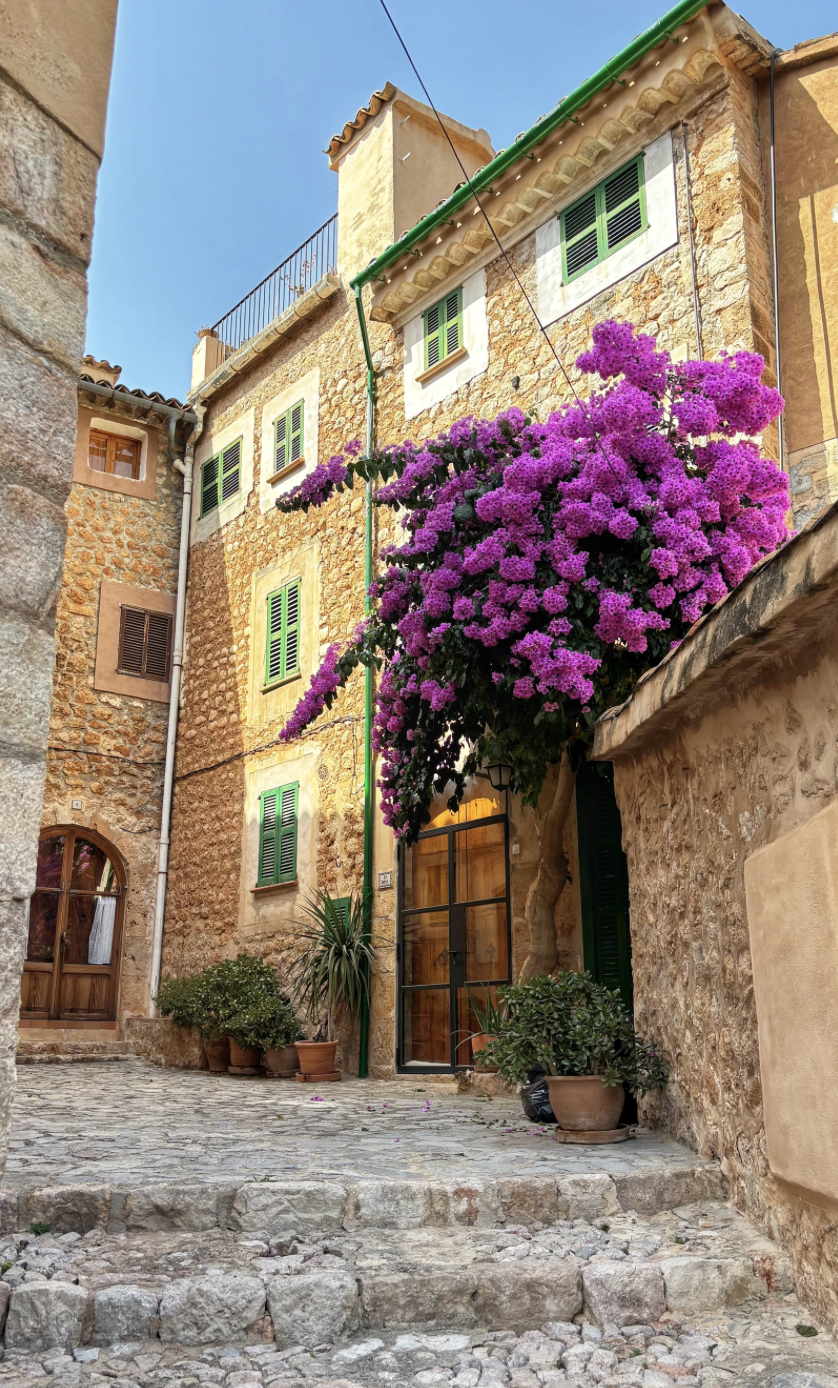
This was probably my favourite part of my road trip across Mallorca, because it took me on the along the Ma-10: Mallorca's most famous scenic mountain road. My first stop was the charming Fornalutx, often described as one of the prettiest villages in Mallorca and it’s not hard to see why. The village is surrounded by mountains and is full of those traditional honey stone houses, together with narrow streets lined with plants. Fornalutx is relatively small, so you don't need hours to explore here, but it's absolutely worth adding to your itinerary. You will find a small selection of independent shops, bars and restaurants here to enjoy and I recommend having a coffee or drink at Plaça d’Espanya, the villages main square. If you're visiting Fornalutx by car, parking can be a little tricky due to the village's narrow streets and limited on street parking. The best option is to use the public car park at the entrance to the village and enjoy wandering the streets on foot.
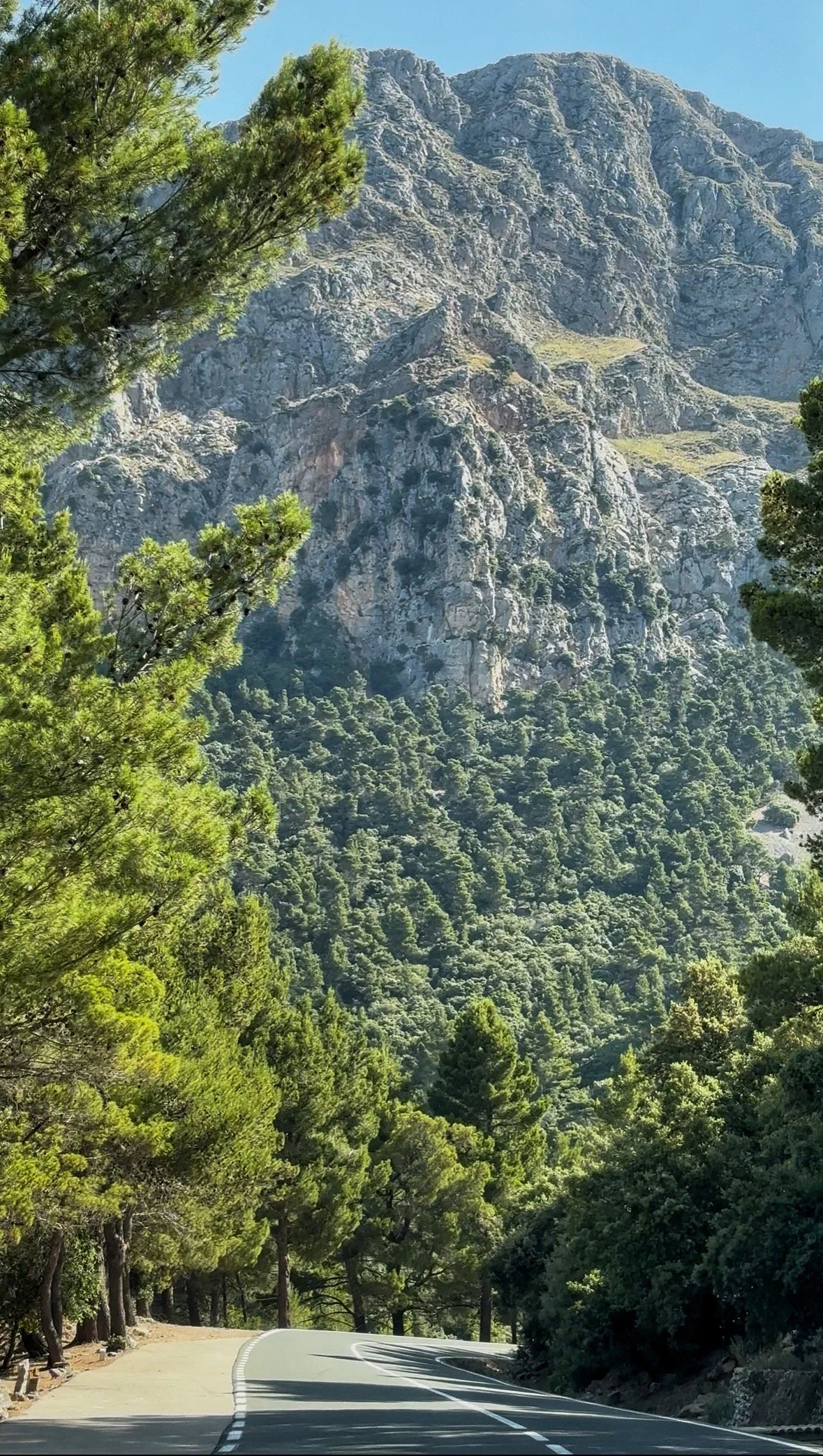
Leaving Fornalutx, I continued my journey along the Ma-10 road, heading towards Mirador des Colomer. Winding through the impressive Serra de Tramuntana, the drive offers truly breathtaking views that will leave you wanting to stop at every look out point! From dramatic mountain peaks and lush valleys, to sweeping views of the Mediterranean, driving this road was a magical experience I won’t forget in a hurry. This drive took me about 2 and a half hours so make sure to pack yourself some road trip snacks because there are no towns until you reach Pollença. Along the Ma-10 there are countless places to pull over, take photos and simply admire the scenery, so don't rush your time here.
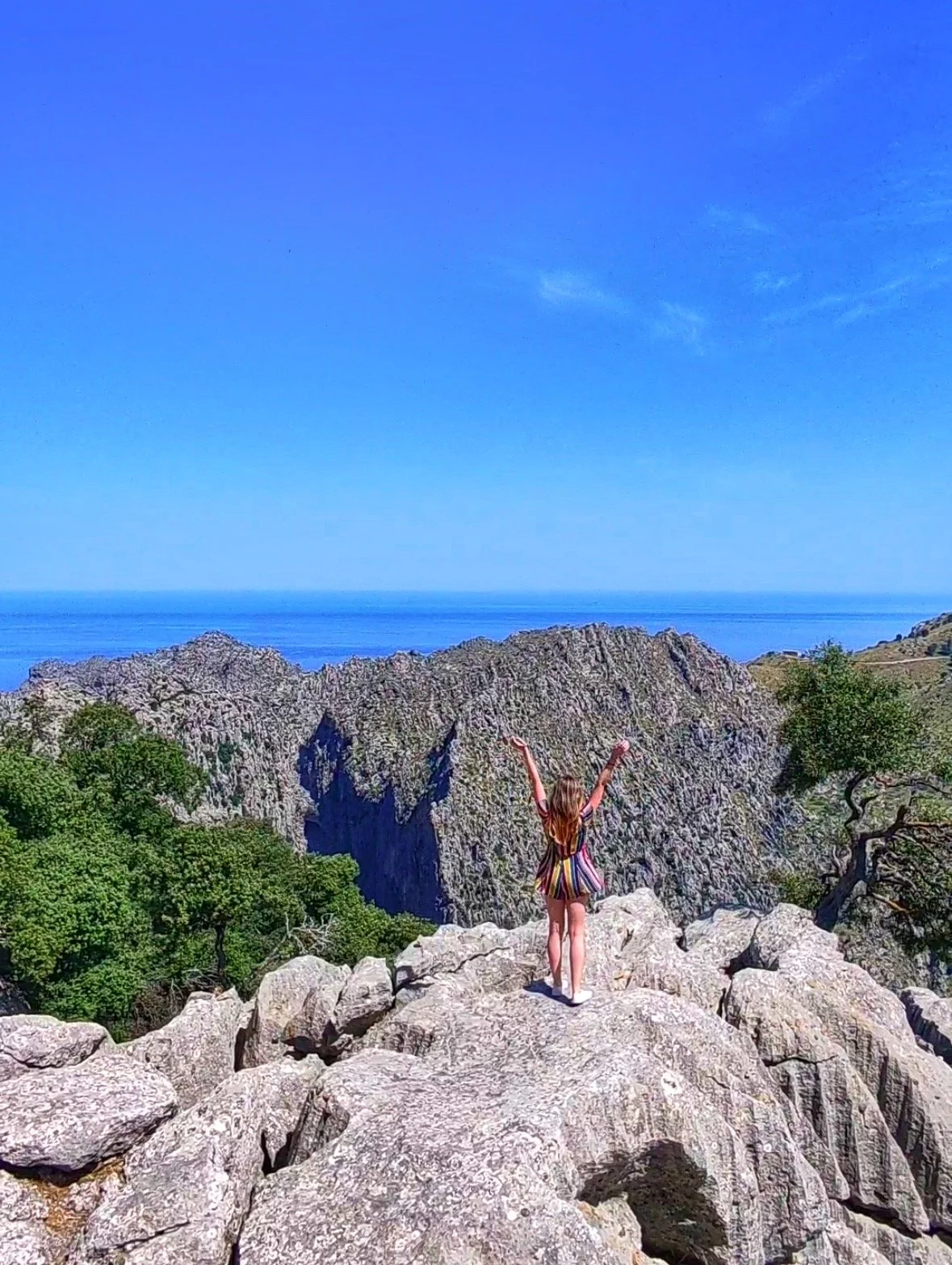
If you want to enjoy one of Mallorca’s most spectacular lookout points, I ended my Ma-10 drive at the Mirador des Colomer. I was blown away by the incredible panoramic views across the Mediterranean here, together with the rugged coastline and towering cliffs. To reach the viewpoint, you'll need to walk up a staircase from the parking area, which can be a little steep in places. It only takes a few minutes to walk and trust me the views at the top are absolutely worth it. It is important to note that there is only a small area for parking here, so it can get full at peak times. I grabbed a spot as someone was leaving so be patient and enjoy your time here.
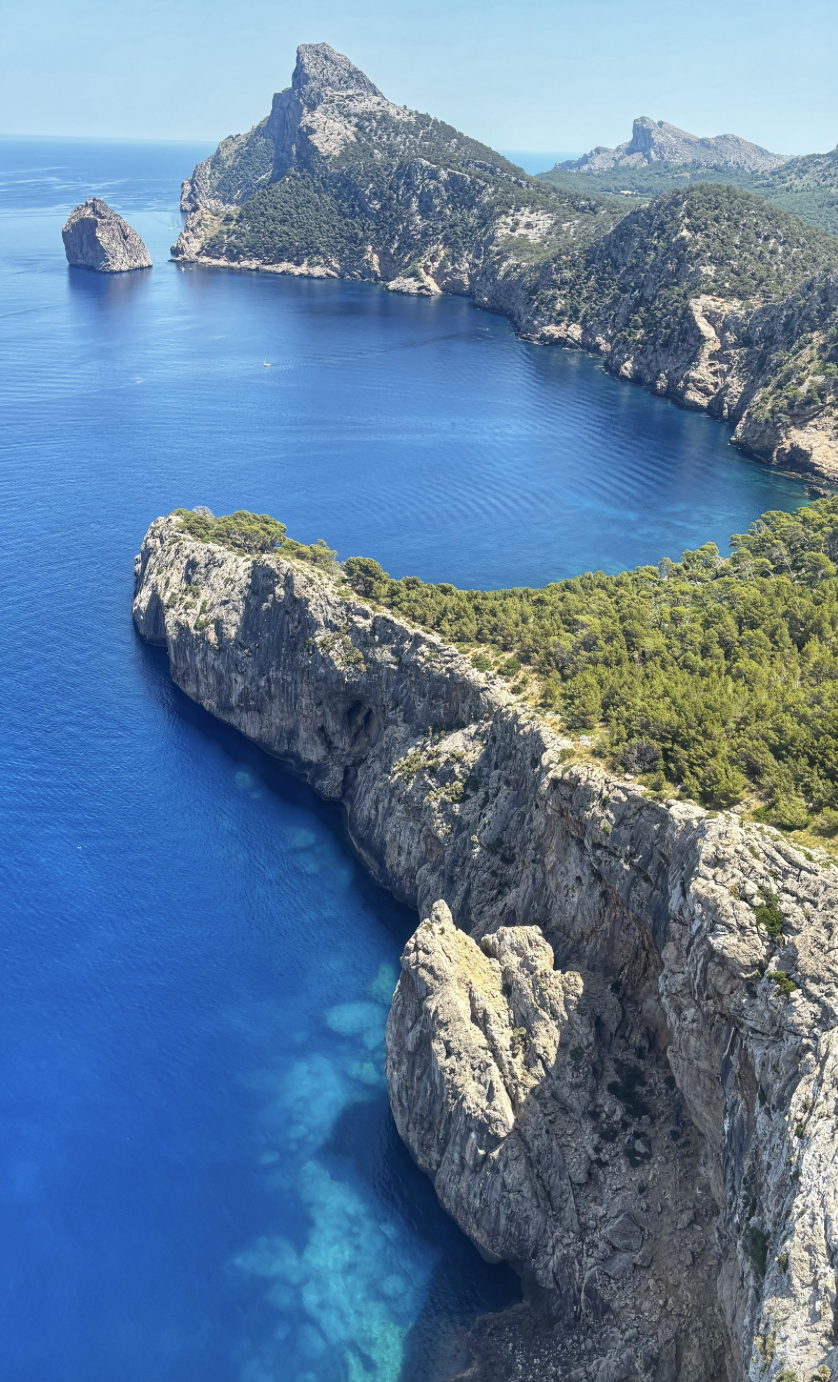
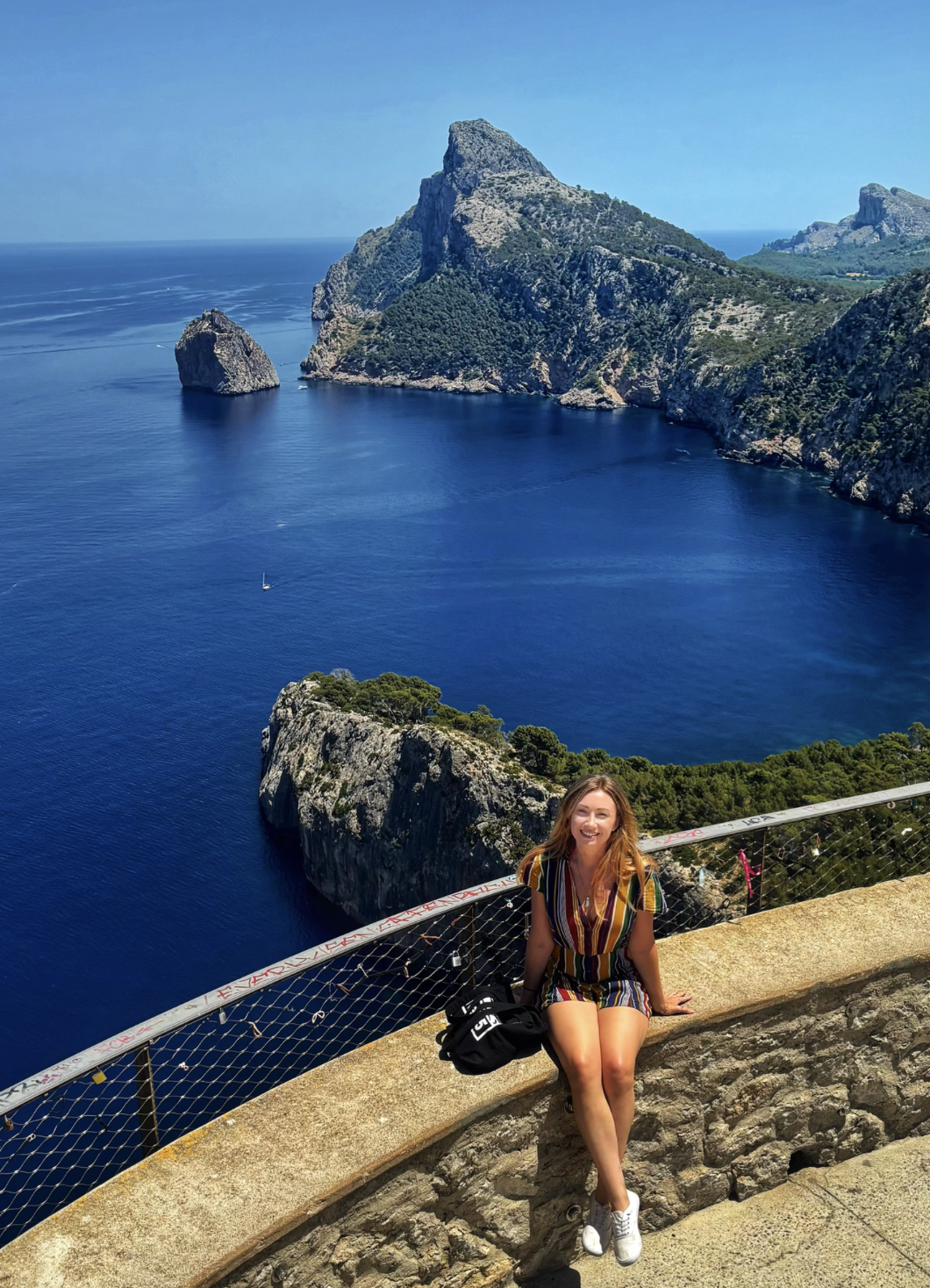
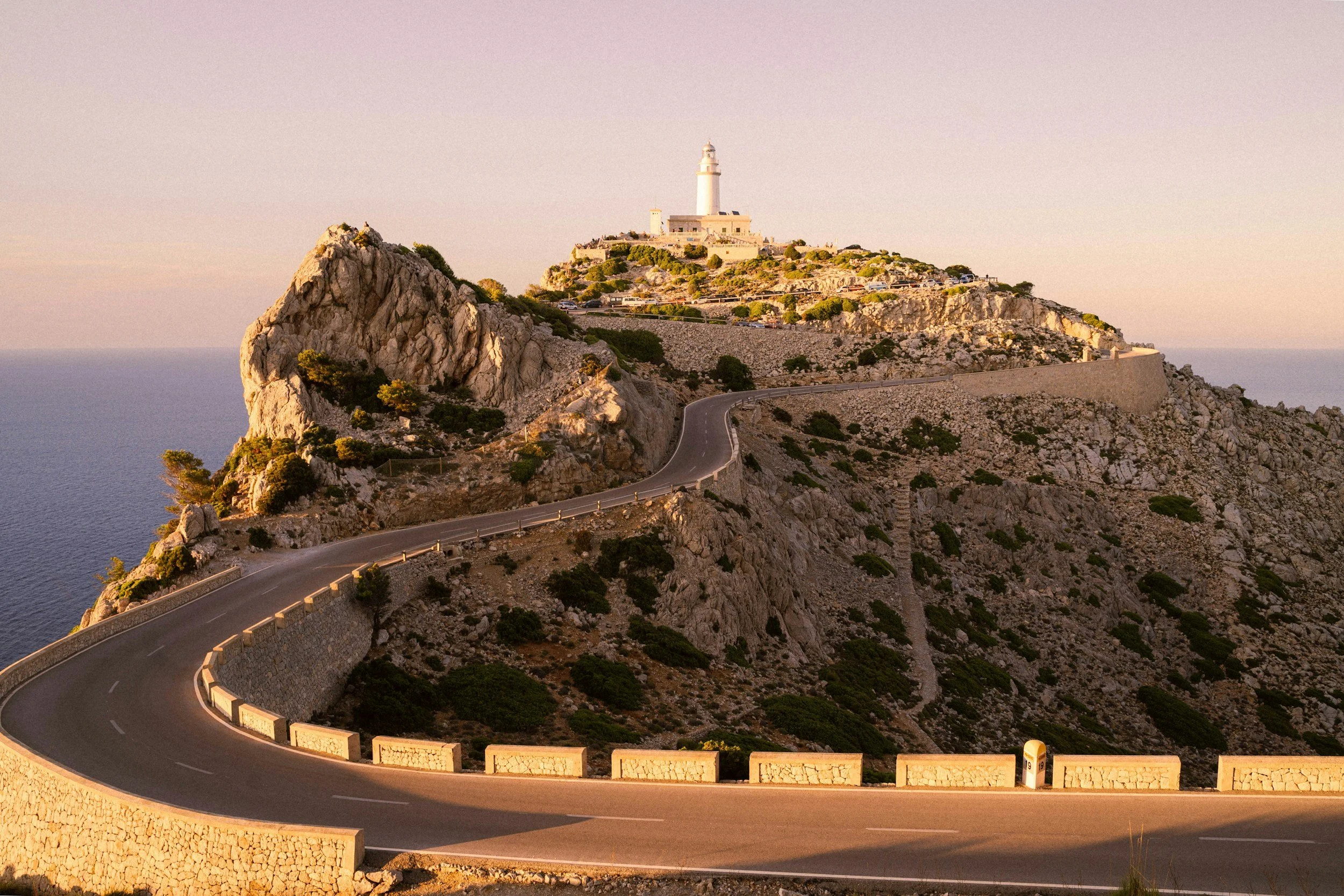
If you have some time to spare, you can head on to Cap de Formentor, which is the northern most point of Mallorca known for being the best spot on the island for a sunset. At the end of the road, you'll reach Far de Formentor, Mallorca’s iconic lighthouse perched on the edge of the cliffs. While you can't always access the inside of the lighthouse, the viewpoint is what makes the journey so magical. Top tip: During the busy summer months, access restrictions can apply to Cap de Formentor, and you may need to use shuttle buses from designated parking areas. Whilst you’re in the area, I’d also recommend visiting Playa de Formentor, one of the most beautiful beaches I found in the northern part of the island. Formentor beach has clear turquoise waters and white sands lined with pine trees, together with views the mountains on the horizon. There are a few restaurants and a hotel here, as well as a free public car park.
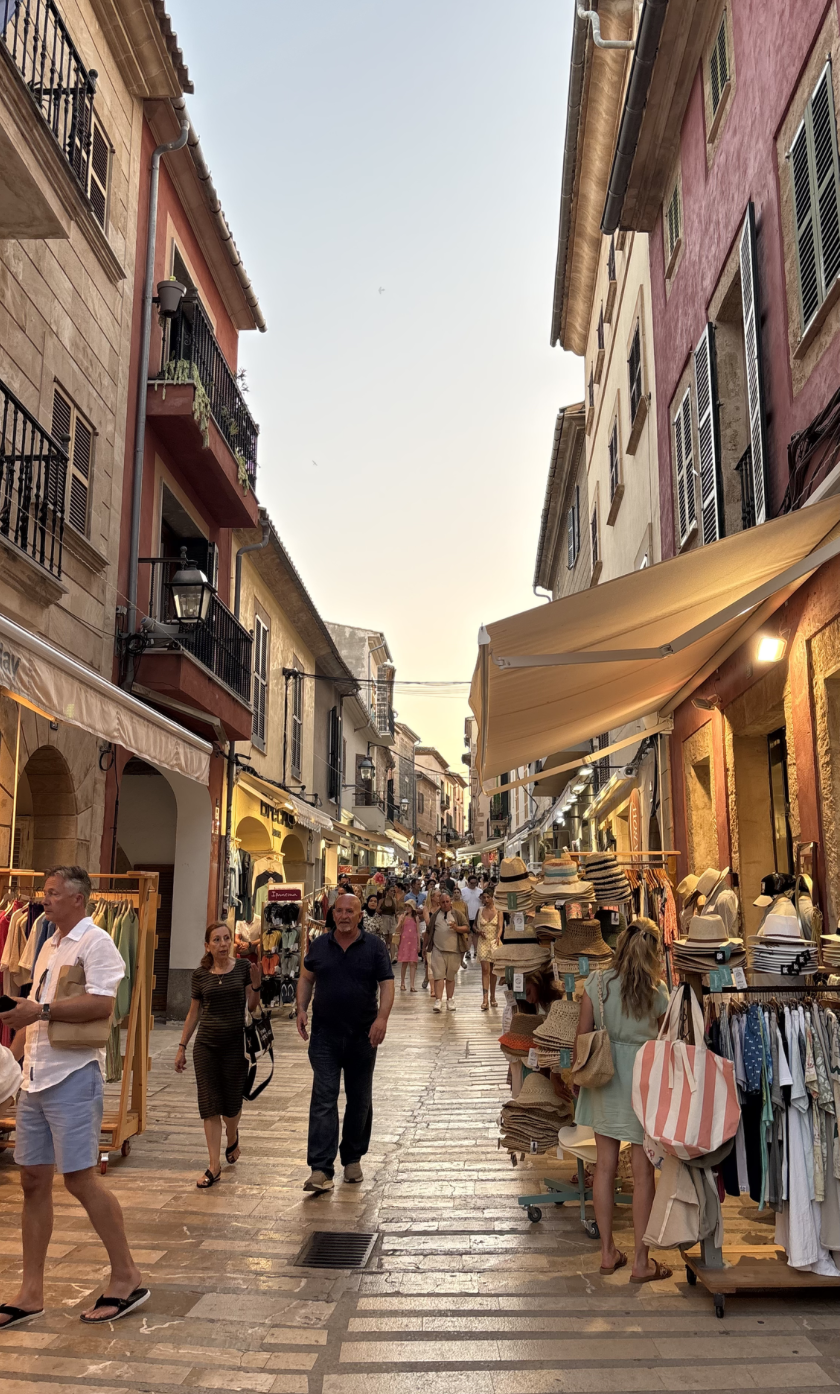
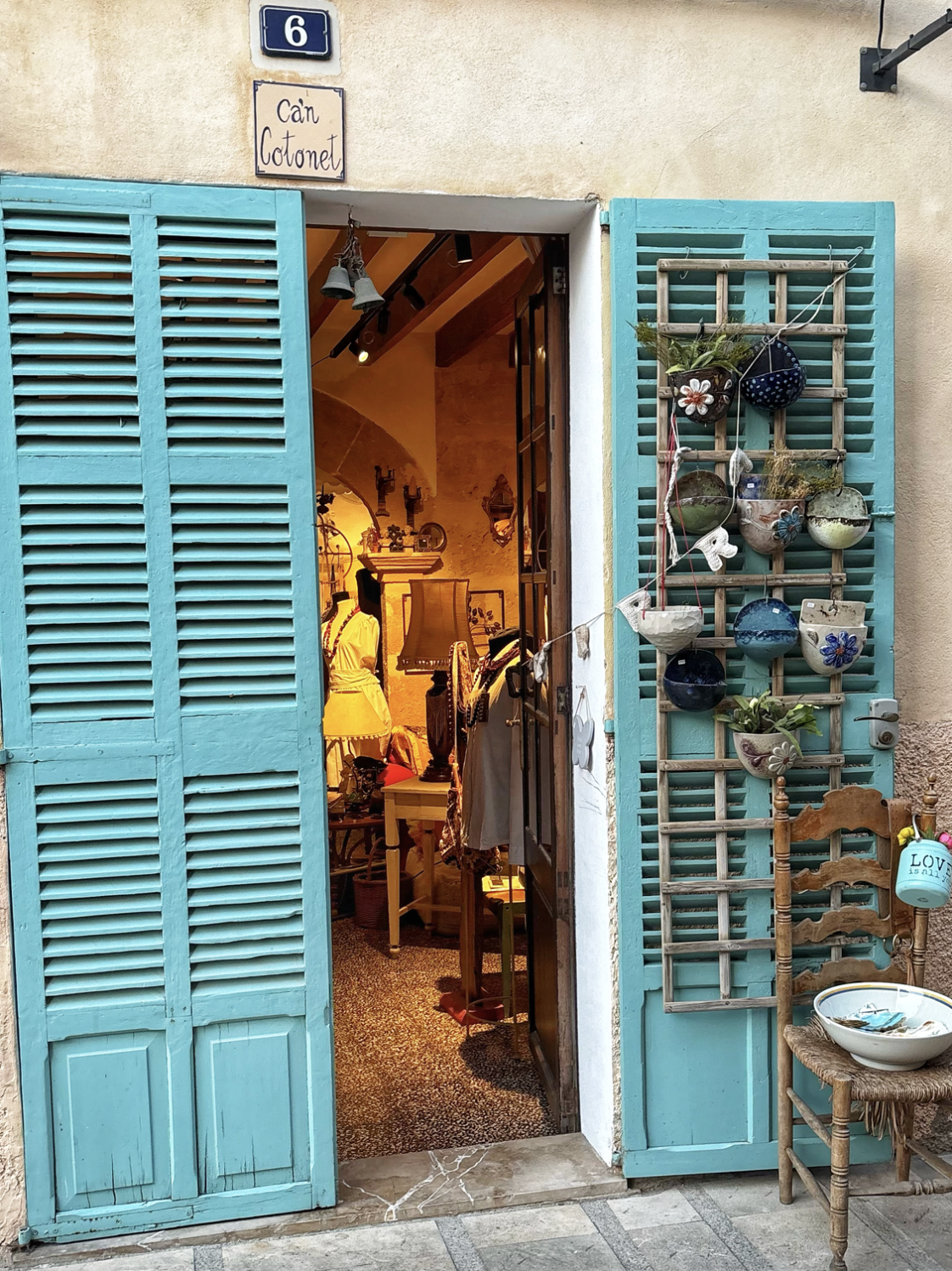
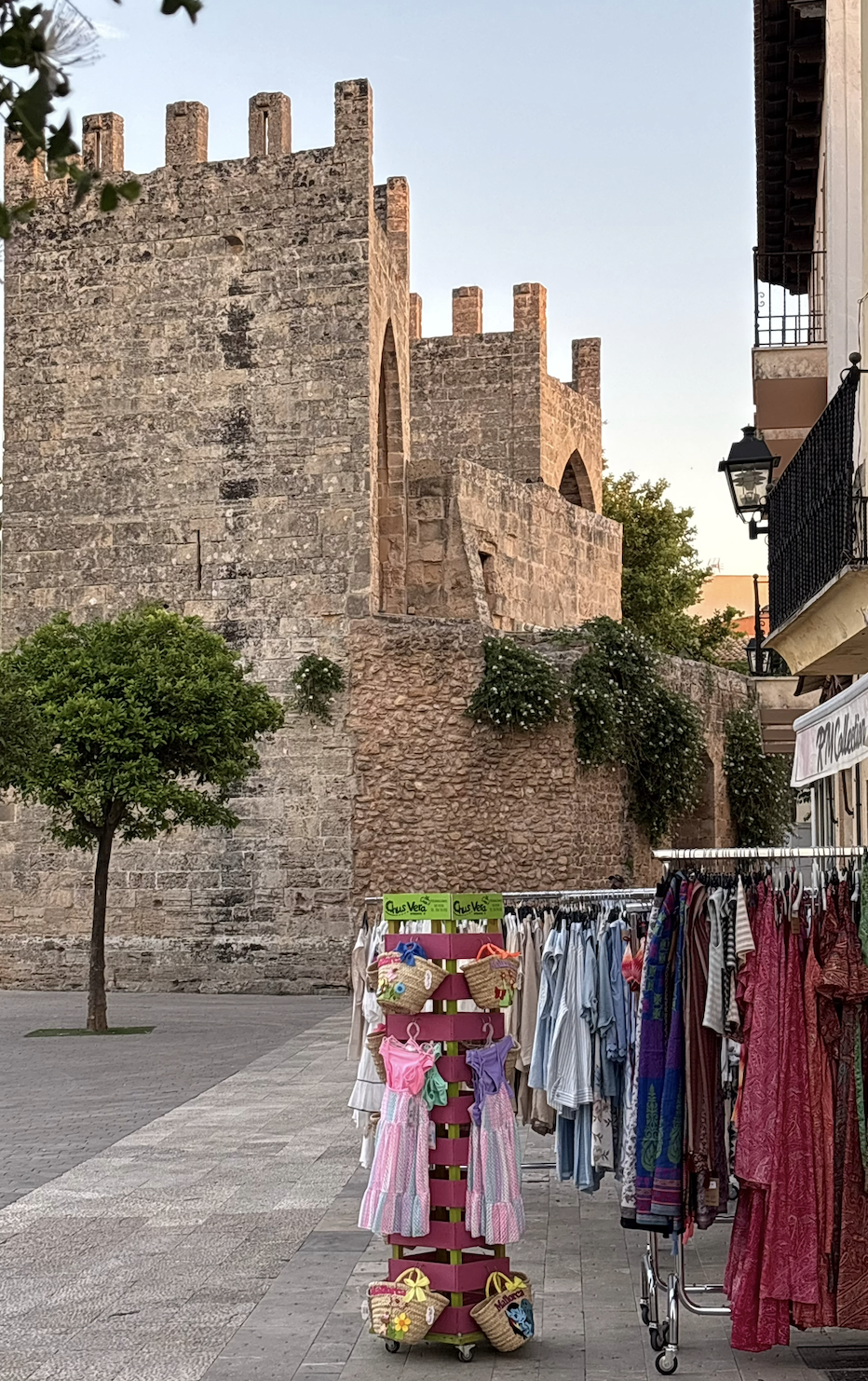
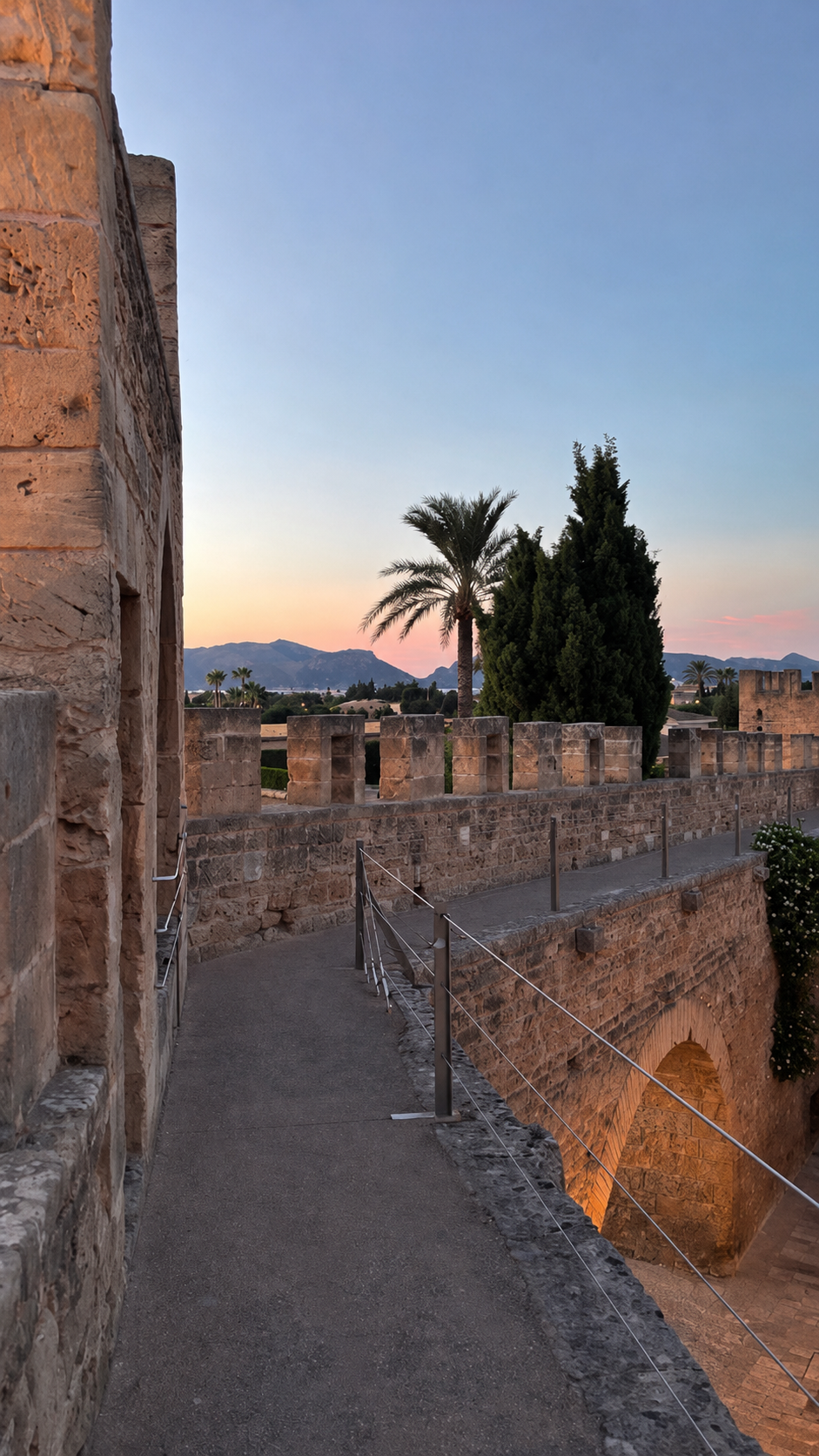
I ended Day 3 of my trip in Alcúdia, which has a beautiful old town and a thriving port area. I absolutely loved Old Town Alcúdia, which sits inside ancient medieval walls that you can in fact walk for free. I'd recommend simply getting lost in the narrow cobblestone streets here, where you'll uncover charming stone buildings with colourful shutters tucked away around every corner. Old Town Alcúdia is a great place to pick up a souvenir, with plenty of independent shops selling local crafts, clothing, food and gifts. If you're looking for somewhere to eat in Alcúdia Old Town, I had dinner at Restaurante Cellar C'an Costa, which is said to be one of Mallorca's oldest restaurants. It had a great tapas menu, as well as delicious seafood, making it a lovely spot to enjoy dinner after a long day of sightseeing. I recommended booking ahead if you're visiting during the busier summer months.
Where to stay in Alcúdia: O7 Be Klub
Day 4: Santanyí
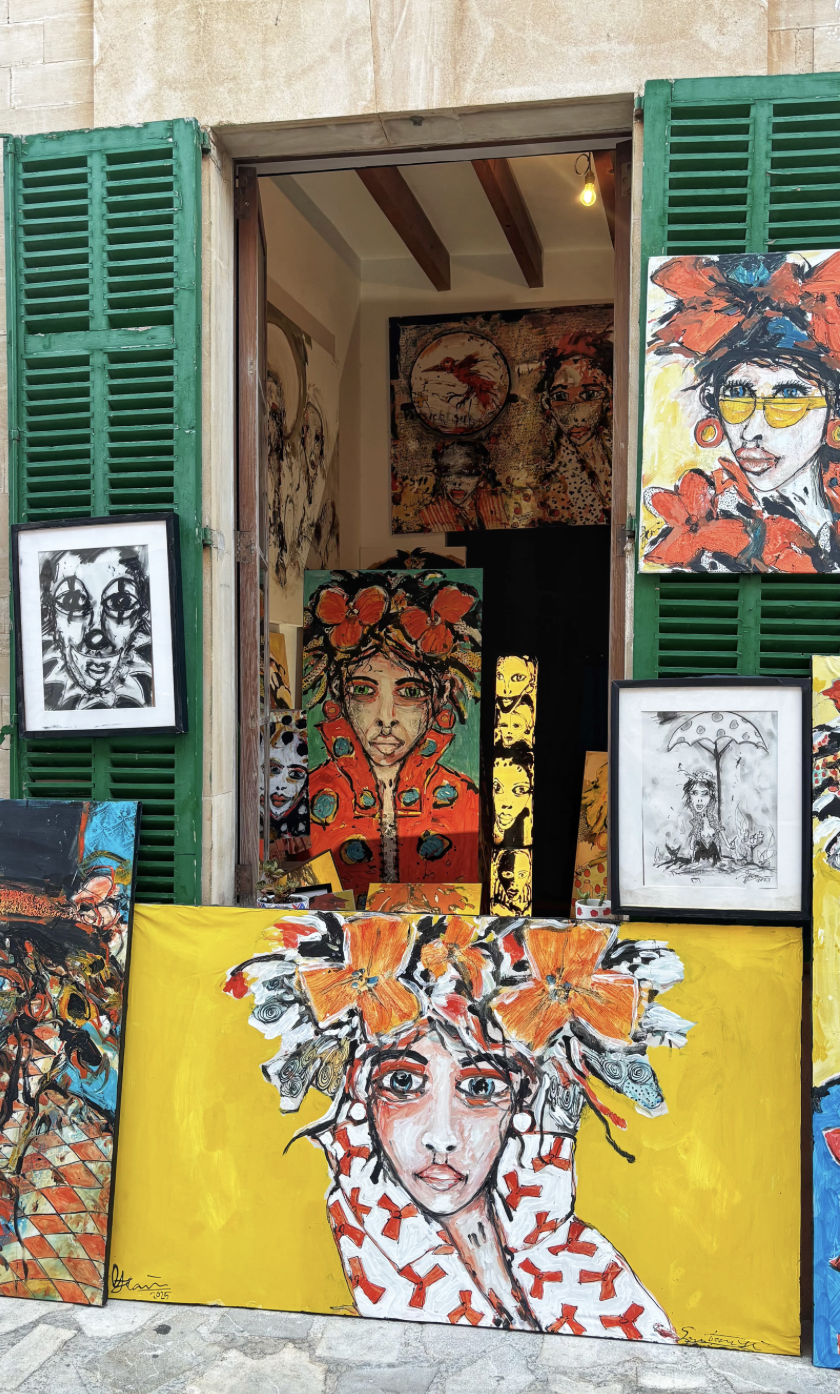
After several days exploring Mallorca's mountains and northern coastline, I was ready to discover a completely different side of the island. So I decided to head to the southeast coast of Mallorca which is known for having beautiful coves with turquoise waters. It took me just over an over via Ma-13 highway to reach Santanyí, a charming market town which I absolutely recommend visiting on market day if you can. The market days take place at Plaça Major in the town’s historic centre on Saturdays and Wednesdays from 9am to 2pm. It can get crowded in Santanyí on market day, so I recommend arriving earlier if you can so you can find a space in the public car parking before it gets too busy. I actually loved the lively atmosphere in Santanyí after having a few peaceful days in the north. Santanyí has a great selection of bars and places to eat, along with a selection of shops, galleries and boutiques.
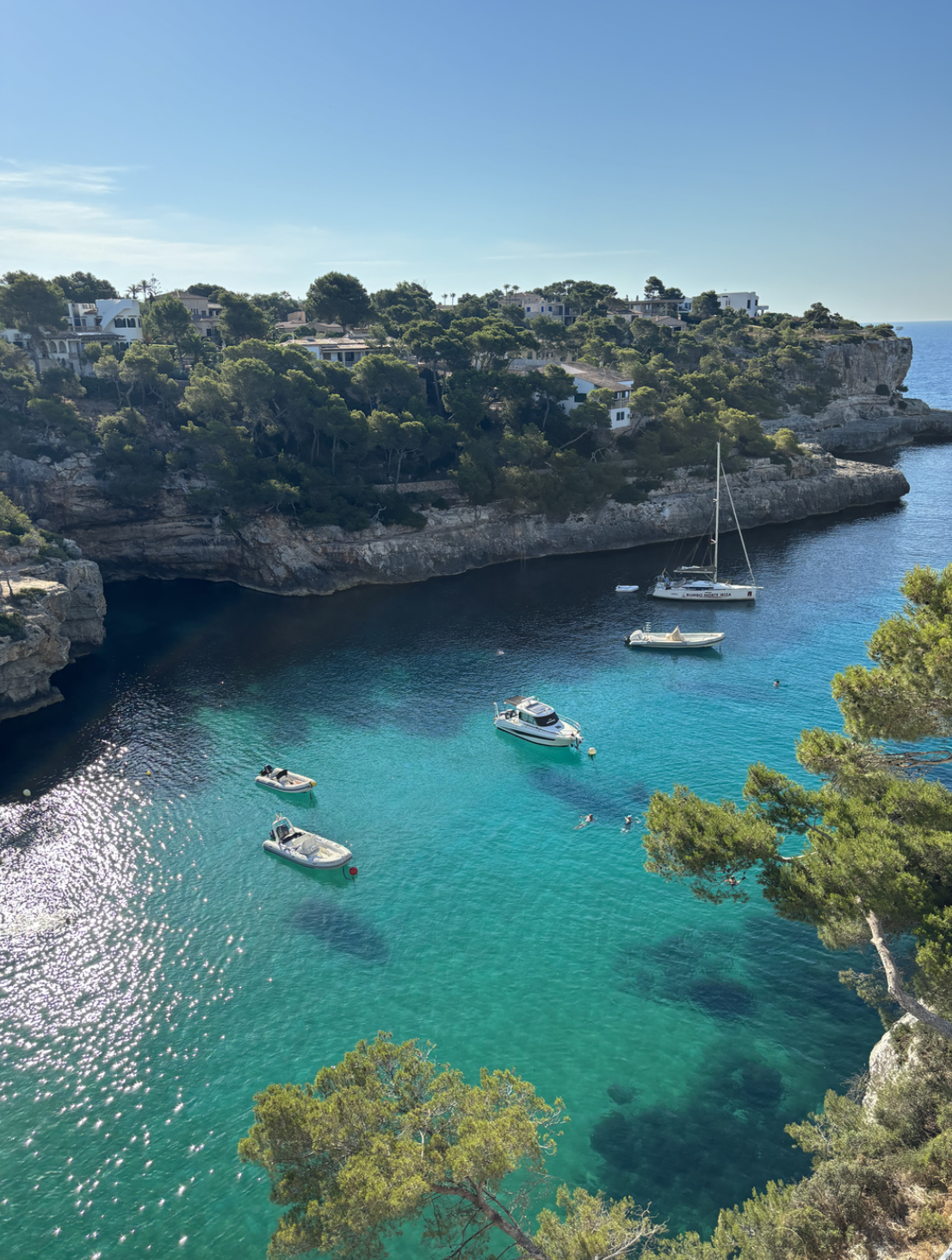
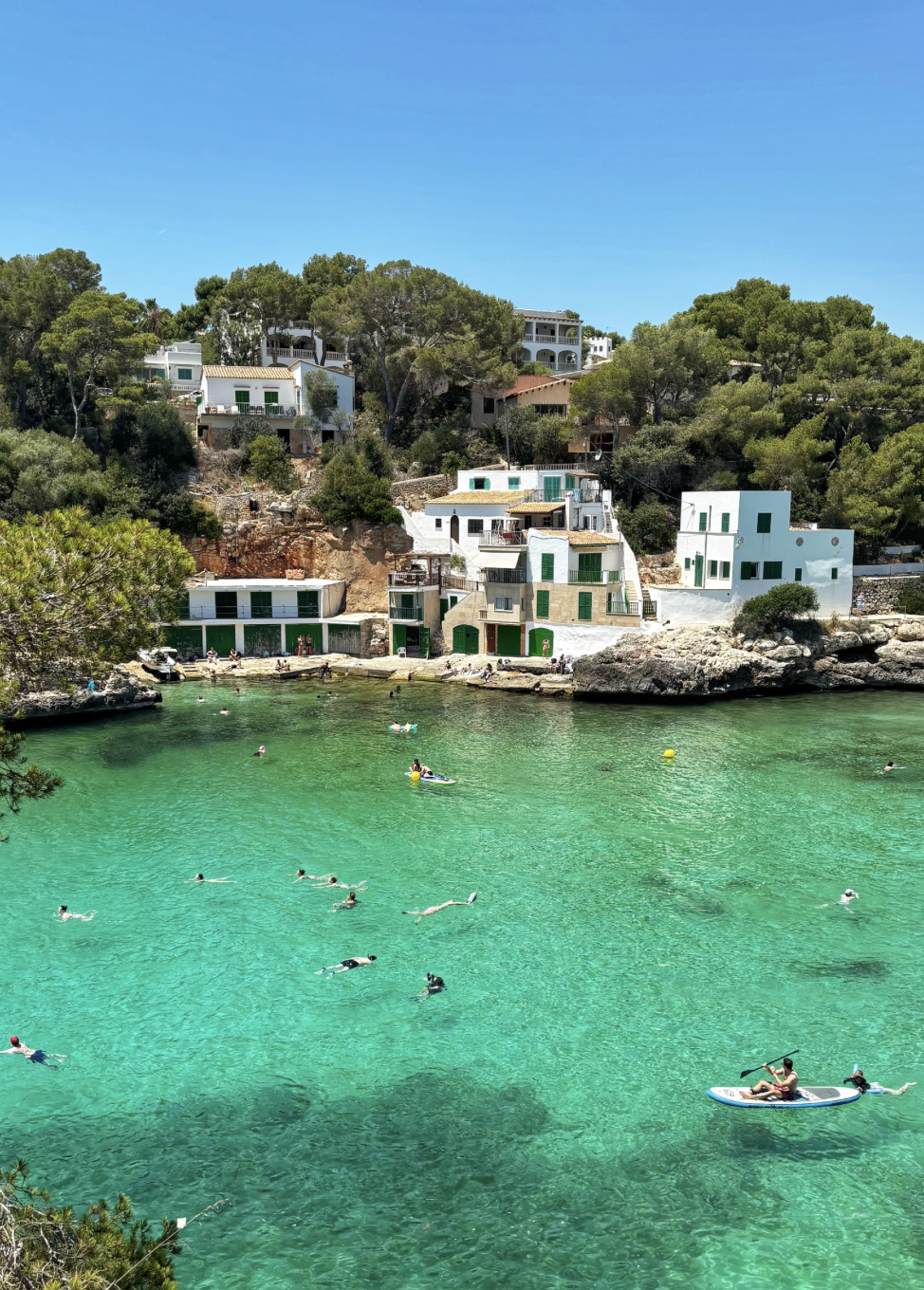
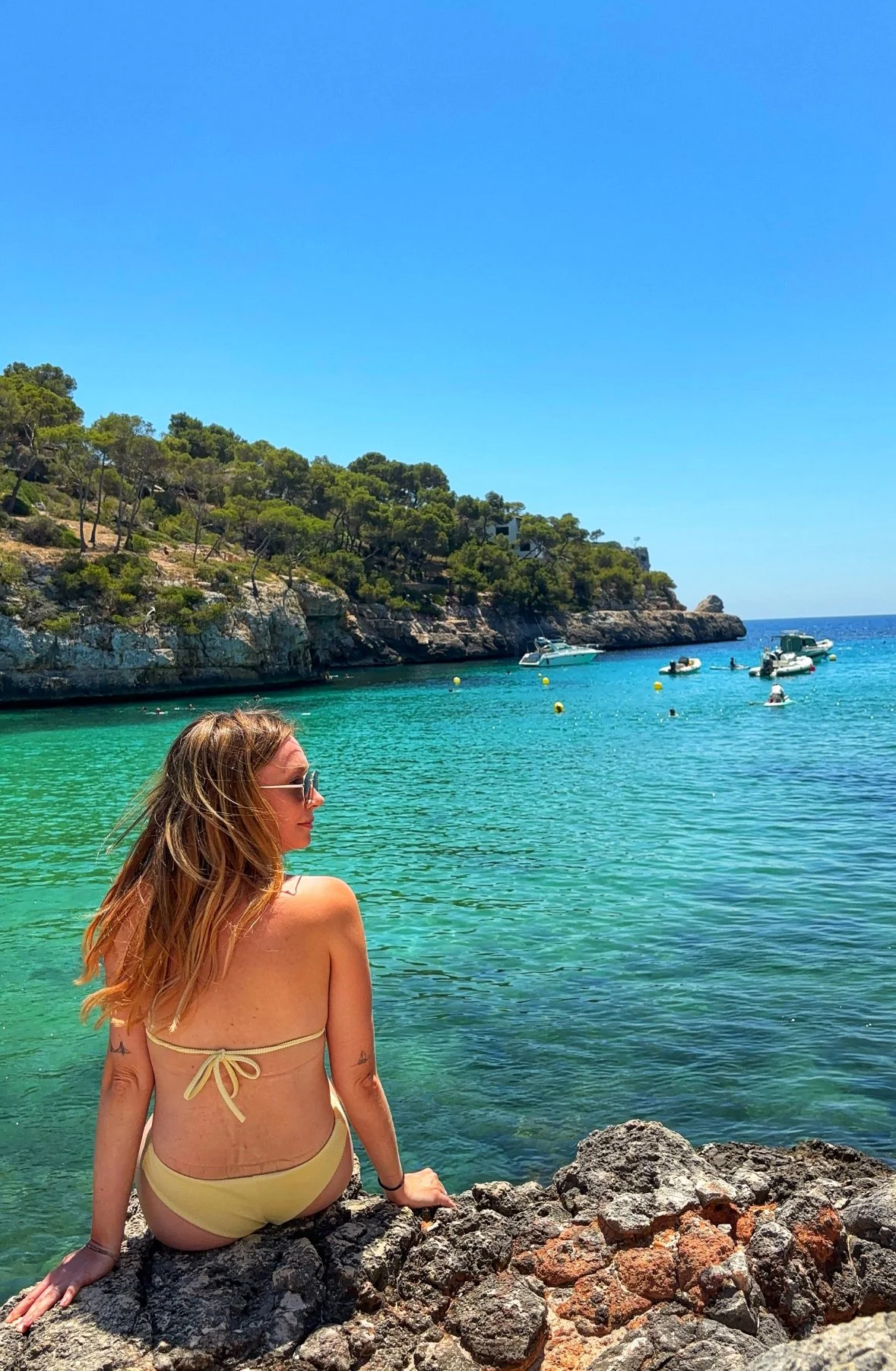
Santanyí was my first stop before continuing on to Cala Santanyí, where I would be stay for the next few days. Cala Santanyí was probably my favourite place in all of Mallorca to visit. I fell in love with this beautiful cove and its beach. It is as beautiful as those photos you’ve seen on Instagram. It is the perfect spot for swimming and snorkelling and, if you are brave, you can jump off the cliff side platforms too. There are a number of beach bars, cafes and restaurants in Cala Santanyí, along with a few small supermarkets if you want to grab some snacks. My favourite spot here was the cliffside platform on the lefthand side of the cove looking out to sea. To find it, make your way to Hotel Palmaria and take the steps down in front of the property where you find a path that meanders its way to the platform.
Where to stay in Cala Santanyí: Hotel Pinos Playa
Day 5: Explore Mallorca's Calas
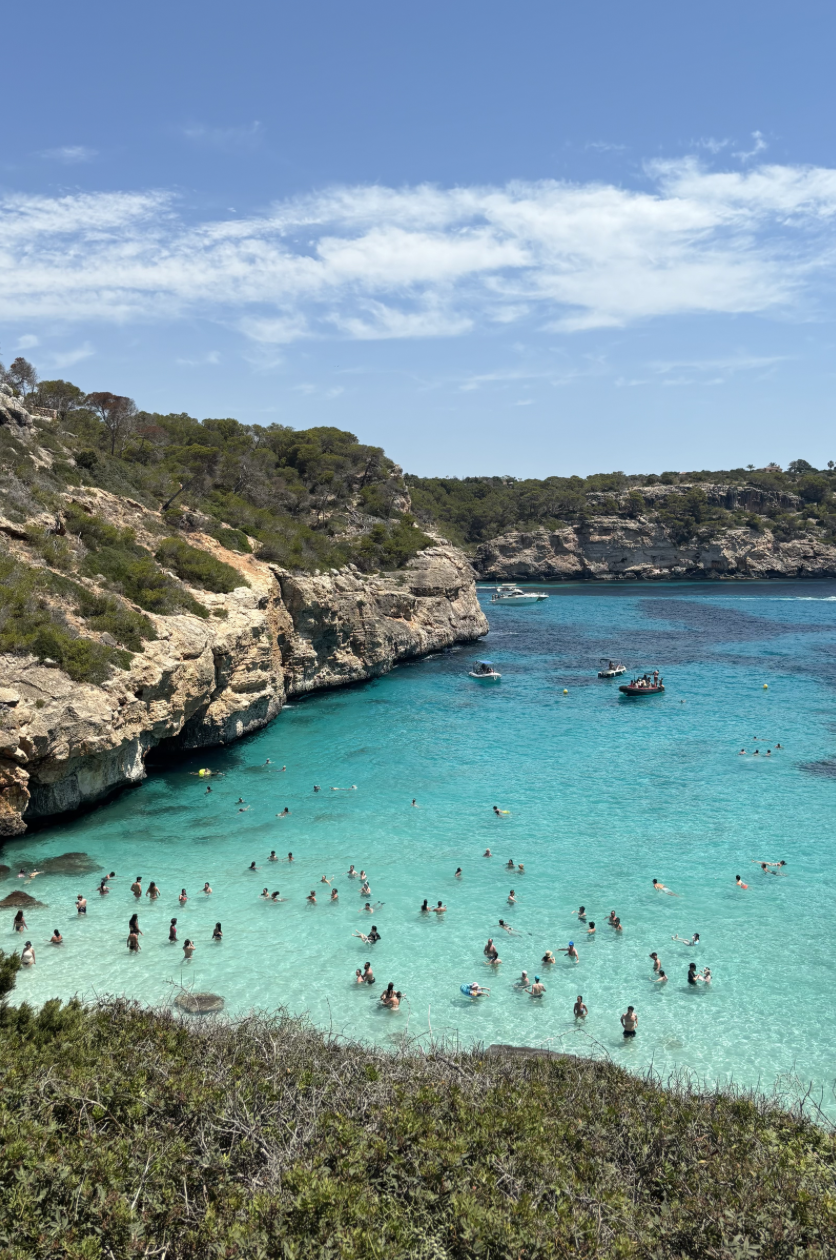
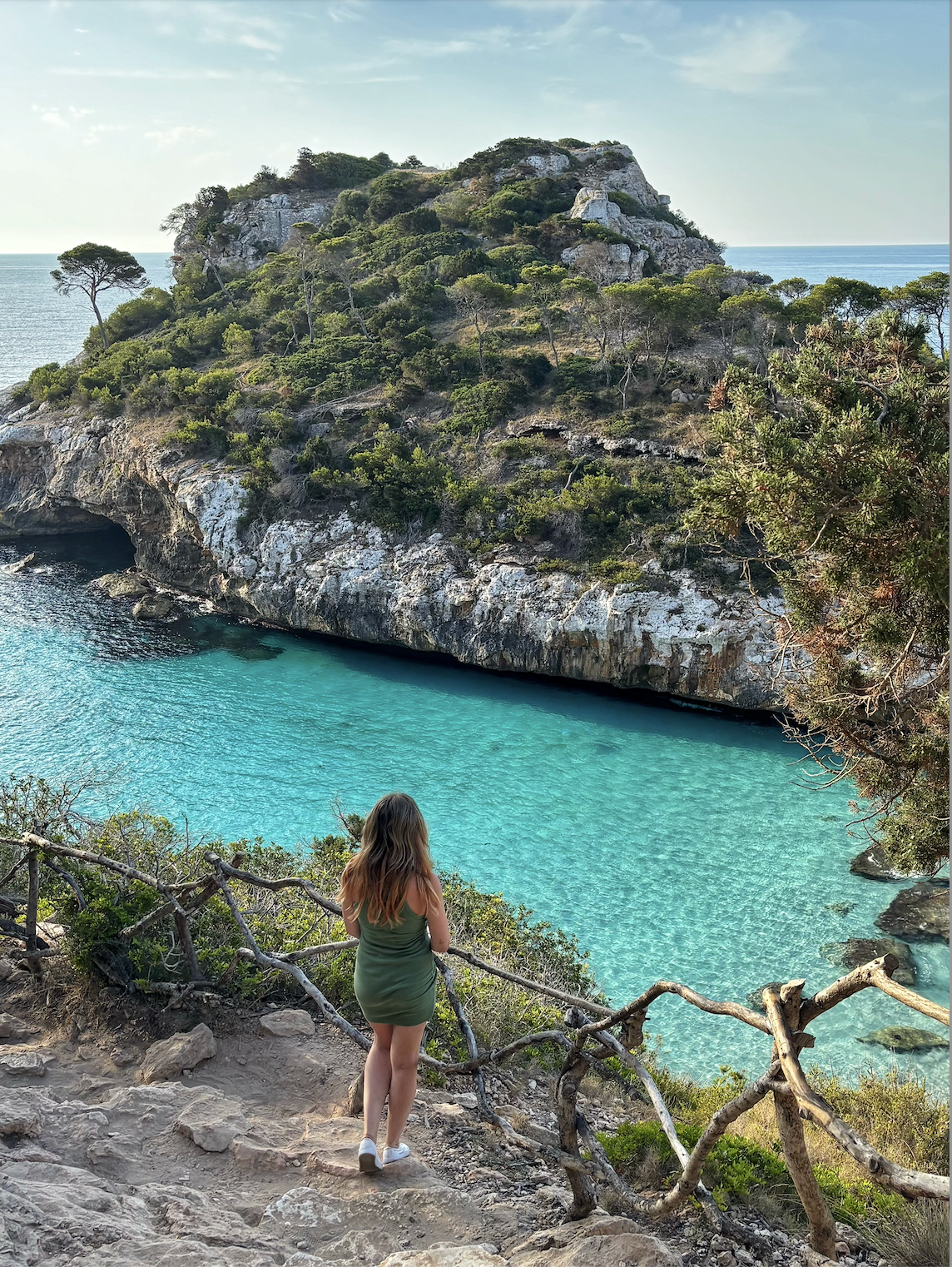
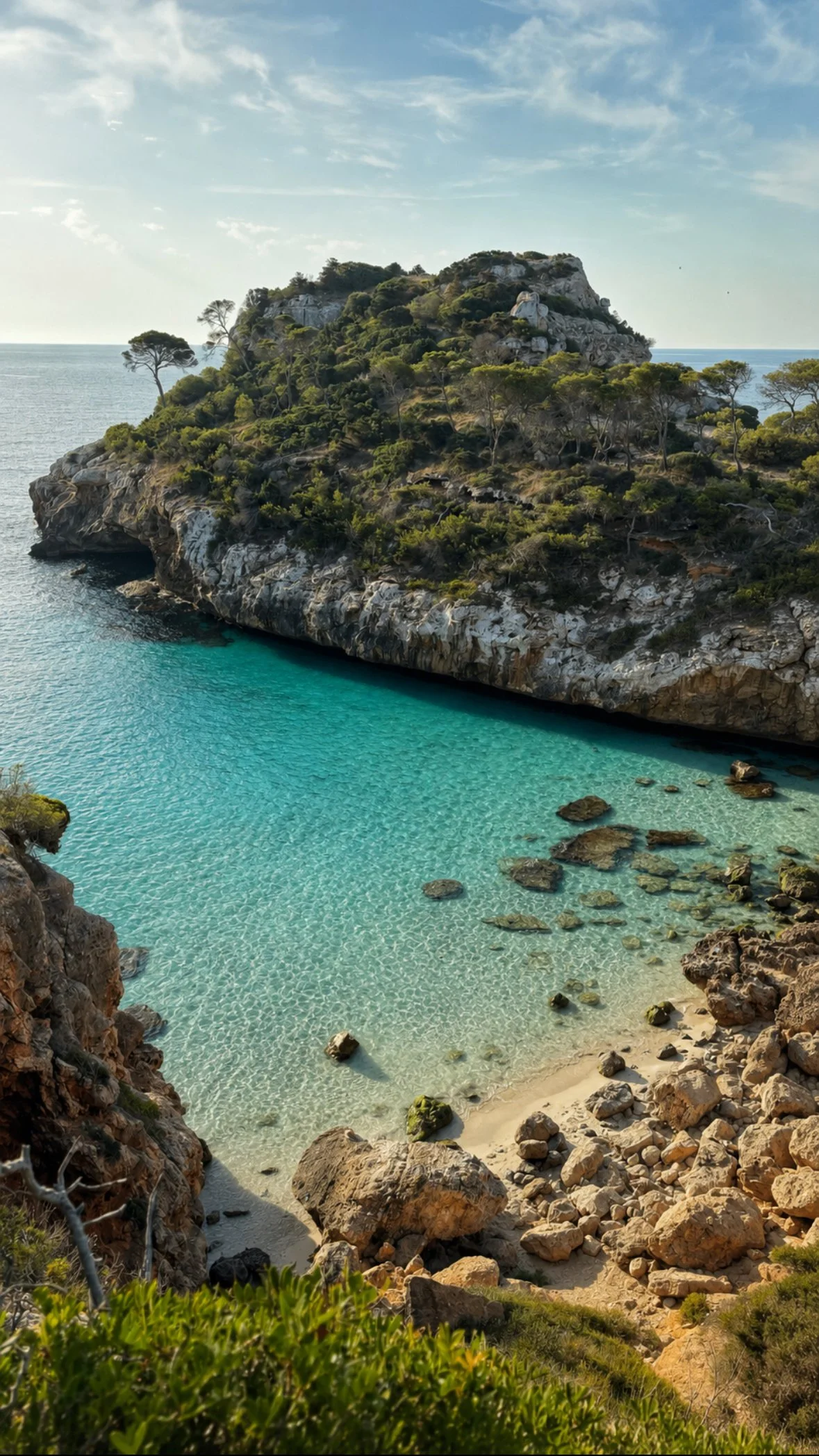
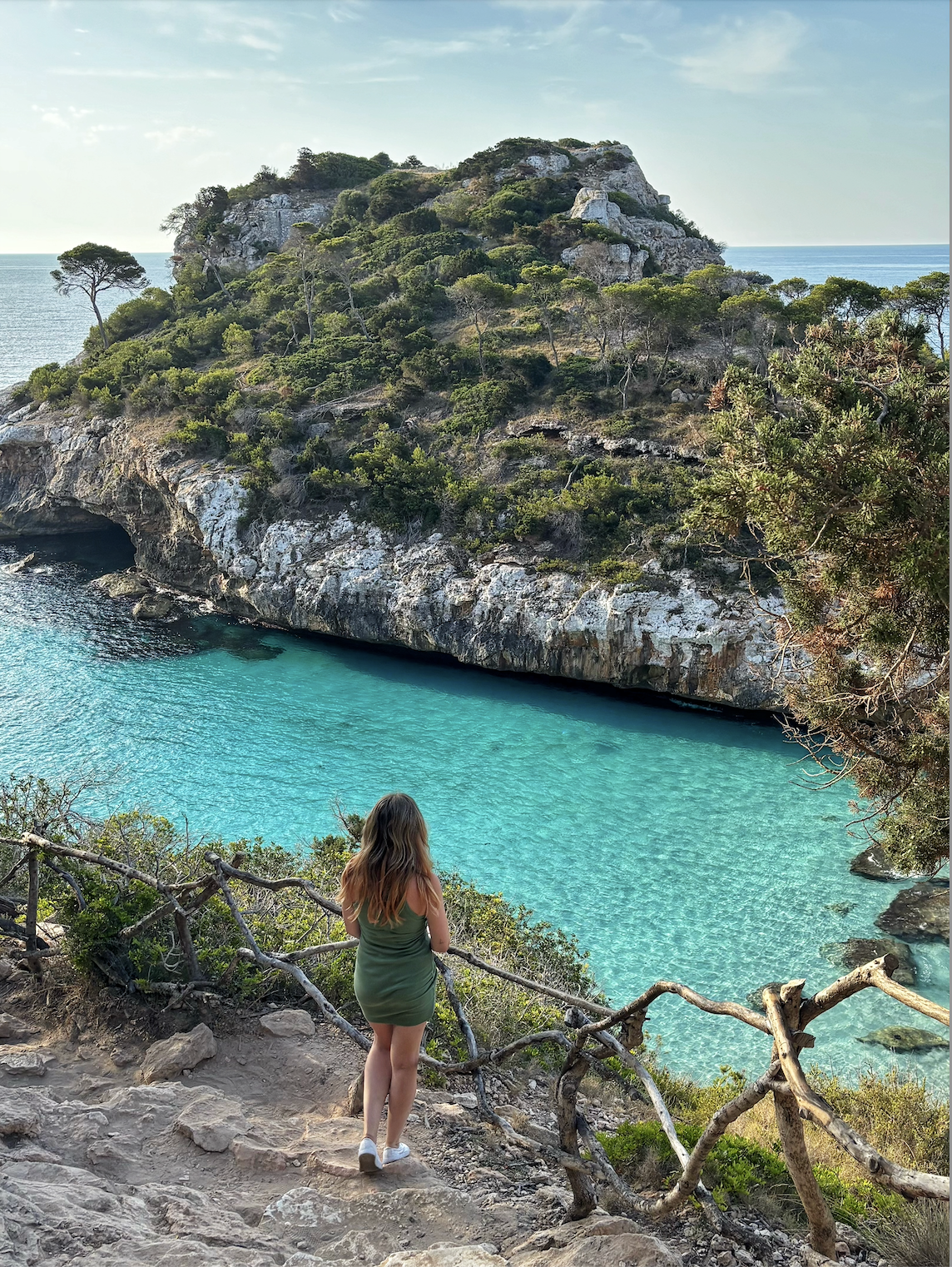
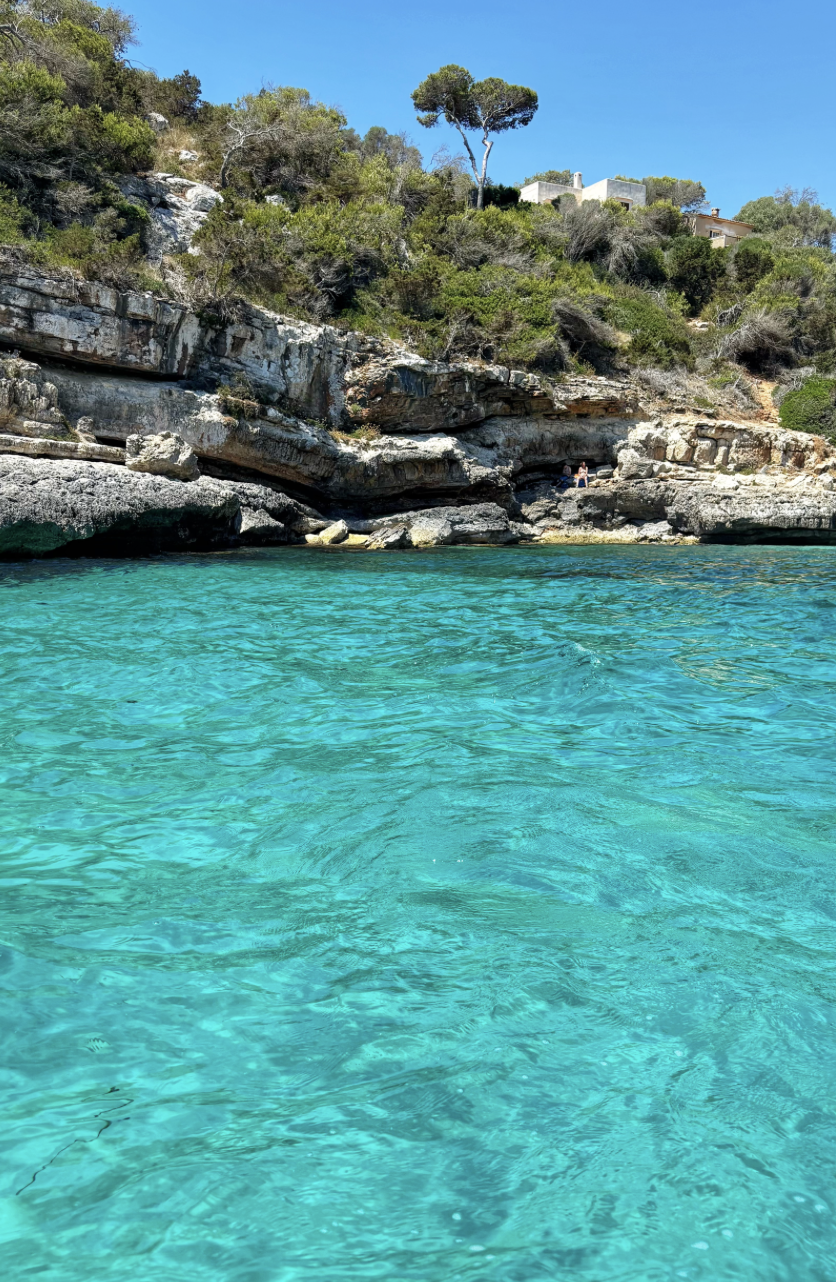
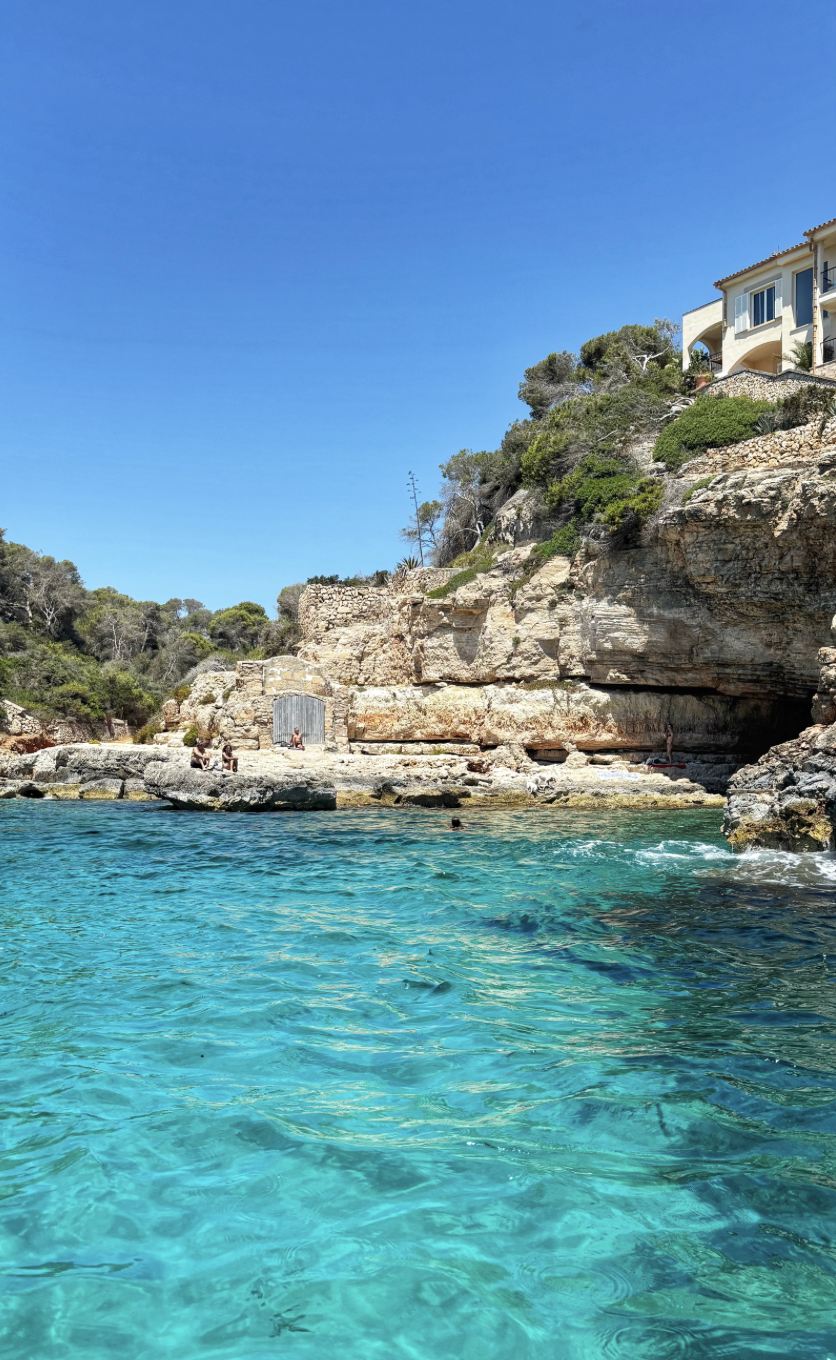
One of the biggest challenges when planning a trip to southeast Mallorca is deciding which beaches and calas to visit. There are dozens of beautiful coves scattered along this stretch of coastline and realistically, you could spend days trying to see them all. So I decided to start with one of the most famous: Cala del Moro. Known for its spectacular setting, Cala del Moro is one of the most beautiful beaches in Mallorca, but also one of the busiest. If you want to experience Cala del Moro without the crowds, my biggest tip is to arrive early. I got there at around 7:30am for an early morning swim and there were only a handful of other people there. Having this tiny slice of paradise almost to myself was definitely worth the early start! I’ve never seen water so clear in my life! Top tip: Leave no trace. Cala del Moro has no facilities and is not geared for tourism, so please respect the locals and take any rubbish with you. The more we leave no trace, the more we can continue to enjoy nature spots like Cala del Moro.
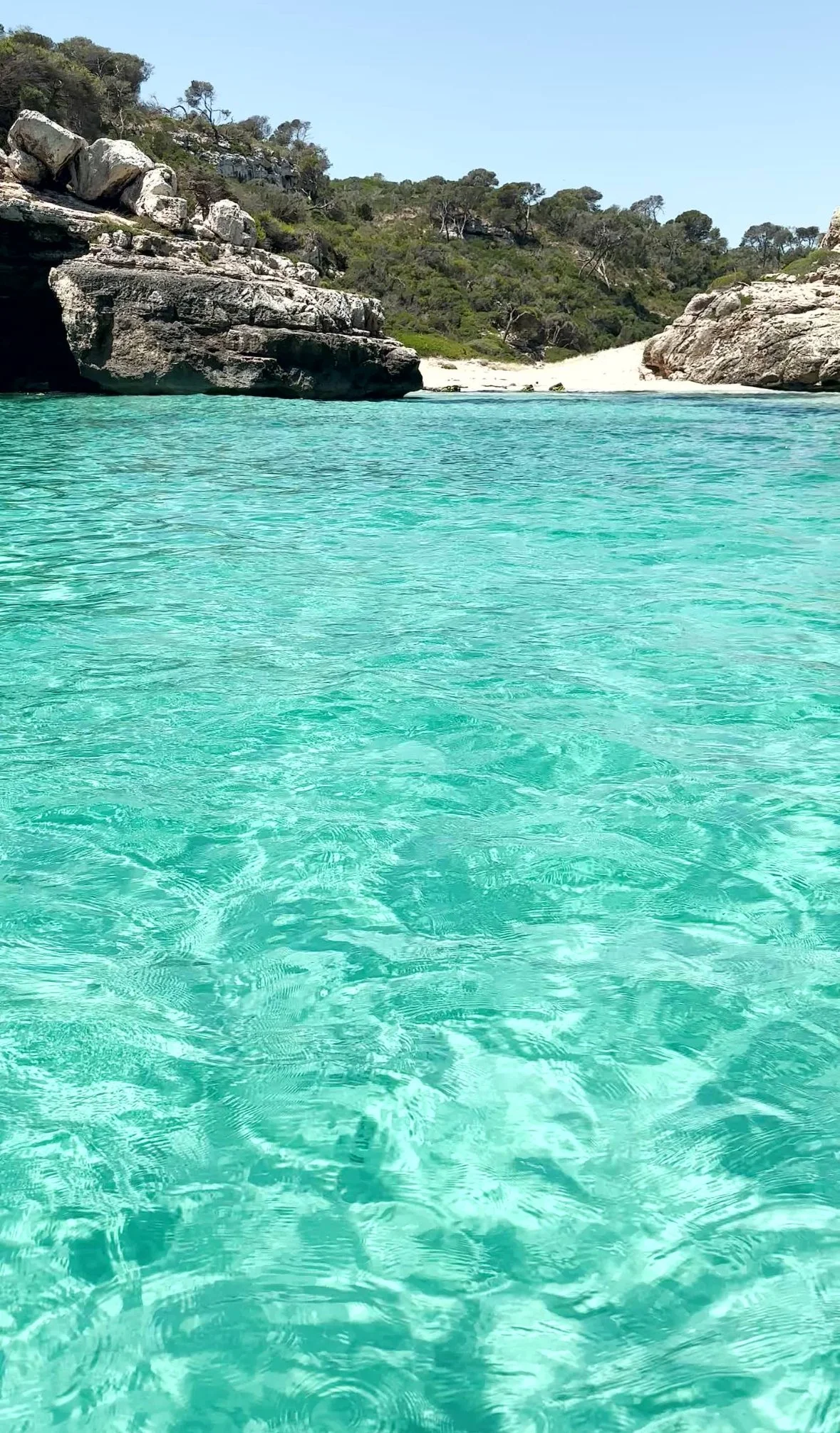
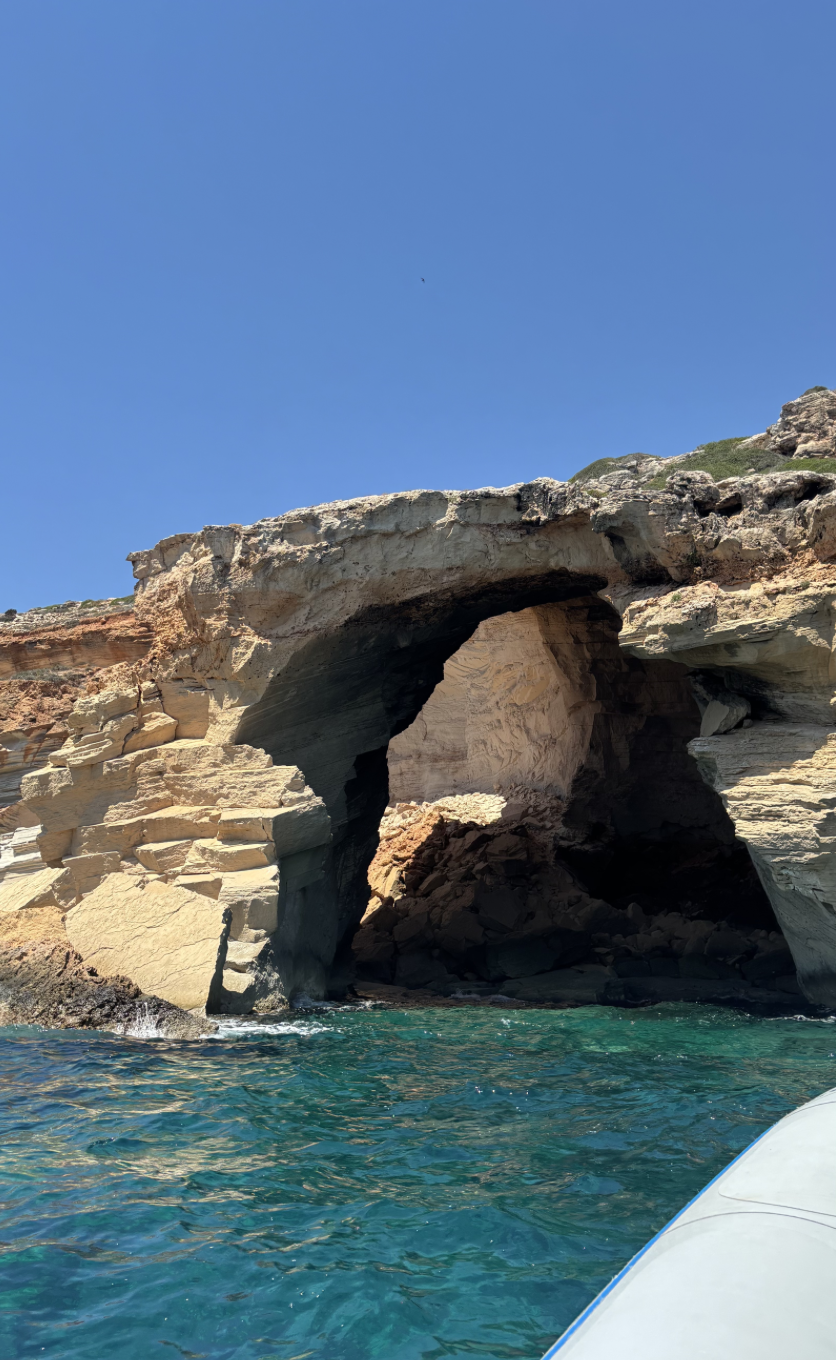
With so many stunning calas along the southeast coast, I wanted to see more than I could realistically reach by car. Rather than trying to visit them all individually and rush, I decided to take a boat tour with GetYourGuide. Starting from Cala Figuera, which is about 15 minutes drive from Cala del Moro, this 4 hour boat trip will take you to the Mallorca’s best Cala’s including Cala Llombards, S'Almunia, Cala del Moro and Cala Màrmols, a spot accessible only by boat or a long hike. You will stop for a swim at Cala Màrmols or can enjoy relaxing on the boat with a complimentary drink. If you want to see several of the island's famous calas without spending your entire trip driving between beaches, I'd definitely recommend adding a boat tour to your Mallorca itinerary. It's an easy and enjoyable way to experience more of Mallorca's spectacular southeast coastline in a single day.
Day 6: Palma
After several relaxing days exploring Mallorca's southeast coastline, I was ready to enjoy a few days exploring Mallorca’s capital city of Palma. As my road trip was coming to an end, I decided to return my hire car to Wiber near Palma Airport and take the shuttle bus into the city from the airport. This meant I could avoid driving and looking for parking in Palma, which I had heard can be expensive and difficult to find, particularly in and around the historic centre. The journey leaving Cala Santanyí into Palma (including car drop off etc) took me a couple of hours in total, so if you're following my 7-day Mallorca itinerary, I'd recommend setting off from Cala Santanyí early. This will give you much more time to explore the city of Palma without feeling rushed.
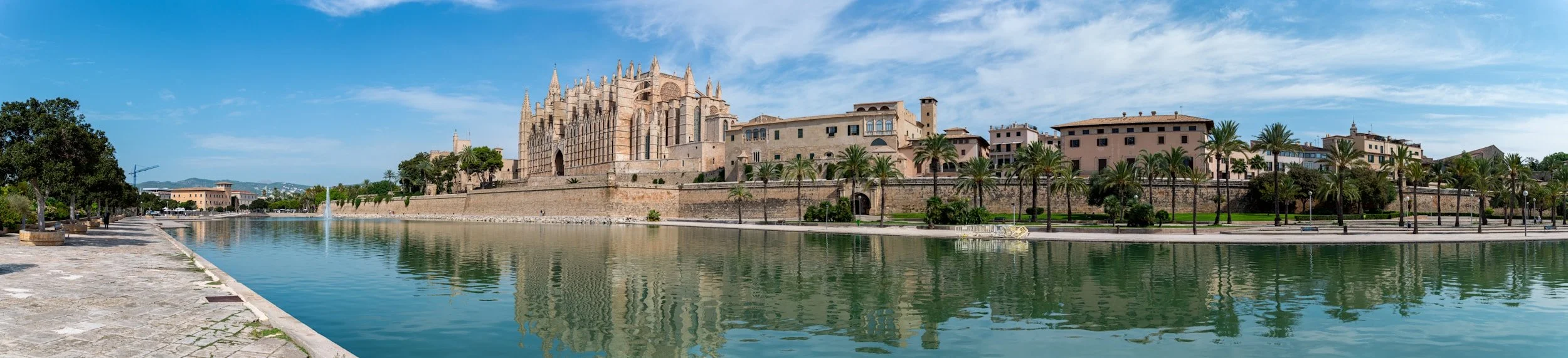
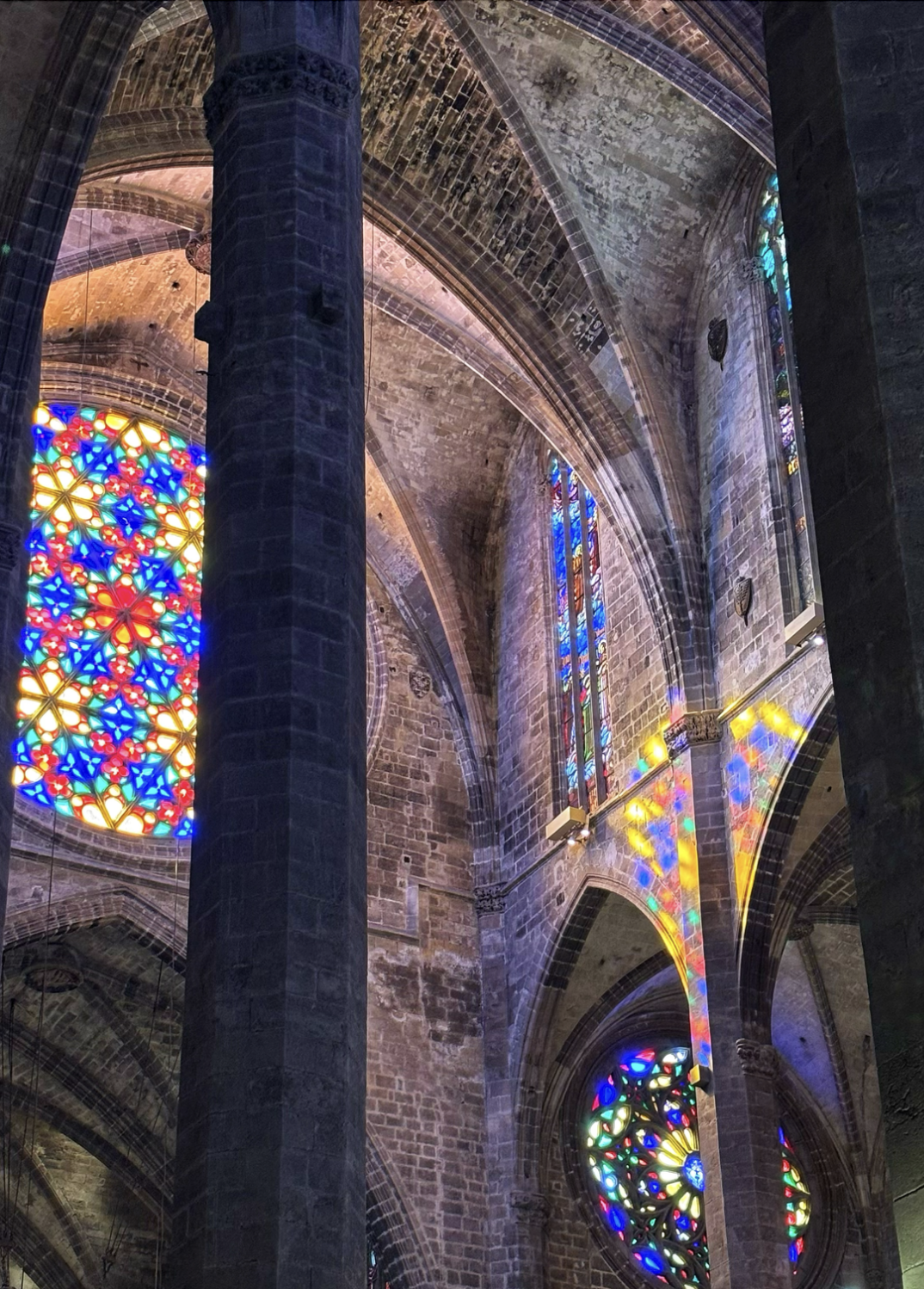
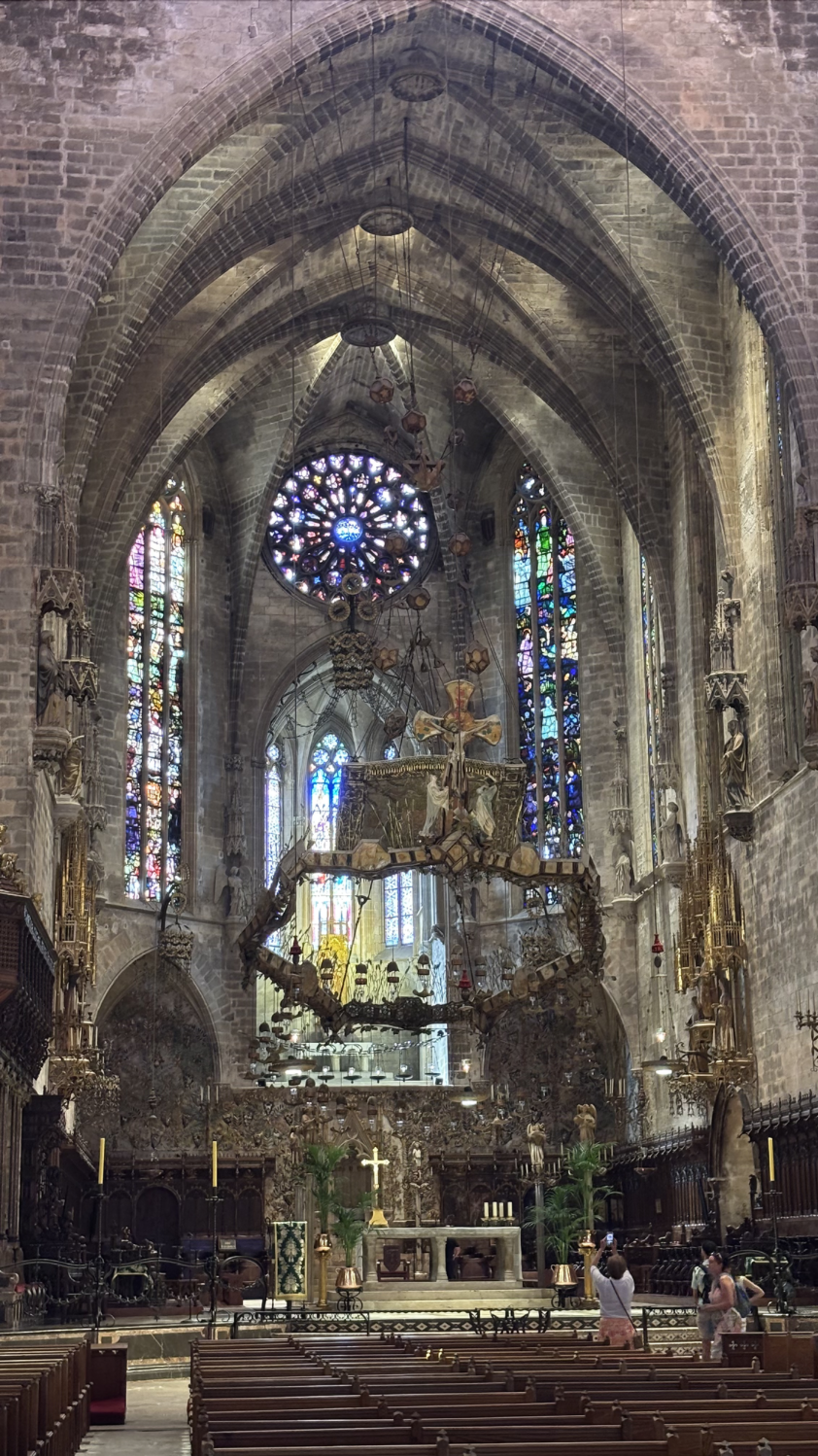
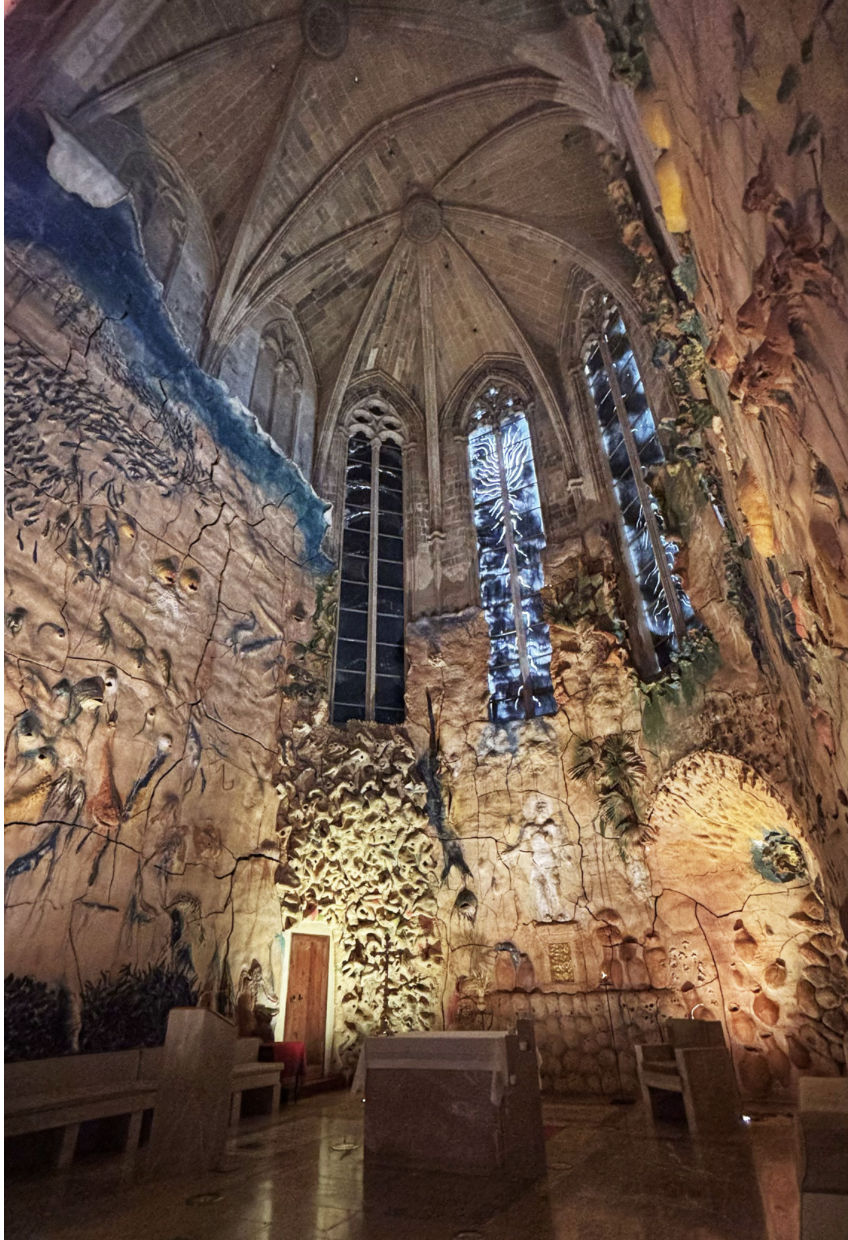
I started my afternoon at Palma Cathedral, one of the city's most recognisable landmarks. This enormous Gothic cathedral sits directly overlooking the Mediterranean and is particularly impressive from the outside. Fun fact: Antoni Gaudí was commissioned to carry out a restoration project at Palma Cathedral. His works here included redesigning the interior to bring more light into the building and creating a striking wrought-iron canopy above the main altar. The opening times for Palma Cathedral are from 10am to 5:15pm Monday to Friday, with shorter hours Saturday and closure for mass on Sundays. I'd recommend booking your ticket in advance, especially if you're visiting Palma during the busy summer months. If you can, I'd recommend choosing a ticket that includes access to the cathedral roof. The rooftop offers amazing panoramic views across Palma and is well worth the climb. It also allows you to get right up close to the cathedral's incredible stained-glass windows, including the Rose Window, one of the largest Gothic windows in Europe. Book your tickets for Palma Cathedral in advance through the official website click here.
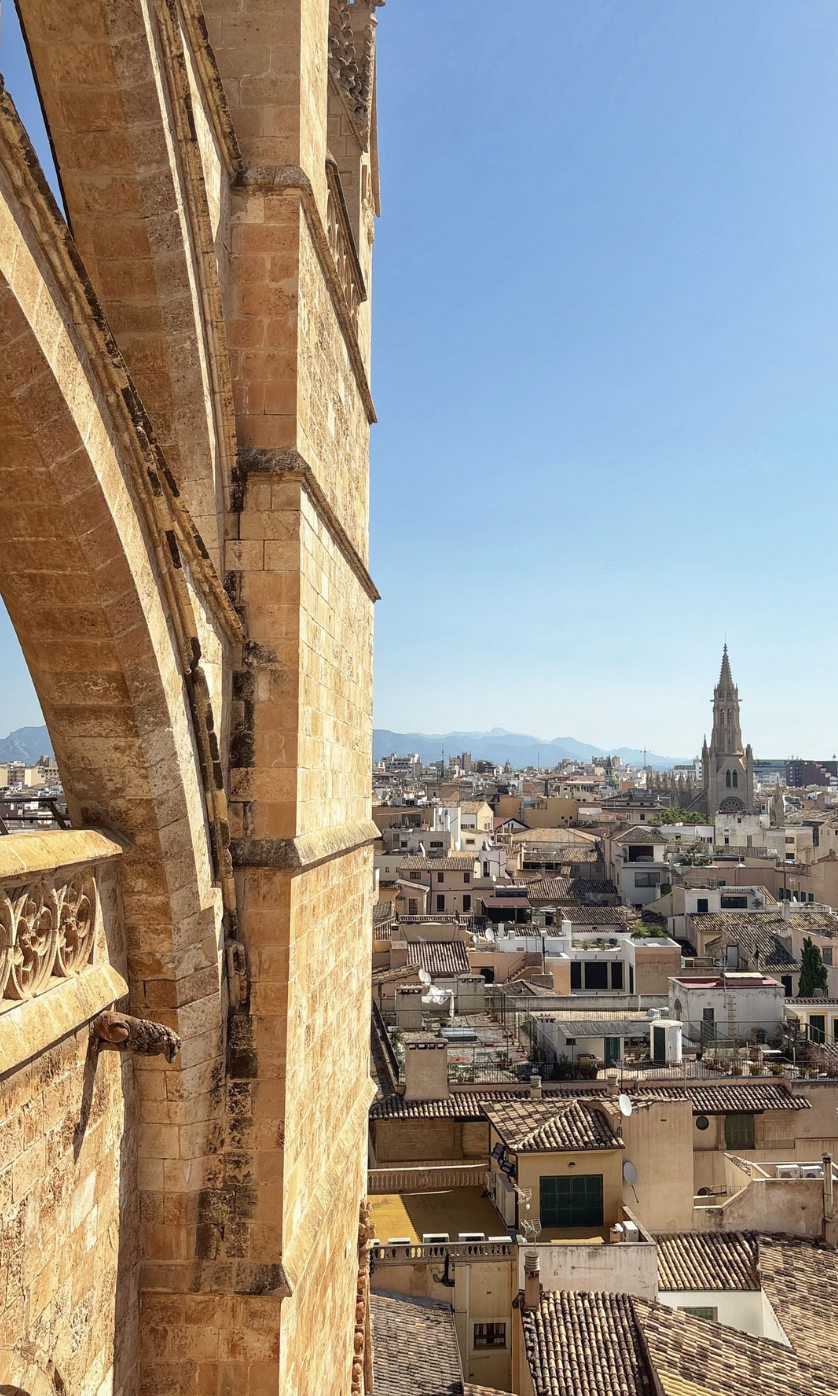
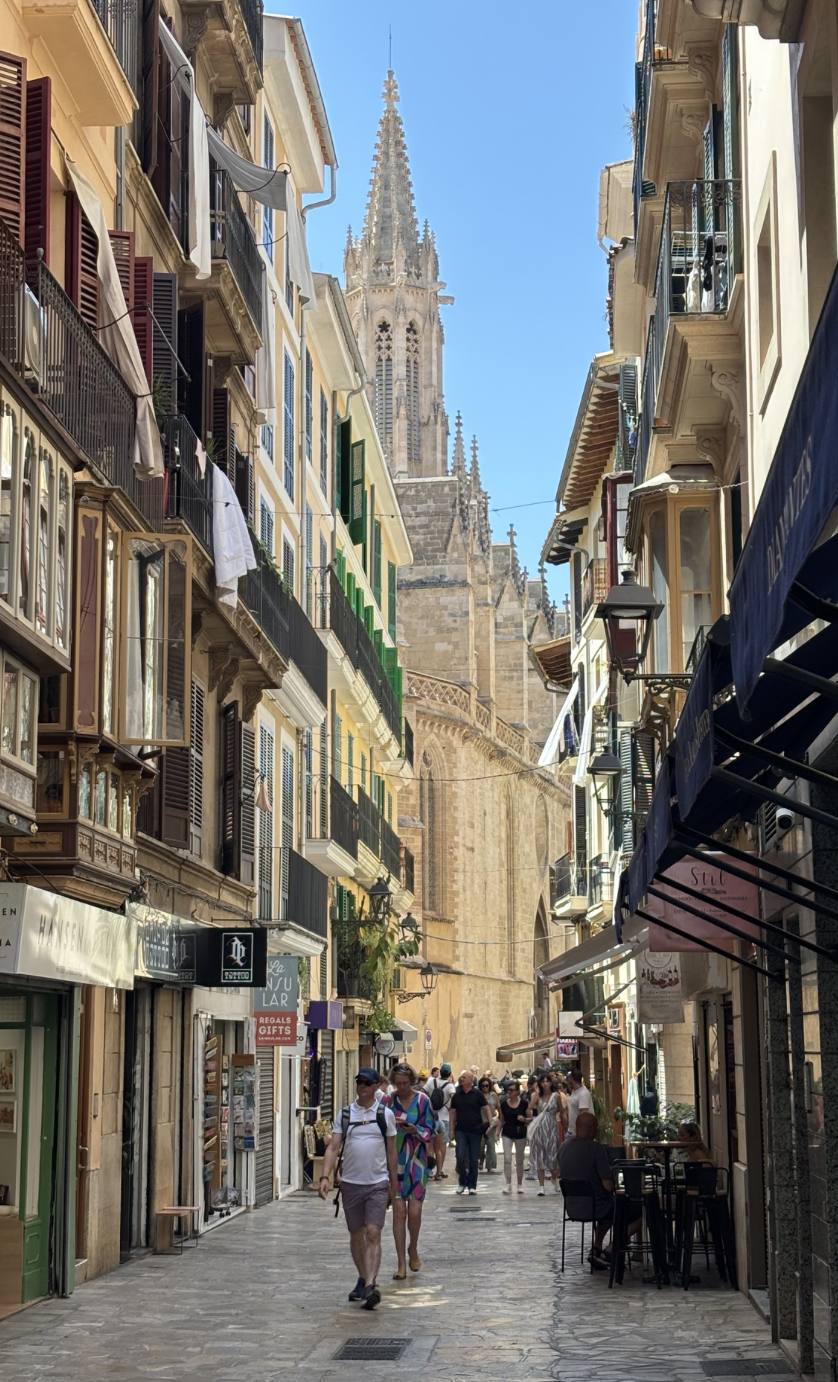
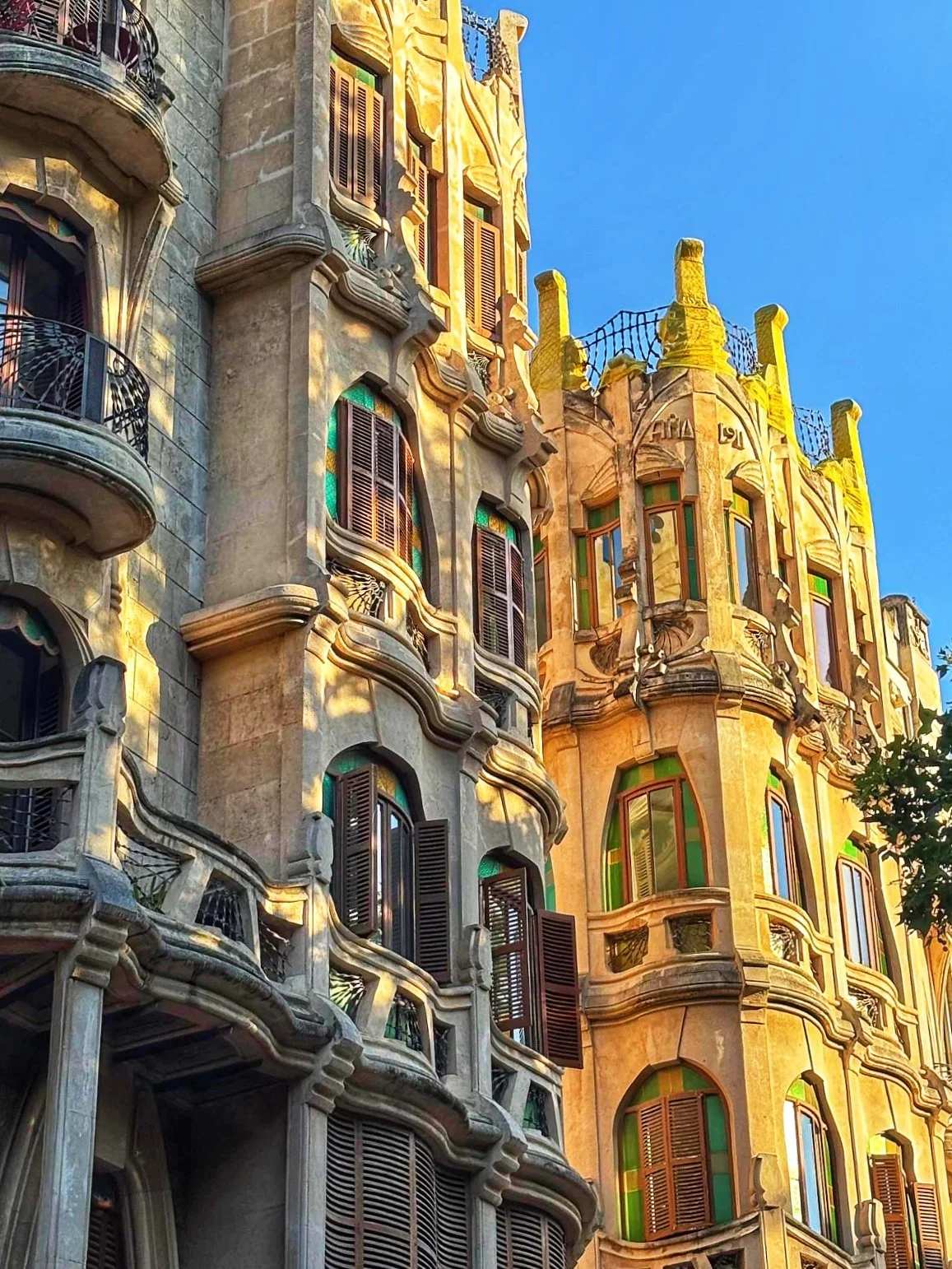
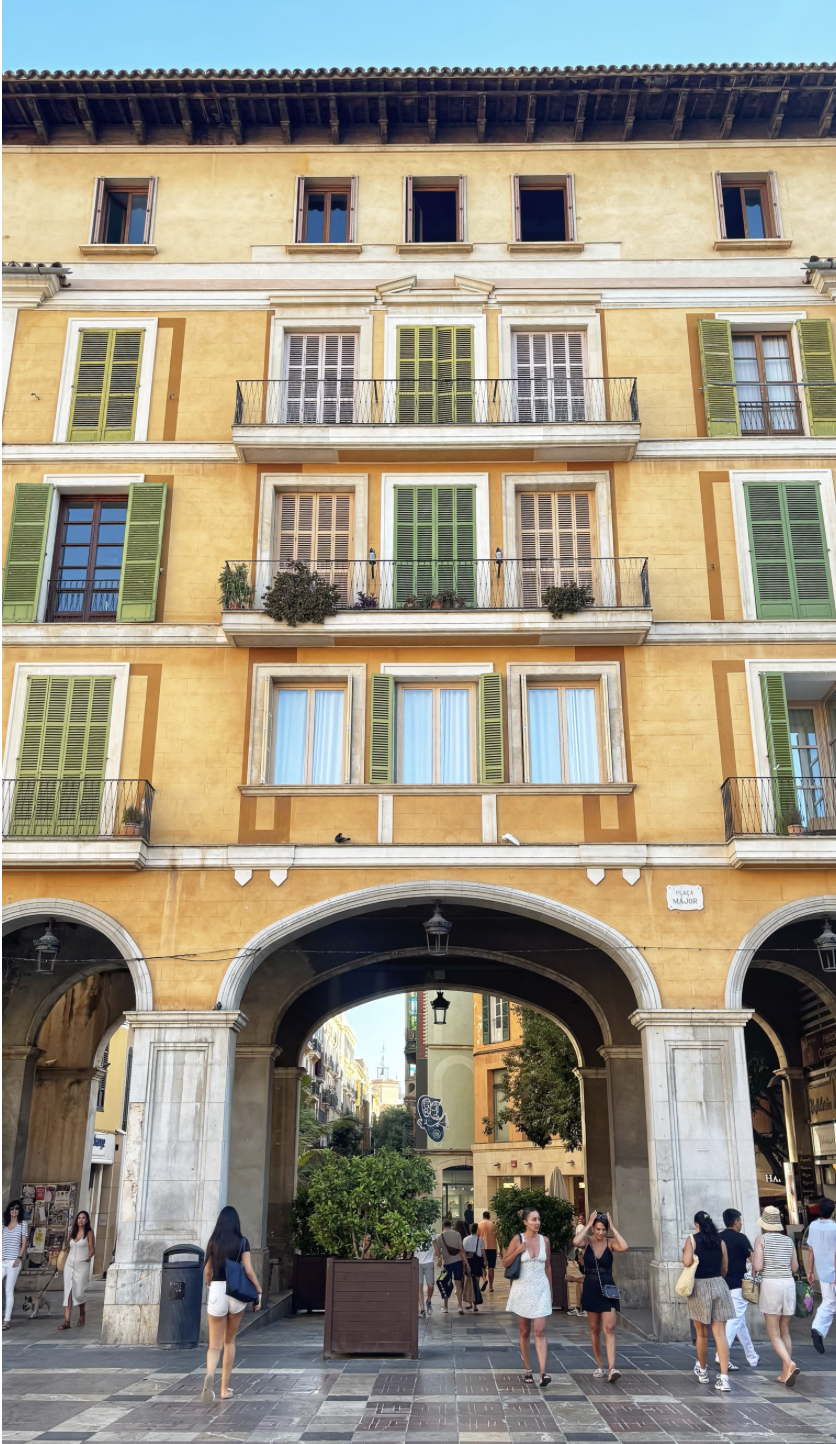
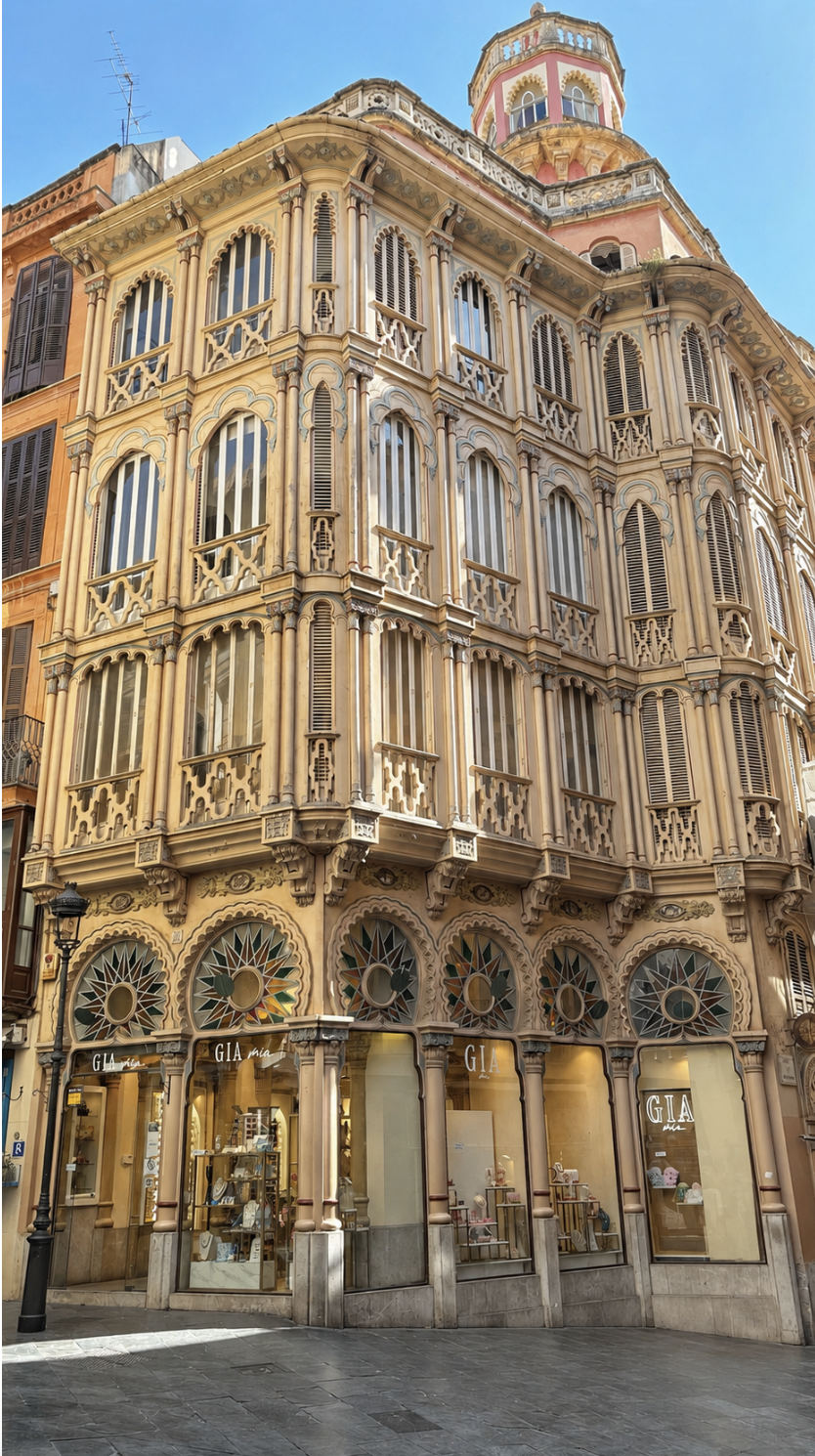
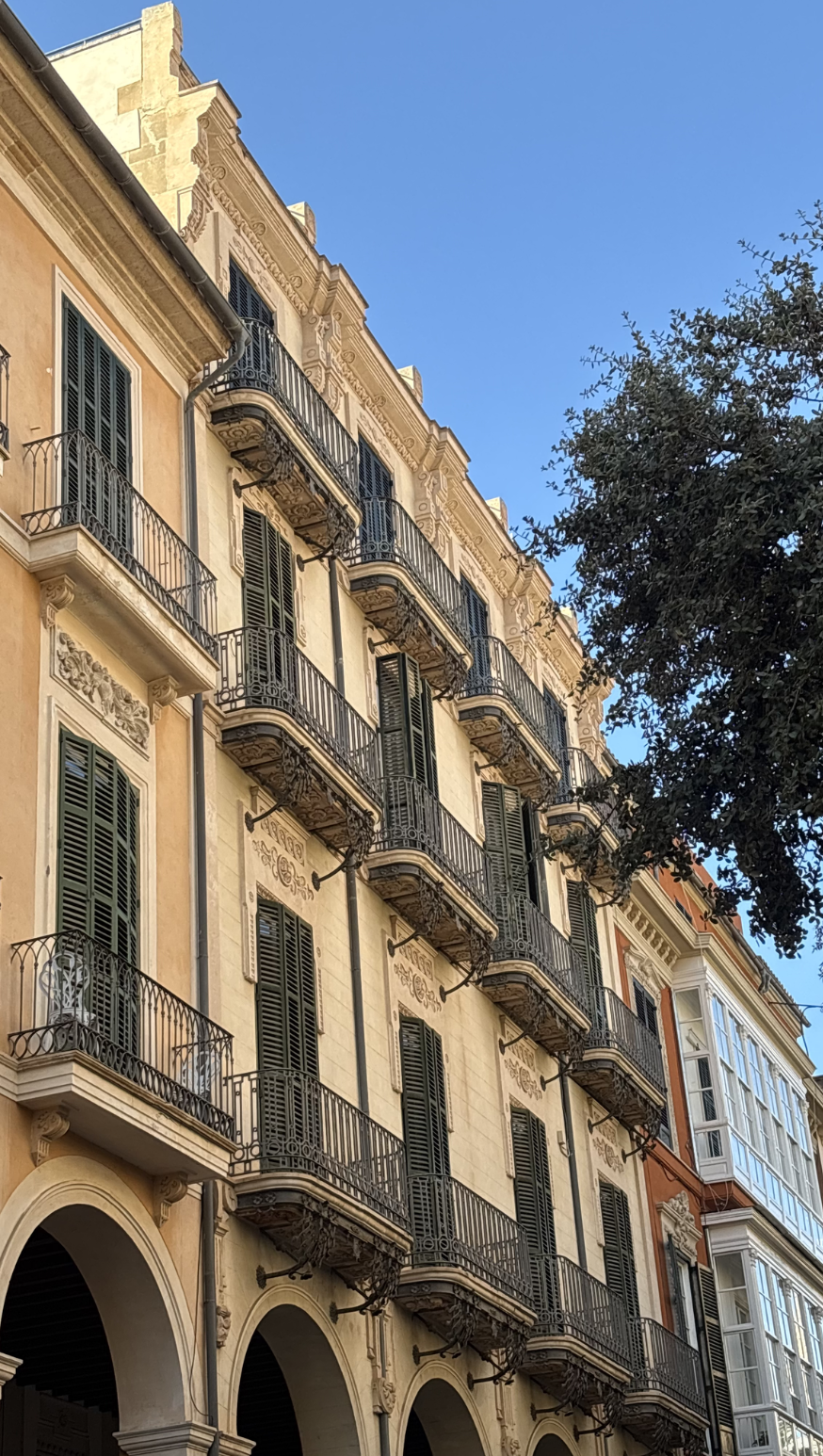
Right beside the cathedral is the Royal Palace of La Almudaina, the Royal historic palace overlooking the harbour. This is not the private home of the Spanish royal family, but it is used for official state ceremonies. It is currently under renovation, but it’s worth taking a moment to look at the exterior whilst you're exploring this part of Palma. From the cathedral, I recommend getting lost in the narrow streets of Palma Old Town. Head in the direction of Plaça Major, where along the way you will pass beautiful historic buildings, small boutiques, cafés and plenty of little side streets worth exploring.
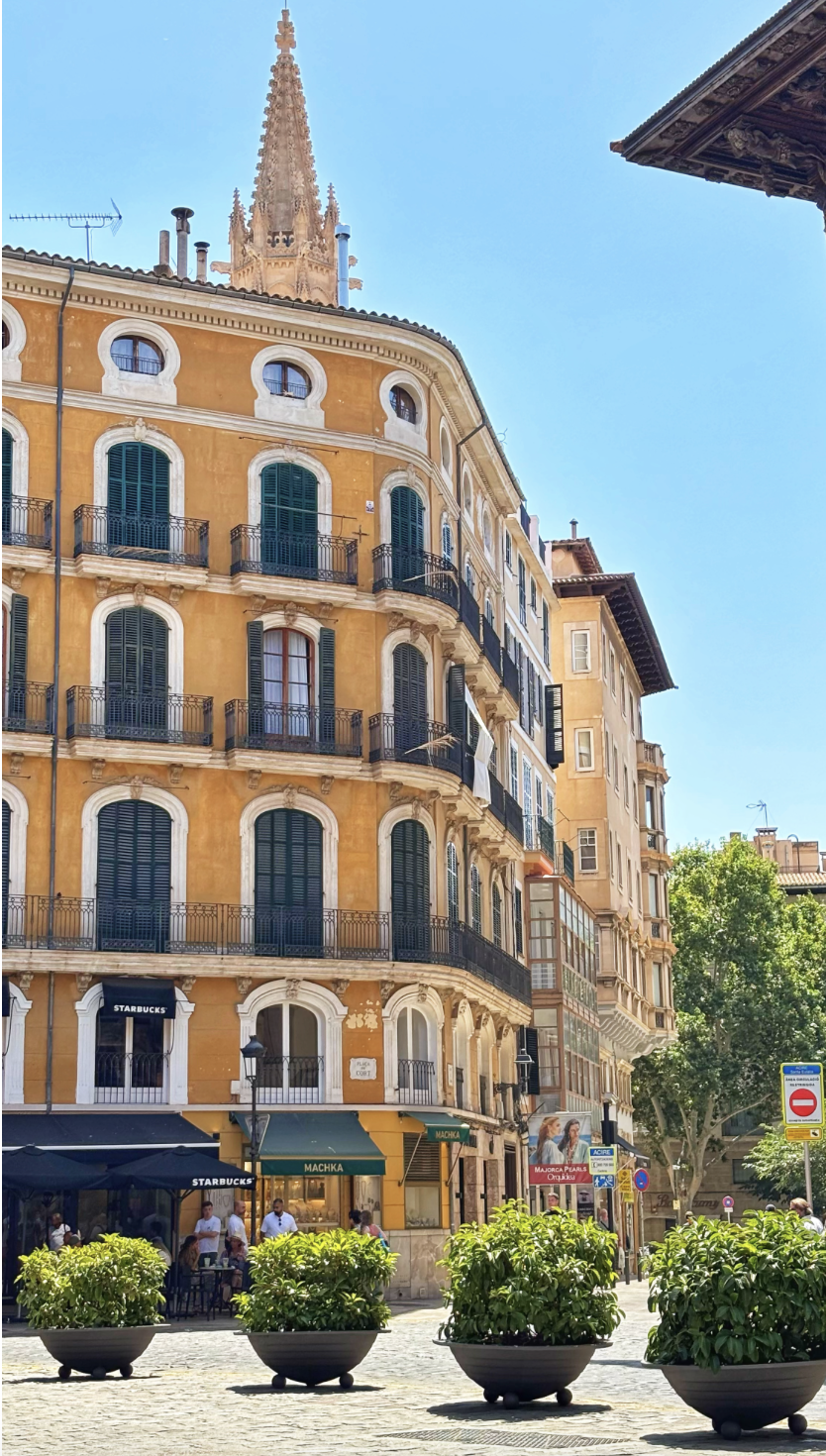
If you are looking for a place to have dinner in Mallorca, I recommend Celler Pagès which serves typical Majorcan dishes like Tumbet, a vegetable dish made with layers of potato, aubergine and peppers in a tomato sauce; frito Mallorquín, a traditional fried dish made with meat and potatoes, vegetables and herbs, and sopas mallorquinas, a local soup made with bread, vegetables and seasonal ingredients.
Where to stay in Palma de Mallorca: Hostal Pons
Day 7: discover more of Palma
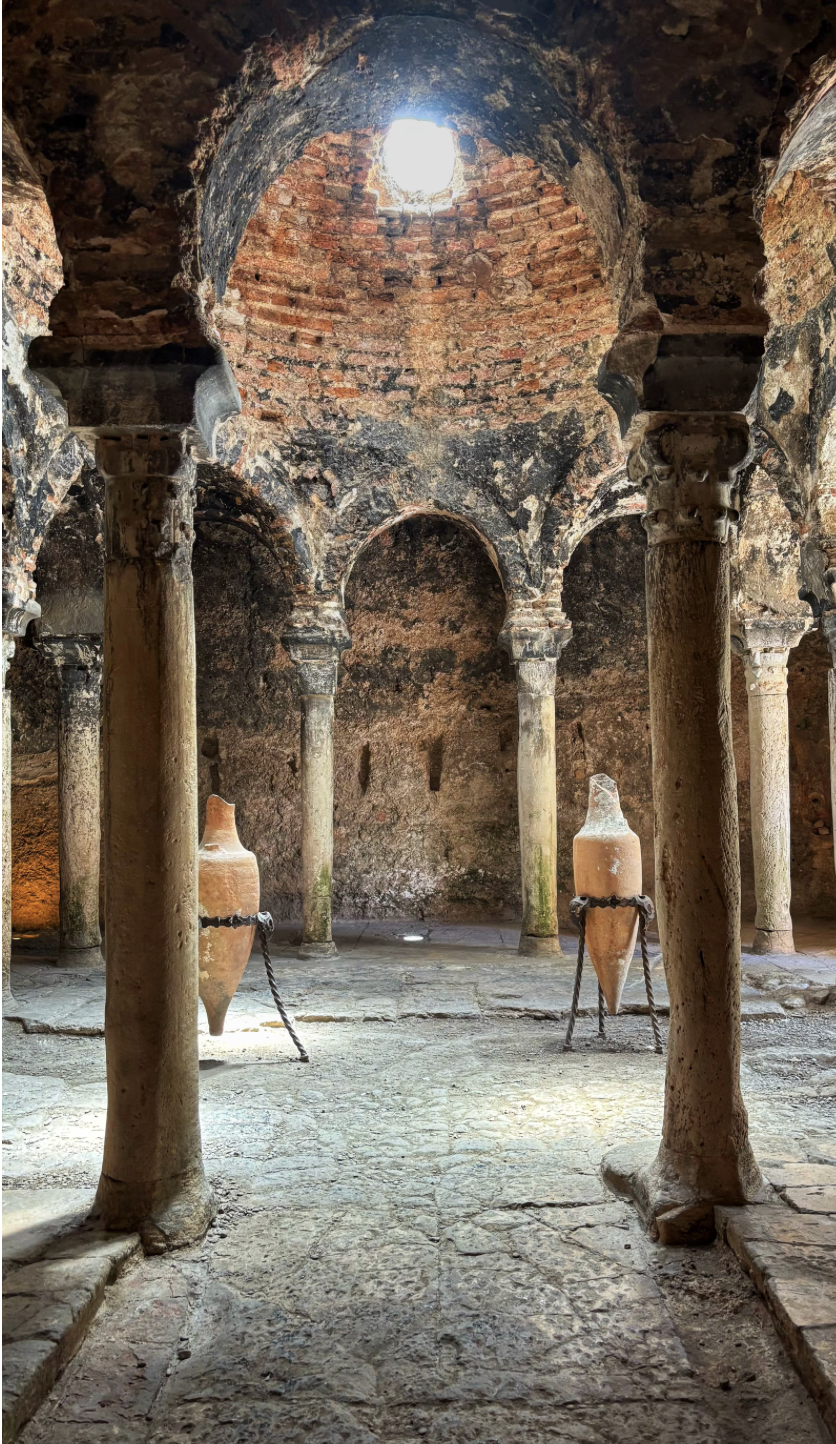
For my the final day in Mallorca, I first headed back to Palma's Old Town to visit the Banys Àrabs (Arab Baths), one of the few remaining examples of Moorish architecture in Palma. Dating back to the 11th century, this small historic site contains gardens and a beautifully preserved bathing chamber, with distinctive horseshoe arches and 12 columns supporting the domed ceiling with small star shaped openings. Entrance cost was €3.50 when I visited, and as a history lover, I think the Arab Baths are well worth adding to your Palma itinerary if you want to discover more about the city's ancient history.
From the old town, I headed towards Palma's port and waterfront. I found it to have a much more open and relaxed atmosphere compared to the bustling historic centre, with yachts and boats filling the marina and great views stretching across the Mediterranean. I enjoyed simply walking along the waterfront and taking in the views, but there are also plenty of cafés and restaurants where you can stop for a drink or lunch overlooking the water, making it a lovely place to spend a few hours. It took me around 40 minutes to walk from the old town of Palma to the port area. If you are not keen to walk, you can catch a bus or a taxi which will take you to the port in around 15 minutes.
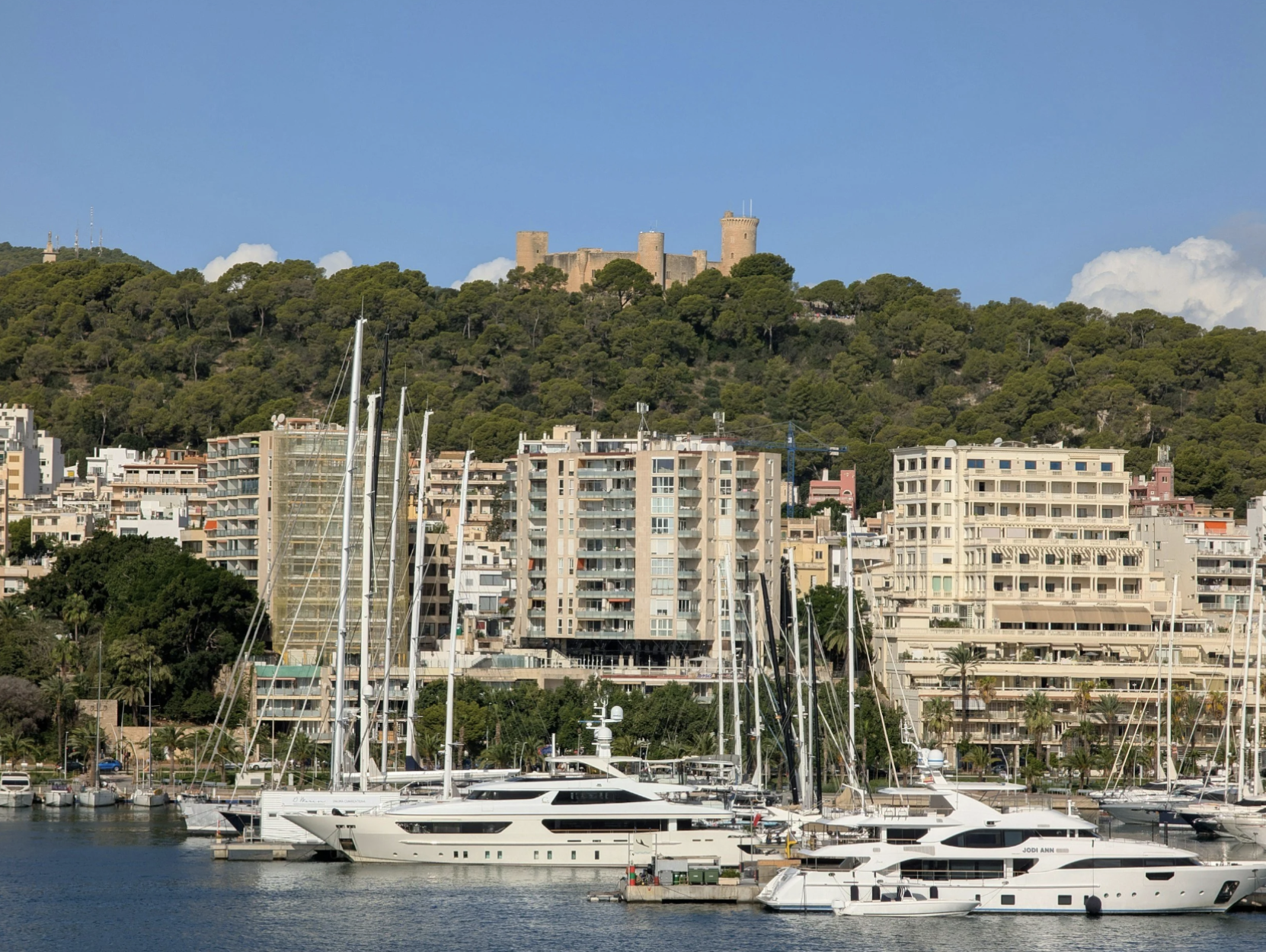
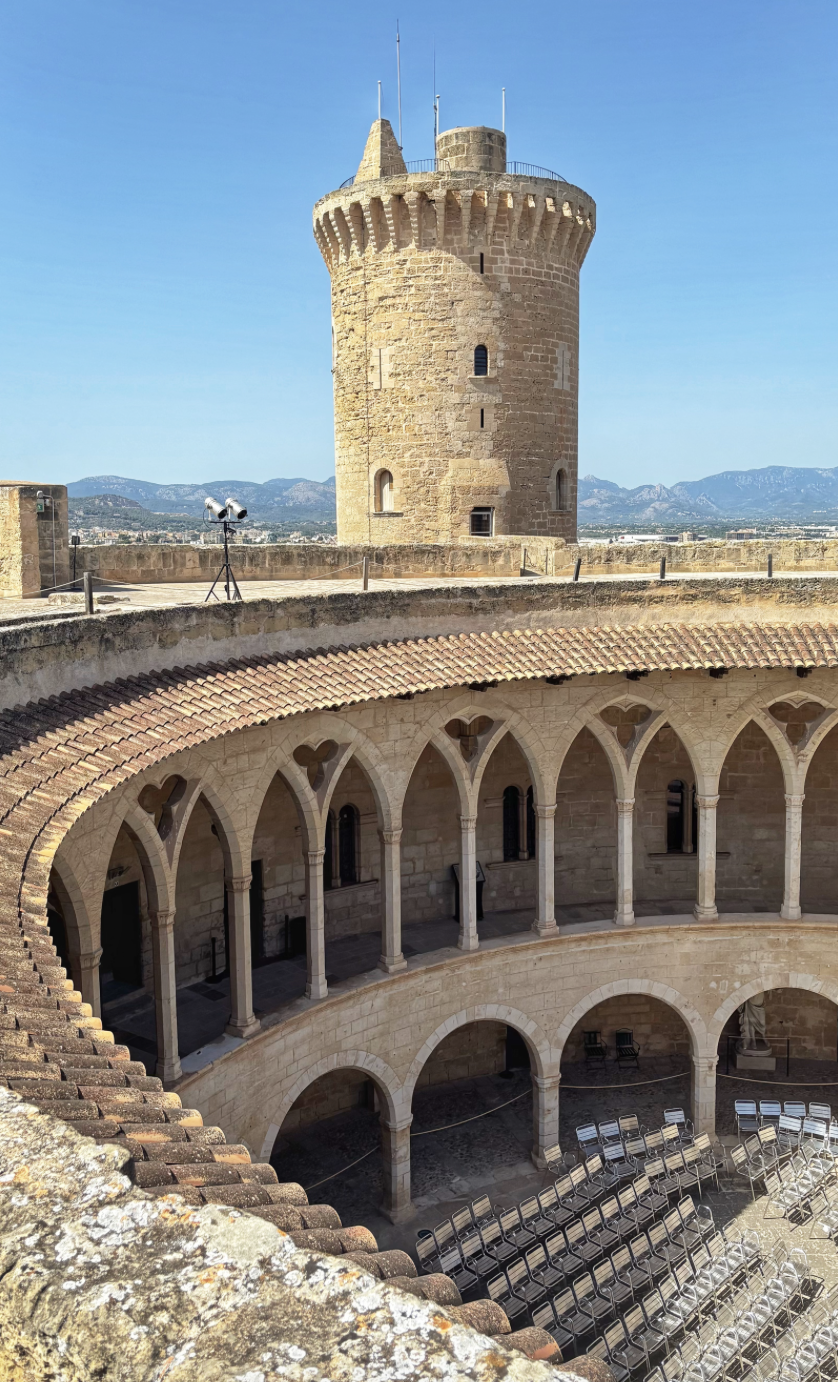
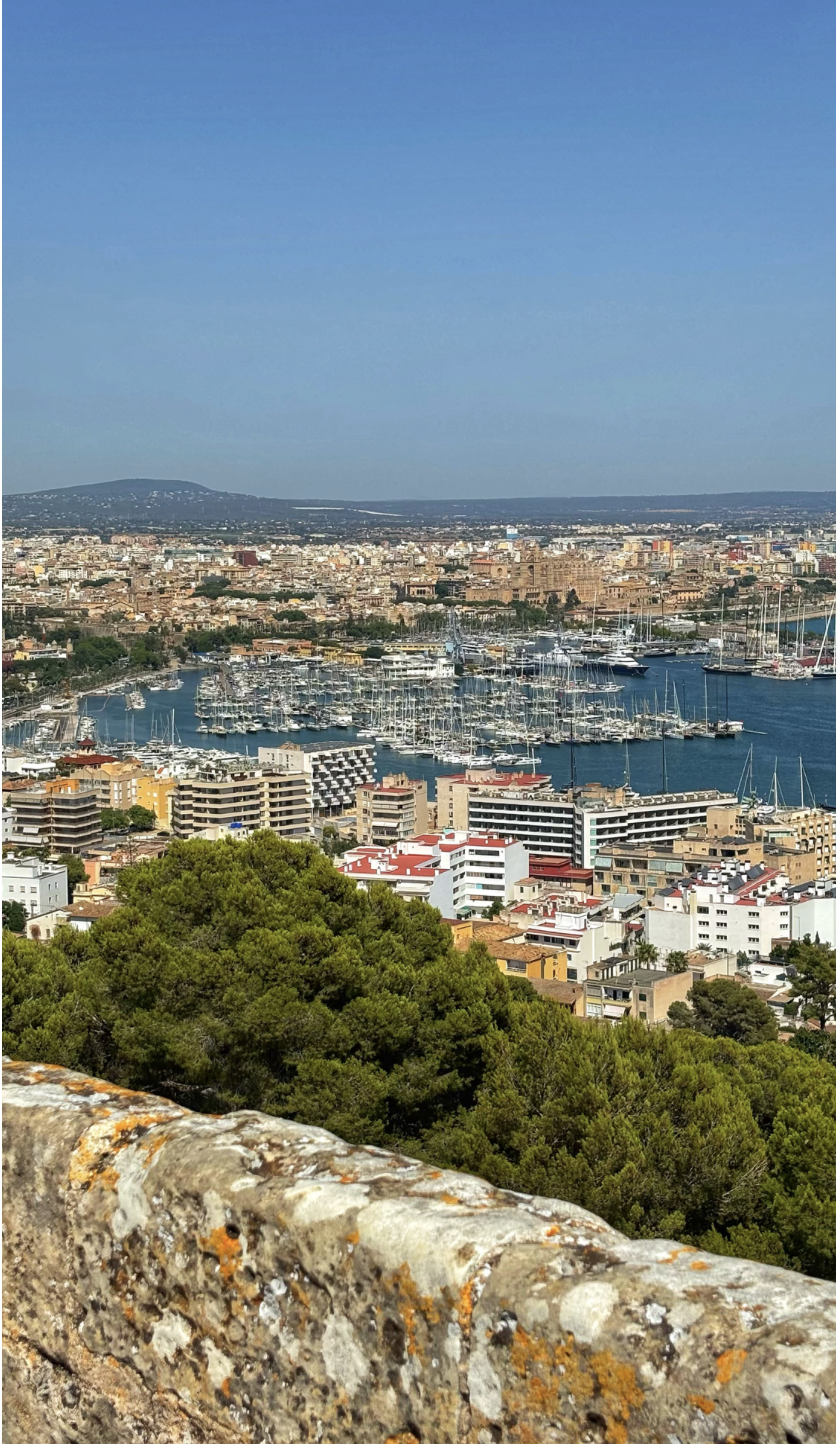
I then made my way up to Bellver Castle, one of Palma's most unique landmarks, positioned on a hill overlooking the city. This 14th-century castle is famous for its unusual circular design and is one of the few circular castles in Europe. I enjoyed exploring the inside of the castle, where you can learn more about its fascinating history, but the real highlight for me was reaching the top. From the top you'll be treated to panoramic views across Palma, the harbour and the surrounding coastline. Bellver Castle is a little further from the city centre, so you'll need to take a taxi or public transport to get there, but the journey is worth it. It was €4 to enter when I visited and entry is free on Sundays.
Thank you for reading my guide to visiting Mallorca. I hope it has given you plenty of ideas and inspiration for planning your own trip to the island. If you have any questions please send me a message or reach out to me on Instagram.
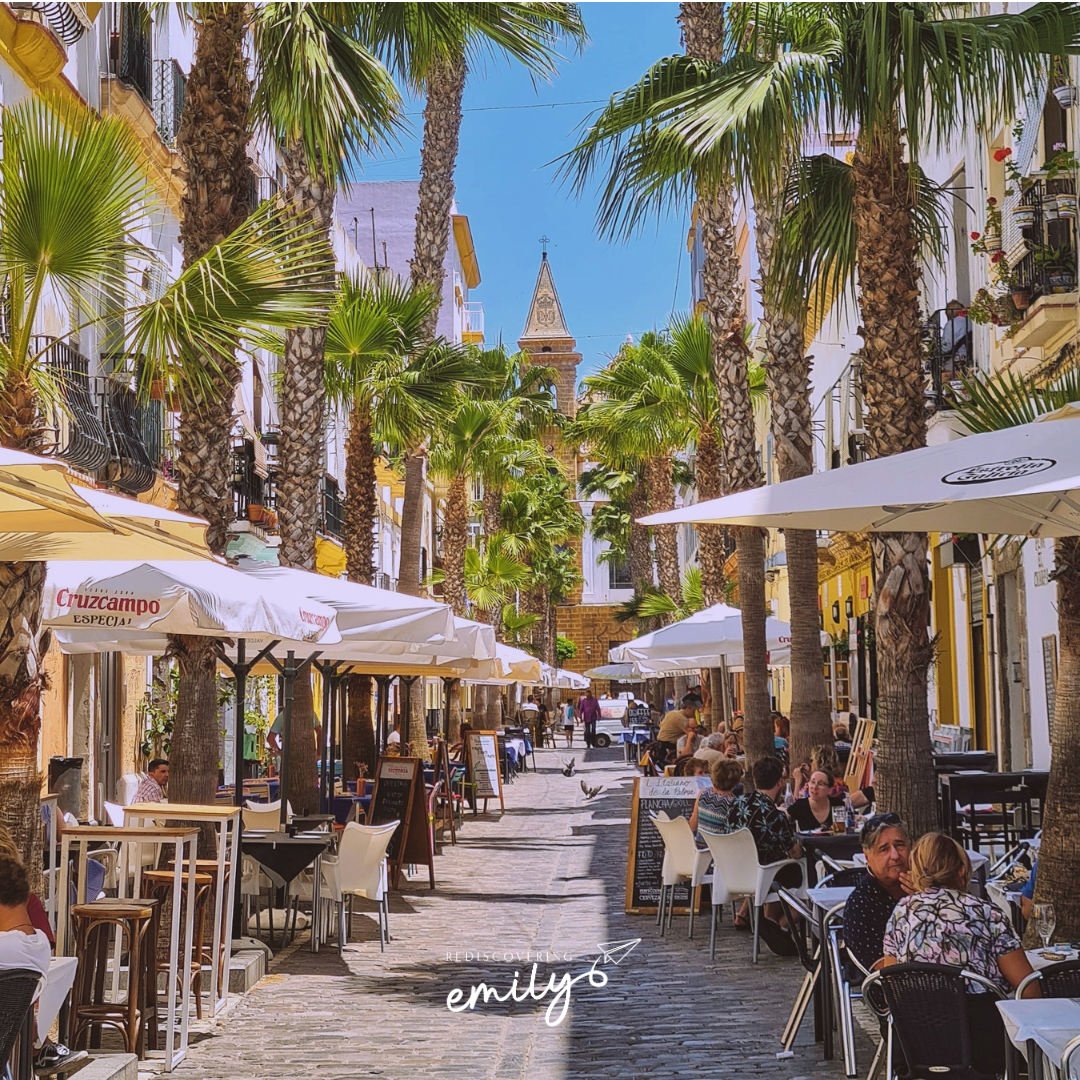

Planning a trip to Mallorca? This guide covers the best places to visit on the island, from the beautiful villages of Deià, Sóller and Fornalutx to the dramatic Serra de Tramuntana in the north, to Mallorca’s stunning southeast calas and the vibrant capital of Palma. Discover where to stay, how to get around Mallorca, what to eat and my tips for planning the perfect week in Mallorca.