
A guide to visiting Malaga, Spain
Malaga is often seen as just the airport gateway to the Costa del Sol, but this vibrant coastal city is actually one of the most exciting destinations to visit in southern Spain. With beautiful beaches, fascinating history, world-class museums, and an incredible food scene, Malaga offers far more than many travellers expect. Located on Spain’s sunny southern coast, Malaga enjoys warm weather for most of the year, making it an ideal destination if you’re looking for a city break in the sun. While summer is the busiest season, I recommend visiting Malaga in May or September when you can enjoy fantastic weather while avoiding the biggest crowds.
One of the best things about visiting Malaga is how easy the city is to explore. The historic centre is compact and very walkable, with many of the top attractions, landmarks, and museums located close together. Whether you’re interested in history, art, food, or relaxing on the beach, there are plenty of amazing things to do in Malaga within just a short walk. As a female solo traveller, I’ve also found Malaga to be a very welcoming and safe city to explore alone, which makes it a fantastic destination if you’re planning your first solo trip to Spain.
My name is Emily, and I’ve lived in the Malaga province of Andalusia for over three years. In this free Malaga travel guide, I’m sharing my favourite places, local tips, and everything you need to help plan your own trip to this beautiful Spanish city. Whether you're visiting for a weekend getaway, a longer holiday, or planning a solo adventure, this guide will help you discover the best things to do in Malaga, where to eat, where to stay, and how to make the most of your time here.
Ready to start planning your trip to Malaga? Let’s dive in.
This post may contain affiliate links, which means I may earn a small commission (at no extra cost to you) if you choose to purchase through them. This is one of the ways you can support my work so I can continue creating free travel guides to help you plan your trips.
How to Get to Malaga City Centre from the Airport
Malaga has one main airport, Malaga Costa del Sol Airport, which connects the city with major destinations across Spain and Europe. If you're flying into southern Spain, this is the main airport serving the Costa del Sol region. The easiest and most affordable way to get from Malaga Airport to Malaga city centre is by train. As you exit the arrivals area, the train station is located directly in front of the terminal, making it very convenient for travellers. The C1 Cercanías train line runs regularly between Malaga Airport and Malaga Centro-Alameda station, which is located close to the historic centre. The journey takes around 15 minutes, making it the fastest way to reach the city. You can purchase train tickets at the ticket machines or ticket office at the station, or book in advance online through the Omio website or app.
Alternatively, you can take a taxi from Malaga Airport to the city centre, which takes around 20 minutes, depending on traffic.
Getting Around Malaga
One of the best things about visiting Malaga is how easy the city is to explore. The historic centre of Malaga is very walkable, with many of the main attractions, museums, restaurants, and landmarks located close together. Walking is often the best way to discover Malaga’s charming streets, historic buildings, and lively plazas. Malaga also has a modern metro system, which is easy to use and affordable if you need to travel further outside the city centre.
I would recommend staying in or close to the historic centre in Malaga for easy of exploring the city. The city offers a great selection of choices for accommodation suitable for any budget. I always use Booking.com to get the best options to suit my needs and budget.
Top places to see in malaga
Malaga Historic Centre
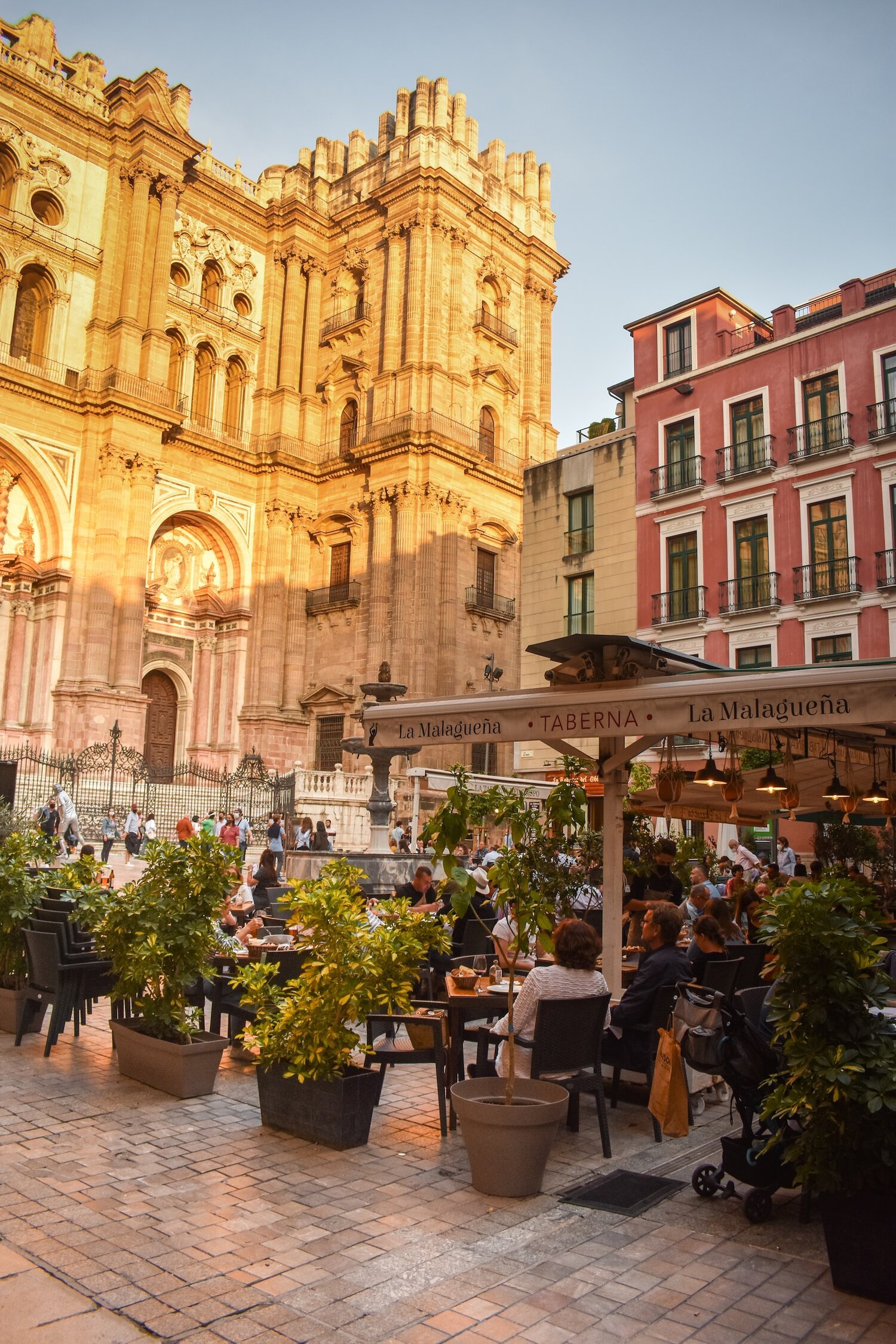
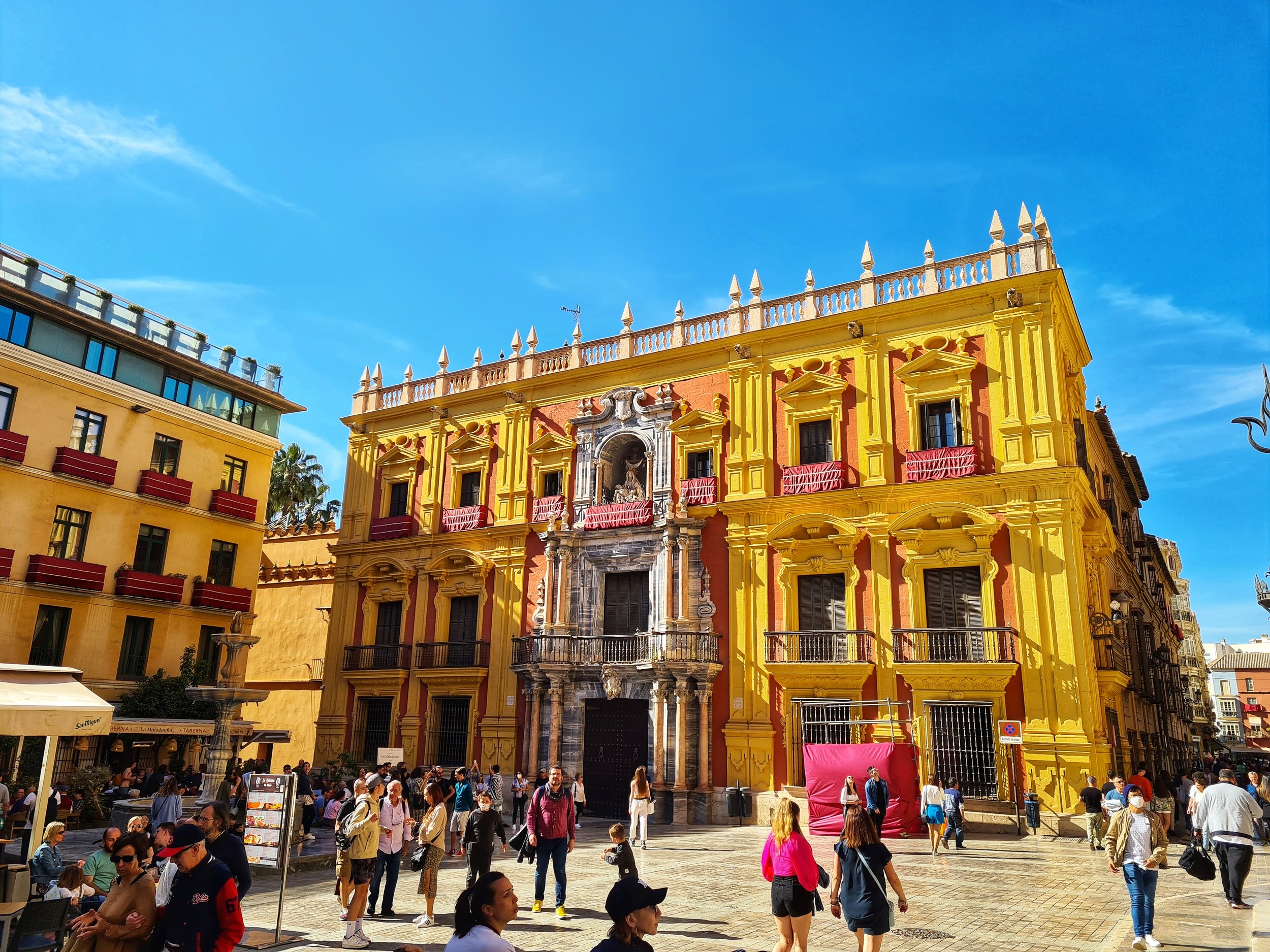
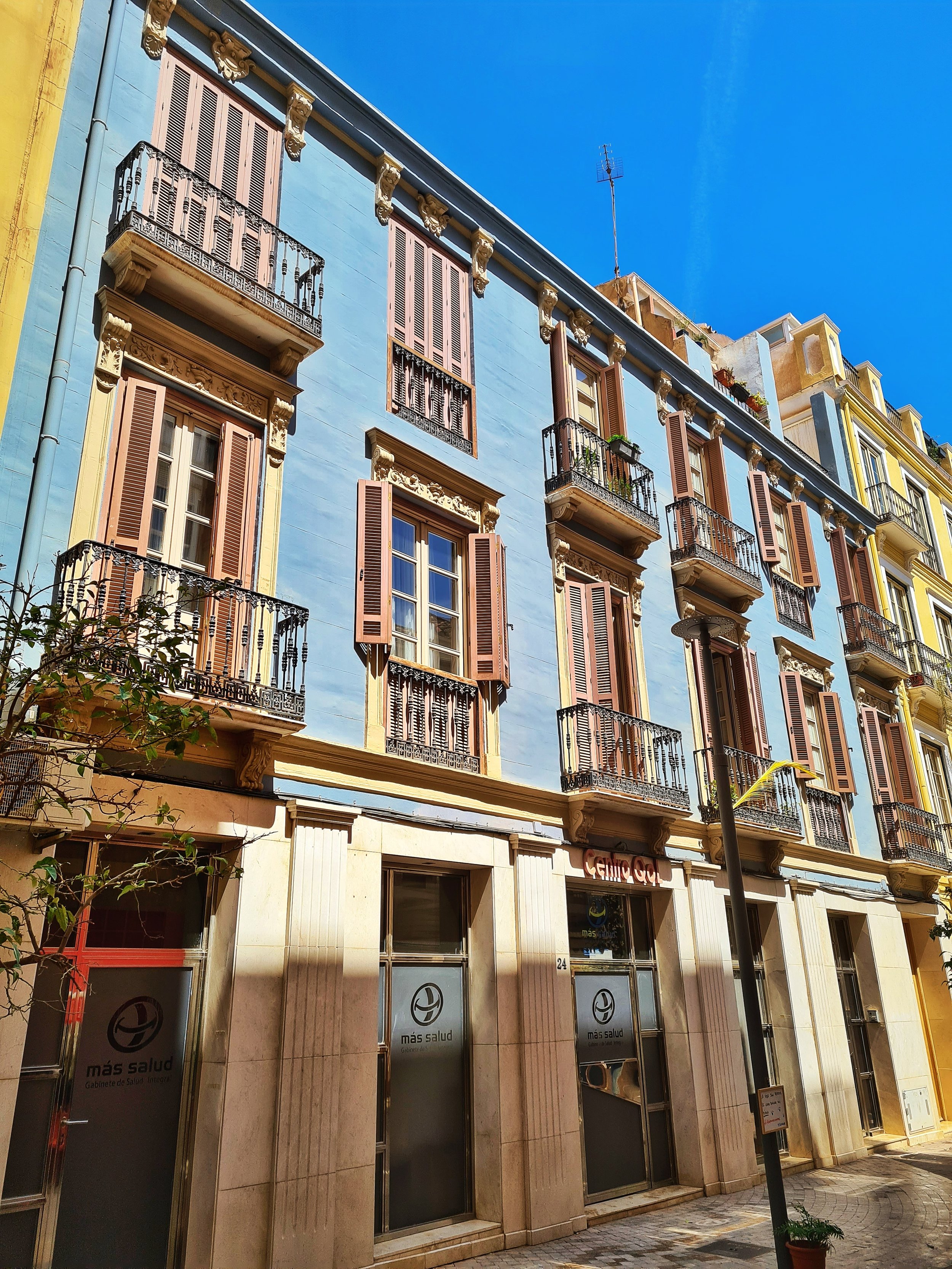
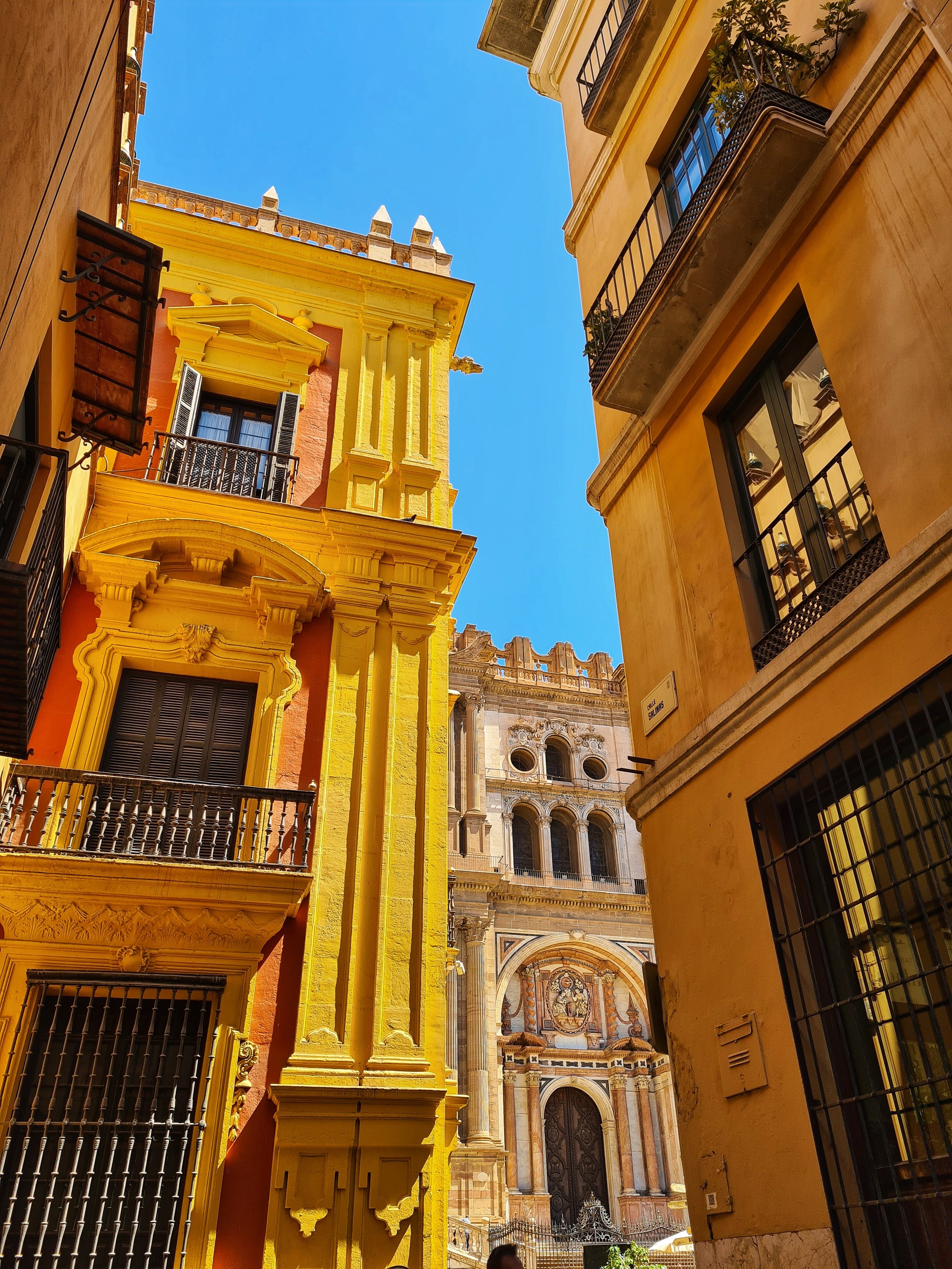
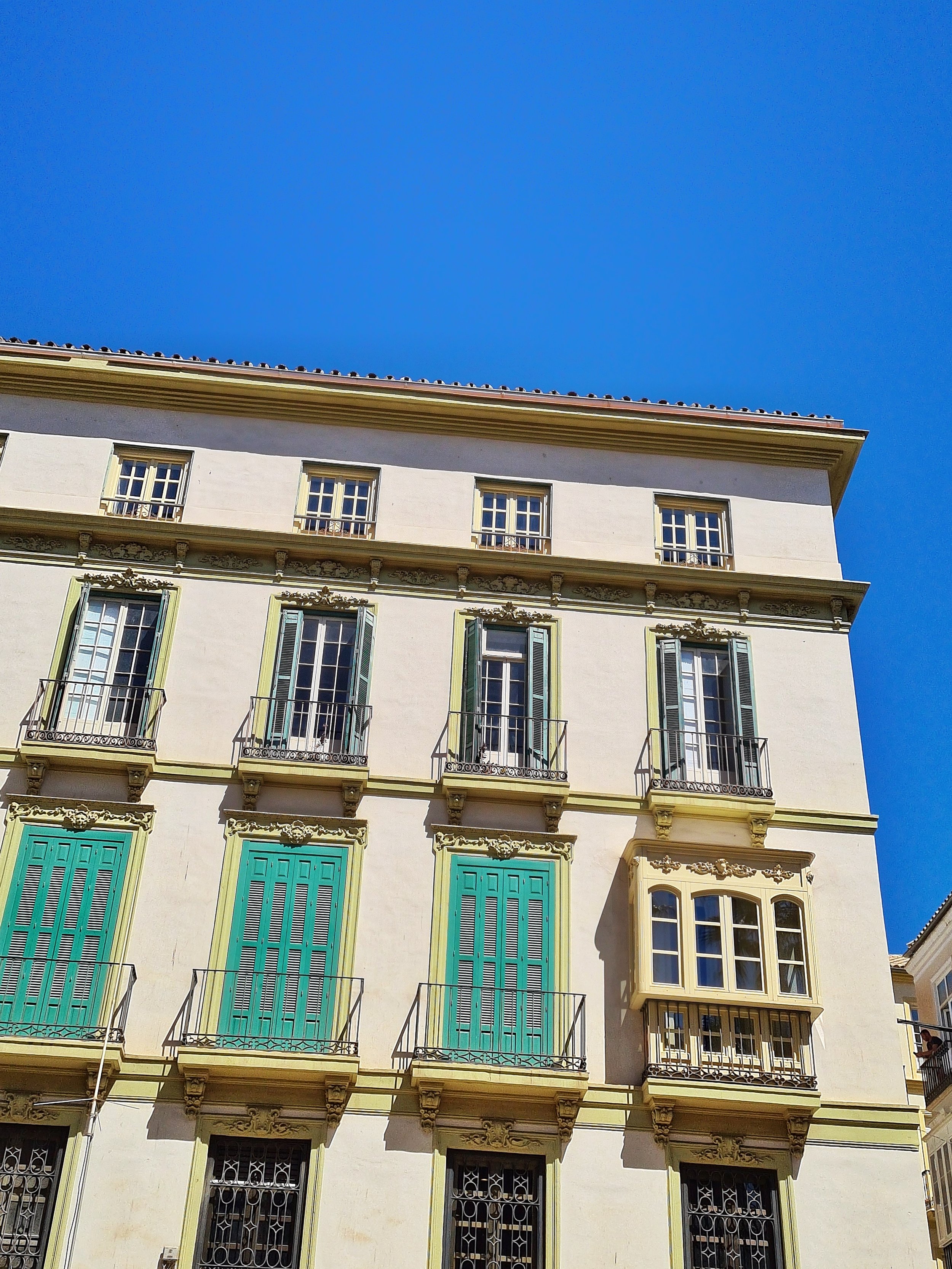
The historic centre of Malaga is where you’ll find many of the city’s most famous monuments, museums, and attractions. For this reason, I highly recommend staying in this area during your visit. Not only is it close to the main sights, but it’s also one of the most beautiful parts of the city to explore. Malaga’s Old Town is one those places perfect for wandering without a plan. Its narrow winding streets are lined with buildings with decorative windows, traditional coloured shutters, and ornate balconies, that give the city its unique charm. You’ll also find countless cafés, restaurants, tapas bars, and boutique shops throughout the historic centre too.
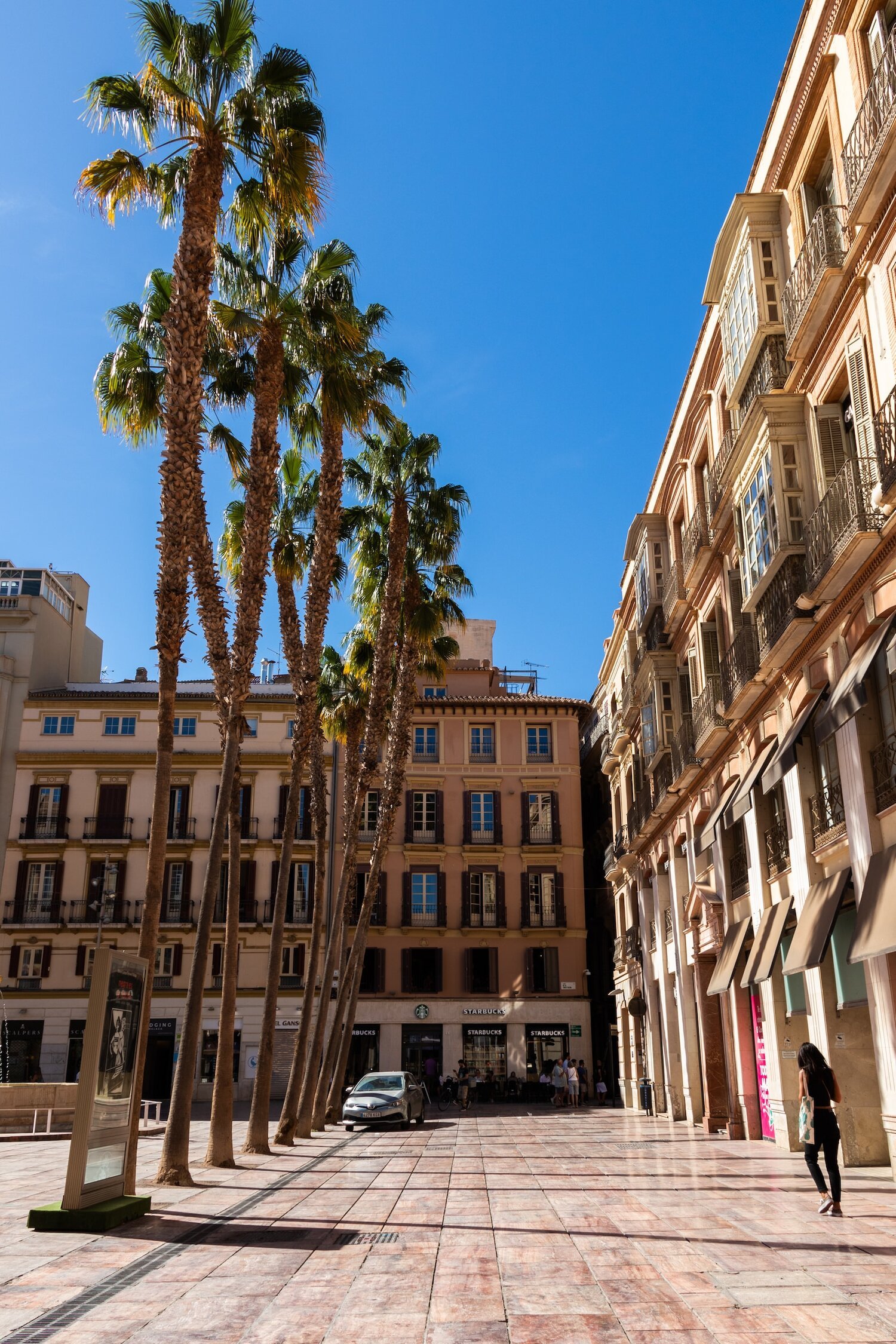
One of the best things to do in Malaga’s historic centre is simply to sit at a terrace café and enjoy tapas or a drink al fresco while watching the world go by. A great place to do this is Plaza de la Constitución, a lively and beautiful square that sits at the heart of the old town and perfectly captures the atmosphere of the city. You’ll also discover several beautiful churches scattered throughout the historic centre. Even if you’re not religious, the architecture and rich interiors are worth seeing. One of my personal favourites is Iglesia de San Juan Bautista, known for its painted façade and striking Baroque interior.
If you enjoy art, a visit to the Picasso Museum is an absolute must. The world-famous artist Pablo Picasso was born in Malaga, and the museum houses an impressive collection of his work. Because this is one of the most popular attractions in the city, I recommend booking your tickets in advance to avoid long queues. Another excellent museum to visit is the Museo Carmen Thyssen Málaga, which showcases an outstanding collection of Spanish and European paintings.
Top Tip: If you’re visiting Malaga on a budget, consider purchasing a Malaga Pass. This pass gives you access to many of Malaga’s museums and attractions while saving money compared to buying individual tickets. It also allows you to skip the queues at some of the city’s most popular sights. Passes are available for 24 hours, 48 hours, 72 hours, or one week, with potential savings of up to 33% on major attractions.
Alcazaba of Malaga and Roman Ampitheatre
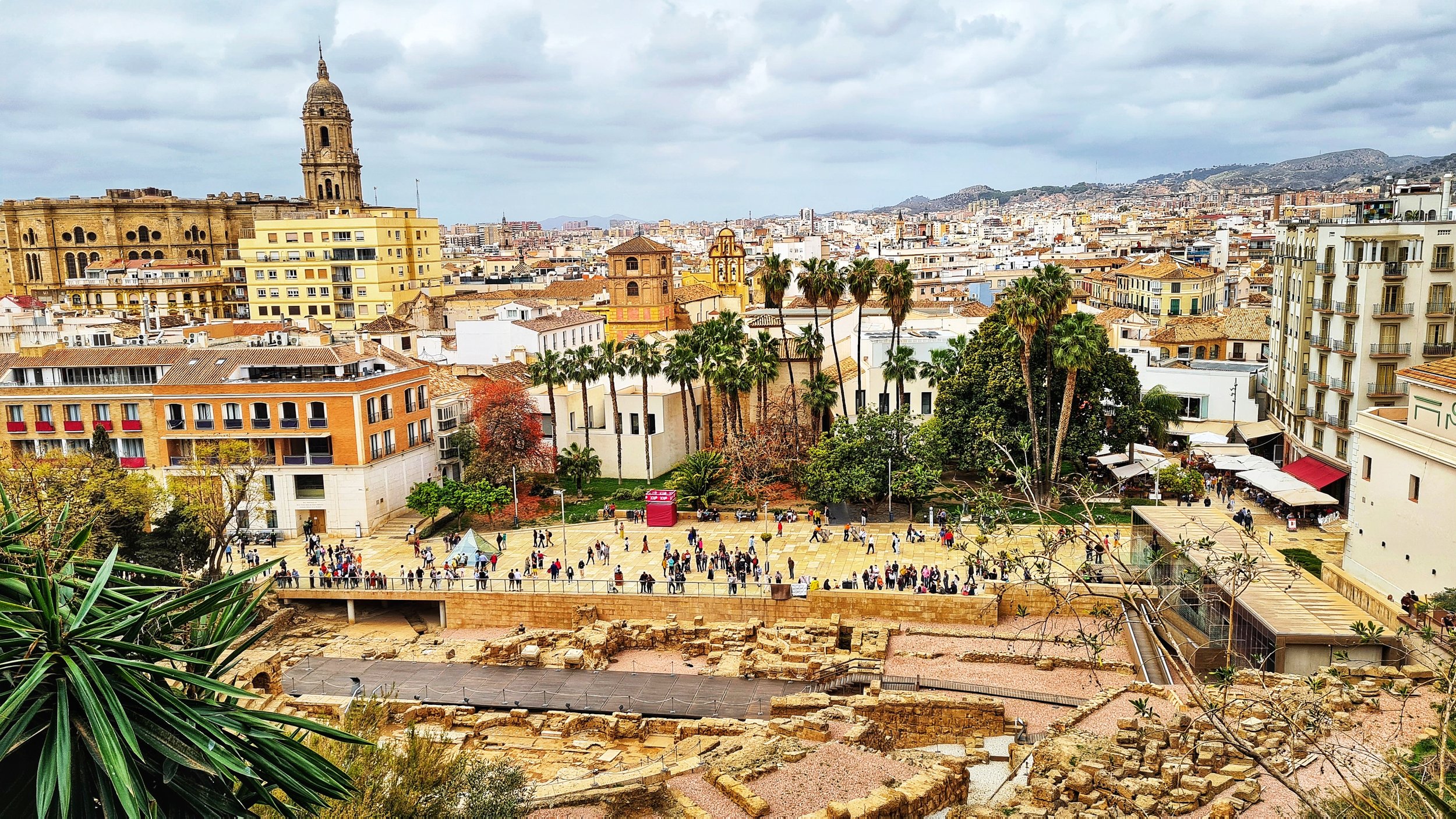
If you only have the chance to visit one place in Malaga, then it has to be the Alcazaba of Málaga and the Roman Theatre of Málaga. Situated at the foot of Mount Gibralfaro, these two historic sites offer a fascinating glimpse into the city’s ancient history.
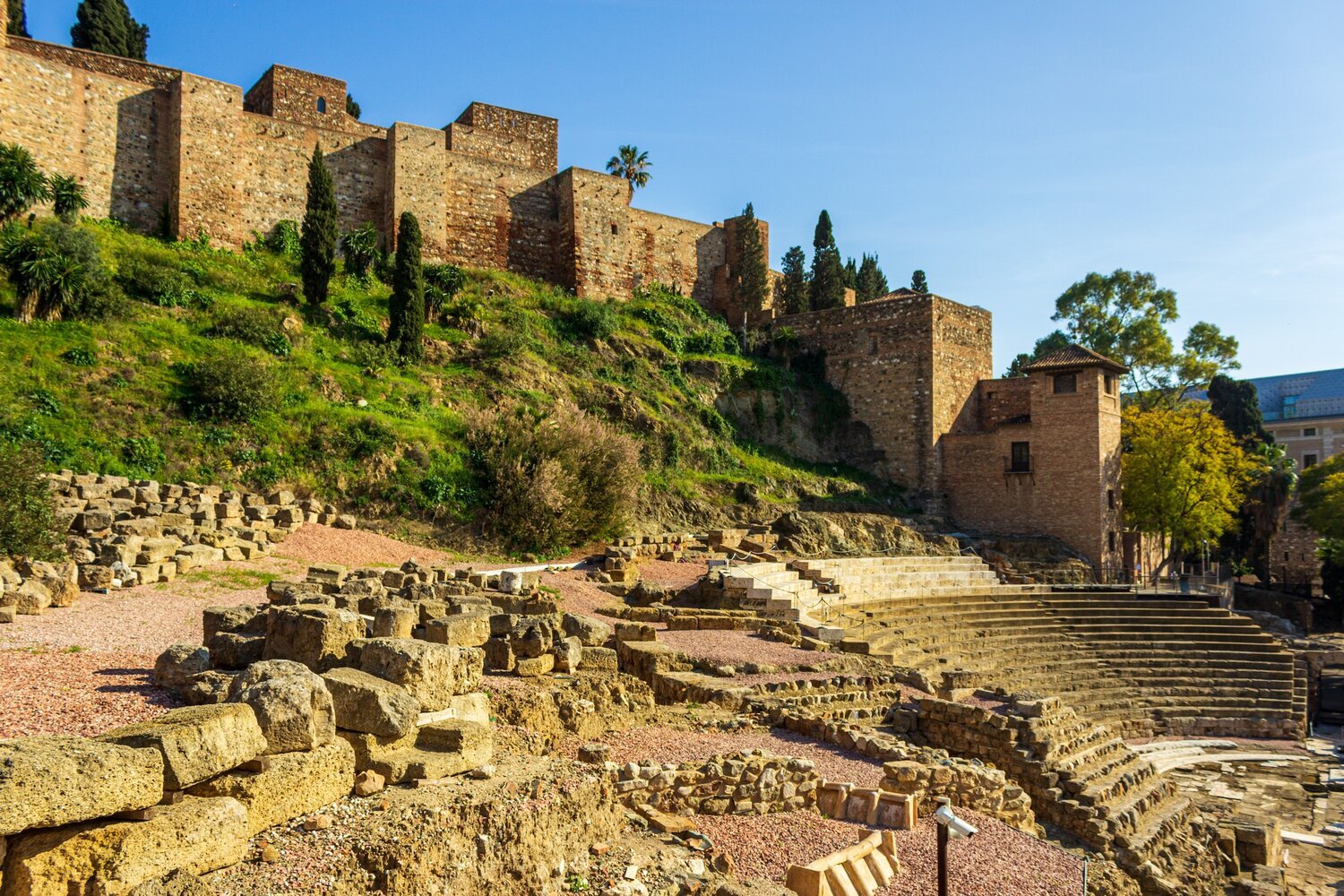
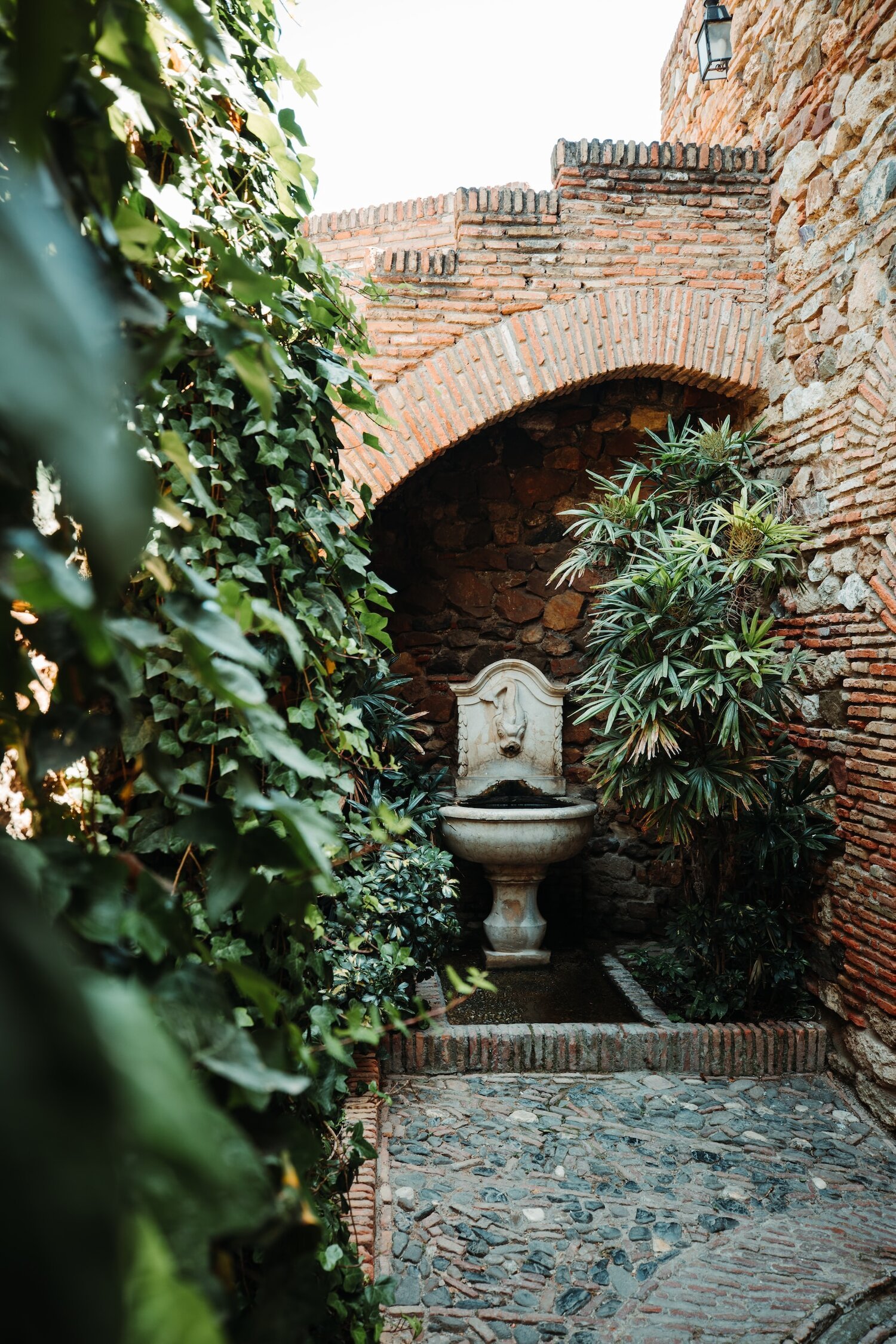
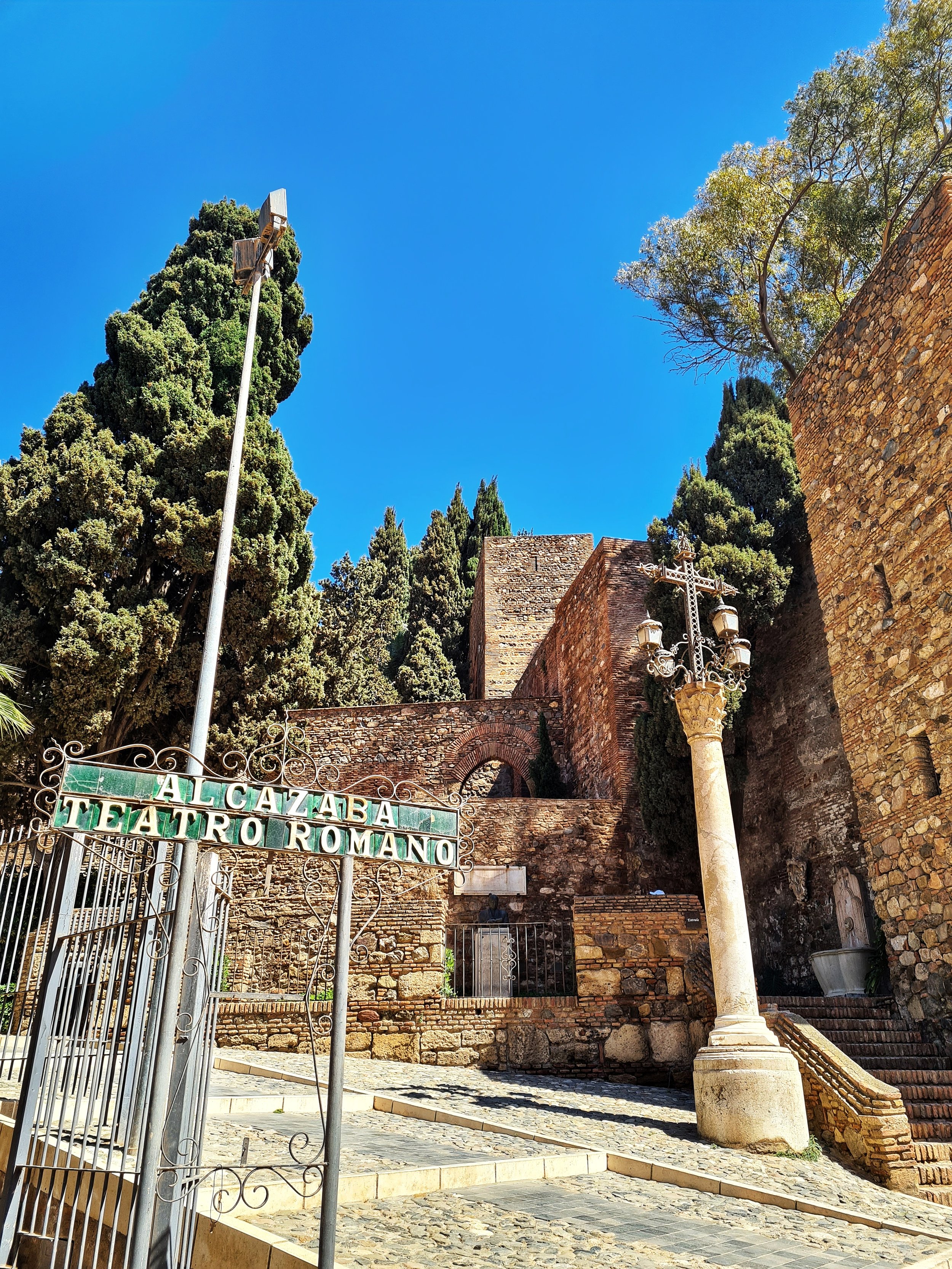
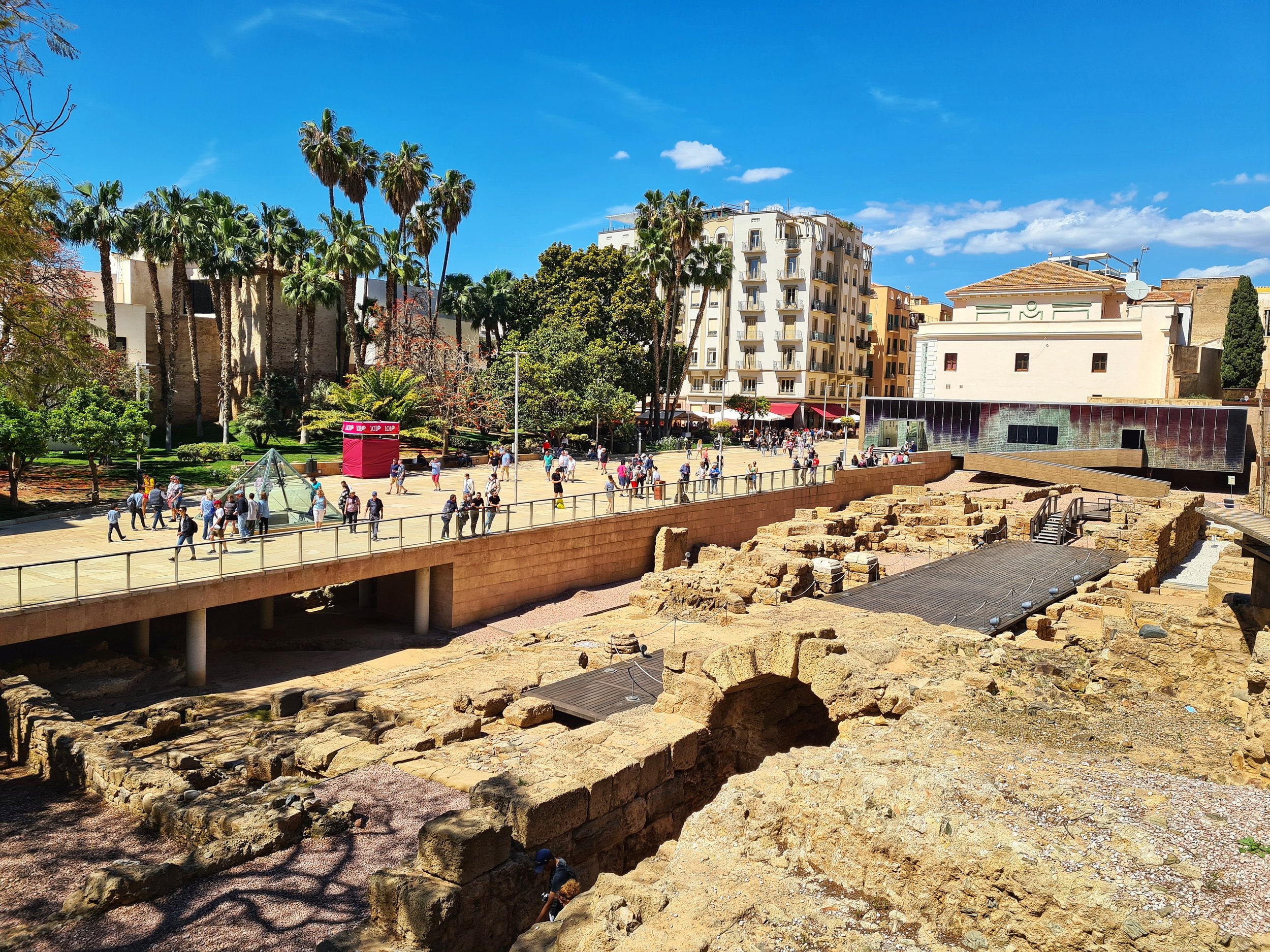
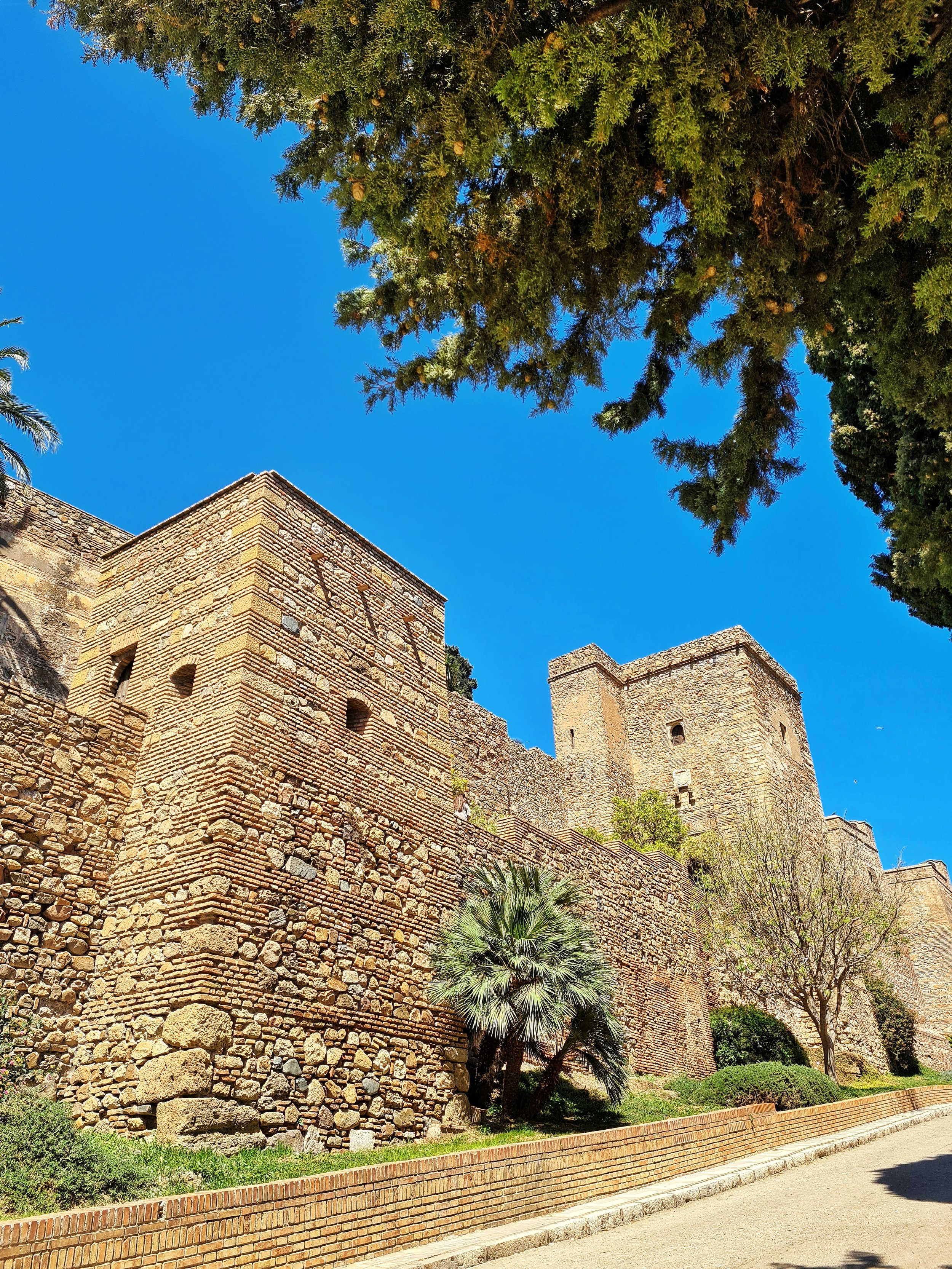
Start by visiting the Roman Amphitheatre, which you can see from street level or from the entrance to the Alcazaba above. Dating as far back as the 1st century BC, this is one of the oldest monuments in Malaga. Interestingly, it was only discovered in 1951 during construction work in the area! You can learn more about this site at the nearby visitor centre, which is free to visit. Inside you’ll find information about the history of the theatre, as well as artefacts uncovered during the restoration work. If you proceed up a flight of stairs near the visitor centre, you can get a photo with the popular “MALAGA” sign overlooking the amphitheatre too.
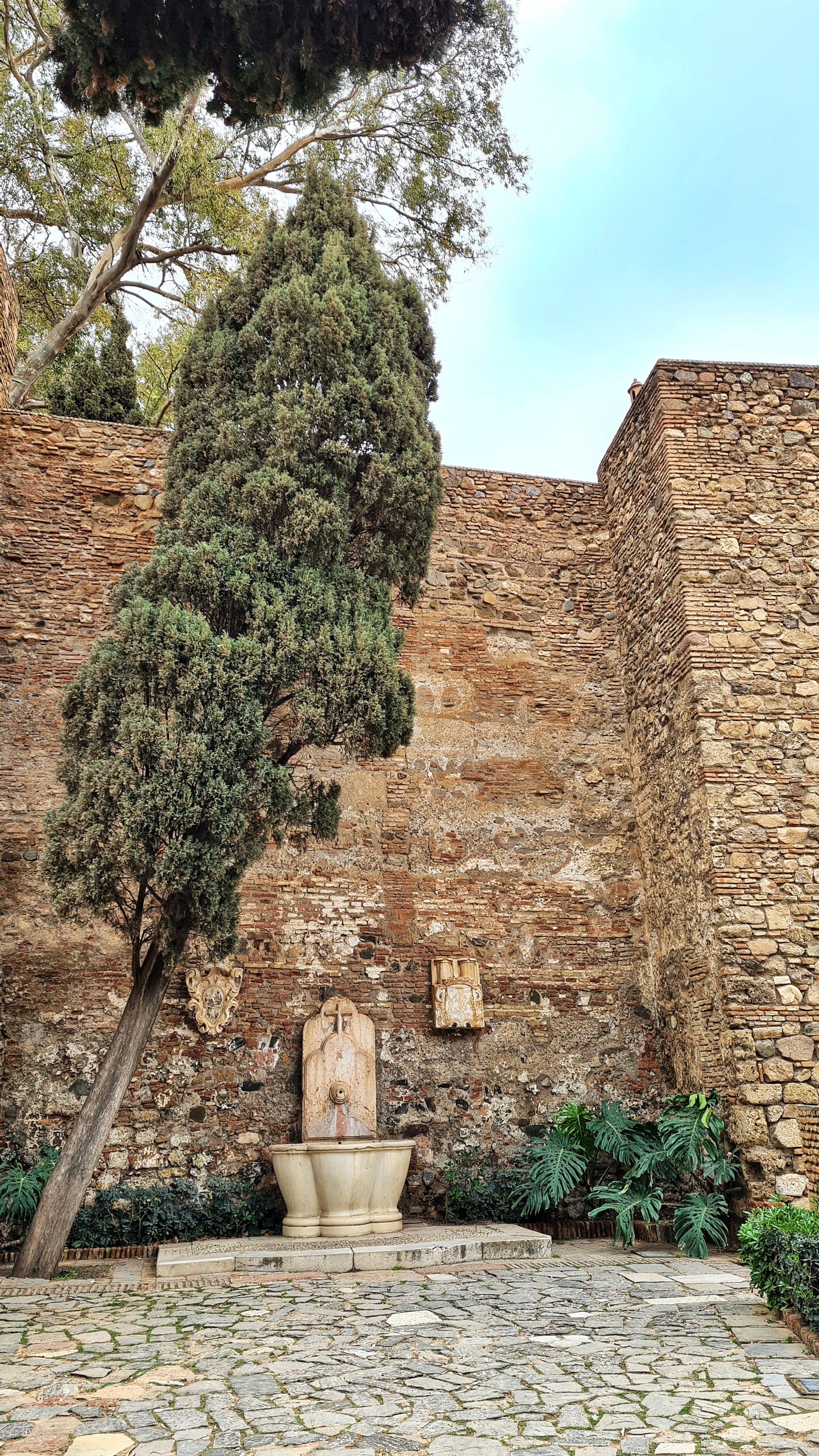
Moving on to the Alcazaba of Malaga, meaning “fortified palace”, this was constructed by the Muslims during their occupation of the Iberian Peninsula in the Middle Ages. Inside the walls you will find two main sections: the fortress, with its maze of narrow corridors and cobbled floors, and the palace, with its beautiful patios, landscaped gardens, fountains and breathtaking views across the city. One of the most fascinating details is that you will also see Roman columns and marble reused from the amphitheatre ruins below within the Moorish walls, making the Alcazaba truly one of Malaga’s most unique historic sites.
There is a fee to enter the Alcazaba, and I would recommend purchasing a combined ticket that also includes entry to the nearby Castillo de Gibralfaro, which sits directly above the site. Tickets can be purchased at the entrance to the Alcazaba or online in advance, and guided tours are also available to book in advance. I would allow at least 90 minutes to explore the Alcazaba before continuing up to the Castillo de Gibralfaro.
Castillo de Gibralfaro
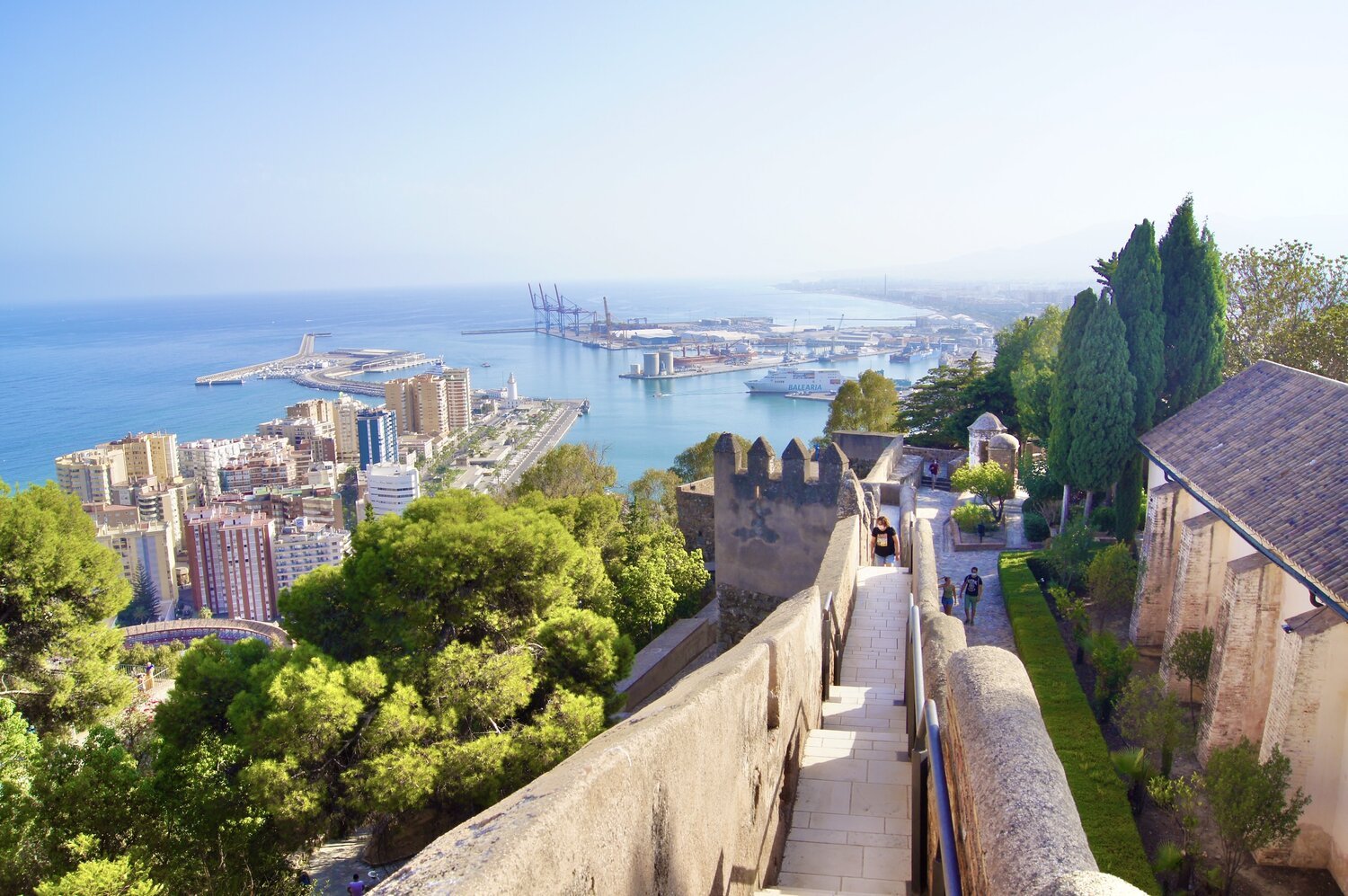
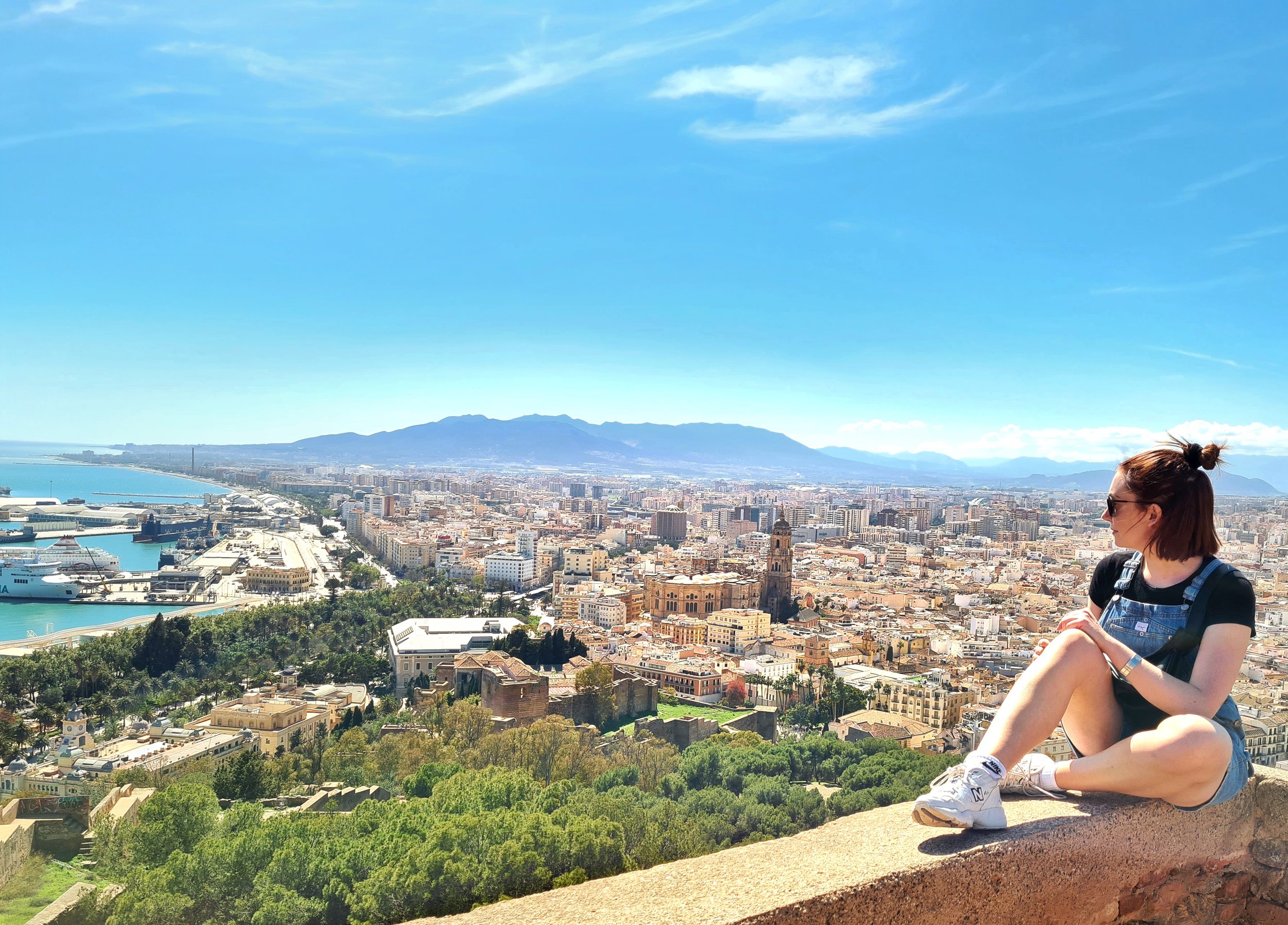
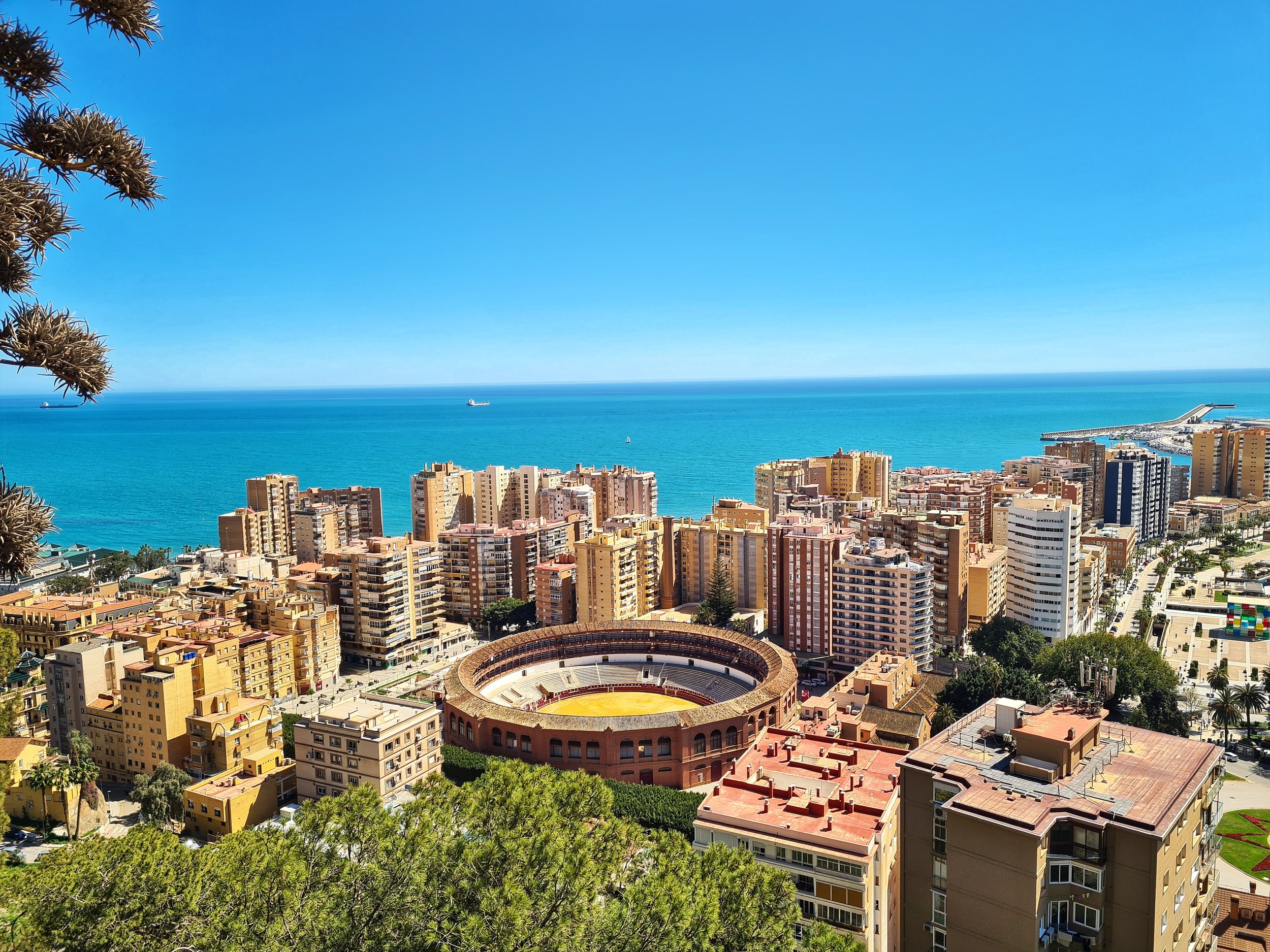
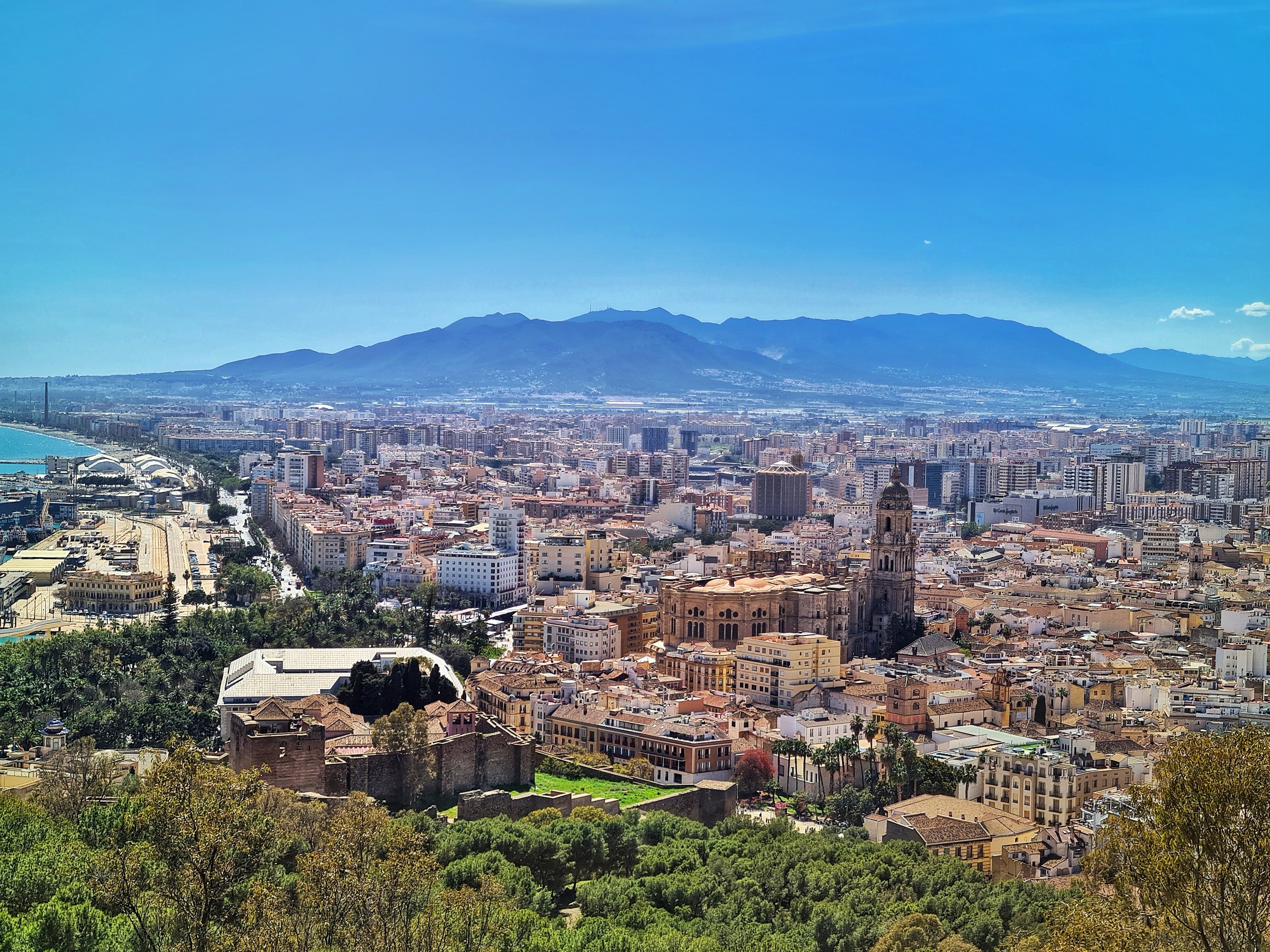
If you want to enjoy some of the best panoramic views in Malaga, then a visit to Castillo de Gibralfaro is a must. Situated high on the hills overlooking the city, port, and surrounding mountains, this historic fortress is the perfect place to catch a sunset during your trip. The site itself has a long and fascinating history, with remains that date back as far as the Phoenicians. Today, visitors can walk along the walls of this impressive castle and explore a small visitor centre which explains the important role the fortress played in defending the city. There is an entrance fee to visit the castle. I would recommend purchasing a combined ticket for both Gibralfaro Castle and the Alcazaba, which allows you to visit two of Malaga’s most important historic sites for a lower price.
To get to Gibralfaro Castle, you will need to walk uphill, which can be challenging, especially during the hotter months. However, the incredible views you’ll enjoy along the way make the climb absolutely worth it. Start at the entrance to the Alcazaba of Málaga and follow the path up on the right-hand side. As you make your way up the hill, you’ll come across one of the best viewpoints in Malaga, overlooking Plaza de Toros de La Malagueta, the colourful Centre Pompidou Málaga, and the city’s port.
If you would prefer to avoid the climb, you can also reach the castle by taking a taxi or by catching the number 35 bus from Parque de Málaga.
Malaga Cathedral
Located in the heart of the historic centre, Málaga Cathedral is one of the most impressive cathedrals I’ve visited in all of Andalusia. This magnificent building certainly has the wow factor and it is impossible to miss thanks to its enormous size and striking architecture. One of the most interesting things about Malaga Cathedral is that it was never fully completed. Originally the cathedral was designed with two towers, but only one was ever finished. Because of this, locals affectionately call the cathedral “La Manquita” which means “the one-armed lady.” Despite the unfinished tower, Málaga Cathedral is one of the most iconic buildings in the city.
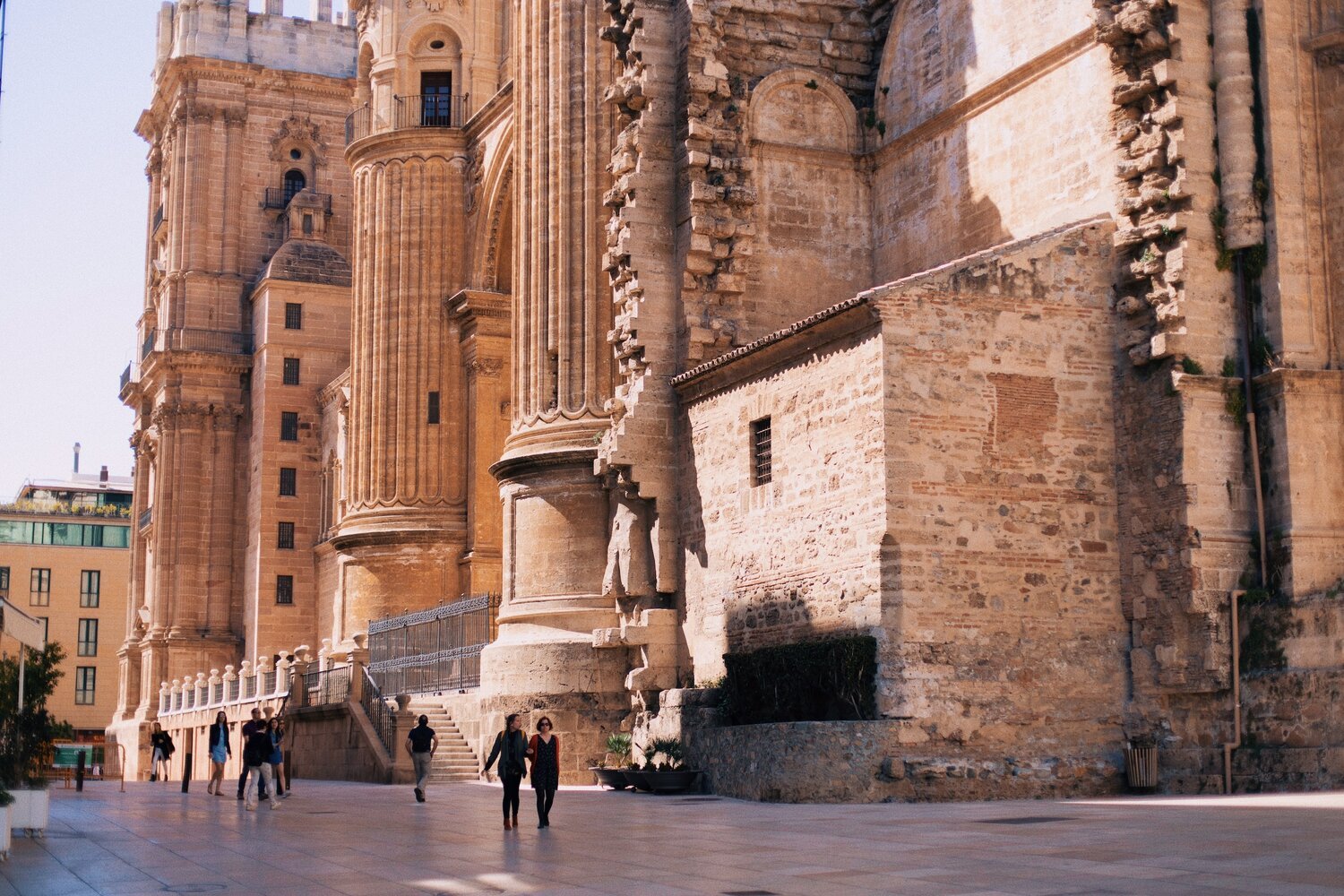
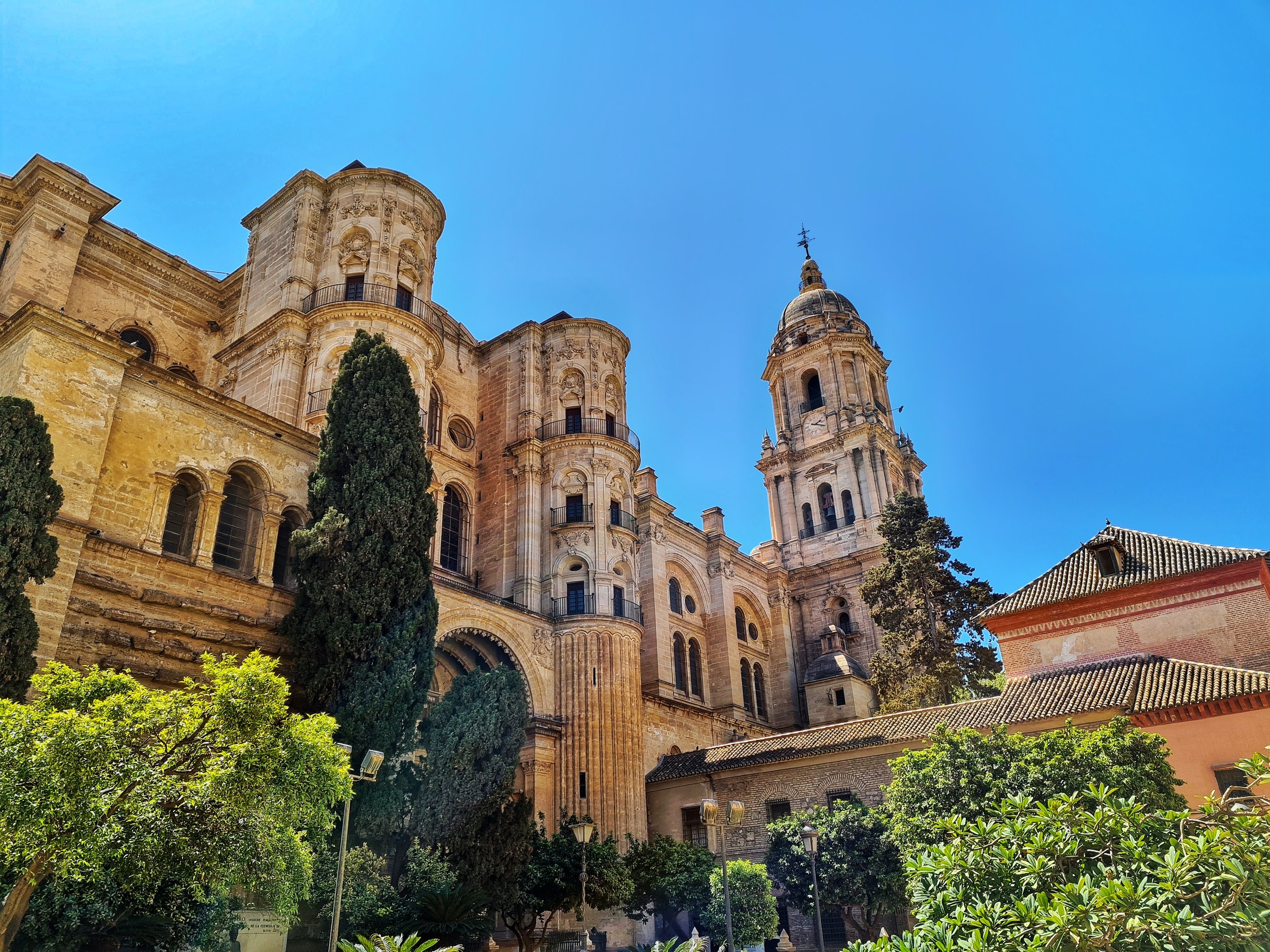
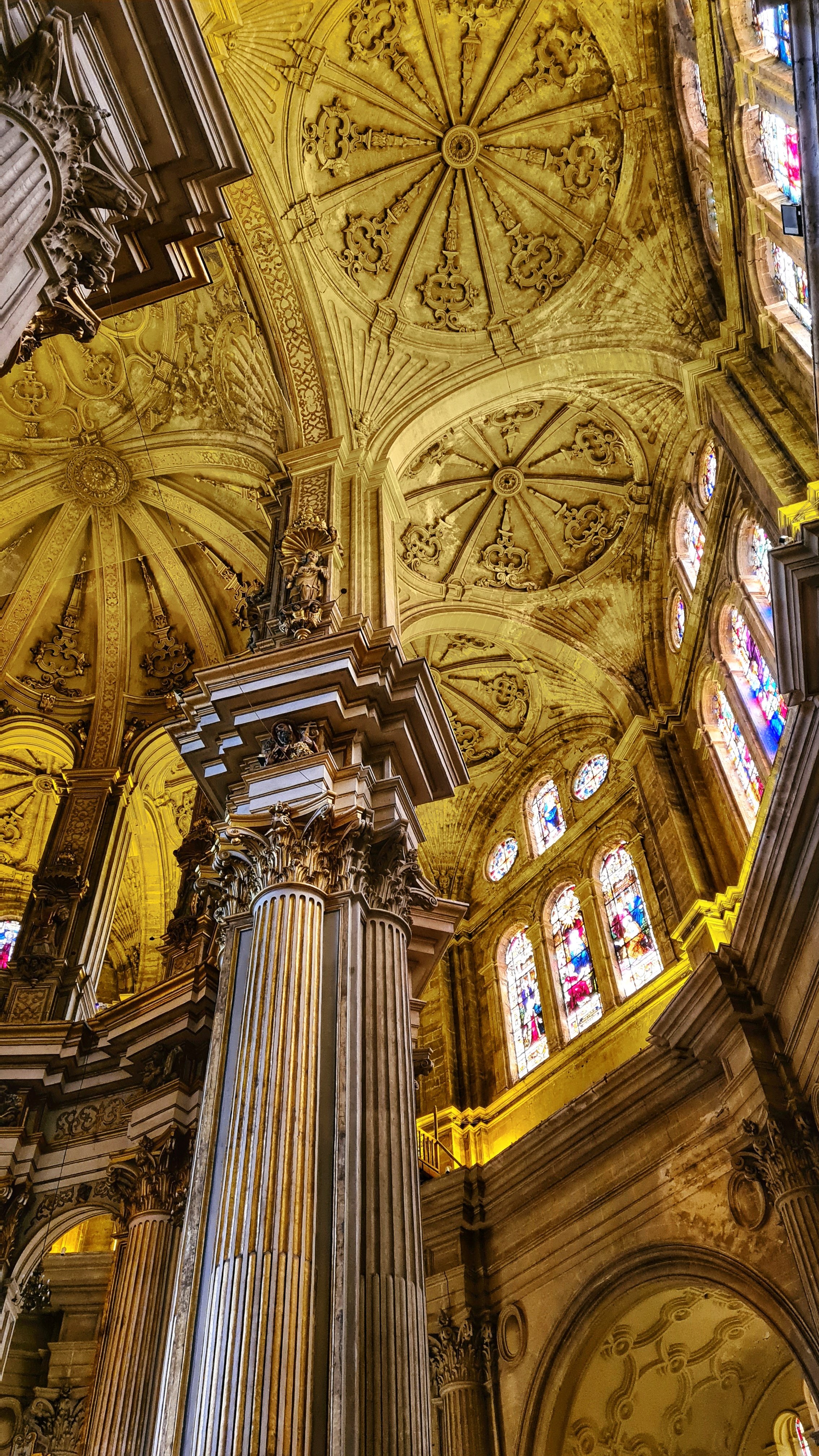
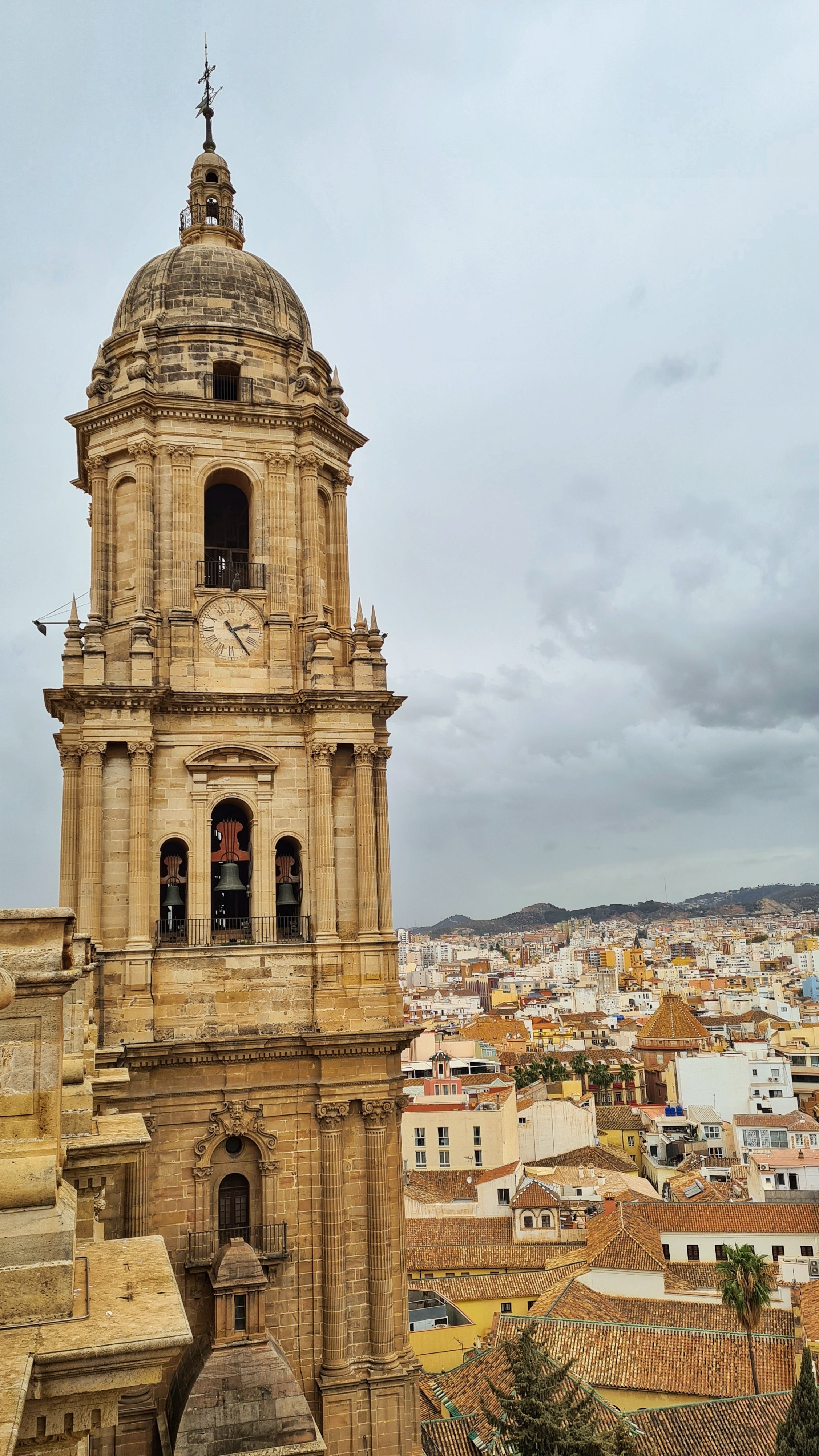
There is a 6 euros entrance fee to visit the cathedral, which includes an audio guide to help you learn more about its history and architecture. I would recommend visiting Málaga Cathedral earlier in the day to avoid crowds or booking your entrance tickets in advance online to miss the queues click here
Even if you don’t have time to go inside, it’s still worth taking time to admire Málaga Cathedral. Some of the best viewpoints are from the external courtyard on Calle Molina Lario or the nearby Plaza del Obispo, where you can fully appreciate the scale and beauty of the building. The cathedral looks especially magical when it is lit up at night, so I would highly recommend taking an evening stroll through this area of the city.
Malaga Port
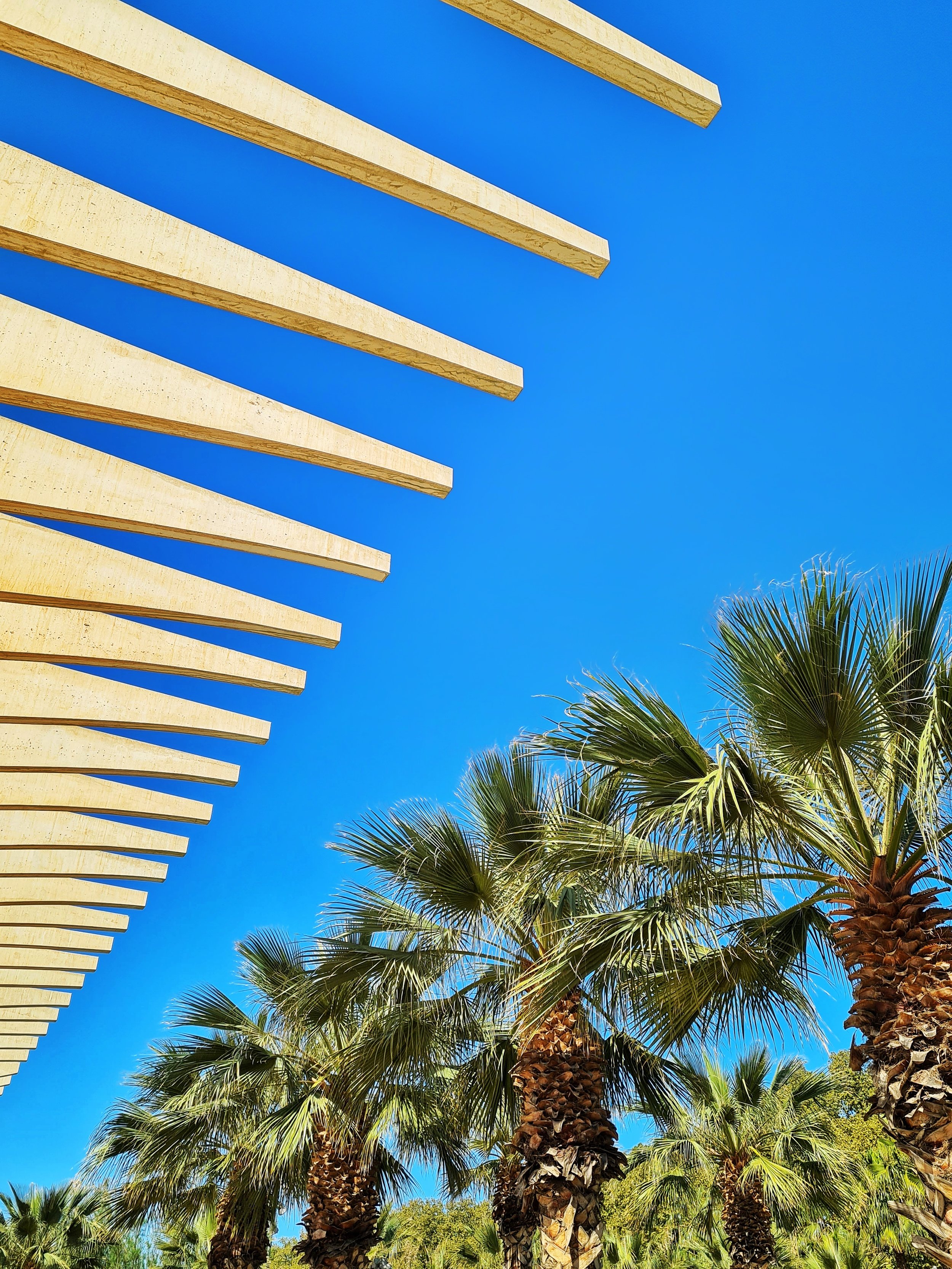
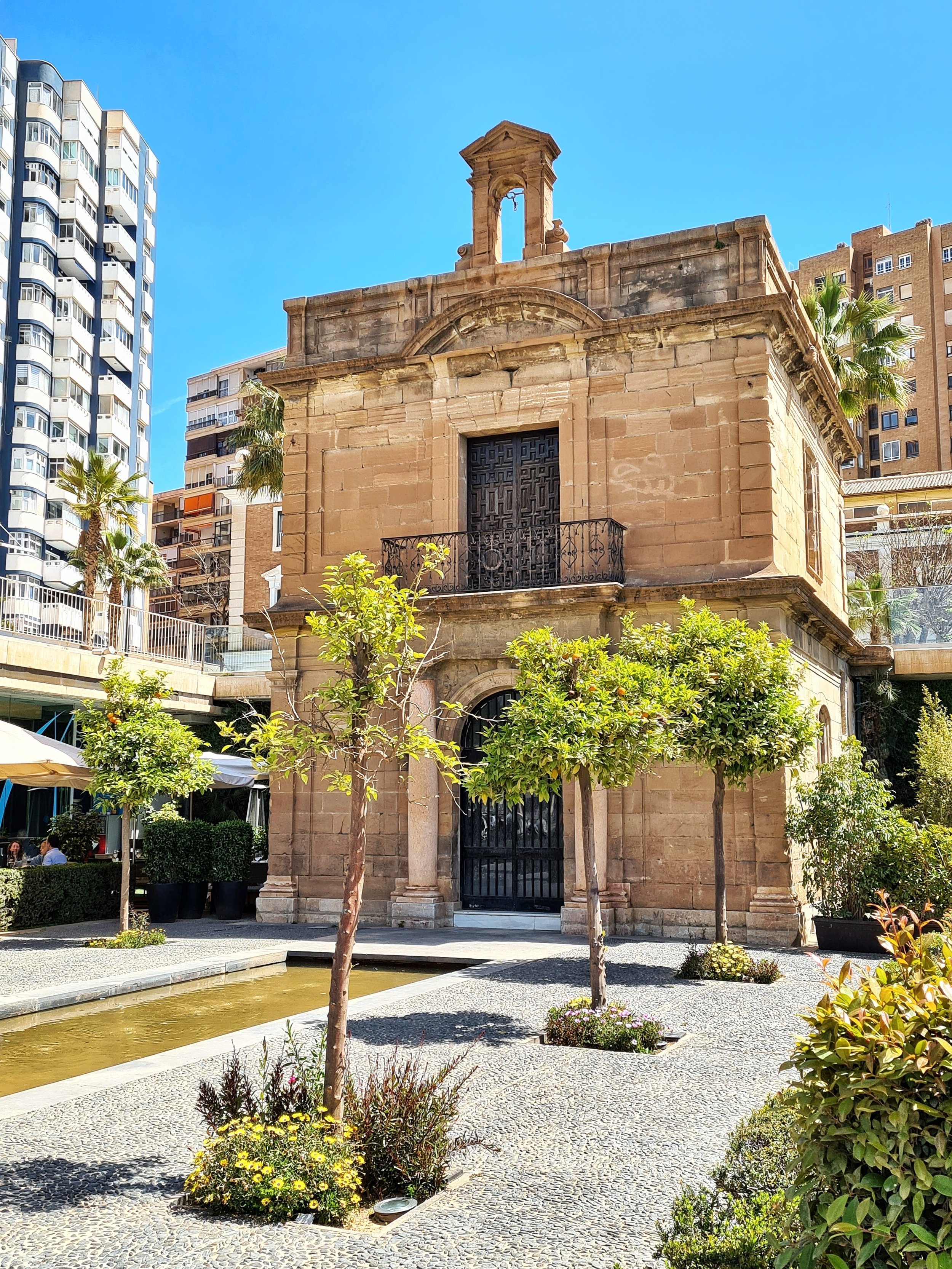
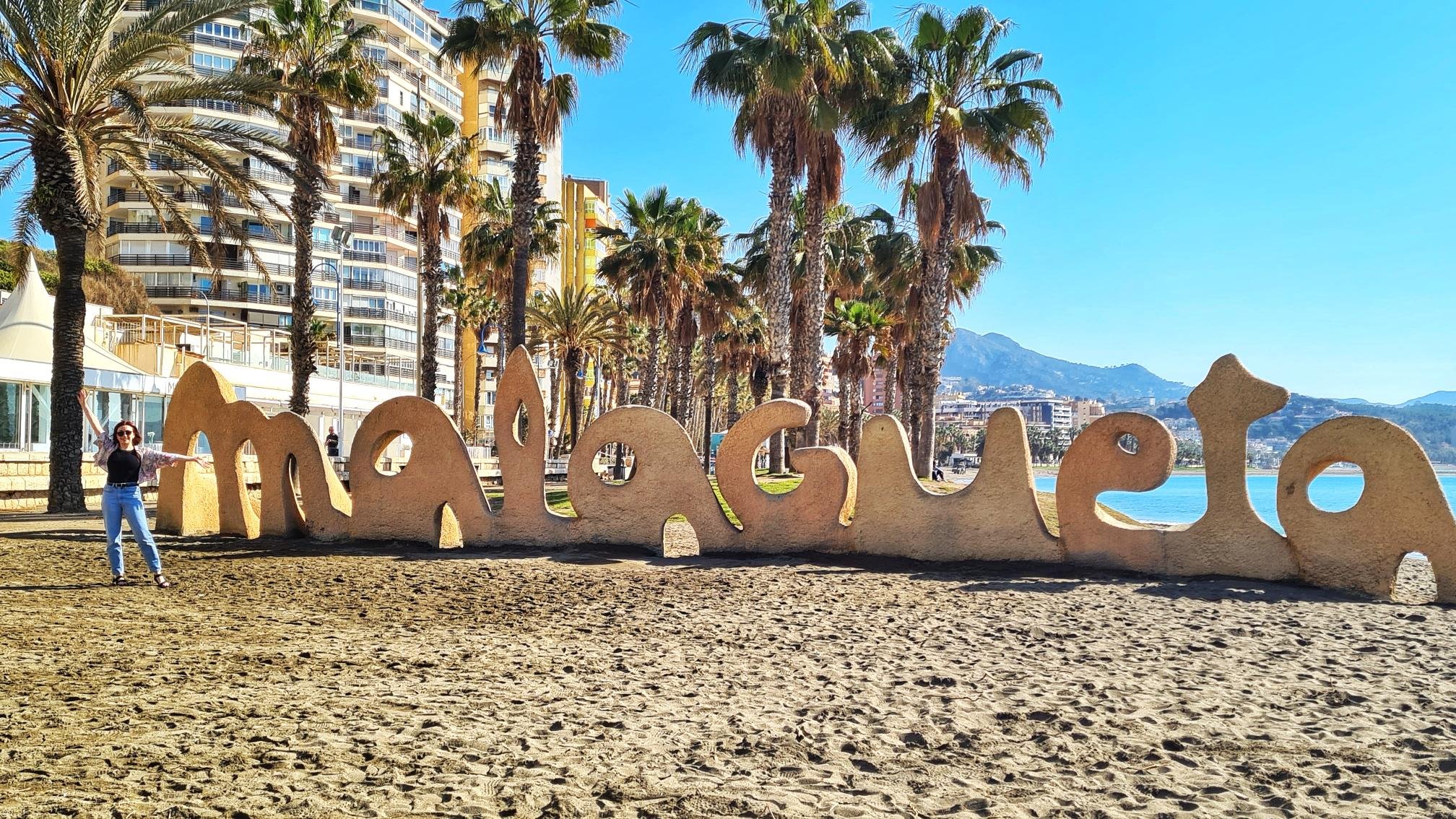
Take a short 10 minute stroll from the historic city centre to the wonderful port area of Malaga. First you will pass through the Palmeral de las Sorpresas, a waterfront promenade that stretches under a modern concrete structure, before making your way towards an array of market stalls, shops, bars and restaurants. Along the promenade you will often find street performers and entertainers and there always promises to be an exciting atmosphere here. As you make your way along the waterfront, you will likely be met by a few superyachts to marvel at.
Towards the end of the port you will reach a lighthouse and access to Playa de la Malagueta, one of the city’s most popular and beautiful beaches. Here you will find many chiringuitos (beach bars) and places to rent a sunbed to enjoy a relaxing afternoon in the sun. It is here you will find the ‘Malagueta’ sign on the beach.
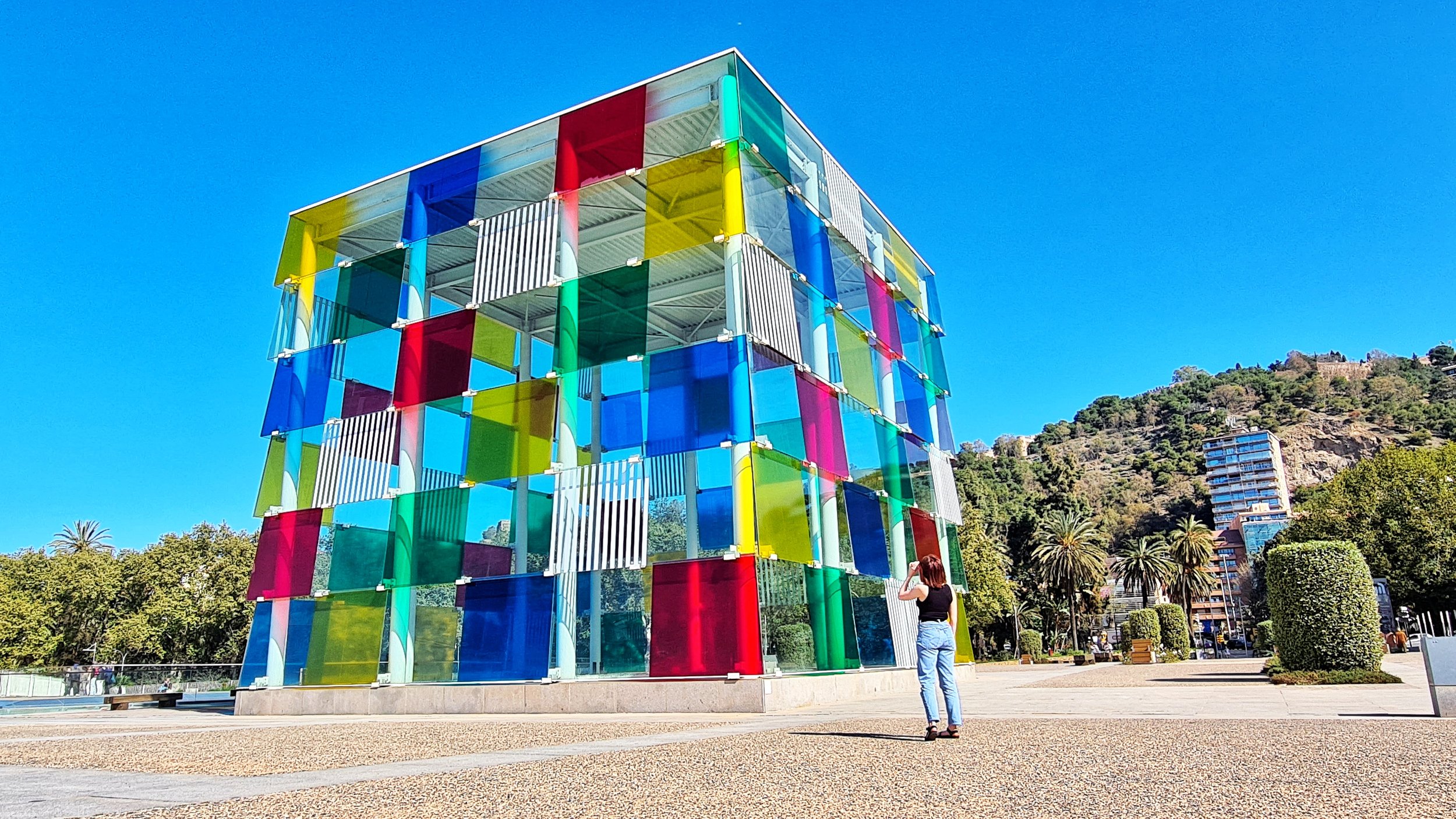
If you are a lover of contemporary and modern art, then the Centre Pompidou is well worth a visit. The building is not hard to miss in the port, with its iconic colourful cube exterior. The centre usually has numerous events and exhibitions available. TOP TIP: Save 33% off Malaga’s main attractions and skip the queues with a Malaga Pass, including the Centre Pompidou.
The best of the rest
Soho Malaga - discover murals and an open air urban art gallery in the streets of Soho or the Lagunillas neighbourhood of Malaga.
Mercado Central de Atarazanas - this one is for the foodies! This daily market in Malaga offers fresh produce and various food stalls. Here you can enjoy tapas and fresh ‘pescaíto’ (typical small fried fish) in the bars in the market, or just to stroll through and marvel at the 14th century architecture.
Parque de Malaga - between the historic centre and the port are the city’s beautiful public gardens, a green oasis where you can escape the hustle and bustle and enjoy a tranquil stroll surrounded by nature.
Calle Larios - shop until you drop along Malaga’s main shopping street Calle Larios. This street is truly spectacular at Christmas time with the lights that are displayed here.
Best day trips from Malaga
The wider province of Malaga has lots of offer by means of a day trip from Malaga city! No transport? No problem as GetYourGuide offers a great choice of day trips with pick up included from Malaga city centre. Here are my top day trips you can take from Malaga:
Caminito Del Rey - The Caminito del Rey is a spectacular hike where you will walk on boardwalks over 100m high through cliffs, canyons, and a large valley. Book here as part of a group tour which gives you transport from the city, guaranteed access and a guide.
Ronda and Setenil de las Bodegas - If you want to two of Andalusia’s most unique and spectacular destinations, you can do with a group tour from Malaga. Ronda and Setenil de las Bodegas are close to one another, meaning you can see both in one day! Check out my Ronda Travel Guide and Setenil de las Bodegas Travel Guide to see why you have to visit these incredible place.
Antequera - If you want to enjoy some time outdoors and visit a site of ancient history, I’d recommend a day trip from Malaga seeing the Dolmens of Antequera and Torcal de Antequera. See Andalusia’s answer to Stonehenge with the ancient Neolithic burial sites before hiking in El Torcal, a UNESCO world heritage site with impressive rock formations.
Nerja and Frigiliana - Visit one of Spain’s prettiest white villages and coastal towns in one day with a day trip from Malaga. Admire the white streets and floral decorations in the mountain village of Frigiliana and enjoy one of the most stunning coastal towns on the Costa del Sol in Nerja. Nerja is home to an impressive cave which is included as part of day tour from Malaga.
Thank you for taking the time to read my Malaga travel guide. I hope this inspires you to visit Malaga and plan your own trip to the city. If you have any questions please post in the comments.
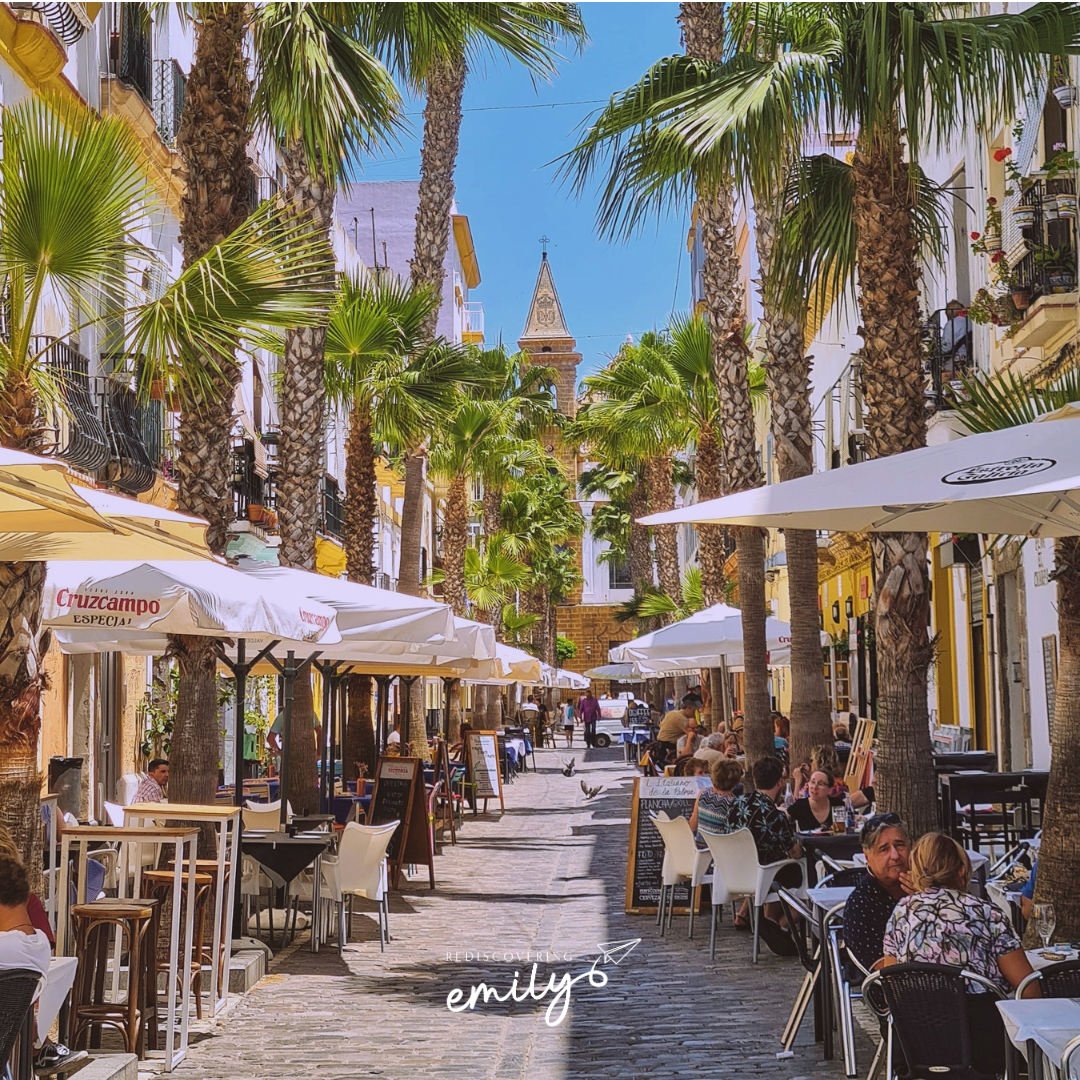

Planning a trip to Mallorca? This guide covers the best places to visit on the island, from the beautiful villages of Deià, Sóller and Fornalutx to the dramatic Serra de Tramuntana in the north, to Mallorca’s stunning southeast calas and the vibrant capital of Palma. Discover where to stay, how to get around Mallorca, what to eat and my tips for planning the perfect week in Mallorca.