
A guide to visiting Sevilla, Spain
If you’re planning a trip to southern Spain and looking for the perfect destination, the Andalusian capital of Seville should be at the top of your list. Known for its beautiful architecture, vibrant culture, and incredible food scene, Seville is one of the best places to visit in the region of Andalusia.
For solo travellers, Seville is an especially great choice. The city is safe, highly walkable, filled with friendly locals, and blessed with sunshine for most of the year. Whether you want to wander historic streets, admire iconic landmarks, or simply enjoy tapas in a lively plaza, there are endless things to do in Seville.
My name is Emily, and I’ve lived in the Andalusia region of Spain for over three years. During that time, I’ve visited Seville more times than I can count, and it remains one of my favourite cities in Spain (if not the world). In this Seville travel guide, I’ll share everything you need to know for your first visit, including the best things to do, where to eat and more!
This post may contain affiliate links, which means I earn a small commission (at no cost to you) if you click or choose to purchase from them. This is your way of supporting me so I can continue to offer these guides at no charge.
HOW TO GET TO SEVILLE
Seville has one major airport which connects the city to destinations across Spain and the rest of Europe. The most affordable and convenient way to travel from the airport to the city centre is by the TUSSAM Airport Bus. Tickets cost €6 one way and can be purchased at Seville airport or directly on board the bus. The shuttle bus runs every 20–30 minutes and stops at several key locations across the city, making it easy to reach many central neighbourhoods. For more information on routes and timetables, you can download the app or visit the website.
Taxis are also available from the airport if you prefer a quicker or more direct journey to your accommodation. Once you arrive in Seville, the best way to explore the city is on foot. Seville also has a public transport network that includes the Seville Metro and the MetroCentro tram, which operate across different parts of the city. The historic centre is compact and highly walkable, making it easy to enjoy wandering through its streets and discovering the main sights at your own pace. I highly recommend staying in or close to the historic centre during your visit. The city has a wide range of accommodation suitable for different needs and budgets and I always recommend Booking.com
Top places to see in Seville
The Royal Alcazar of Seville
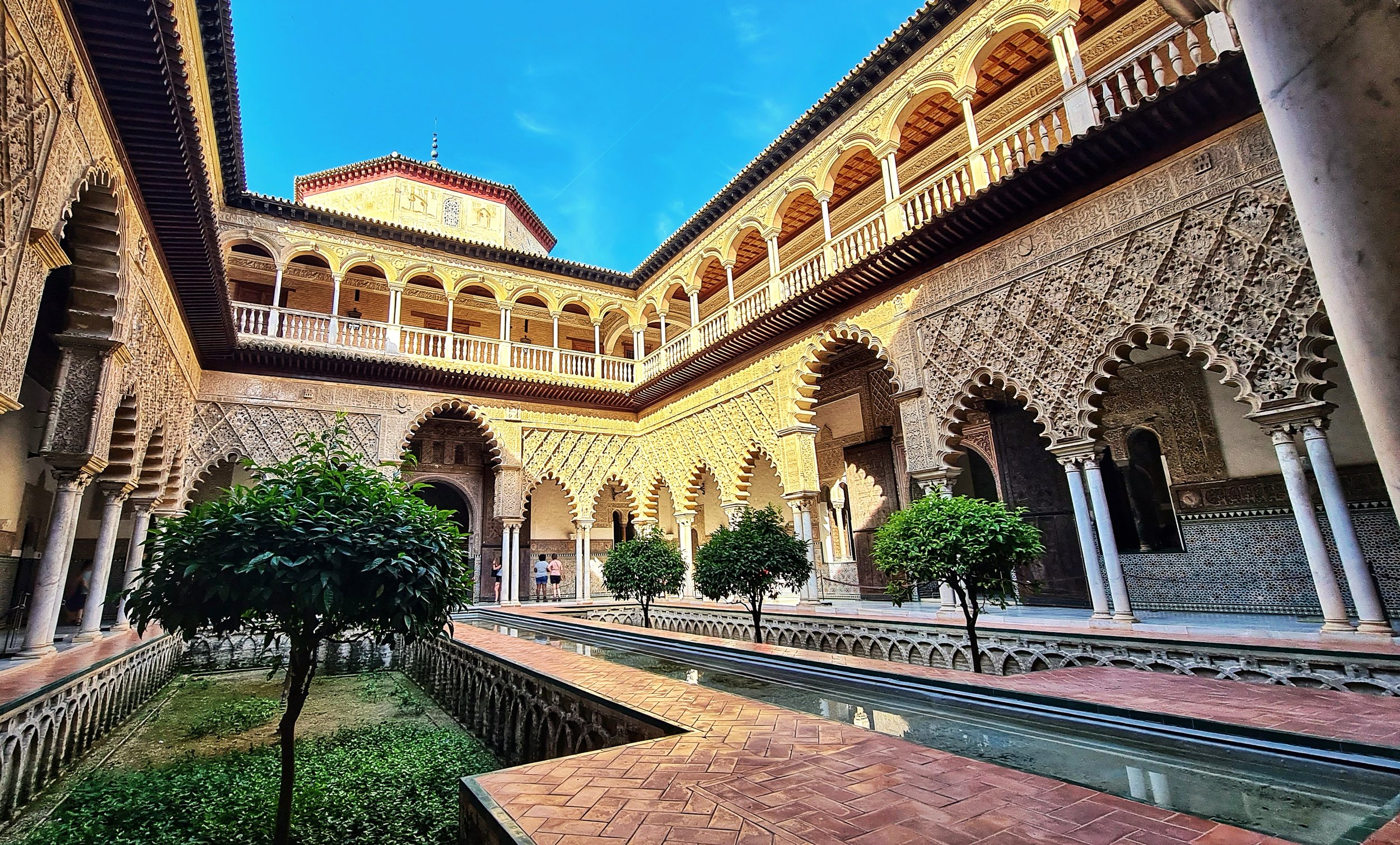
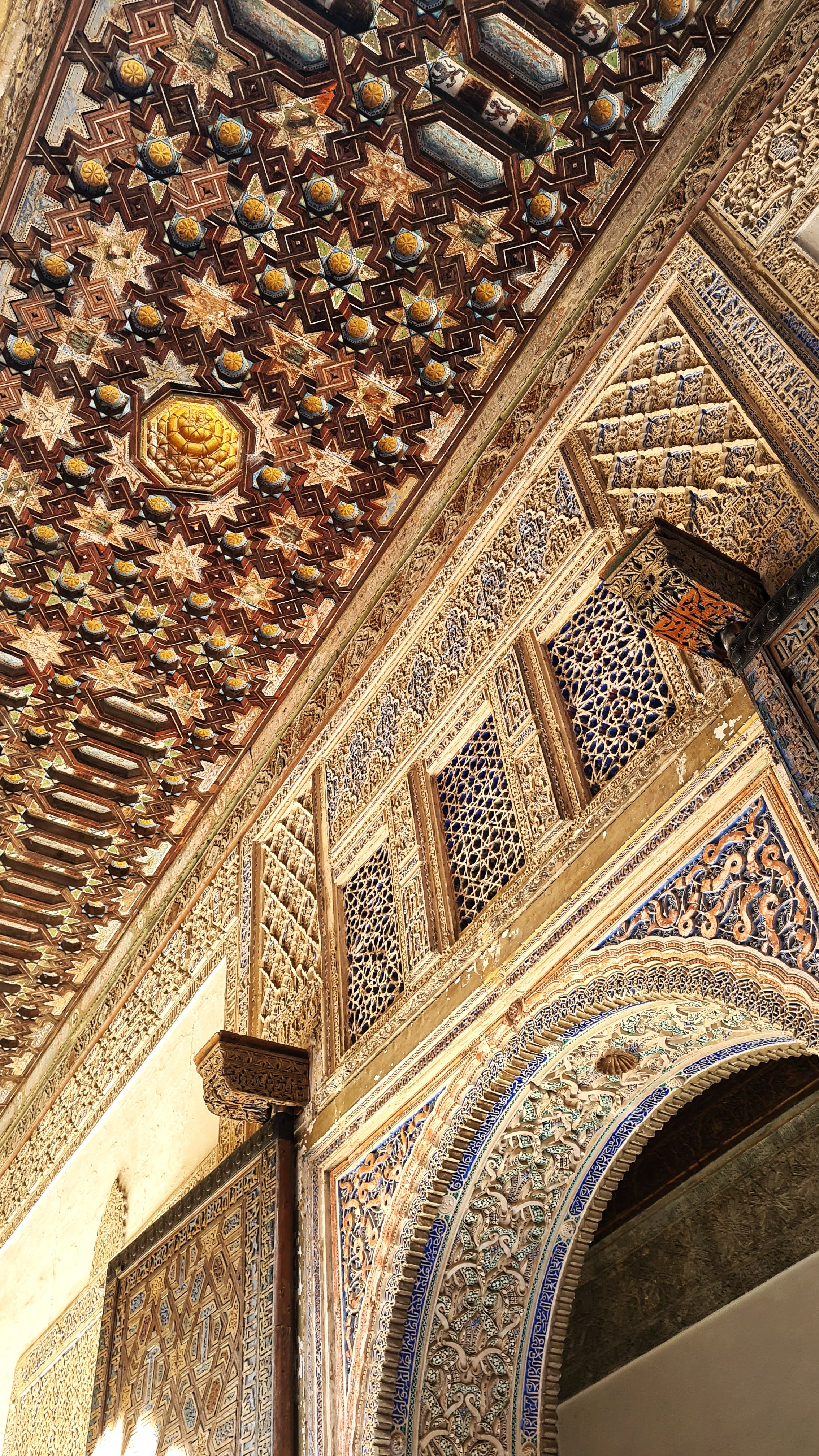
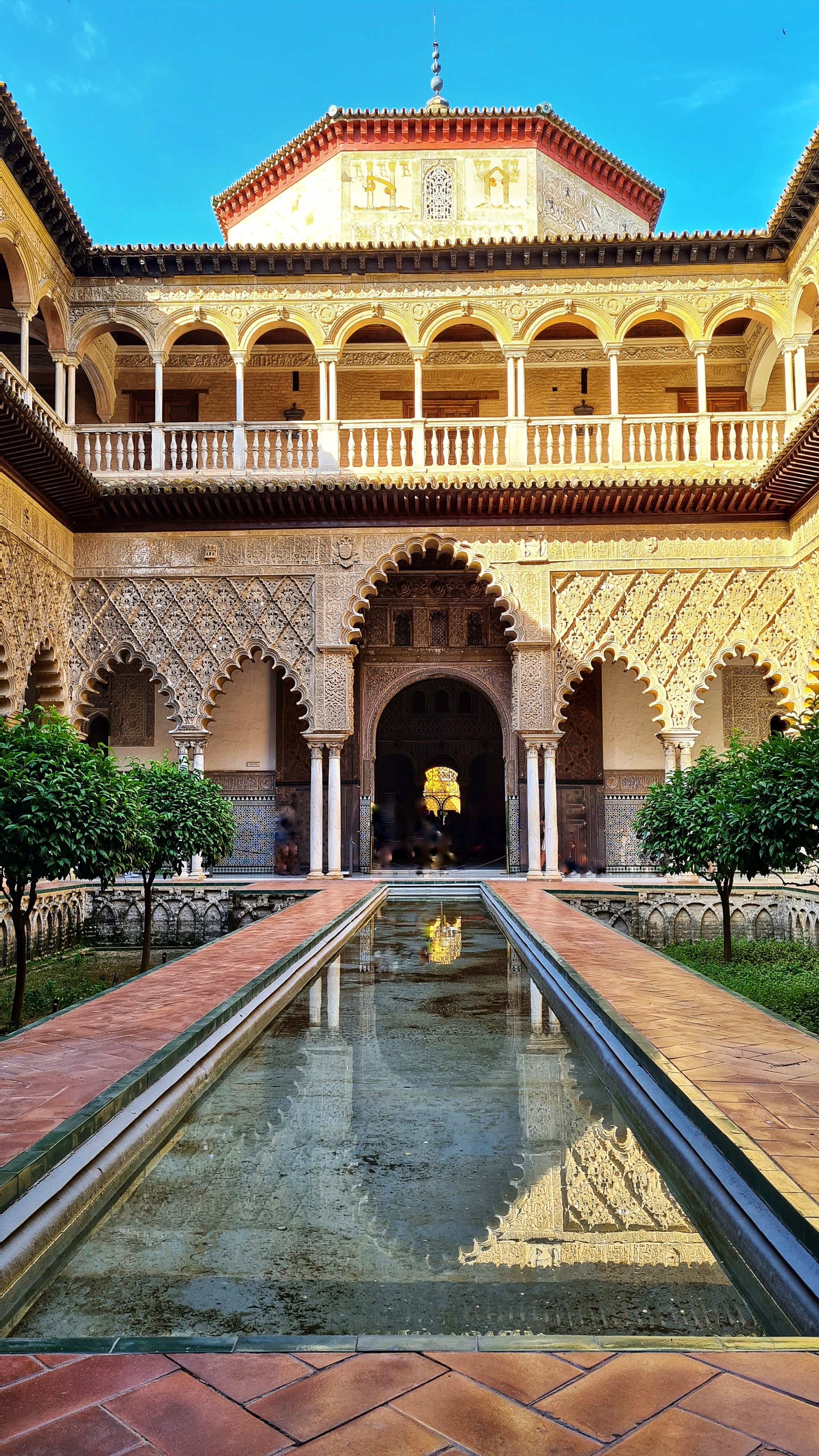
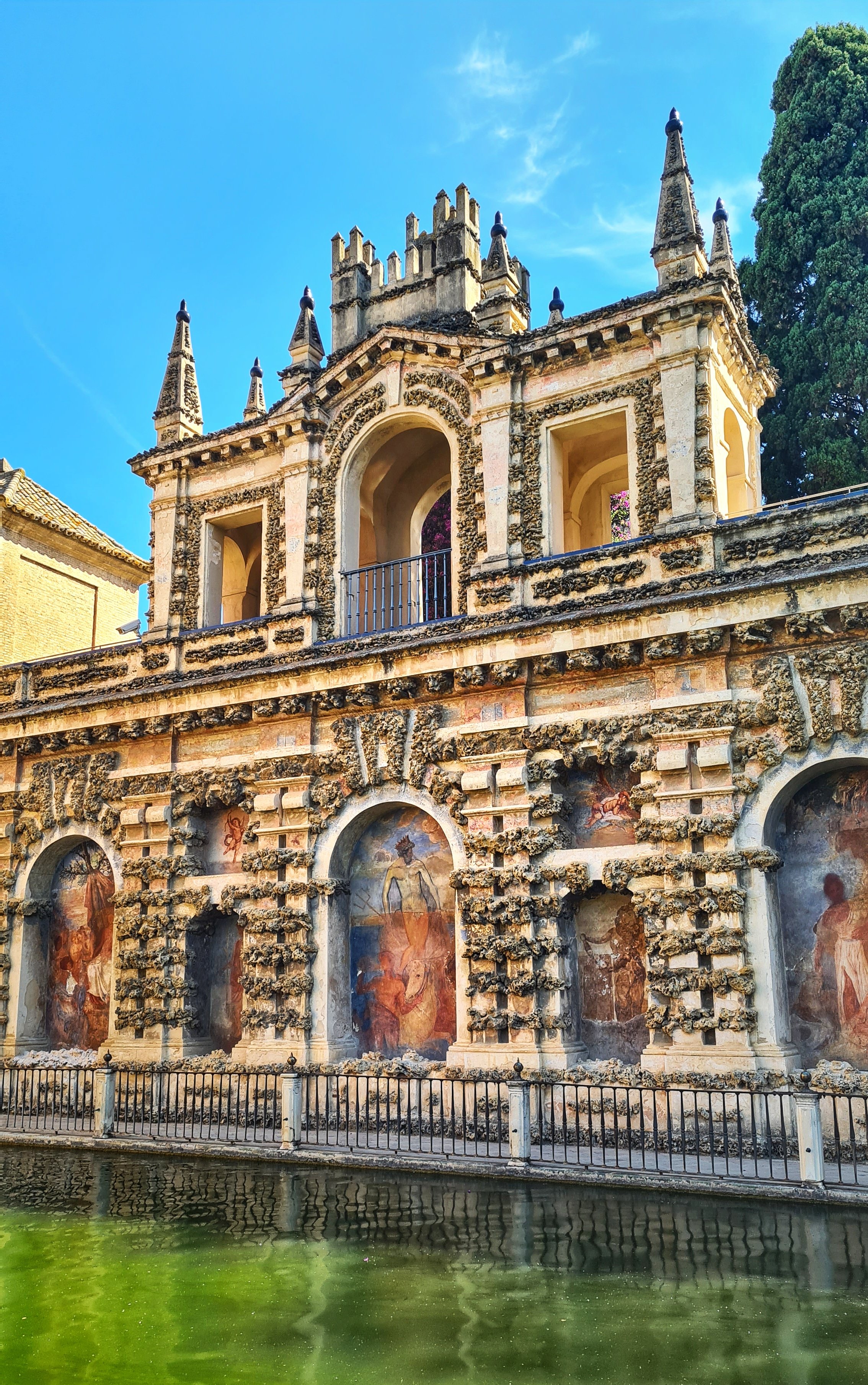
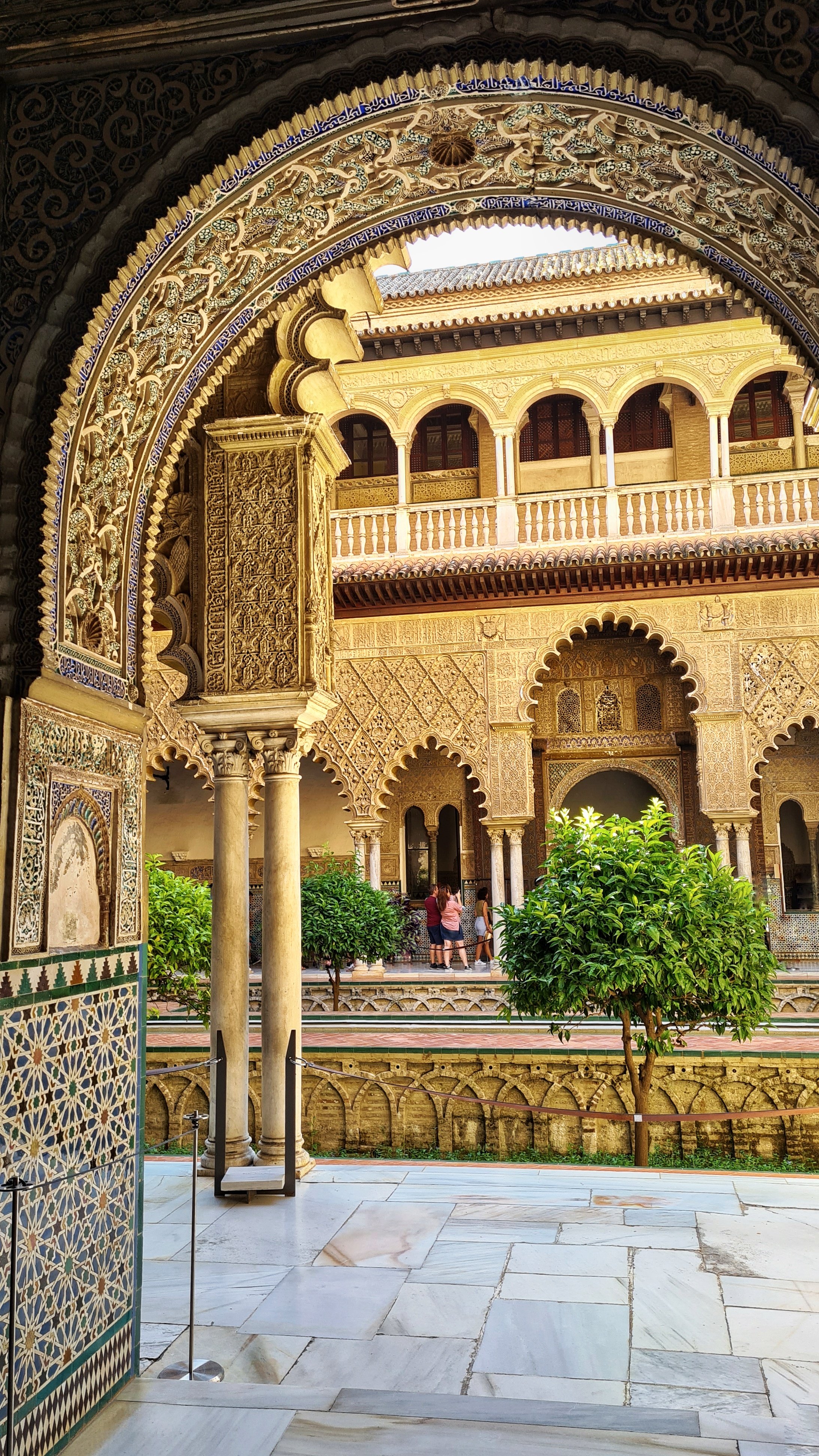
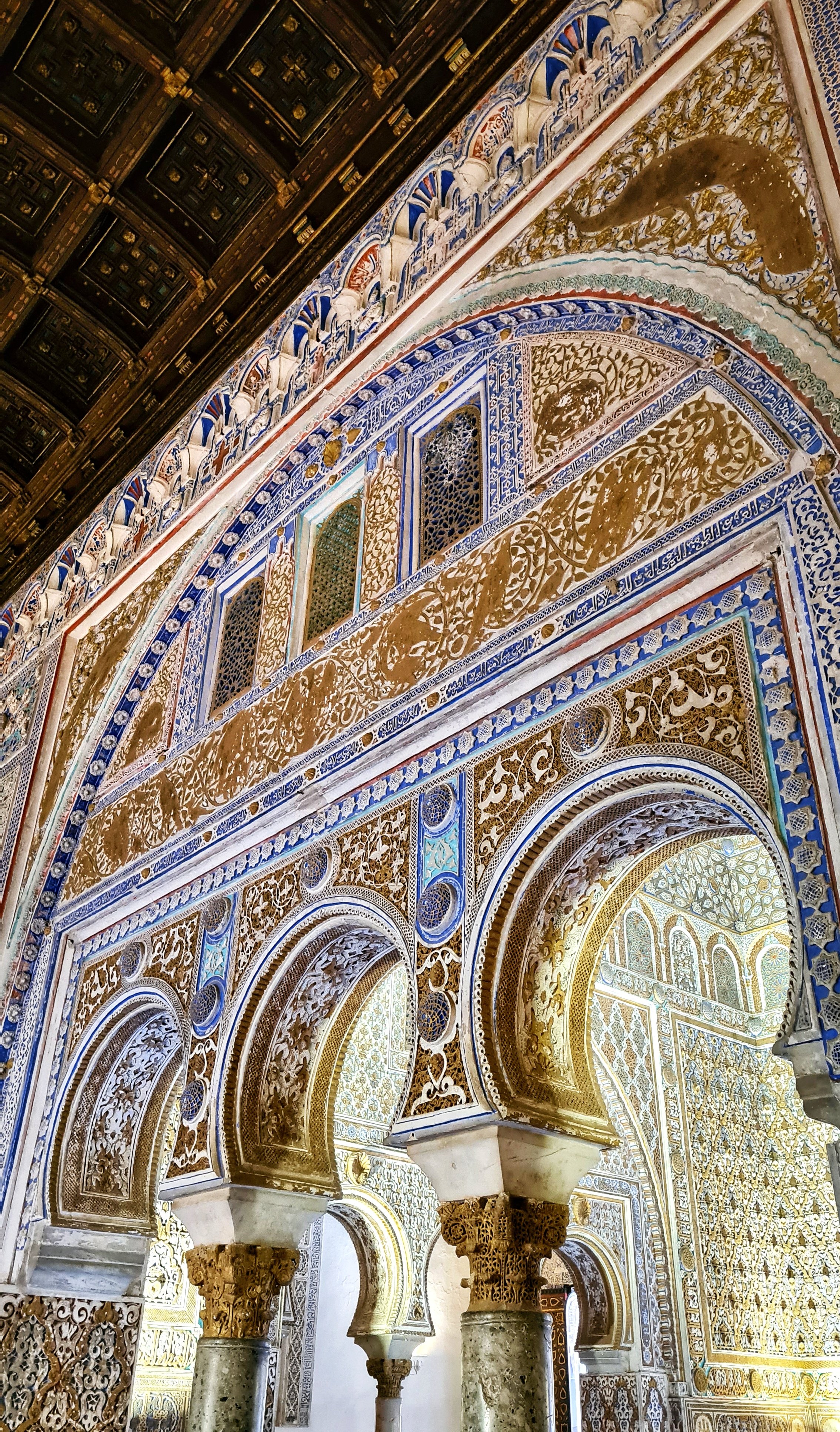
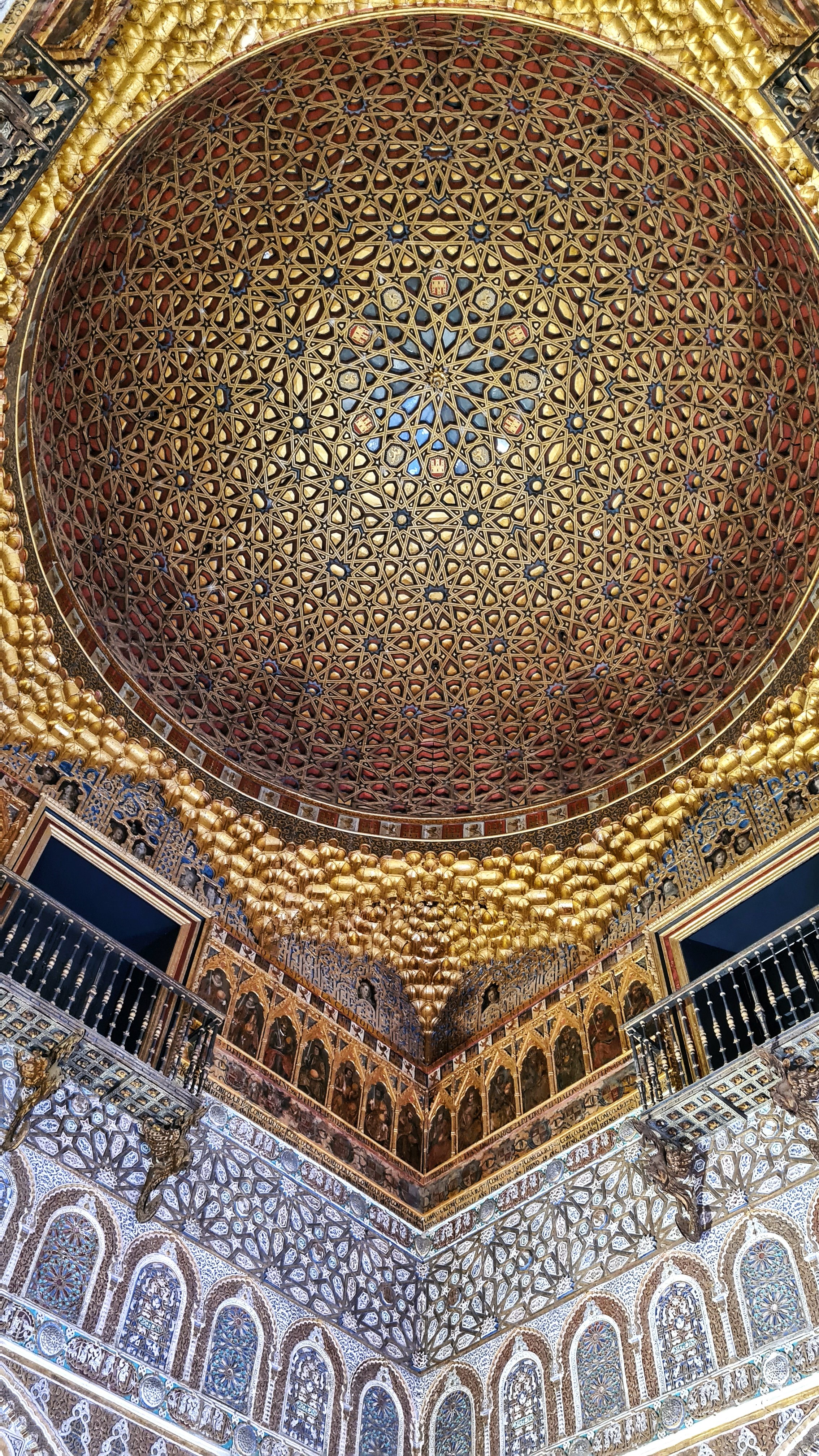
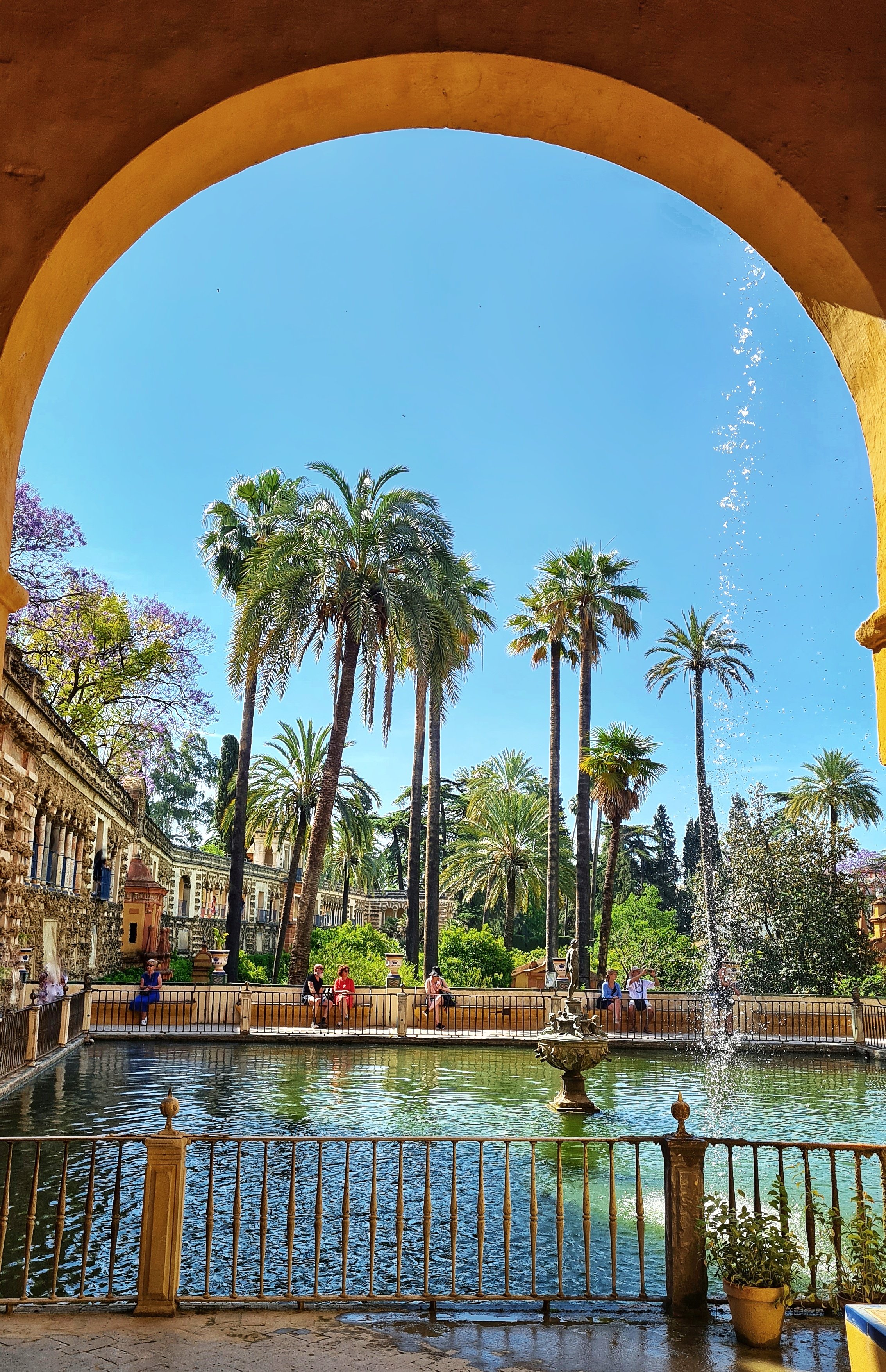
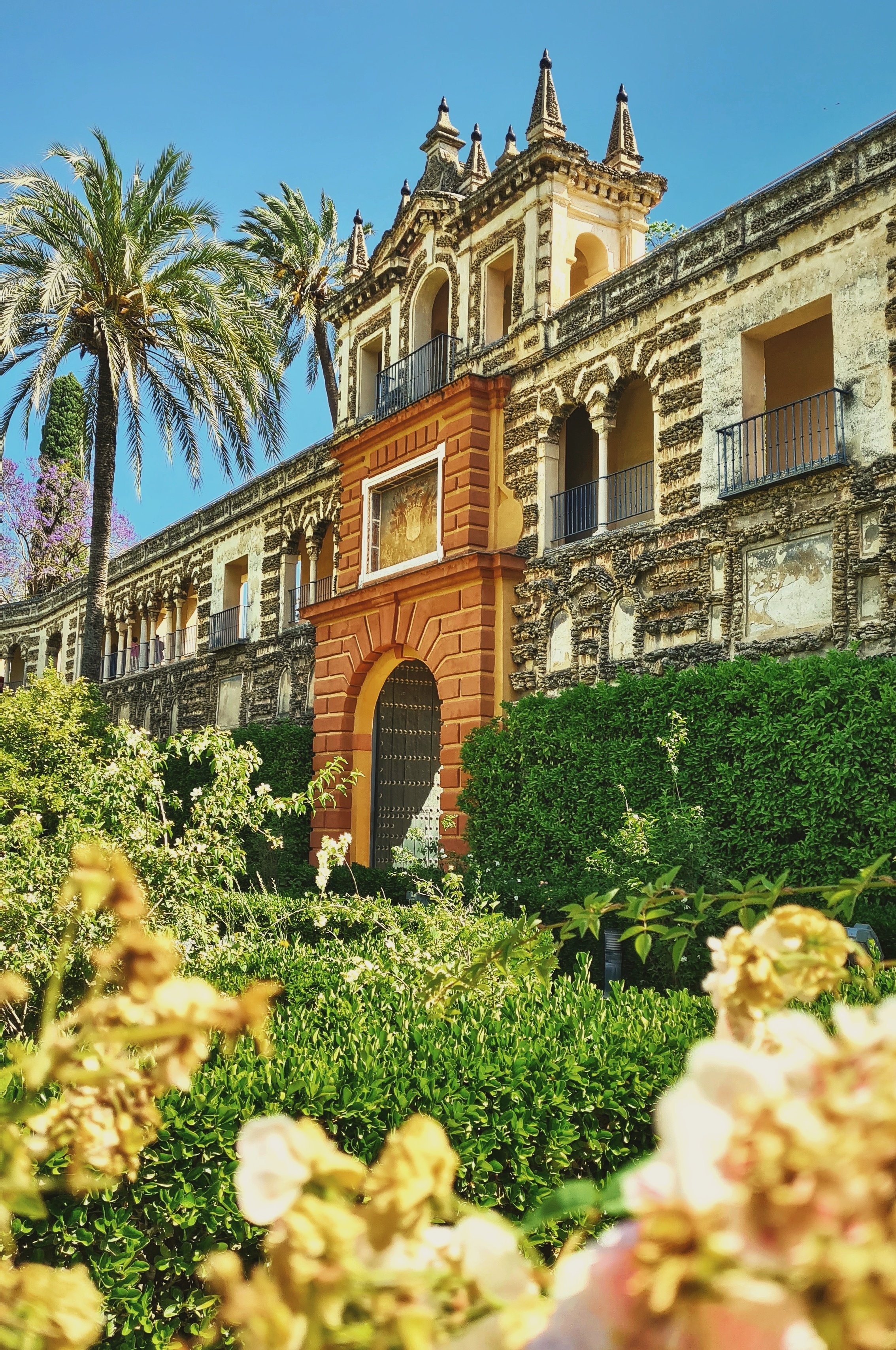
If you have limited time in Seville and you had to choose only one place to visit, then it must be the Royal Alcazar. A UNESCO World Heritage site and the oldest active Royal Palace in Europe, get ready to be absolutely blown away by the exquisite preservation of this 10th century building. The site has surged in popularity ever since it featured in the hit TV series Game of Thrones. Inside you will find a spectacular blend of Christian and Moorish architecture, with beautiful courtyards and intricate plasterwork and ceramics that rival the splendor of the world famous Alhambra Palace of Grenada (check out my Granada travel guide). The real highlight is the Ambassadors Hall, with its impressive gilded domed ceiling. The gardens are equally spectacular as the interior, with hundreds of species of plants surrounding you over 60,000 square meters. Be sure to take in the Mercury Pool and walk along the Grutesco Gallery, a stone walkway that gives you wonderful views of the Alcazar and grounds.
TOP TIPS:
Allow a minimum of 2 hours to take in both the palace and the grounds.
Pre book or miss out! Tickets for the Alcazar of Seville sell out weeks in advance.
I’d recommend to visit in off peak hours (weekday early or late afternoon) to avoid large crowds and queues.
You can visit for free on Mondays after 4pm (pre-book online).
Seville Cathedral and Giralda Tower
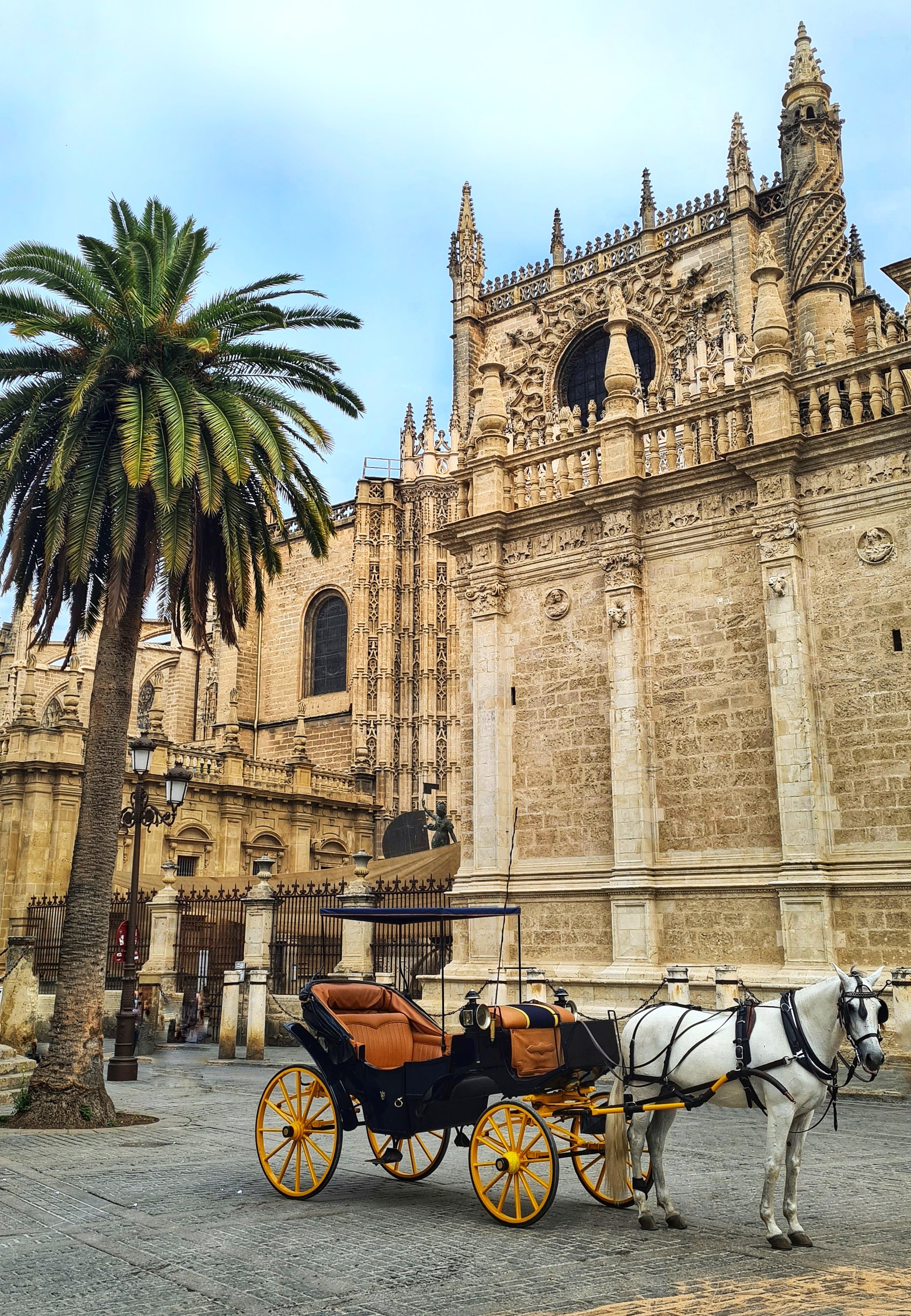
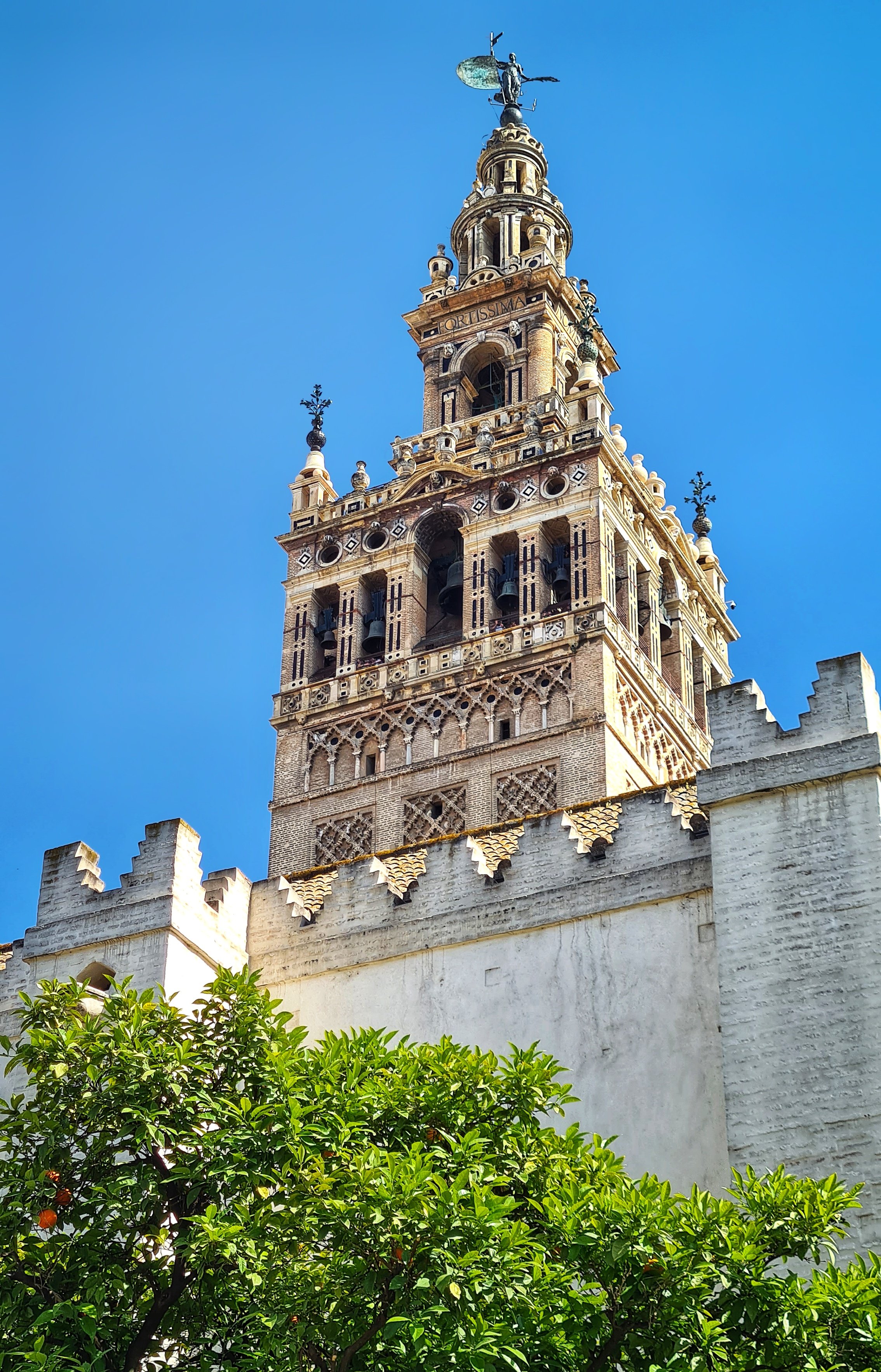
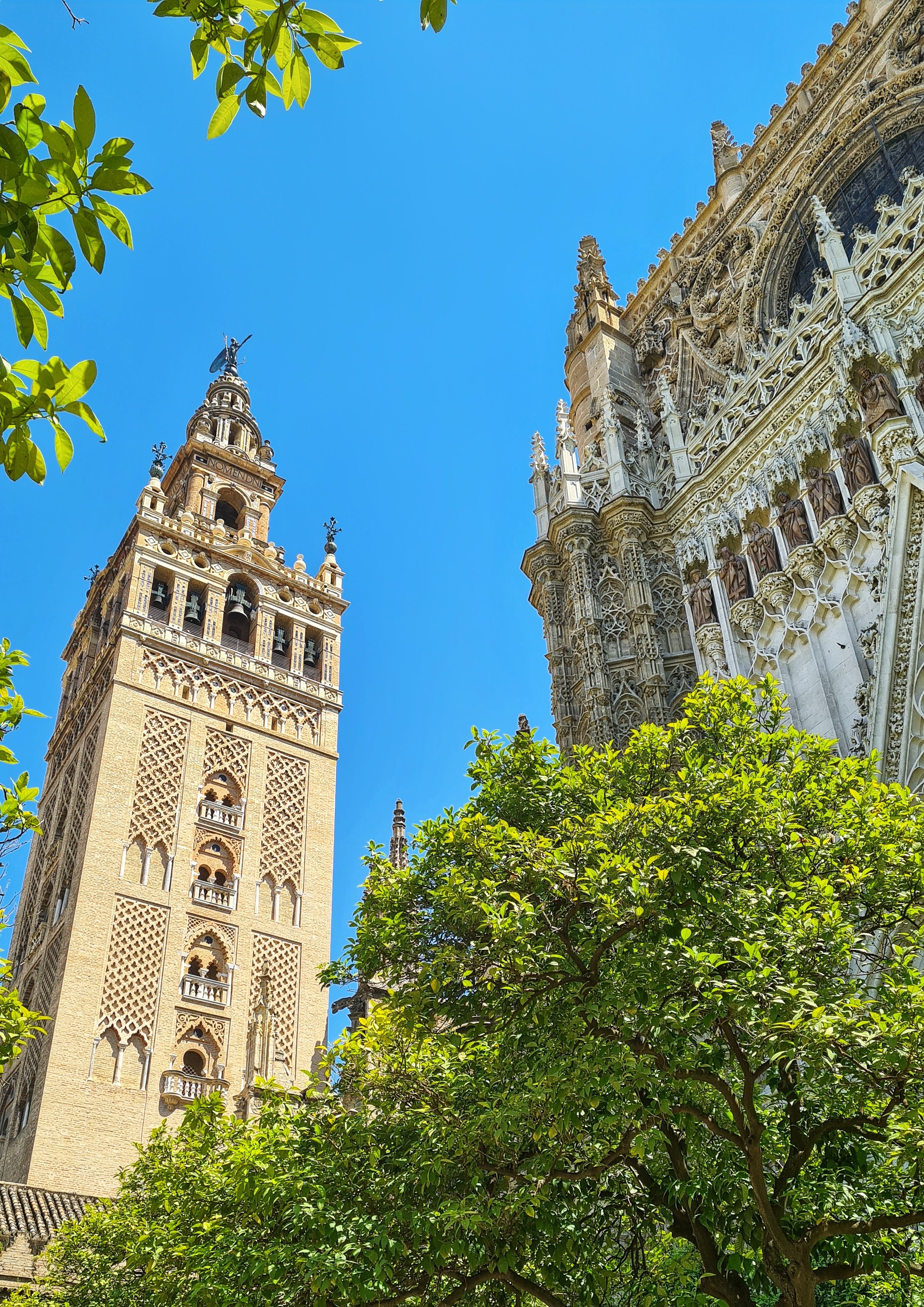
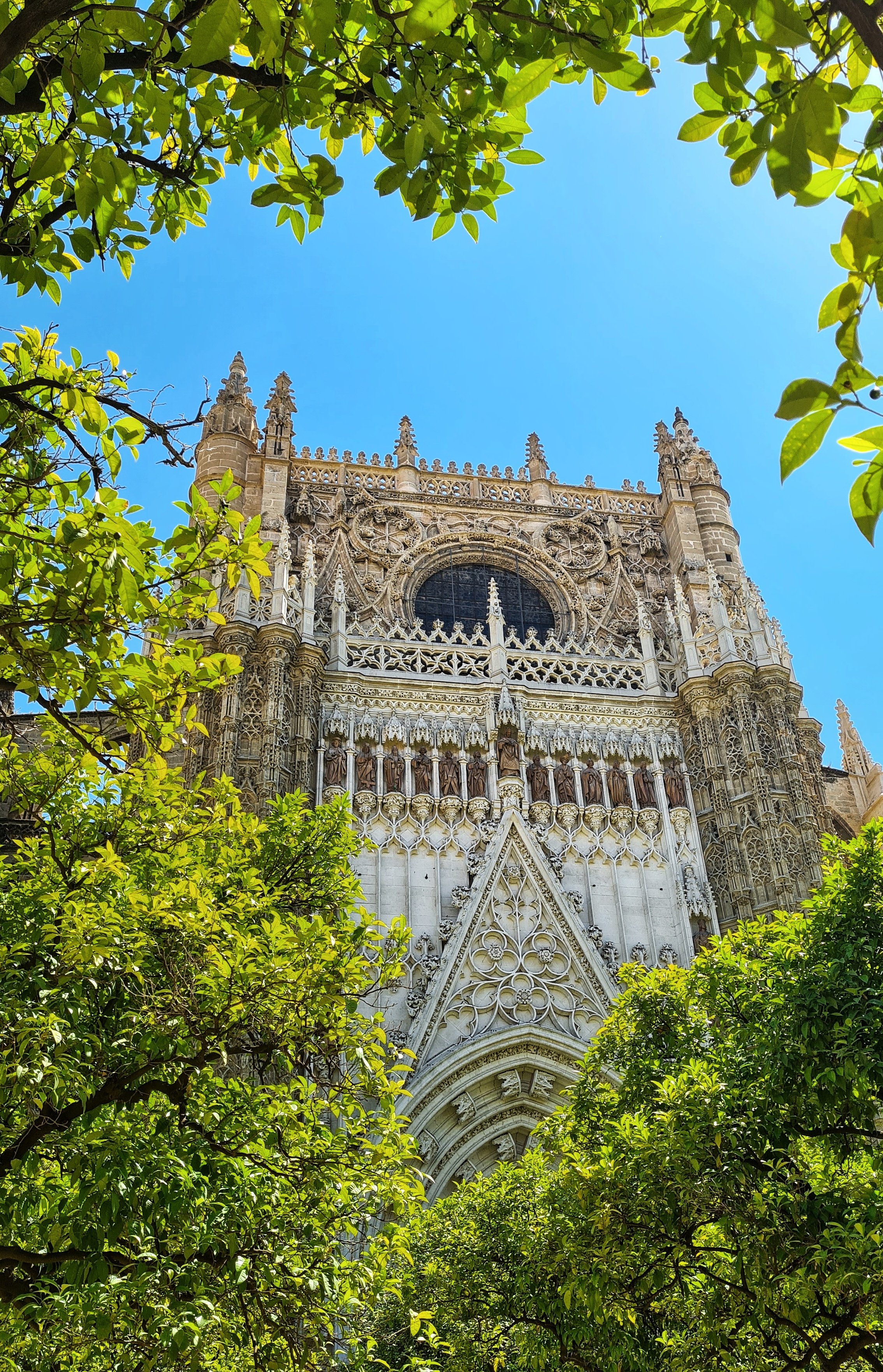
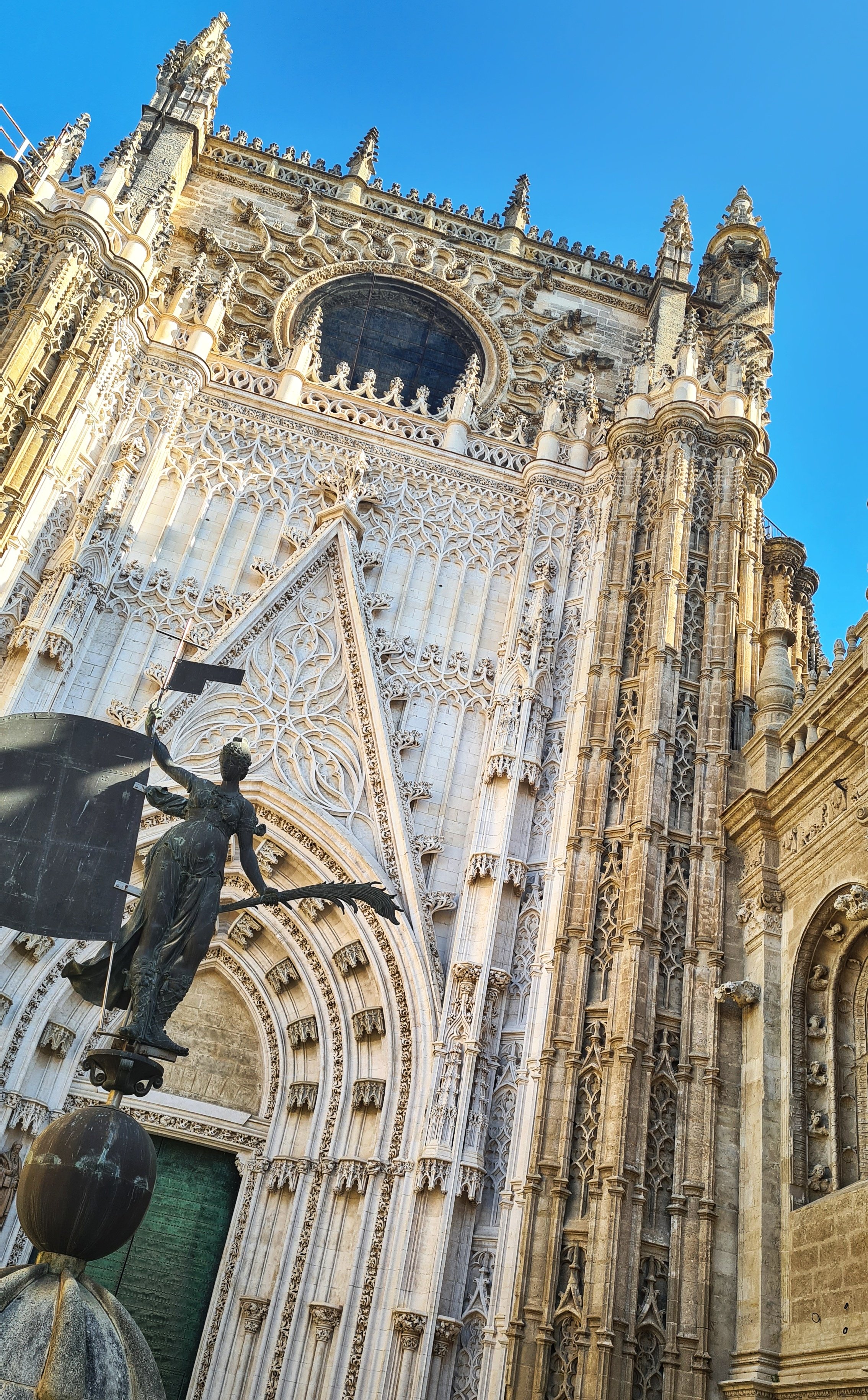
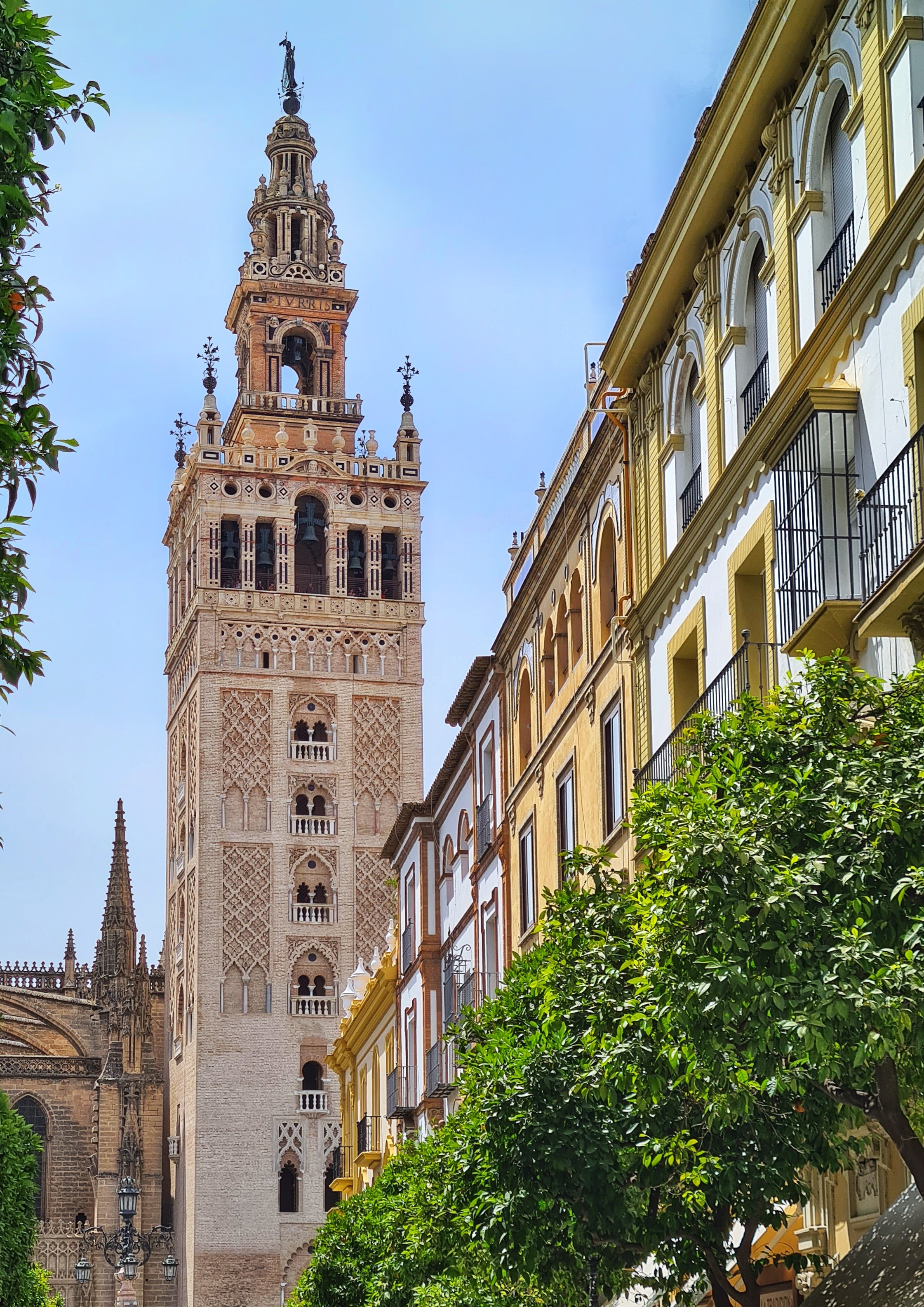
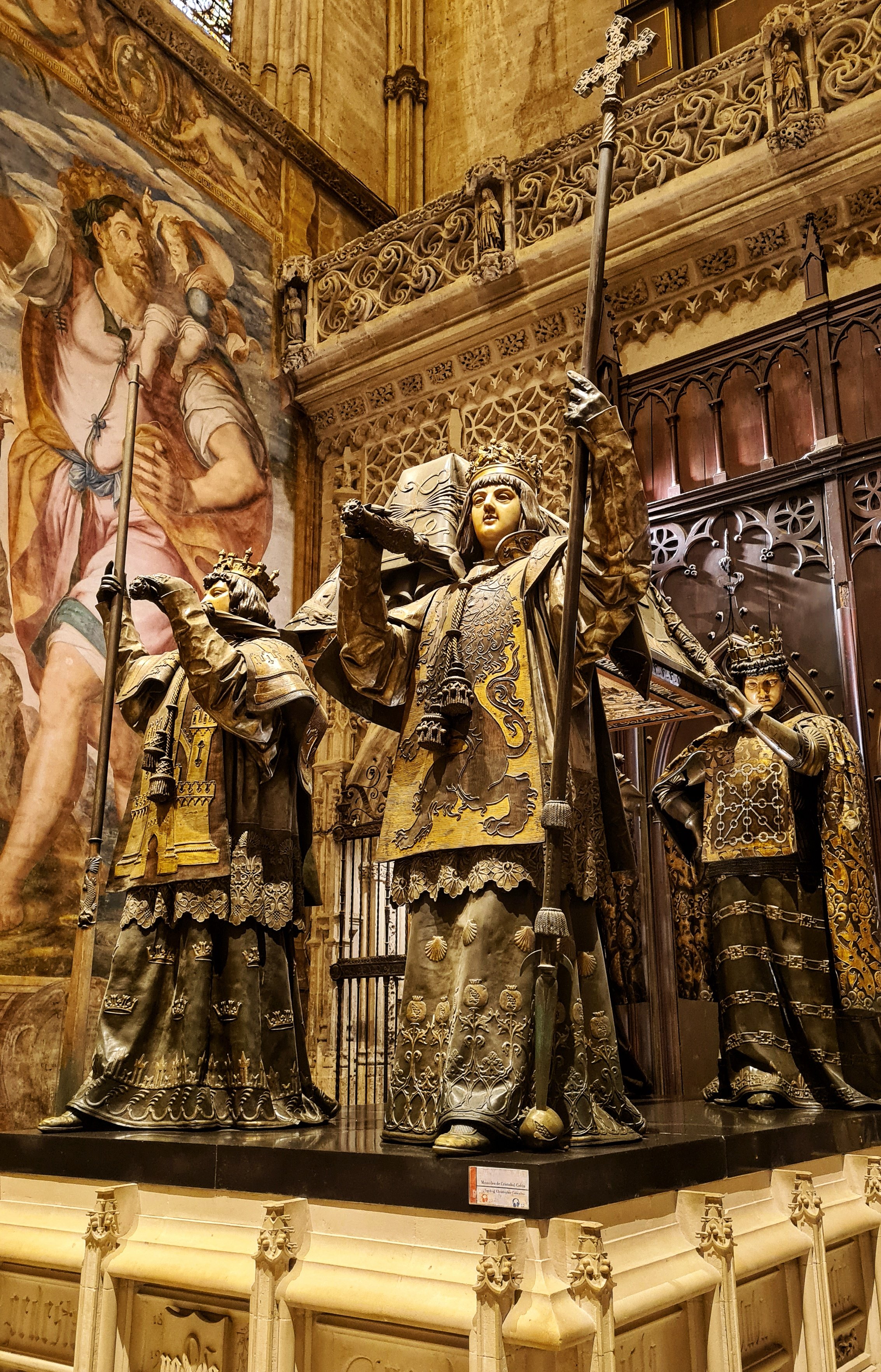
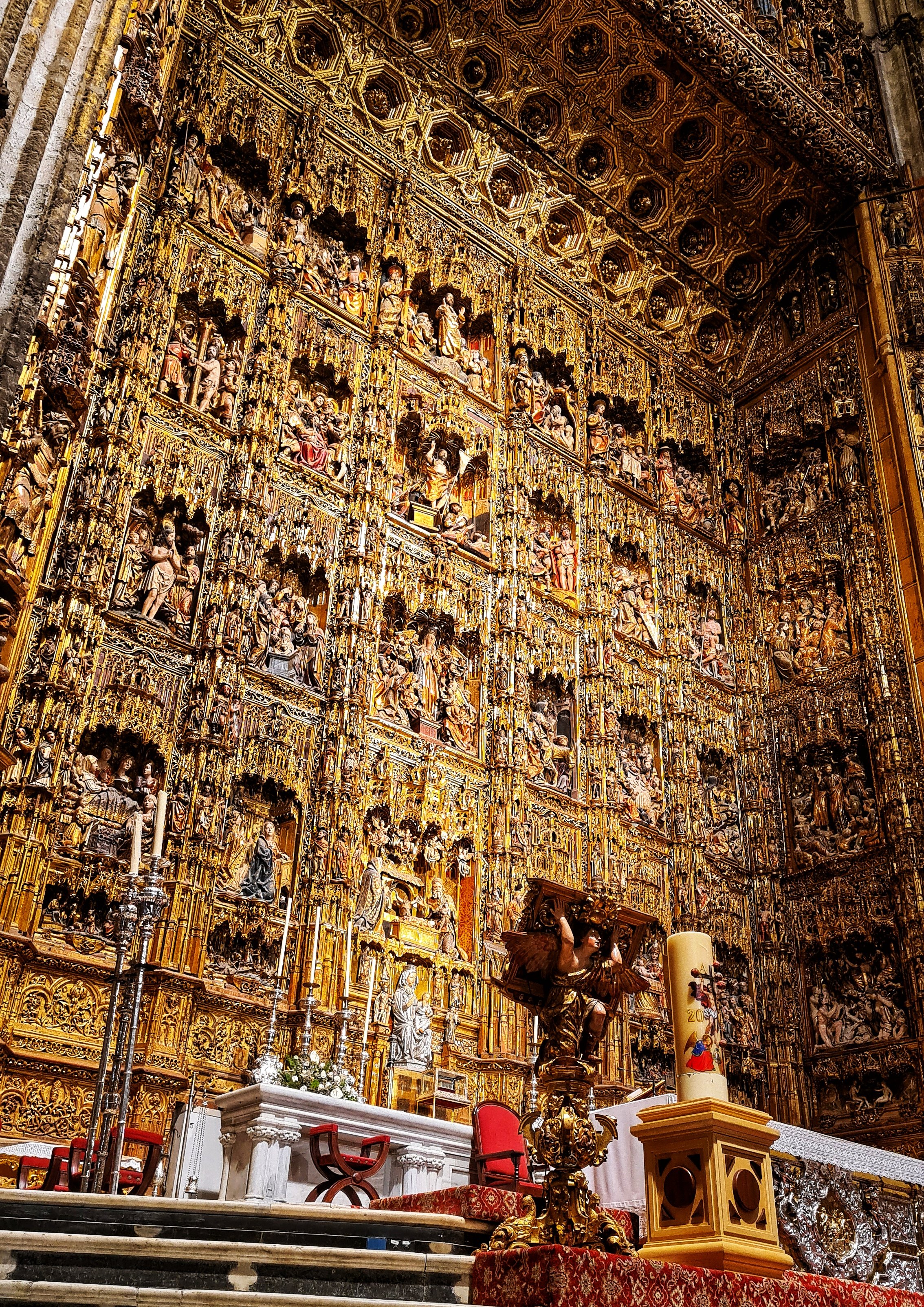
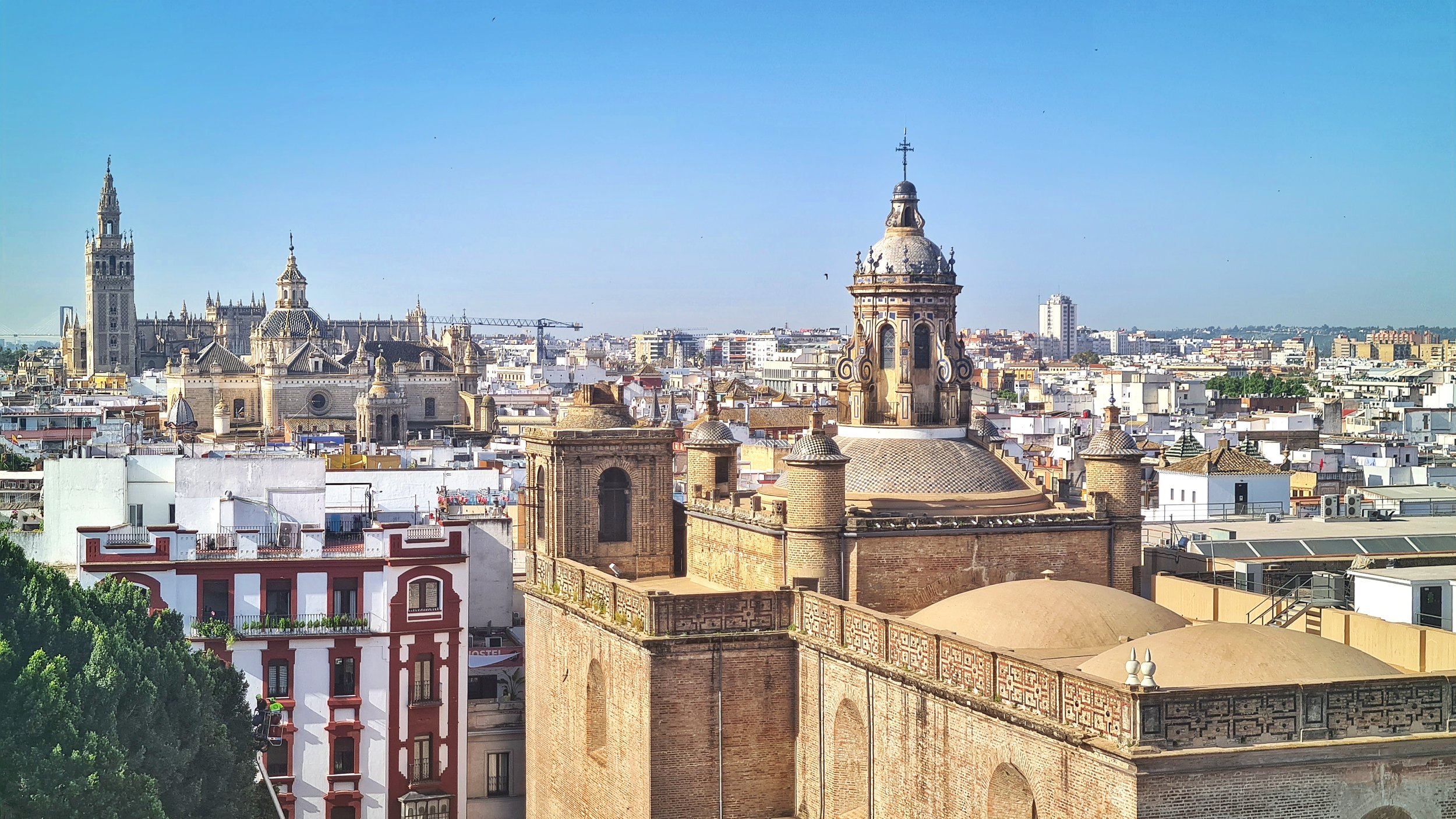
Just a stones throw away from the Royal Alcazar, be sure to step inside the Cathedral of Seville and climb the iconic Giralda tower. Both are UNESCO World Heritage sites and the tower is the only surviving structure from the original building that was destroyed in an earthquake in 1356. The interior is just as impressive as the gothic exterior, with towering stone columns and the most impressive altar piece. Inside you will also find the tomb of the world renowned explorer Christopher Columbus. Access to climb the Giralda tower is included with your entry ticket and offers the most impressive panoramic views of the city. The tower was formerly an Islamic minaret from when the site was a mosque under Moorish rule and has a continuous ramp, rather than steps (except for a tiny staircase to access the bell tower), to reach the top.
TOP TIPS:
Keep hold of your ticket to the Cathedral of Seville as this will give you free access to the impressive Church of El Salvador
Pre-book a guided roof tour, including the popular night tours, in advance.
Plaza de Espana and Maria Luisa Park
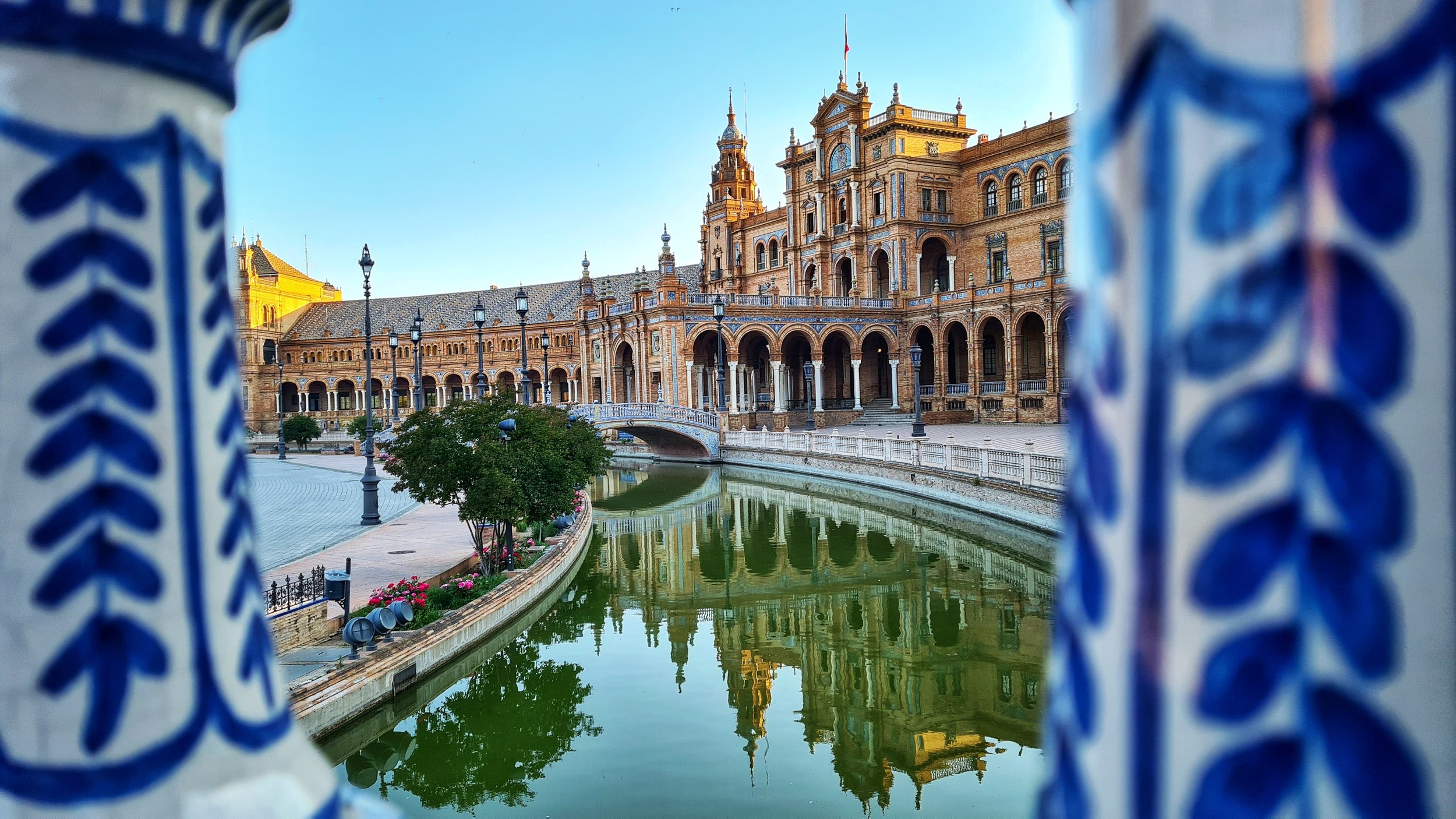
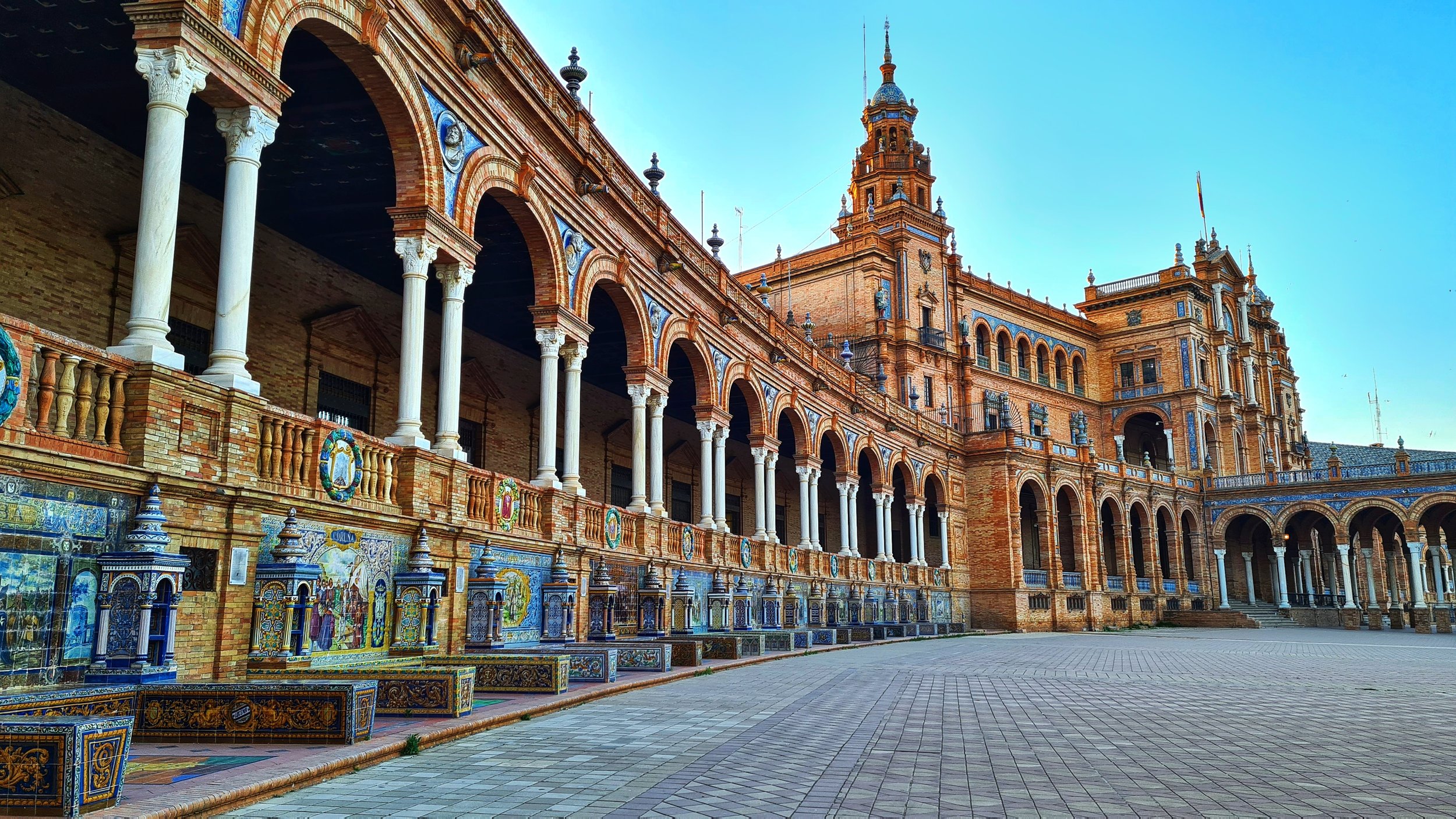
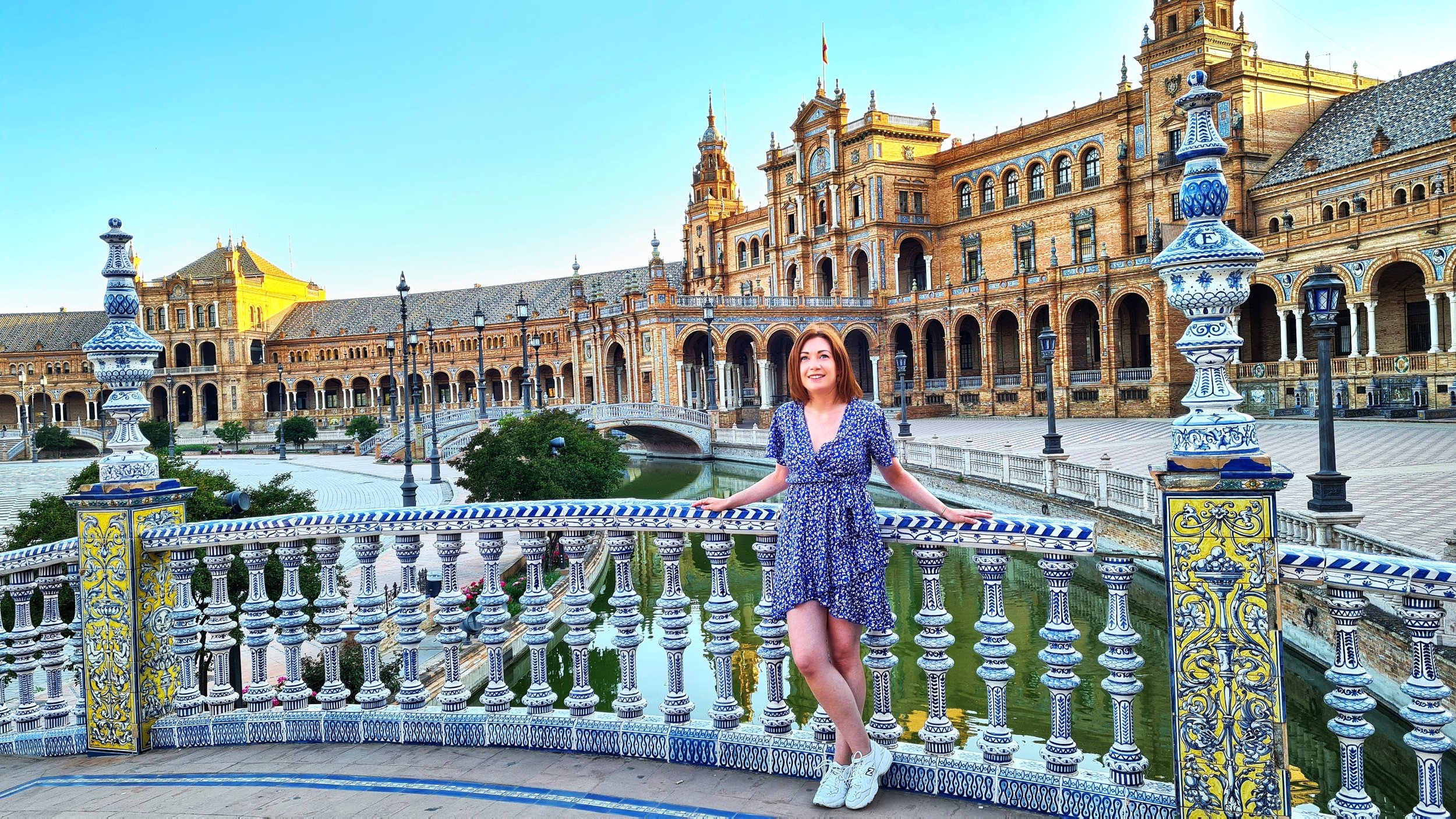
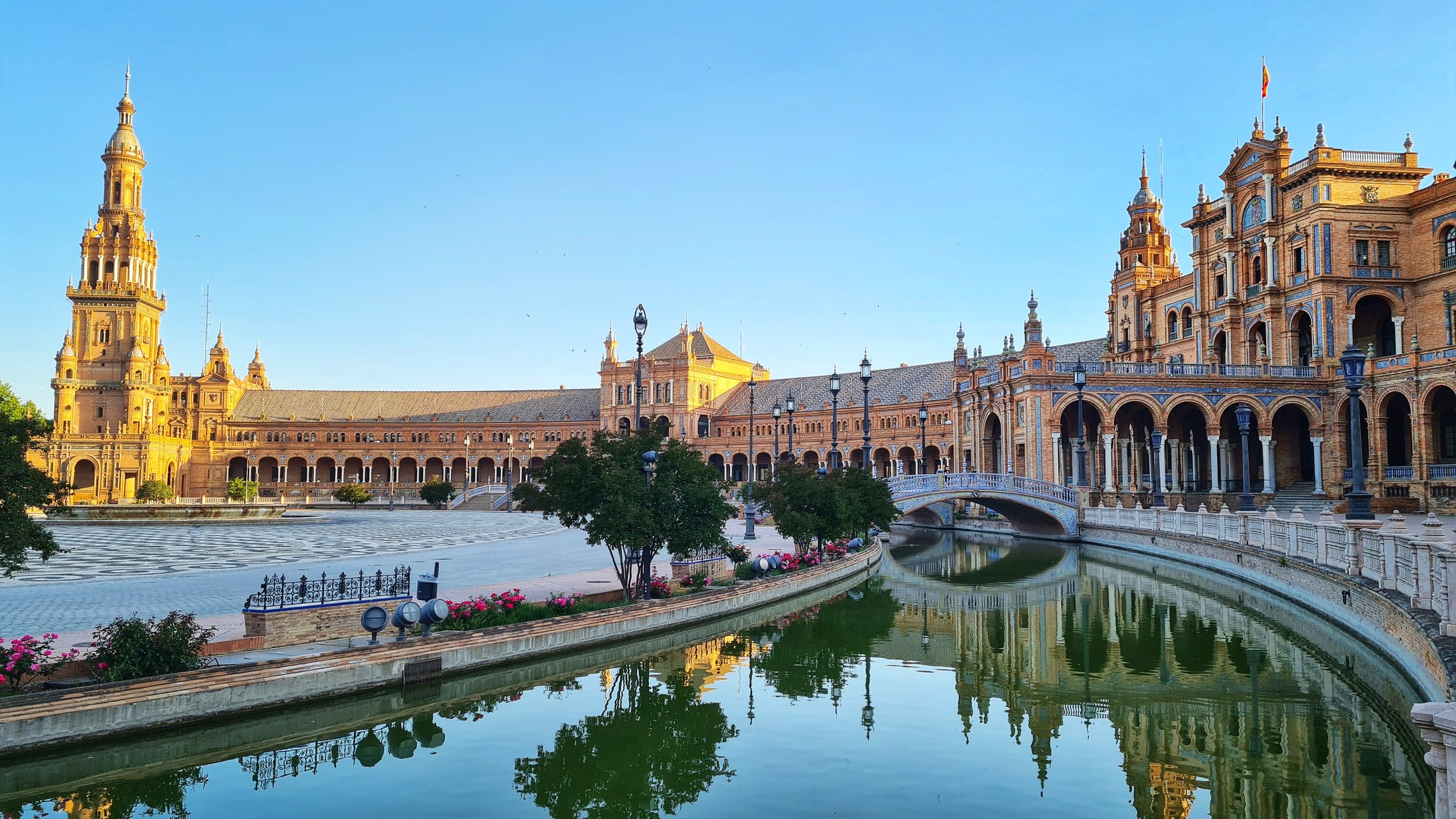
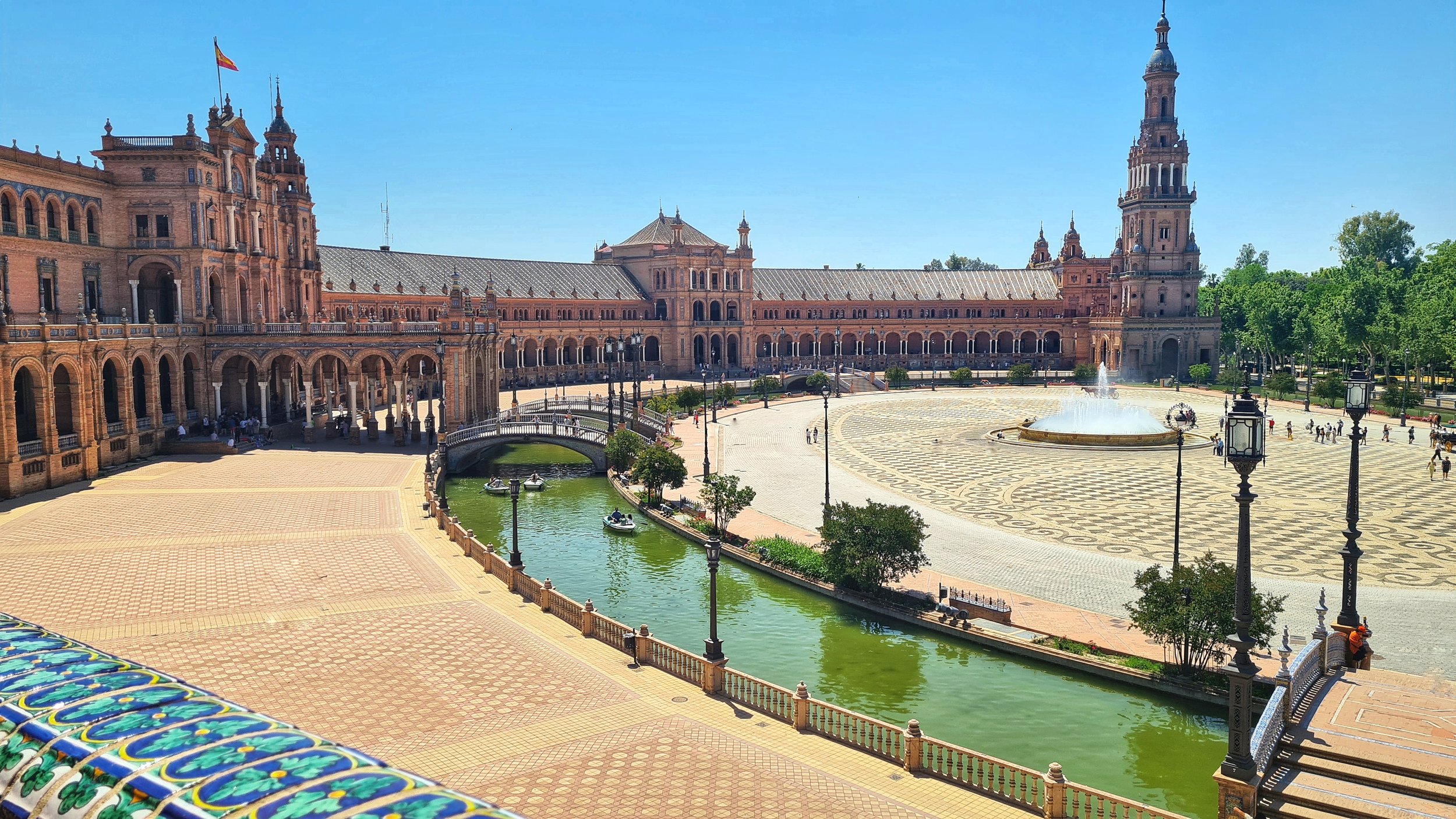
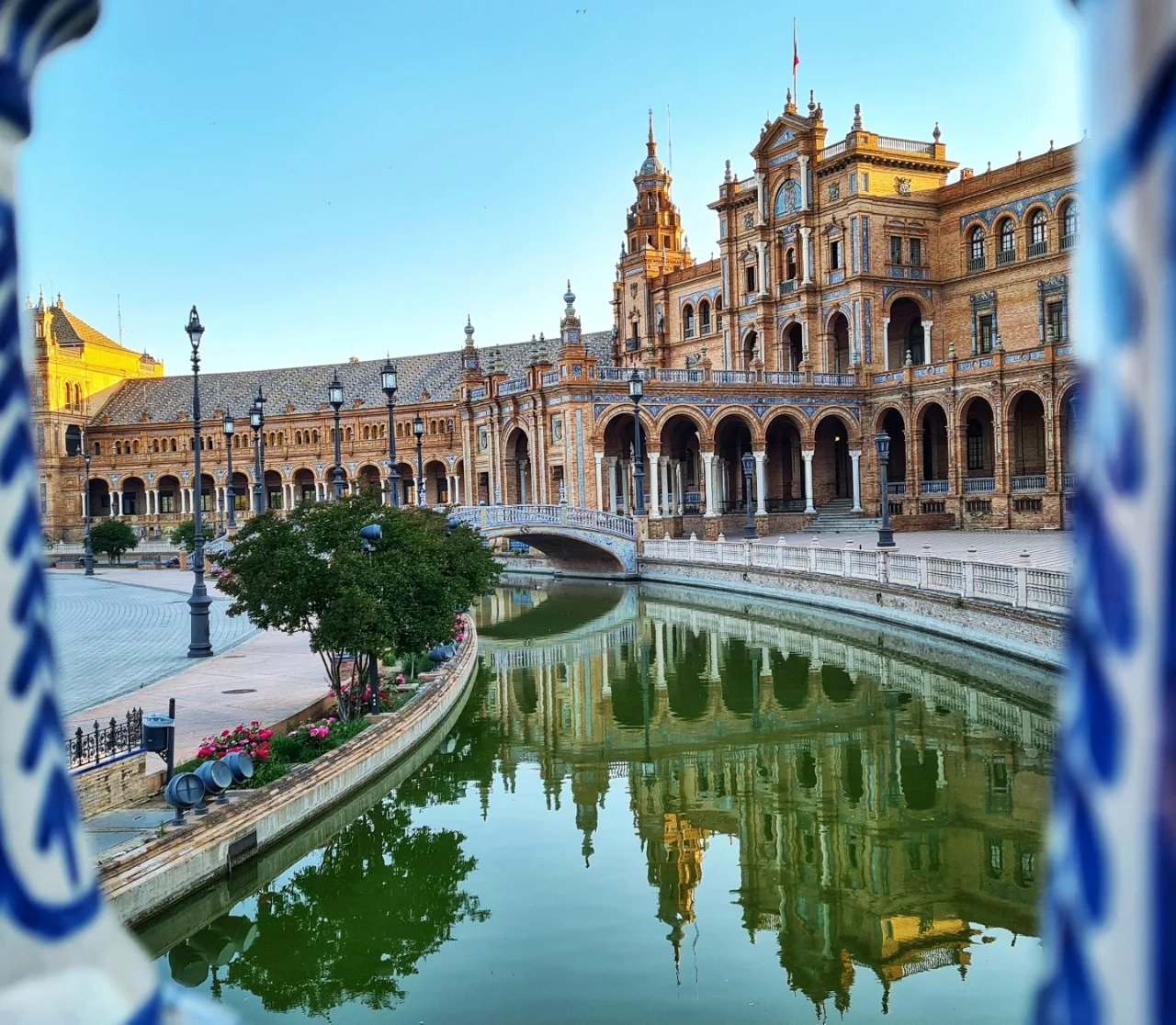
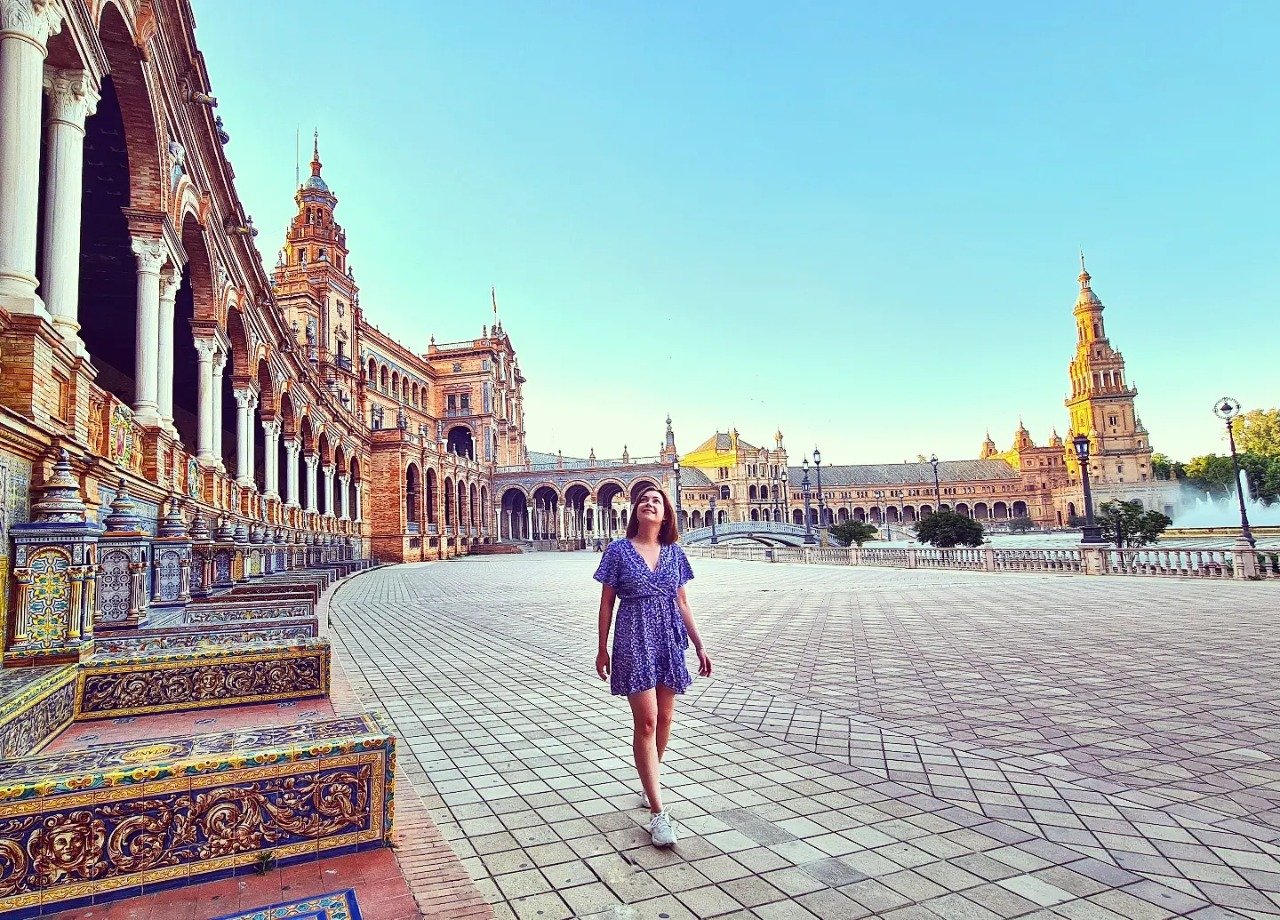
The Plaza de Espana is one of the most famous monuments in Seville and it’s actually my favourite spot in the city. Unveiled in 1929 for the world Ibero-American Exhibition, the impressive semi-circular building, together with a canal, tiled bridges, two towers and a central fountain makes it one of the most impressive places to explore in the city. The Plaza de Espana is a celebration of Spain, with 48 beautifully decorated tiled alcoves at the base of the building, each representing one for each province. It is free to visit the Plaza, where you can hire a rowing boat on the canal, visit a military museum and even catch a free Flamenco show from a local group in the afternoons.
Plaza de Espana can be found in the grounds of the splendid Maria Luisa Park, the largest park in the city. The park is the perfect place to escape the bustling city and immerse yourself in the serenity of nature. Lakes, fountains, gardens, towering trees and an array of wildlife can all be found in this beautiful park. Here you will also find two pavilions, one which is home to the city’s archeological museum and the other a museum of popular arts.
Las Setas
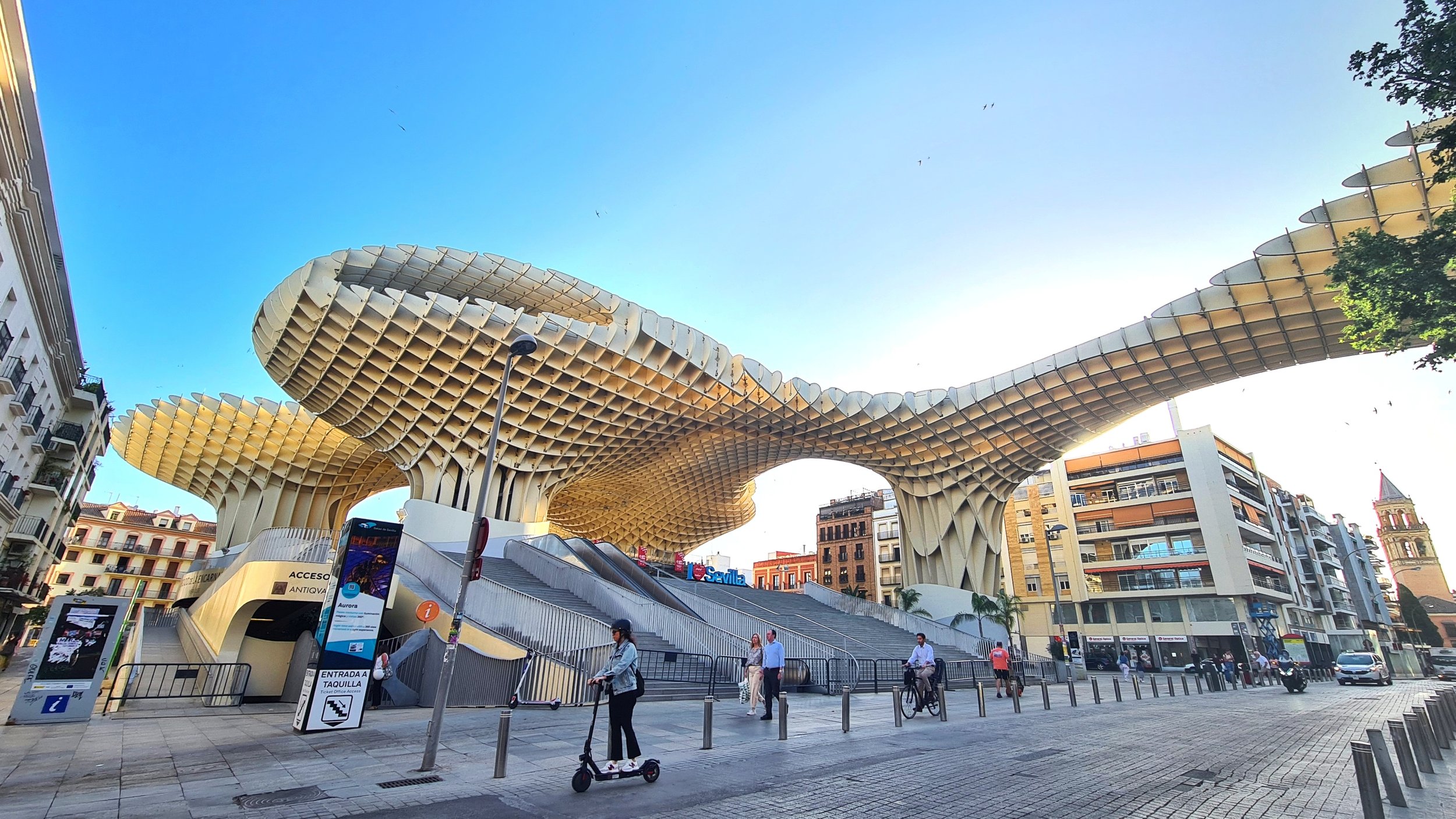
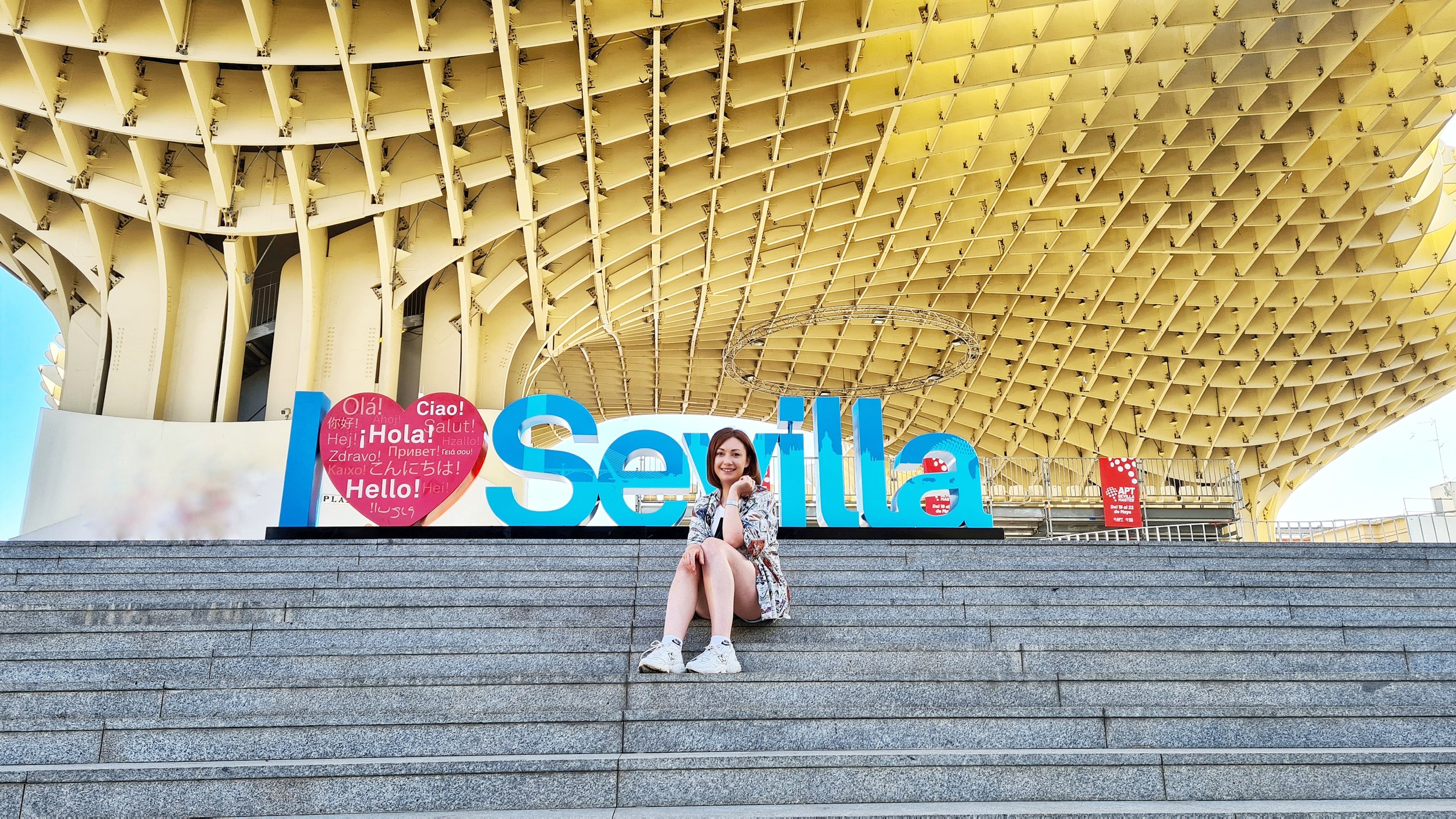
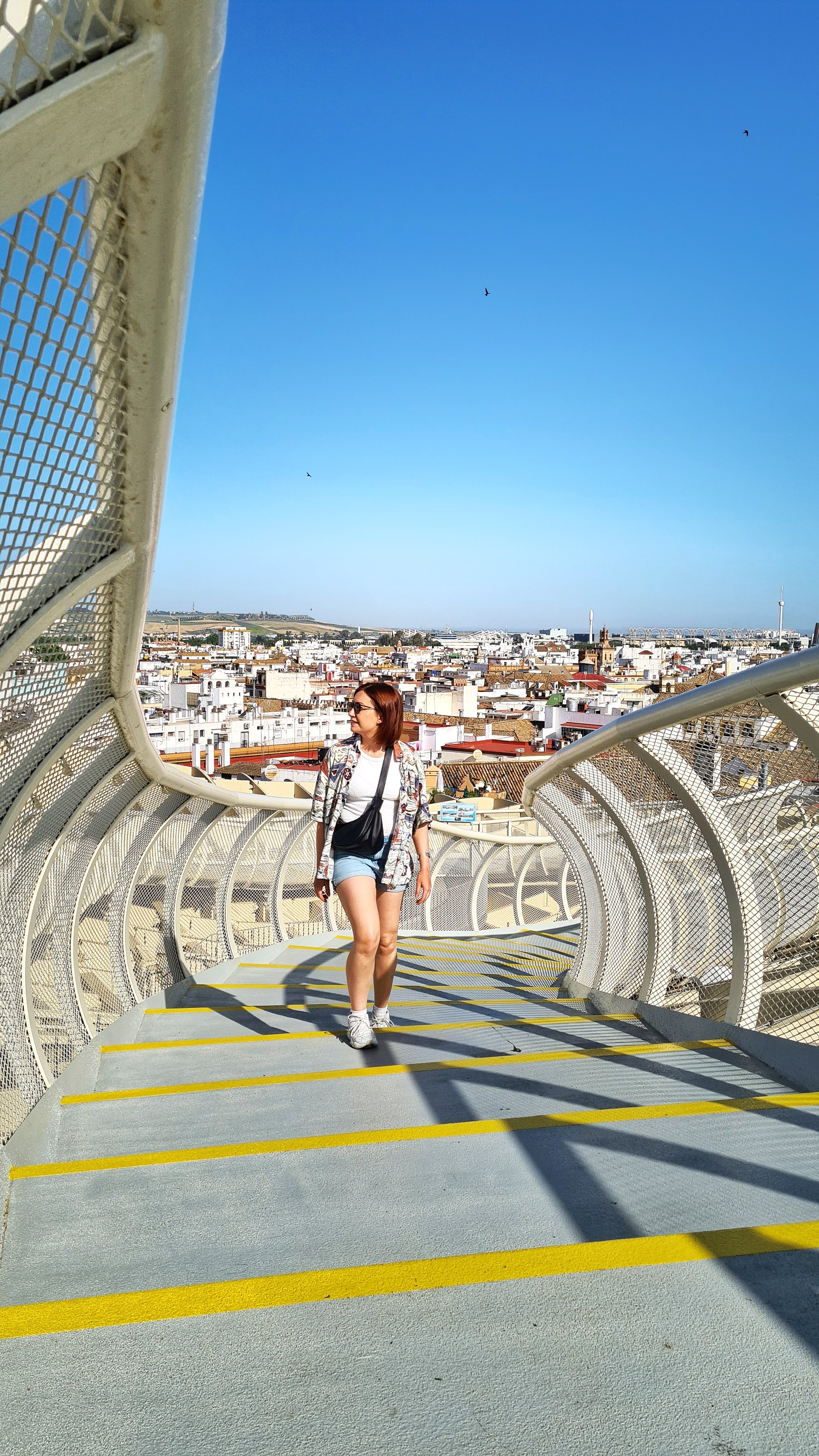
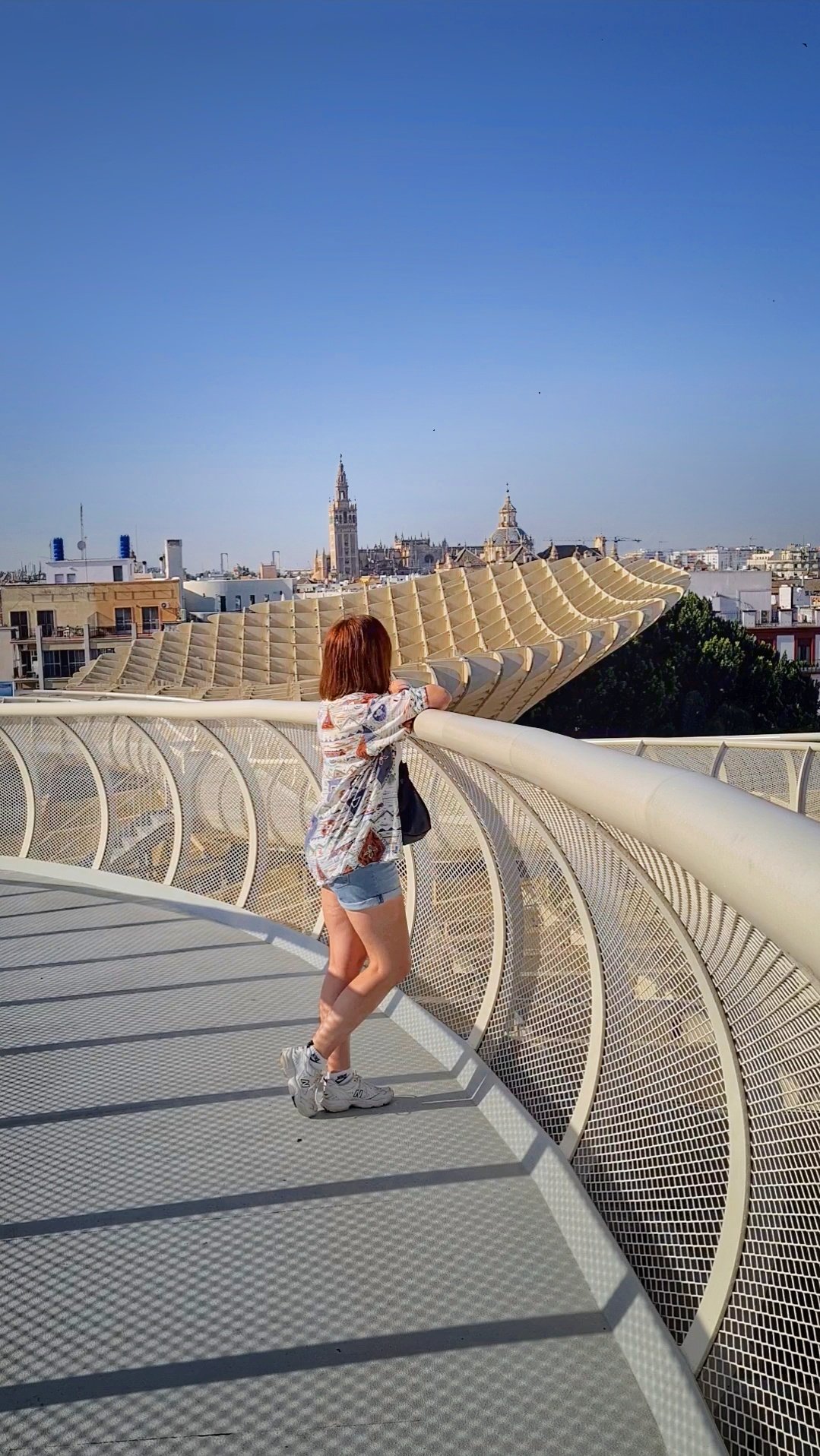
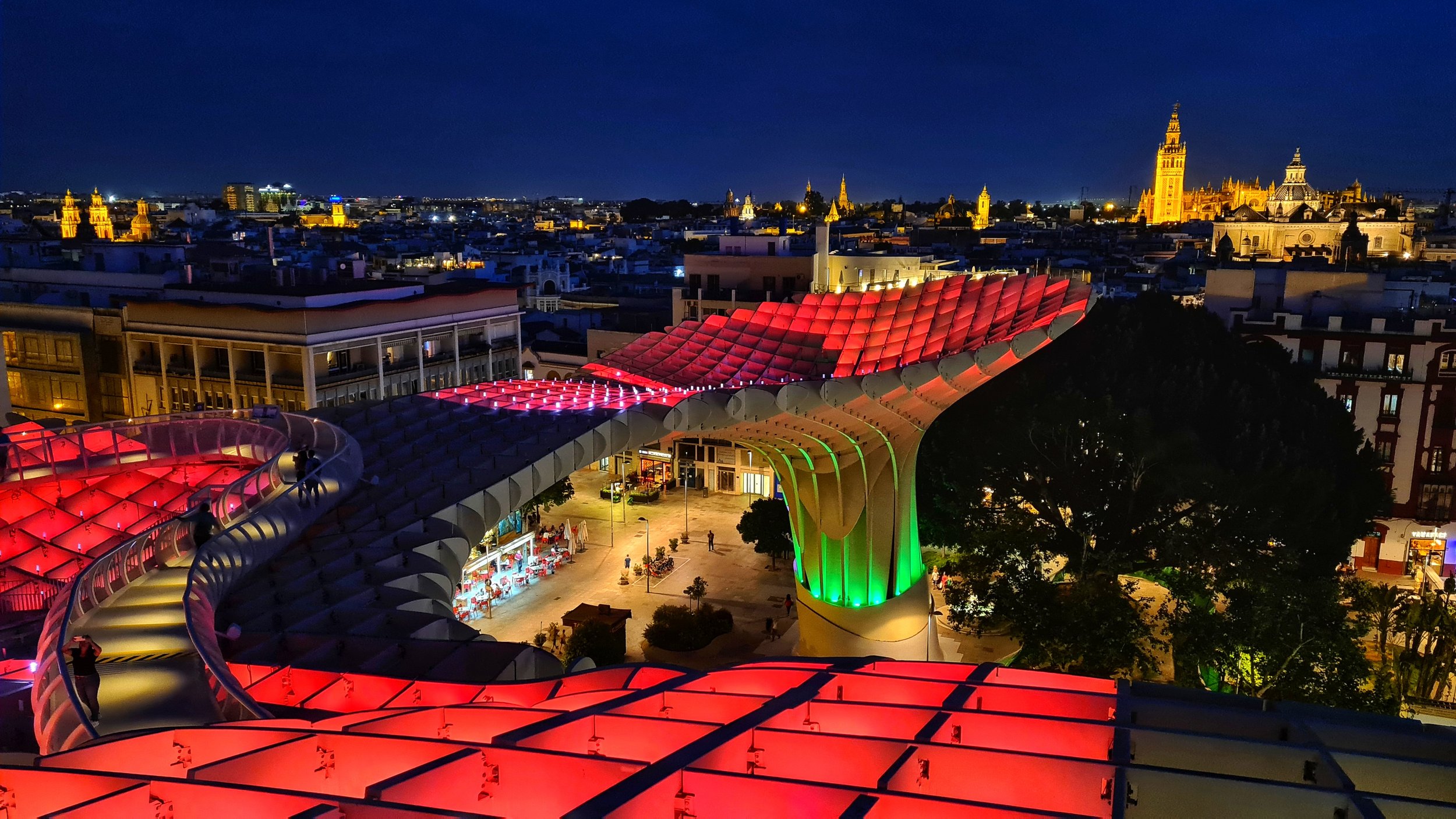
Quite possibly the most unique structure I’ve ever seen, Las Setas (known as the Mushroom of the Incarnation) is a popular destination to get 360 degree views of Seville. The skywalk is open throughout the day, but truly comes alive in the evening with its Aurora light show. Immersive music and dazzling colourful lights make for a truly magical and one of a kind experience that is worth the entry fee. At Las Setas you will also find a selection of restaurants, bars, an indoor market and a chance to get a photo with the ‘I <3 Sevilla’ sign. The basement is home to an archeological museum, where Roman ruins dating back nearly 2,000 tears were uncovered during the sites construction, and is well worth a visit.
TOP TIPS:
Visit Las Setas early evening to not only enjoy the Aurora, but also for a beautiful Seville sunset.
Entry fee is 16 euros and can be pre-booked online.
Santa Cruz Historic Old Town
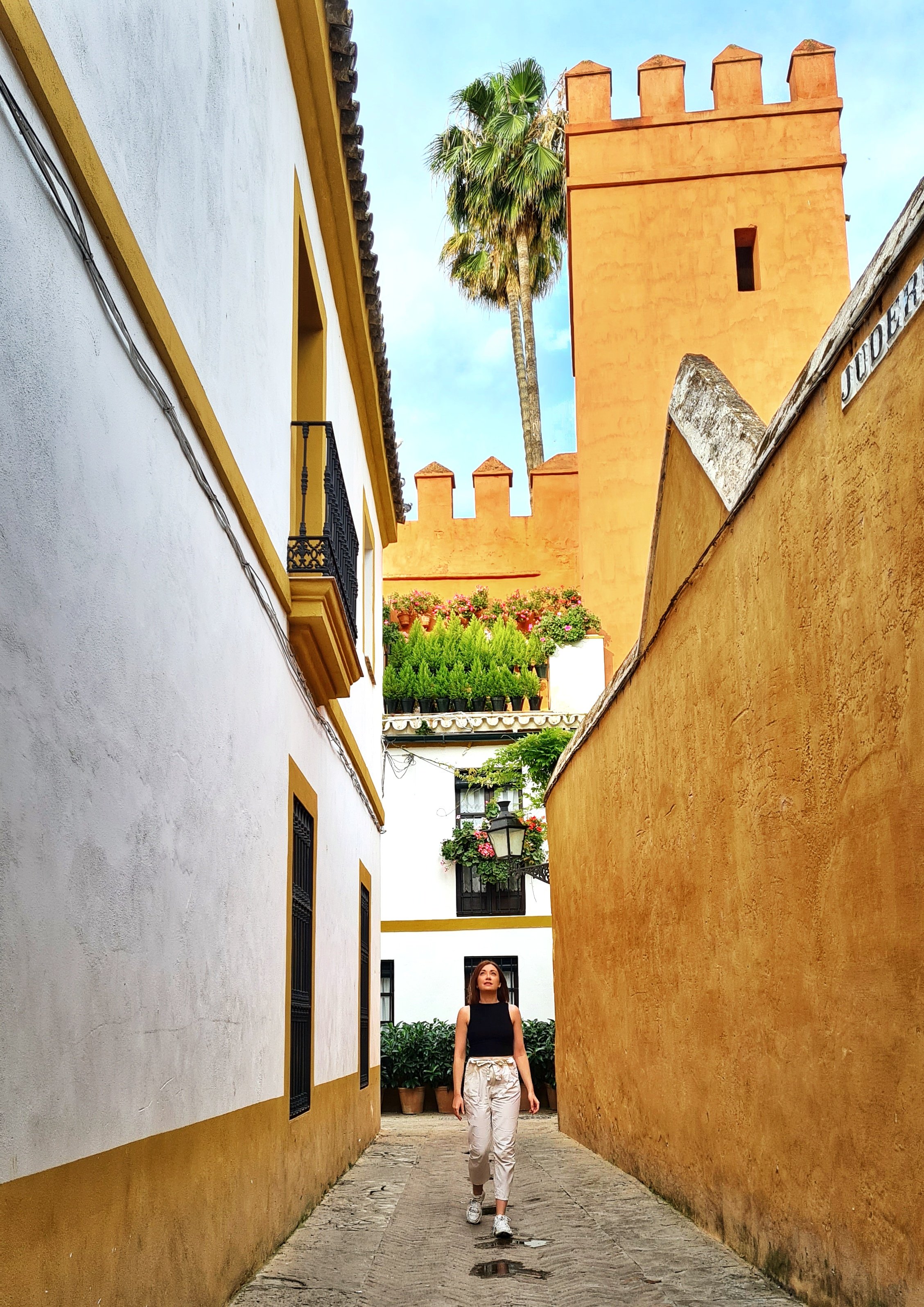
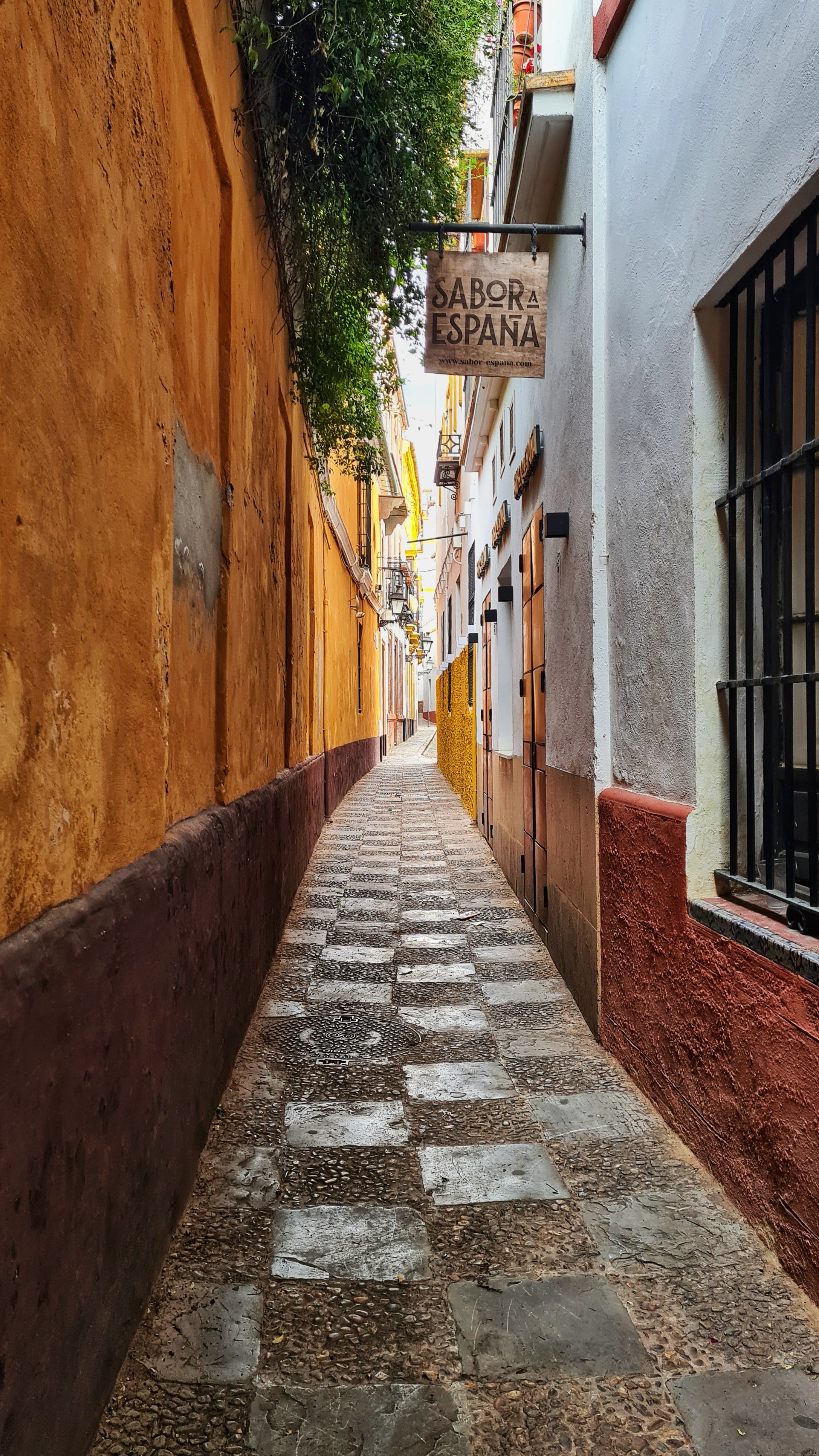
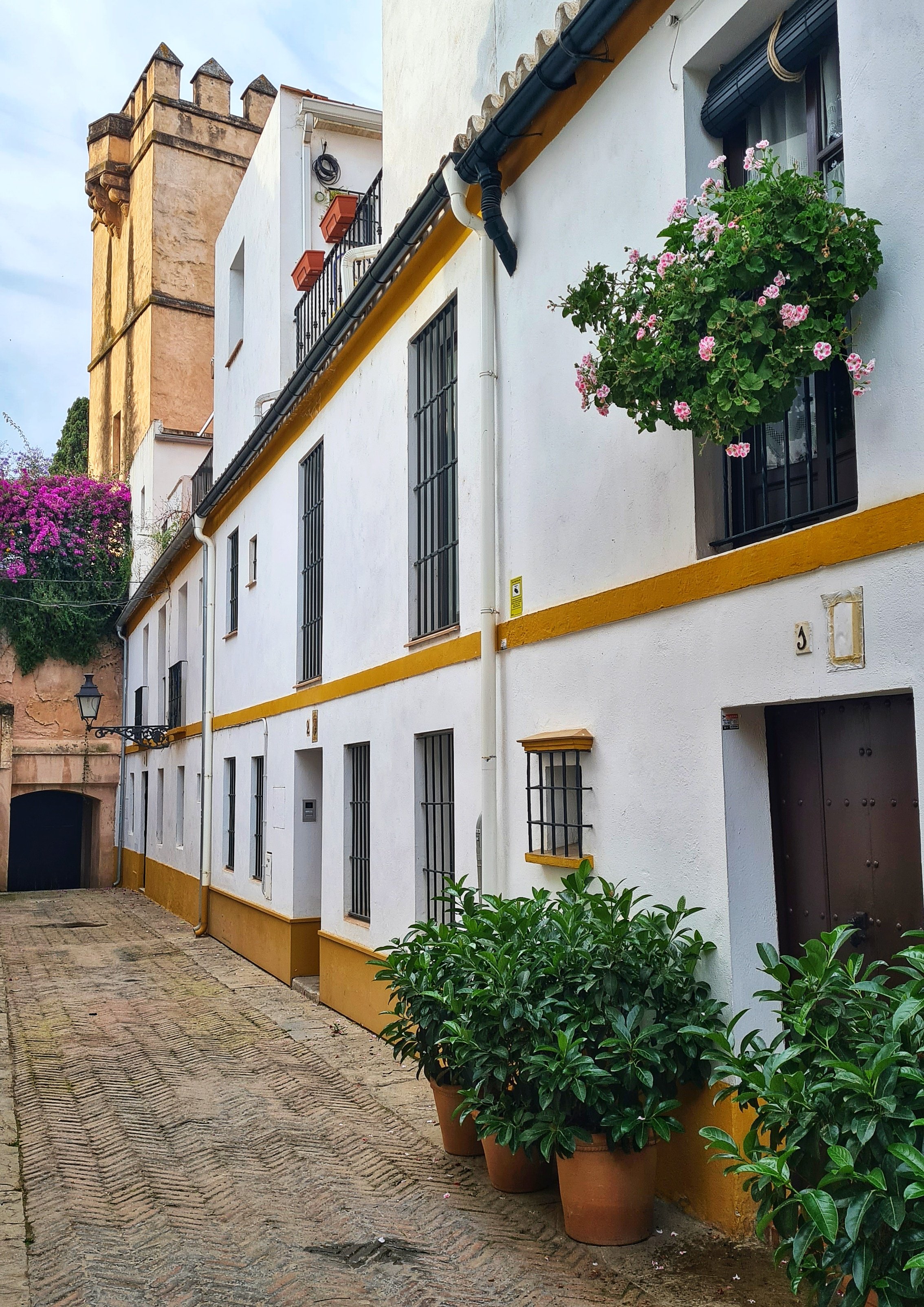
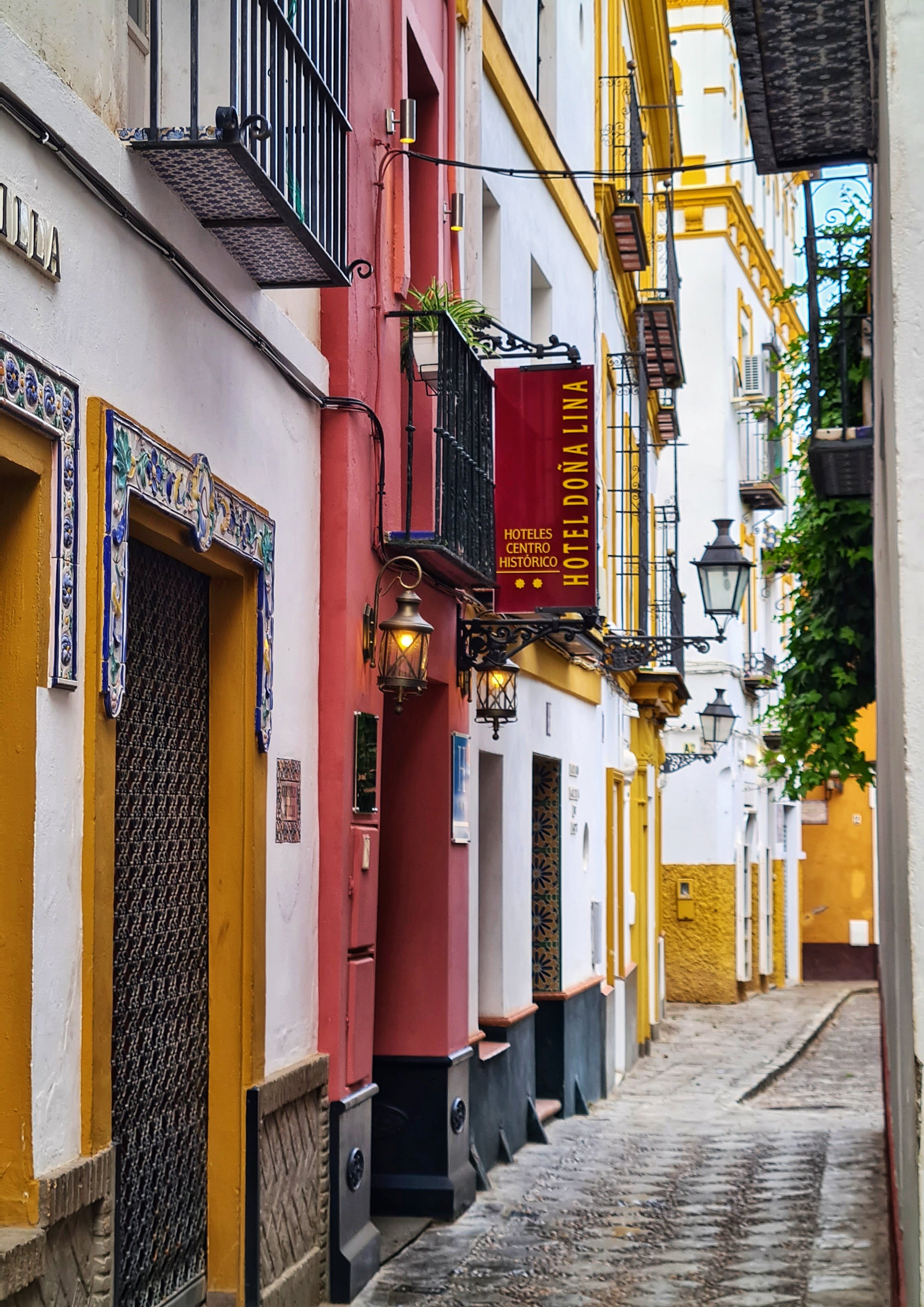
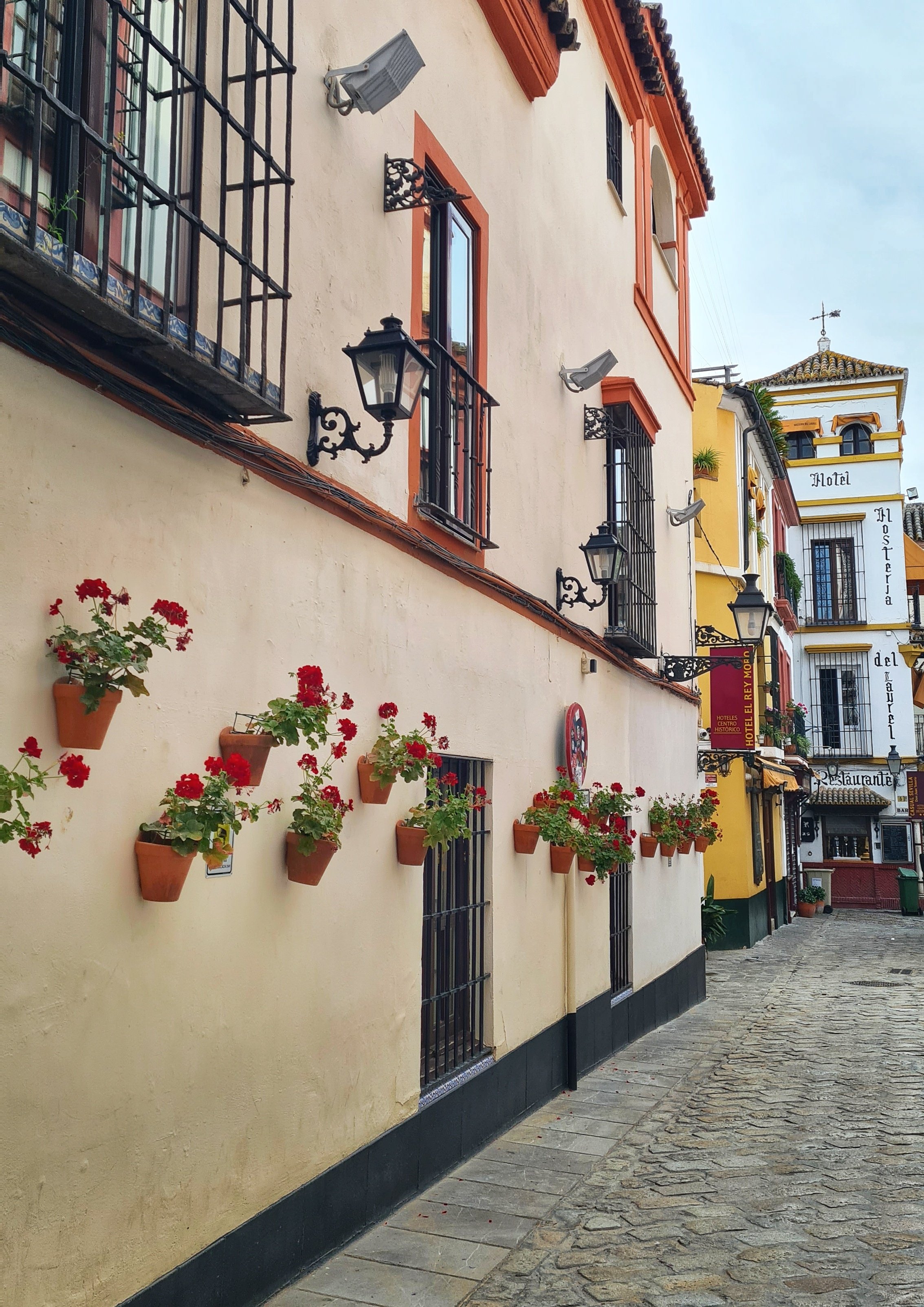
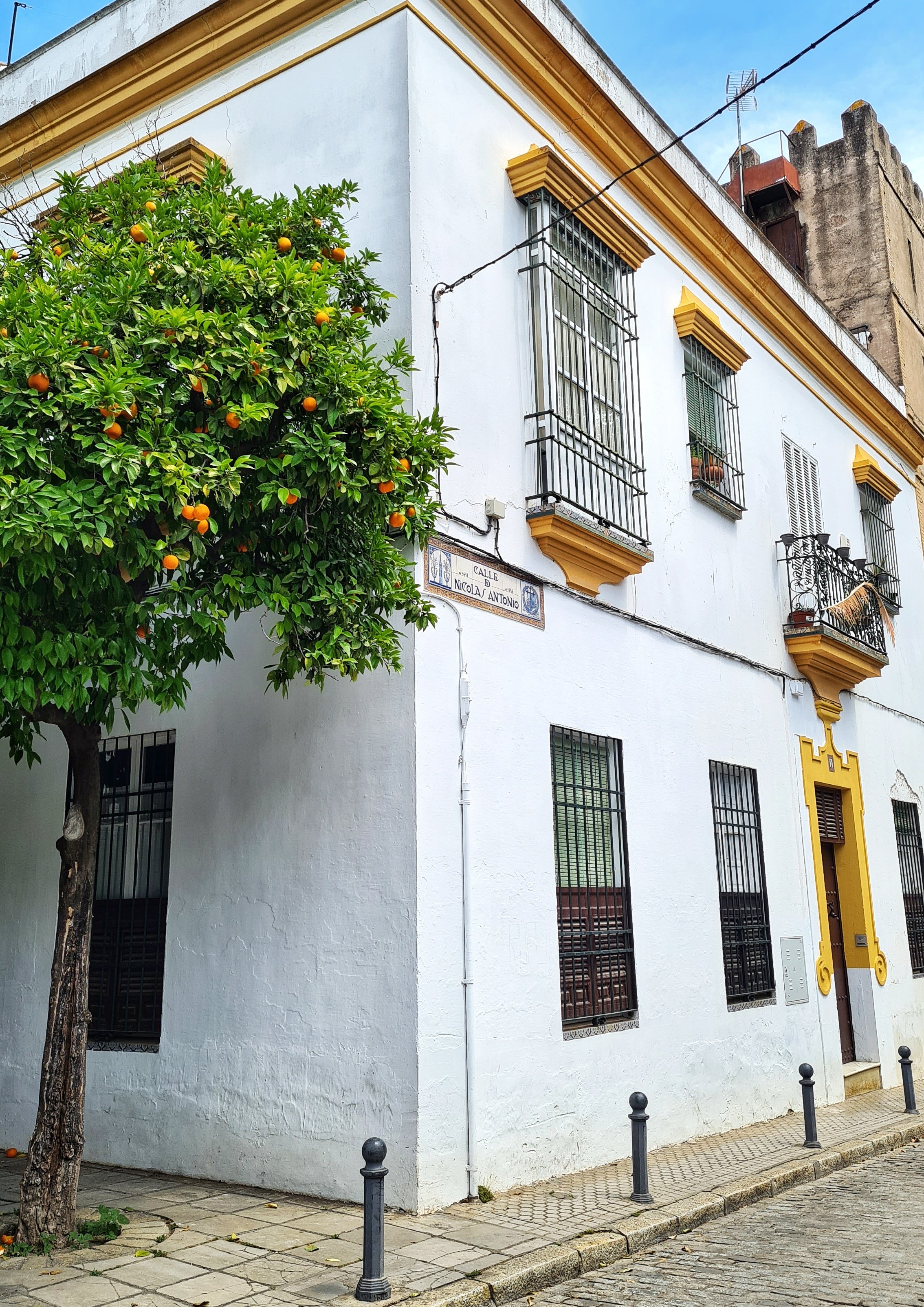
One of my favourite things to do when exploring a new city is to simply wander aimlessly and see what I discover. Santa Cruz, known as the old Jewish Quarter of Seville, is the perfect place to wander and see what you find, with its narrow winding streets, picturesque squares and array of patios all waiting to be discovered. Enter across the courtyard from the exit of the Royal Alcazar and discover the archway that gives you a wonderful shot of the Giralda Tower in the distance. The Jewish Quarter is full of boutique shops and is the perfect place to treat yourself to a souvenir or two. Allow yourself an hour to explore this fascinating network of historical streets and see what you can find.
Palace de Las Duenas
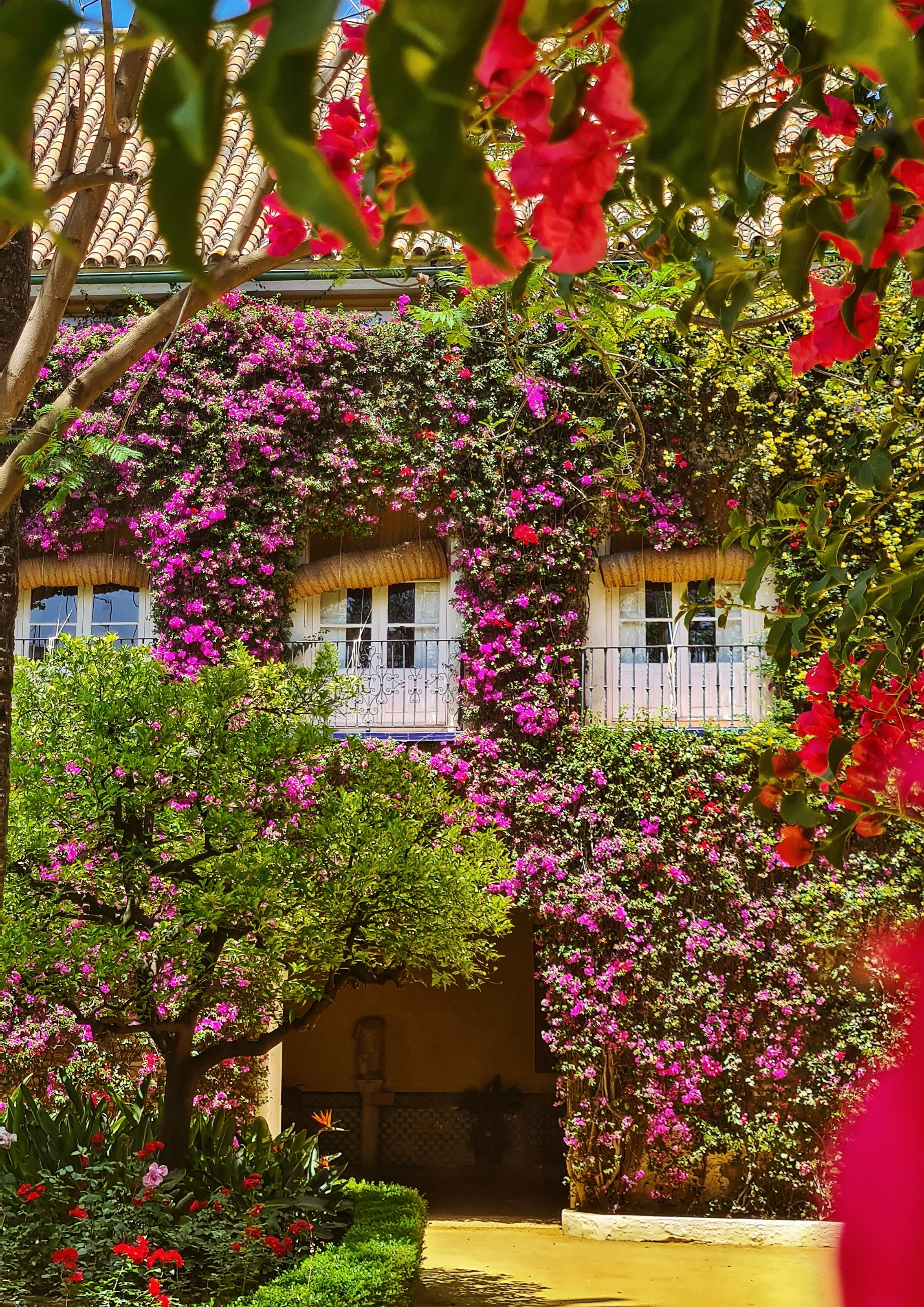
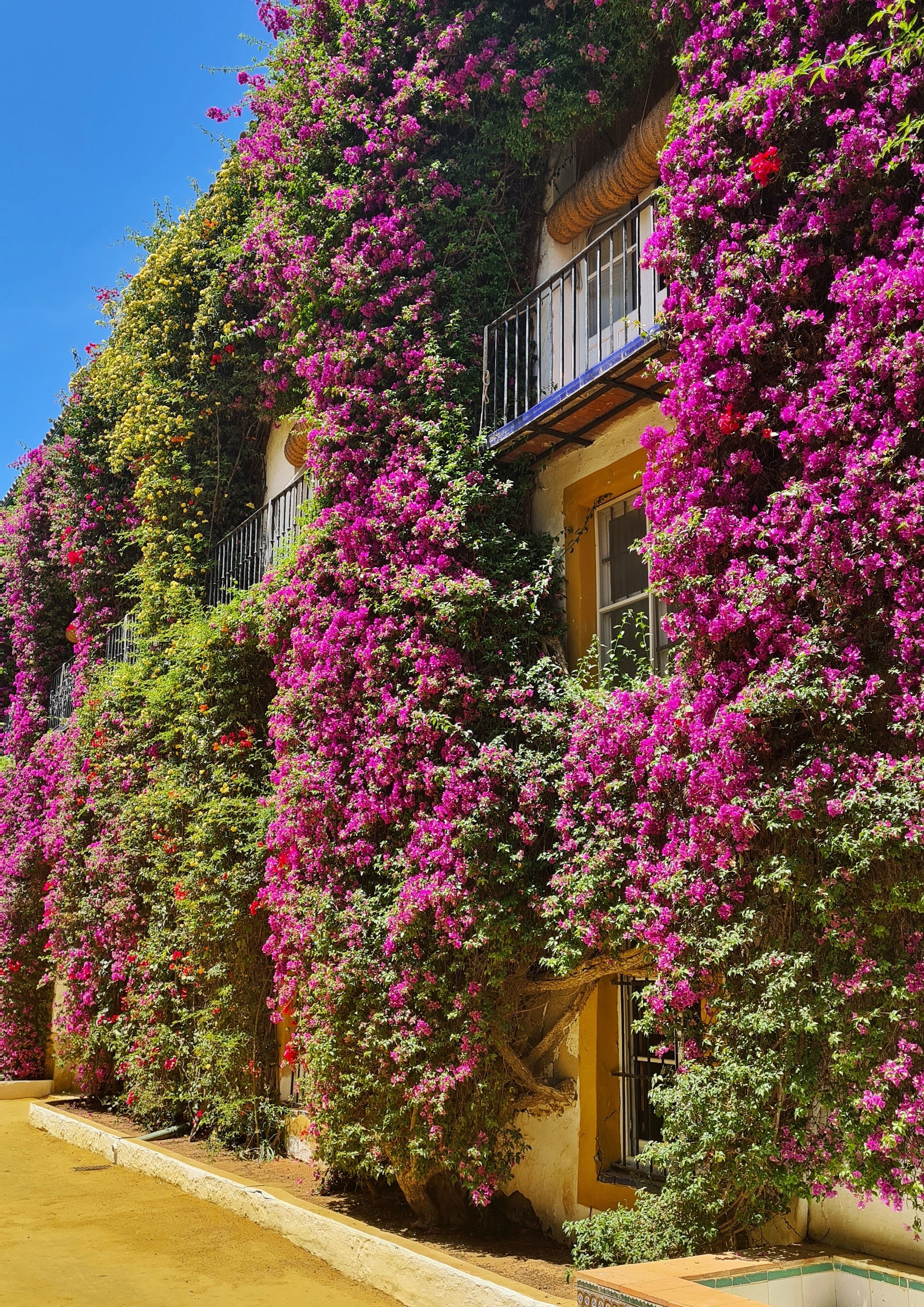
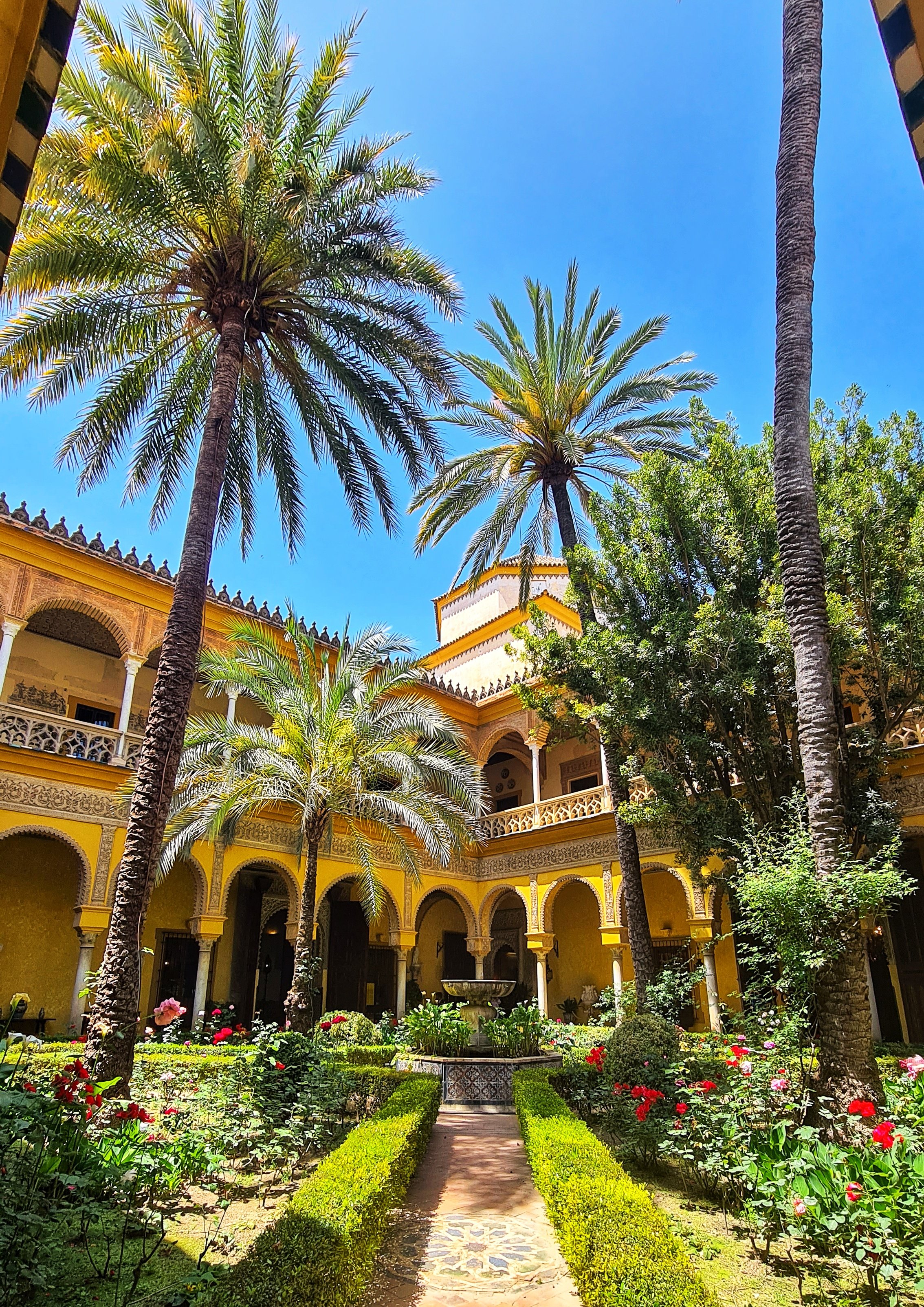
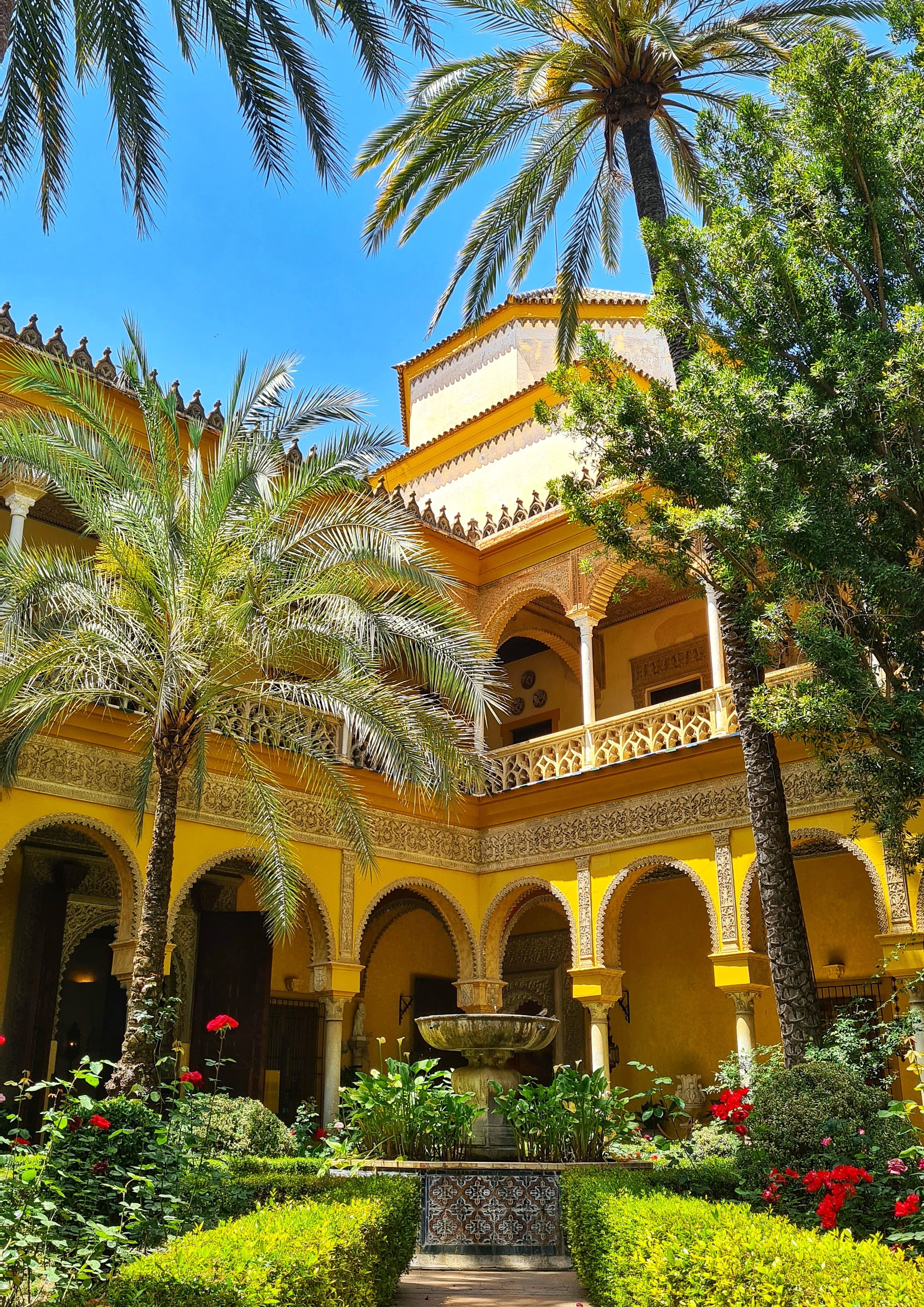
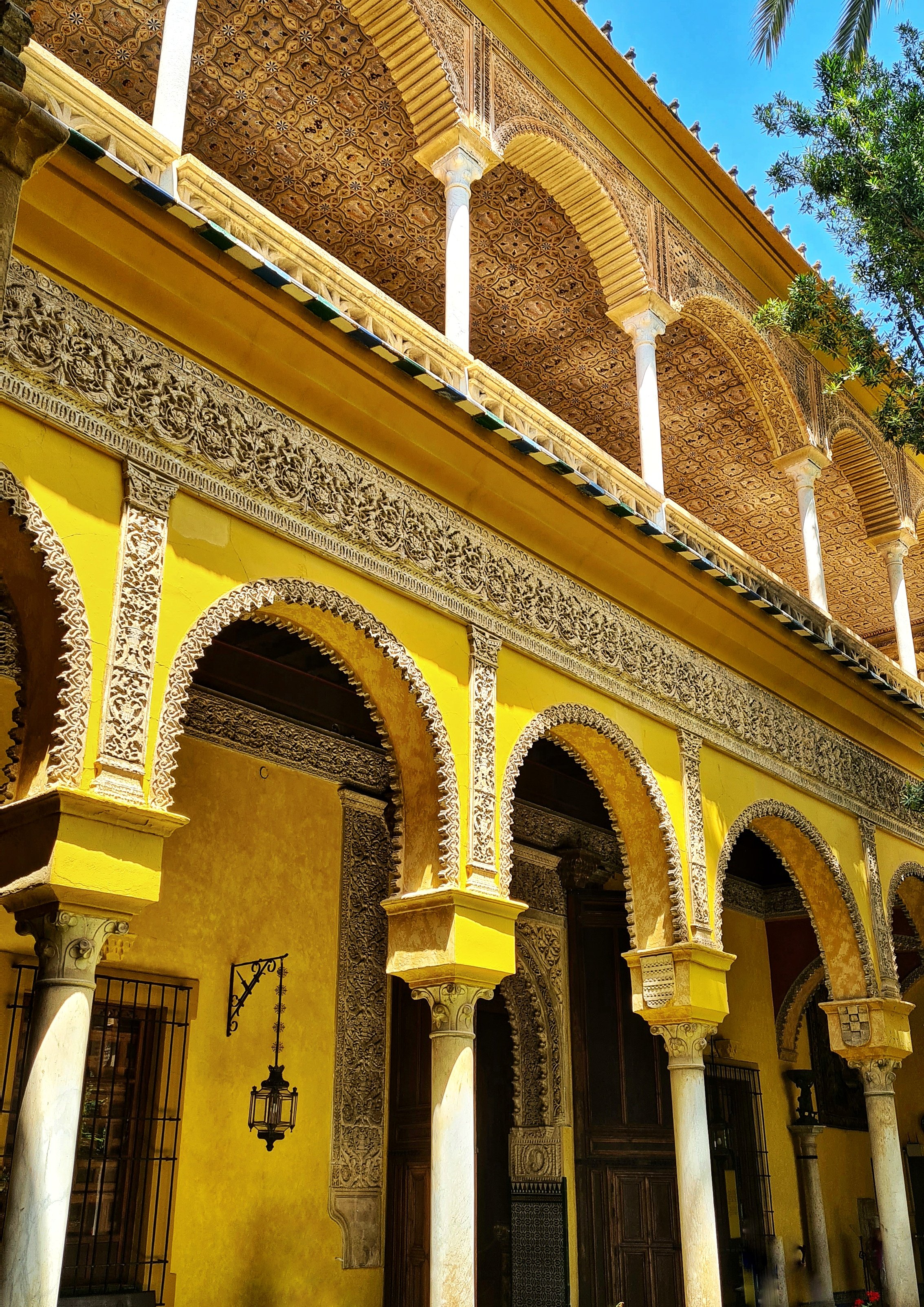
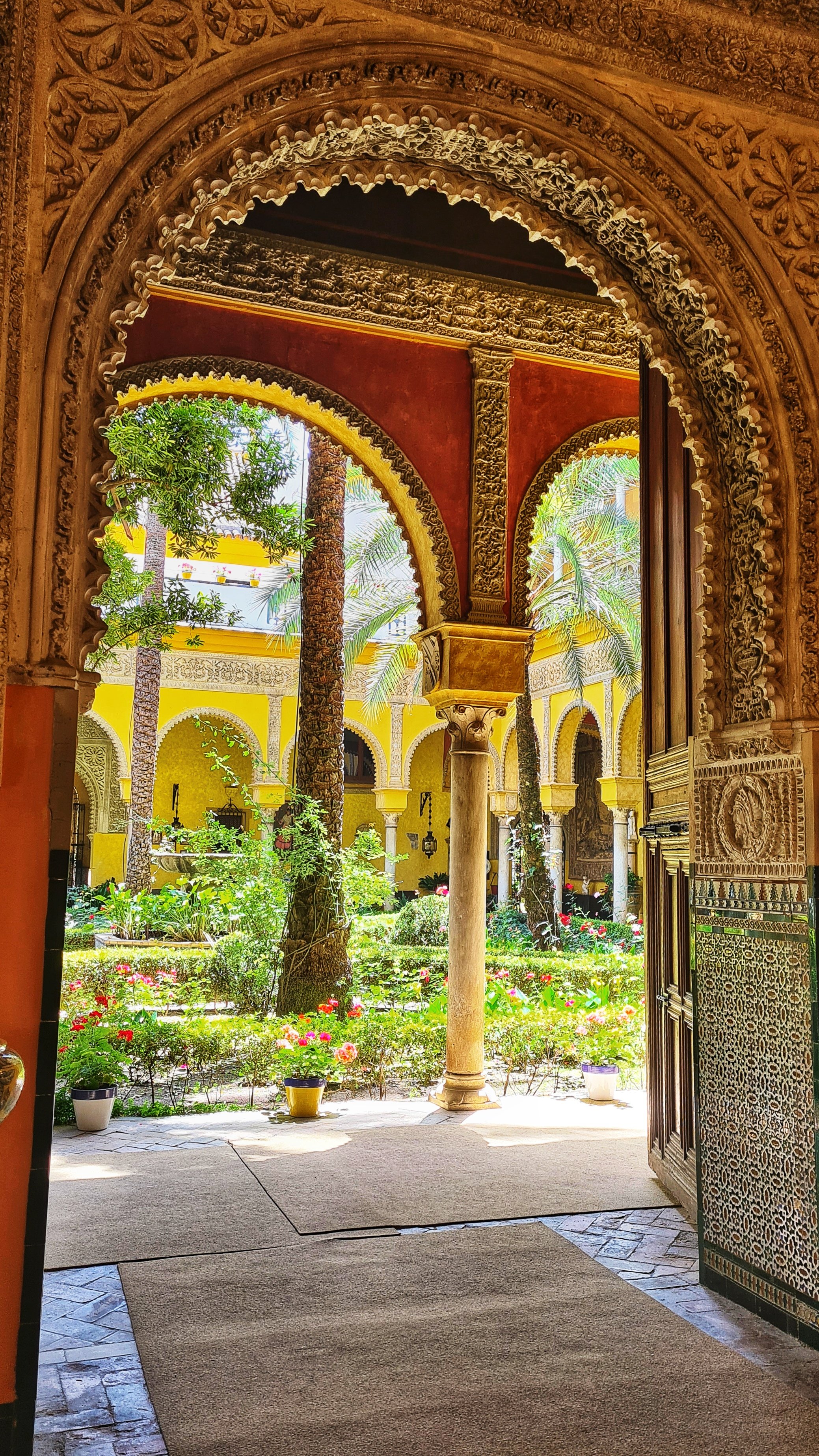
With quite possibly the most beautiful façade on a building I have ever seen, the Palace de Las Duenas is a place I almost didn’t visit. It was only after a free walking tour got cancelled and I found myself with some free time did I decide to go and I’m so glad I did. Home to the House of Alba, a prominent noble family in the city, I was instantly hit by the spectacular florals that covered the front of this 15th century palace. An informative audio guide will lead you around the grounds before heading into the truly stunning interior courtyard, filled with towering palms, flowers and central fountain. The Palace has welcomed many dignitaries and celebrities, including Jackie Kennedy, Grace Kelly and Salavador Dali.
Triana District
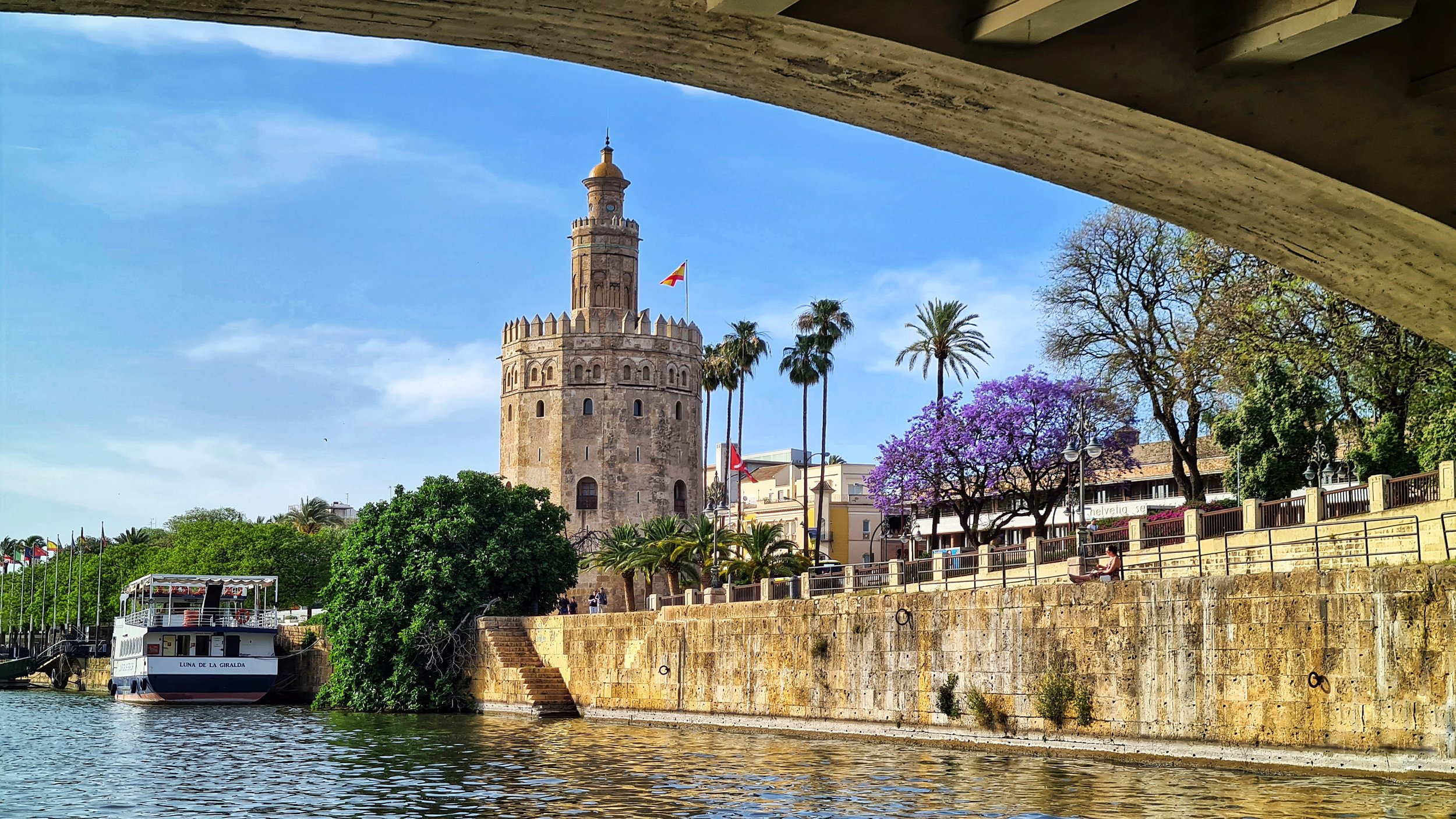
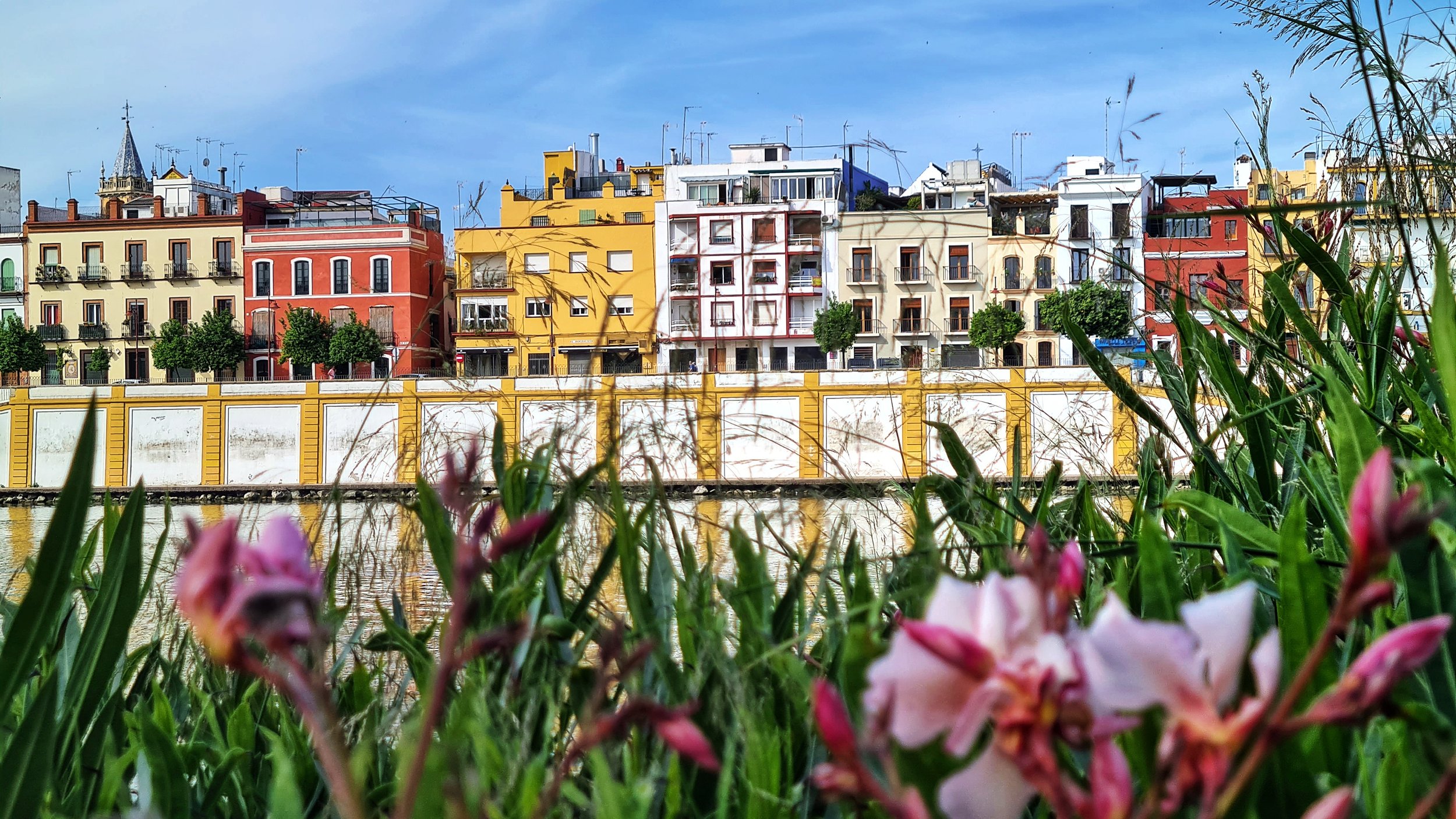
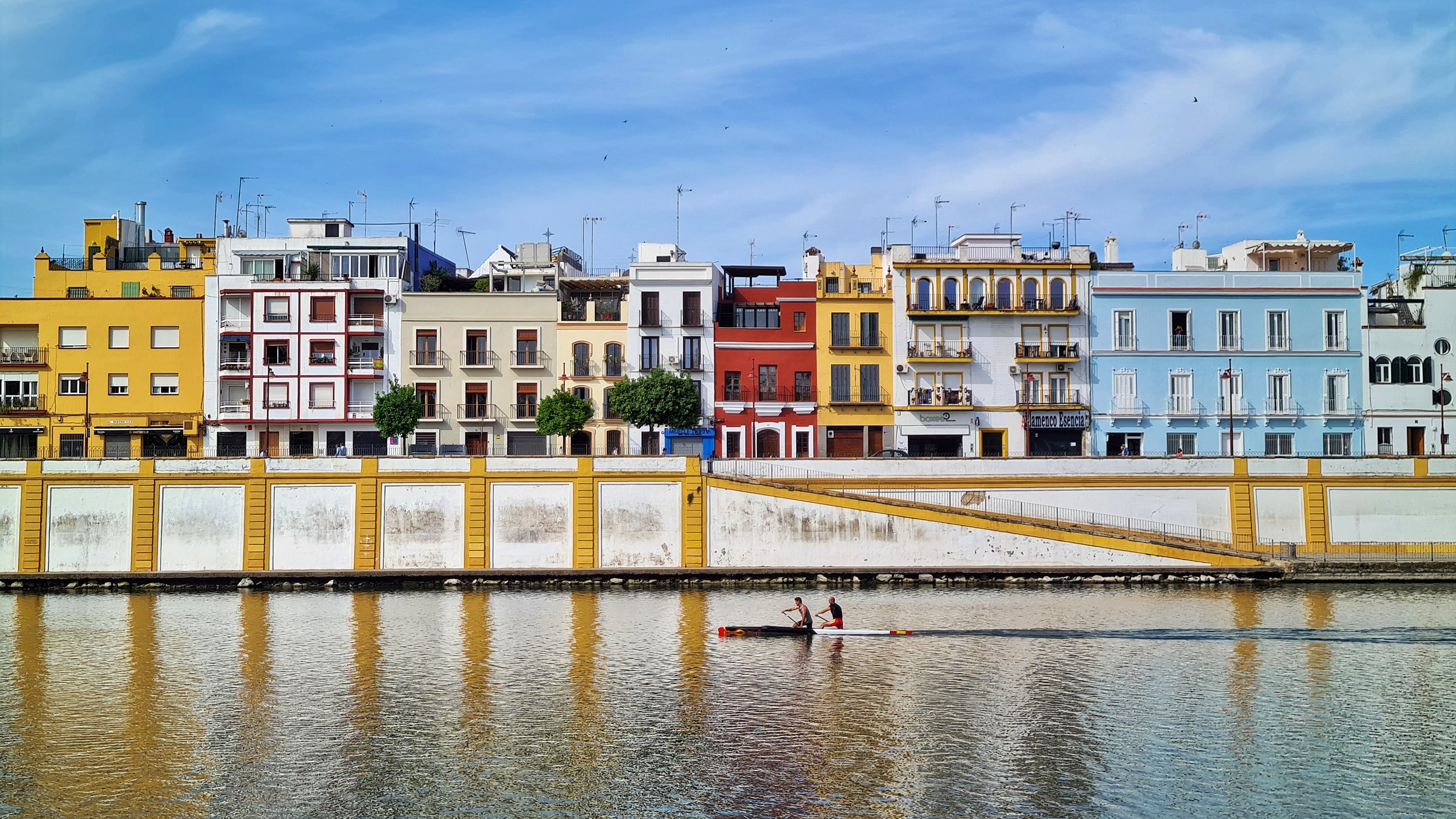
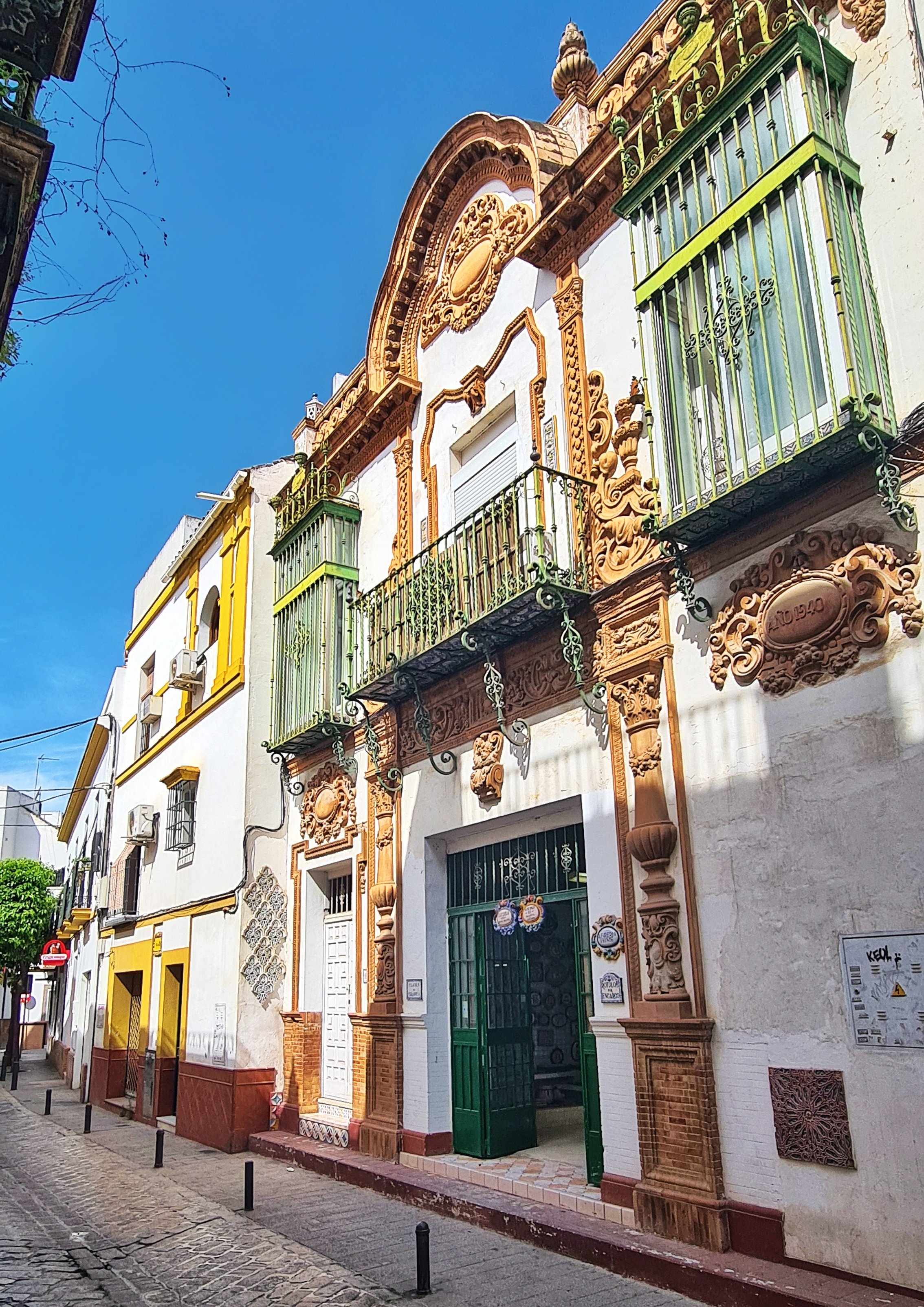
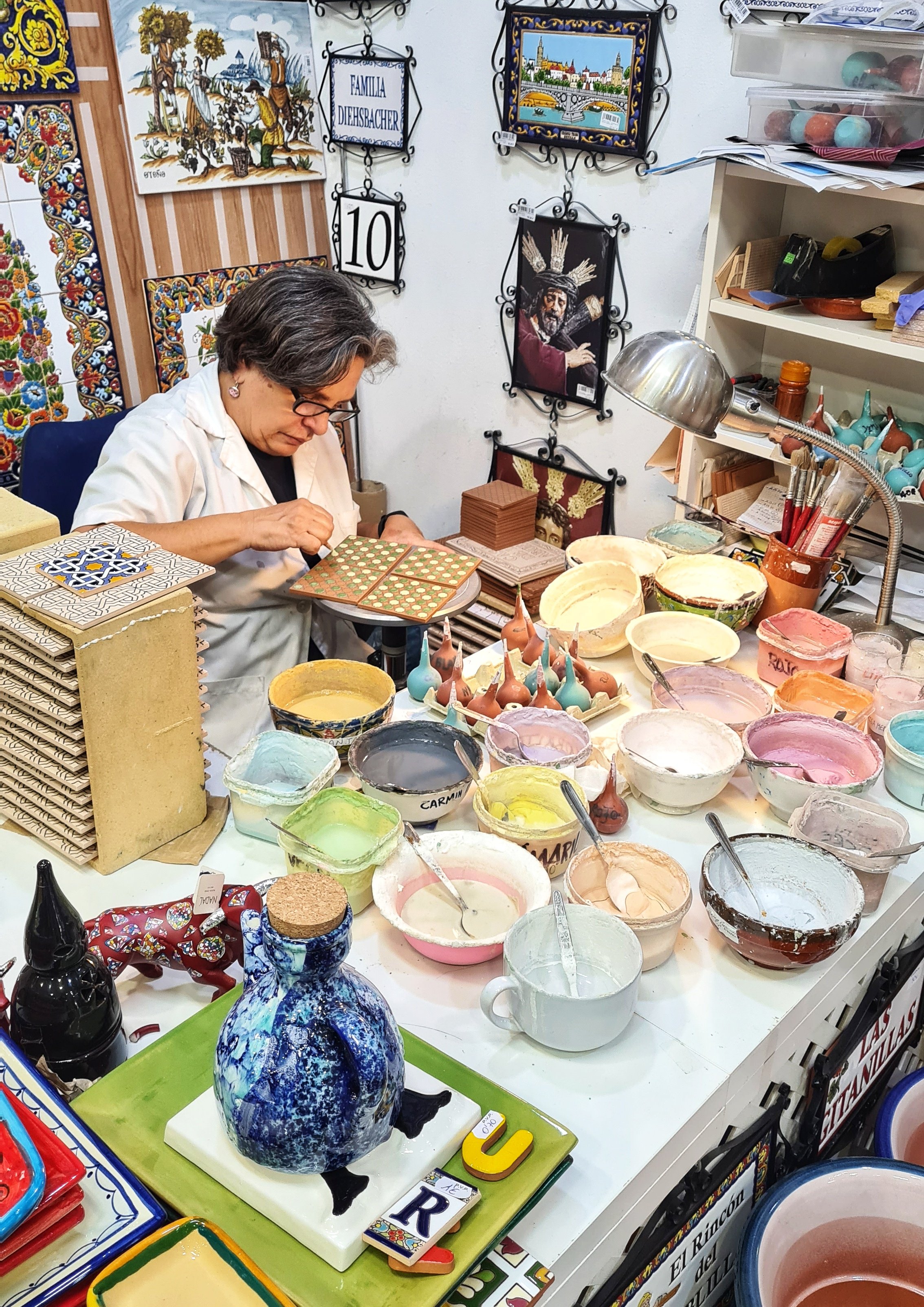
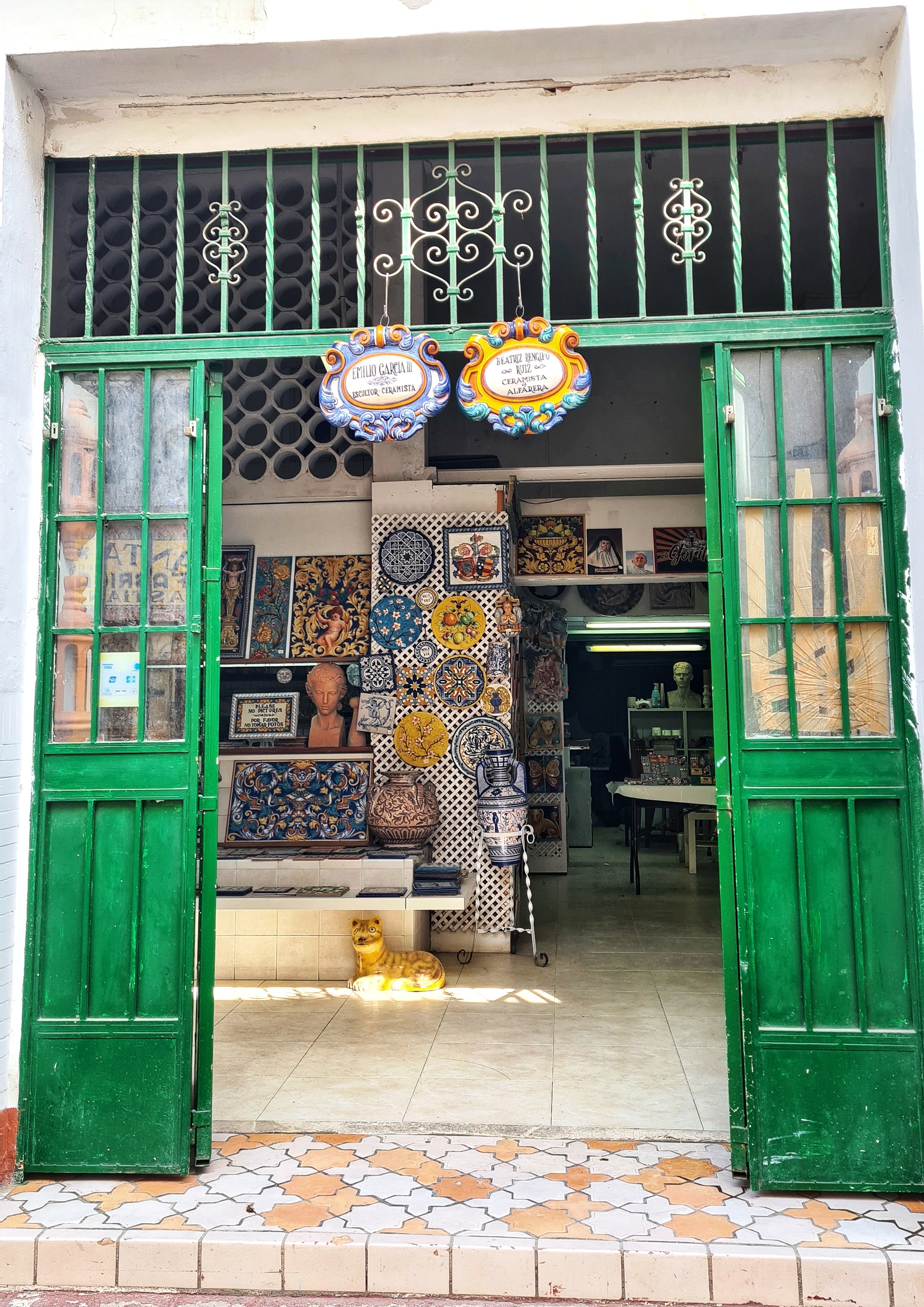
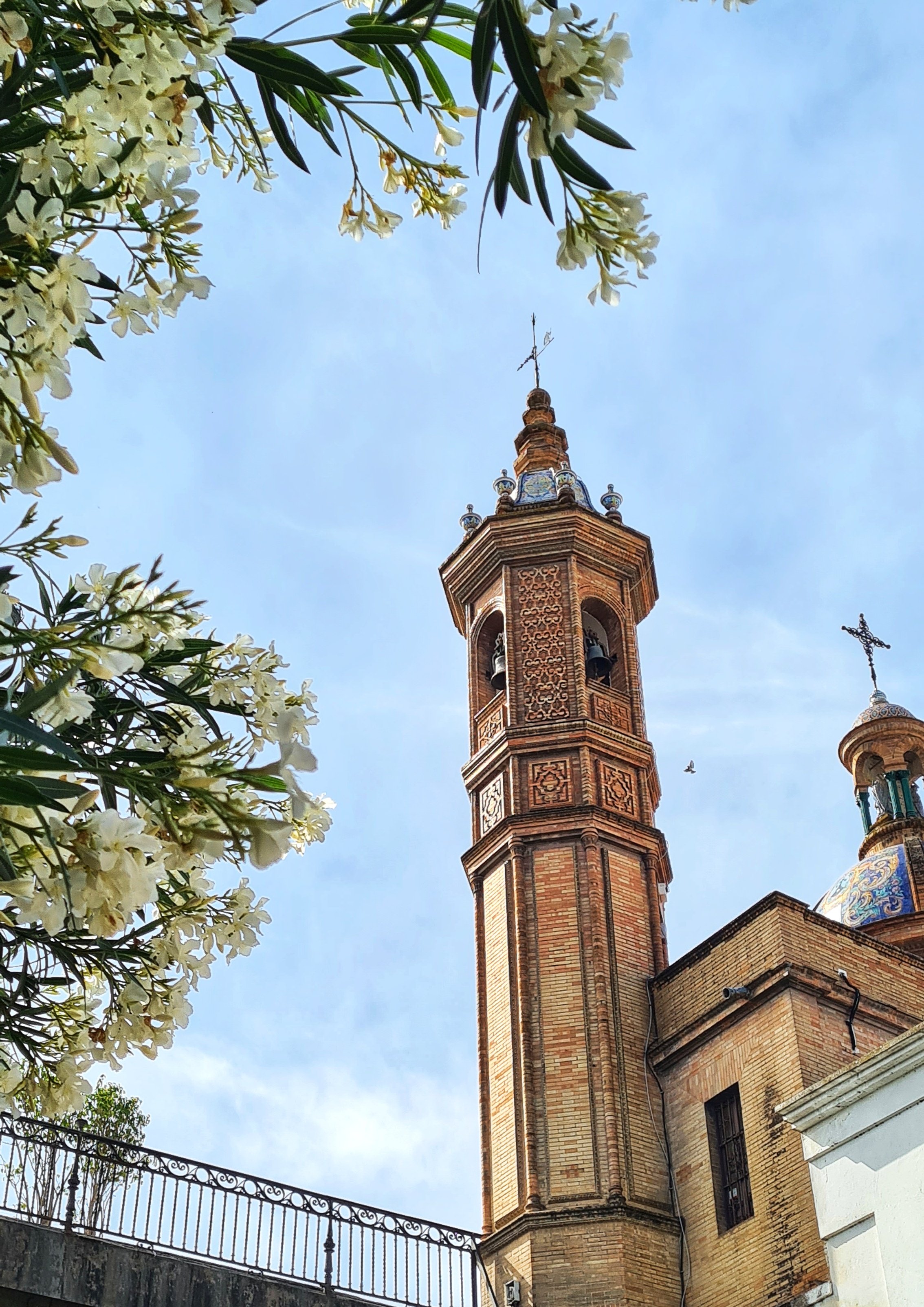
Take a stroll across the Guadalquivir River over the Isabel II bridge to one of the most vibrant and charming neighborhoods in the city. Whilst there are no stand out monuments to be seen here, the whole vibe and atmosphere of Triana is what makes it special. The highlights are the bustling indoor market, with fresh produce and many small eateries to sample local cuisine. At the base of the market you can see the archeological remains of the Castle of San Jorge, the setting for persecutions under the Spanish Inquisition. Triana is best known for its ceramic production and here you will find countless pottery shops, along with a ceramic museum which is well worth a visit. The colourful riverside boulevard comes alive at night, with many bars to be enjoyed along with spectacular views the famous Torre del Oro tower.
Casa de Pilatos
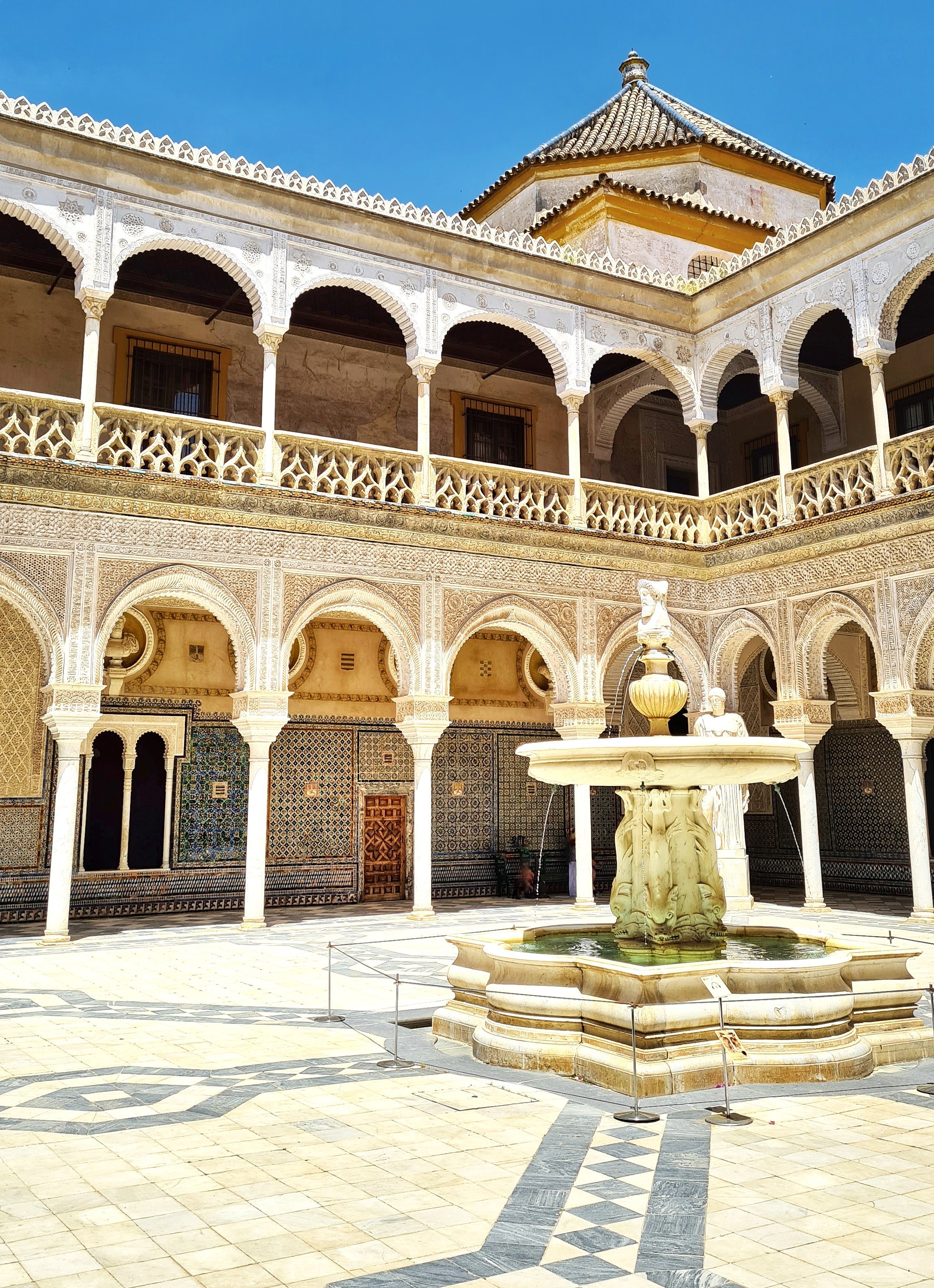
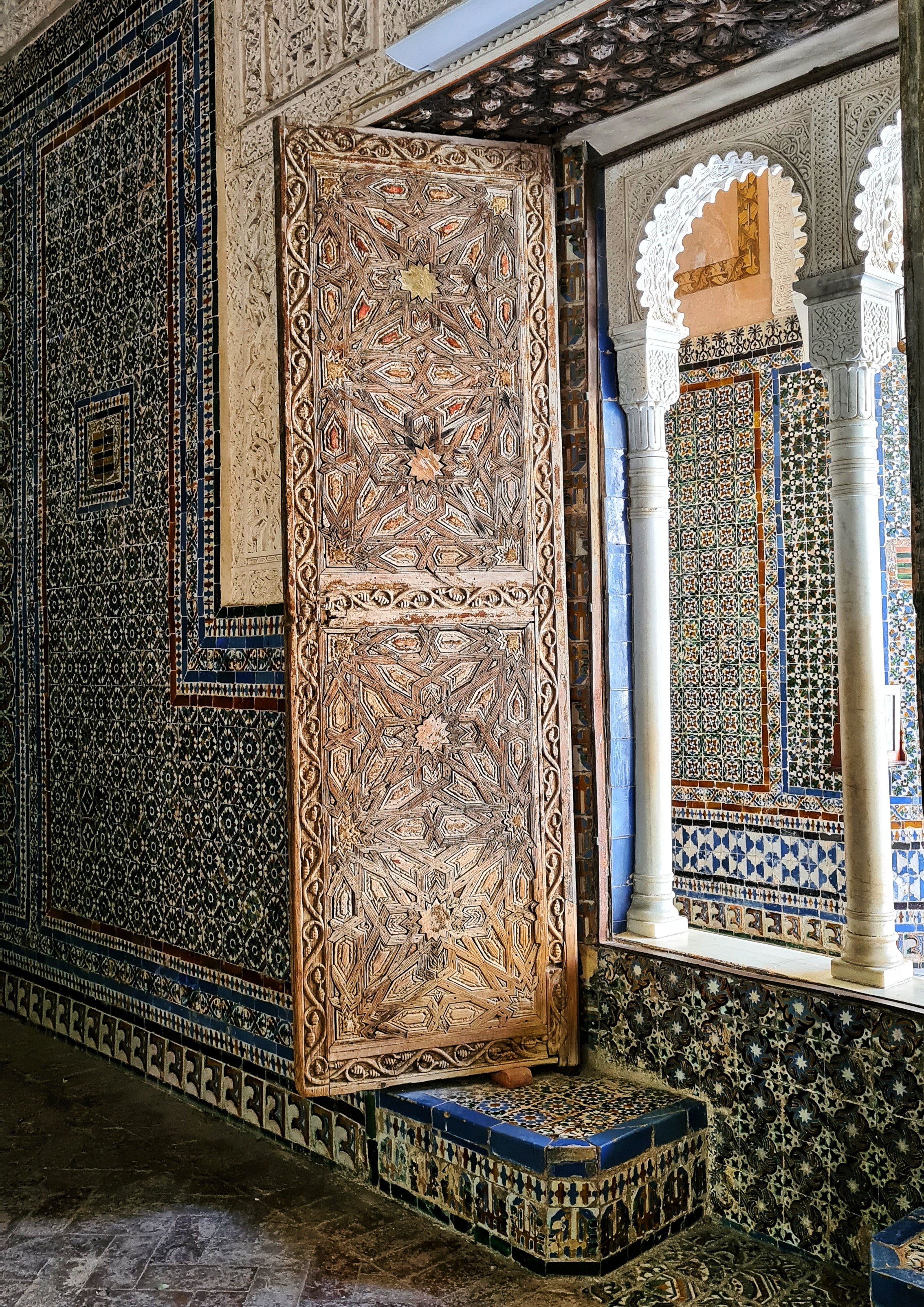
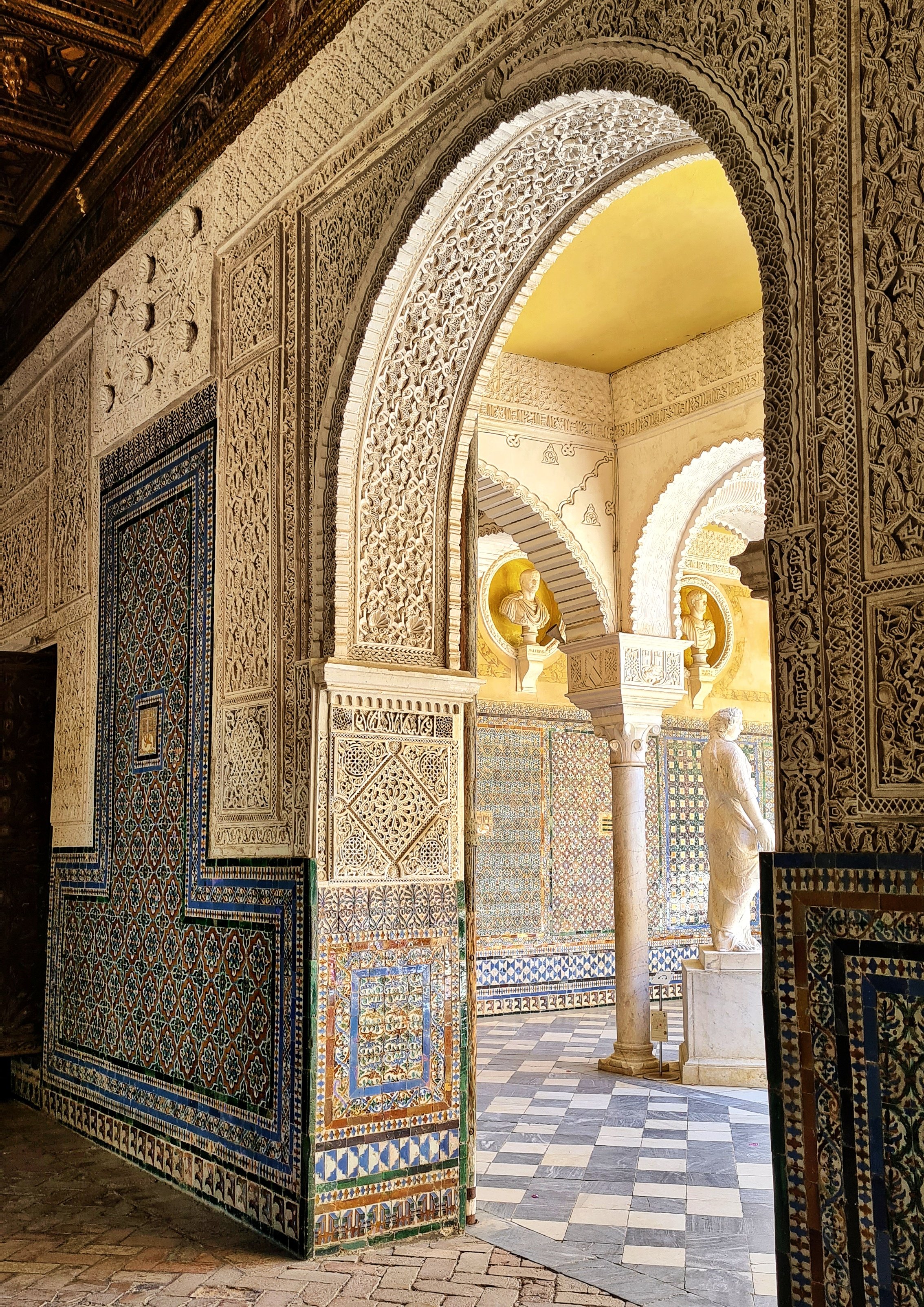
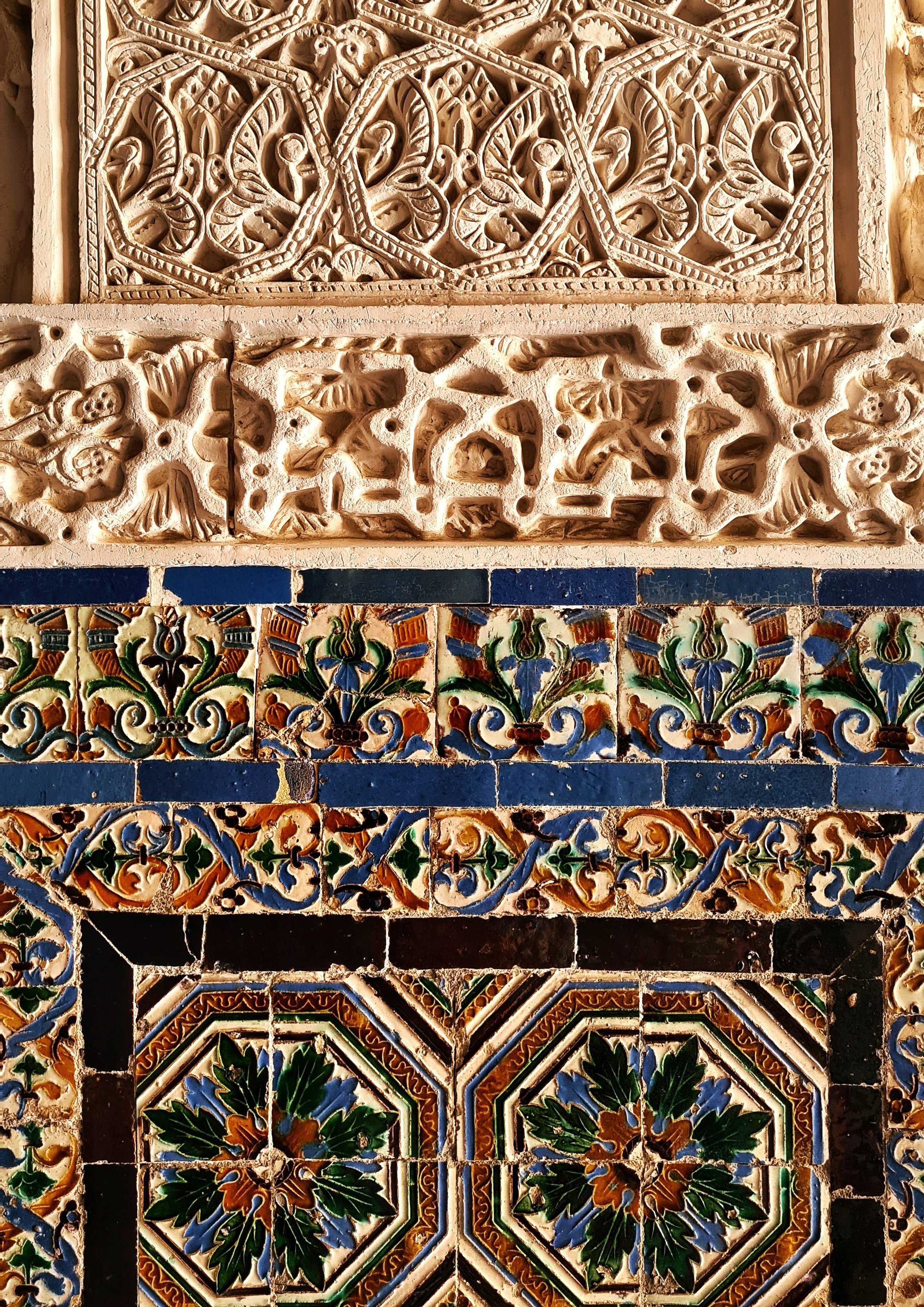
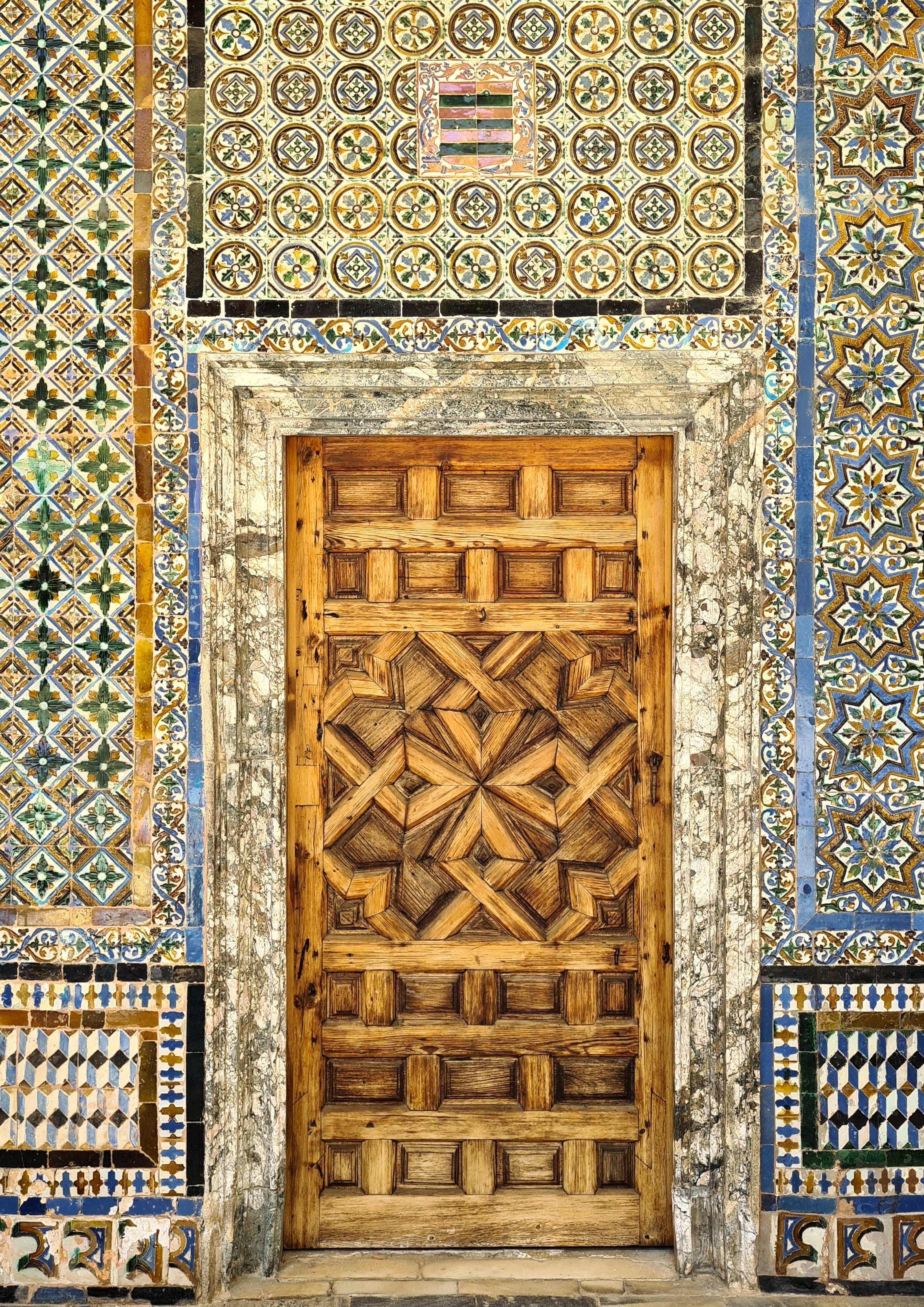
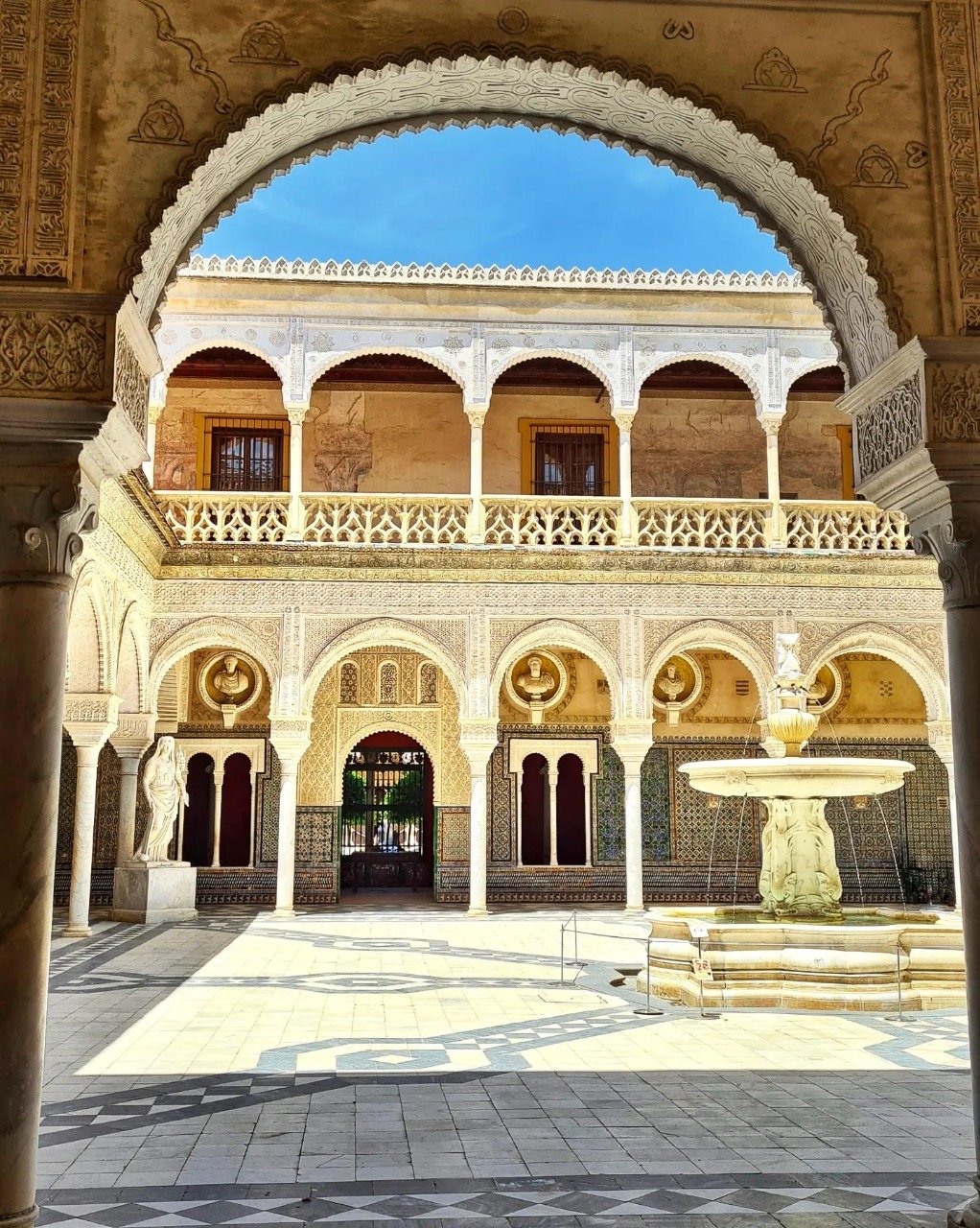
Seville certainly has its fair share of stunning palaces and the 16th century Casa de Pilatos is no exception. Unlike the Alcazar of Seville, the Casa de Pilatos is not a big of a tourist hot spot, despite the fact the interior is equally as exquisite. The palace is quite unique as it was influenced by the Italian renaissance period, yet has prominent Moorish and Gothic detailing. The inner courtyard is lined with marble columns and statues, and the interior walls are covered in beautiful classic Andalusian tiles. Here you can also take a stroll through two beautiful walled gardens and be blown away by the gilded ceilings and intricate plasterwork in every room. Home to the Duke of Medinaceli, make sure to pre-book in advance to catch the chance to walk the second floor which is open at limited times when the Duke is not in residence.
best of the rest
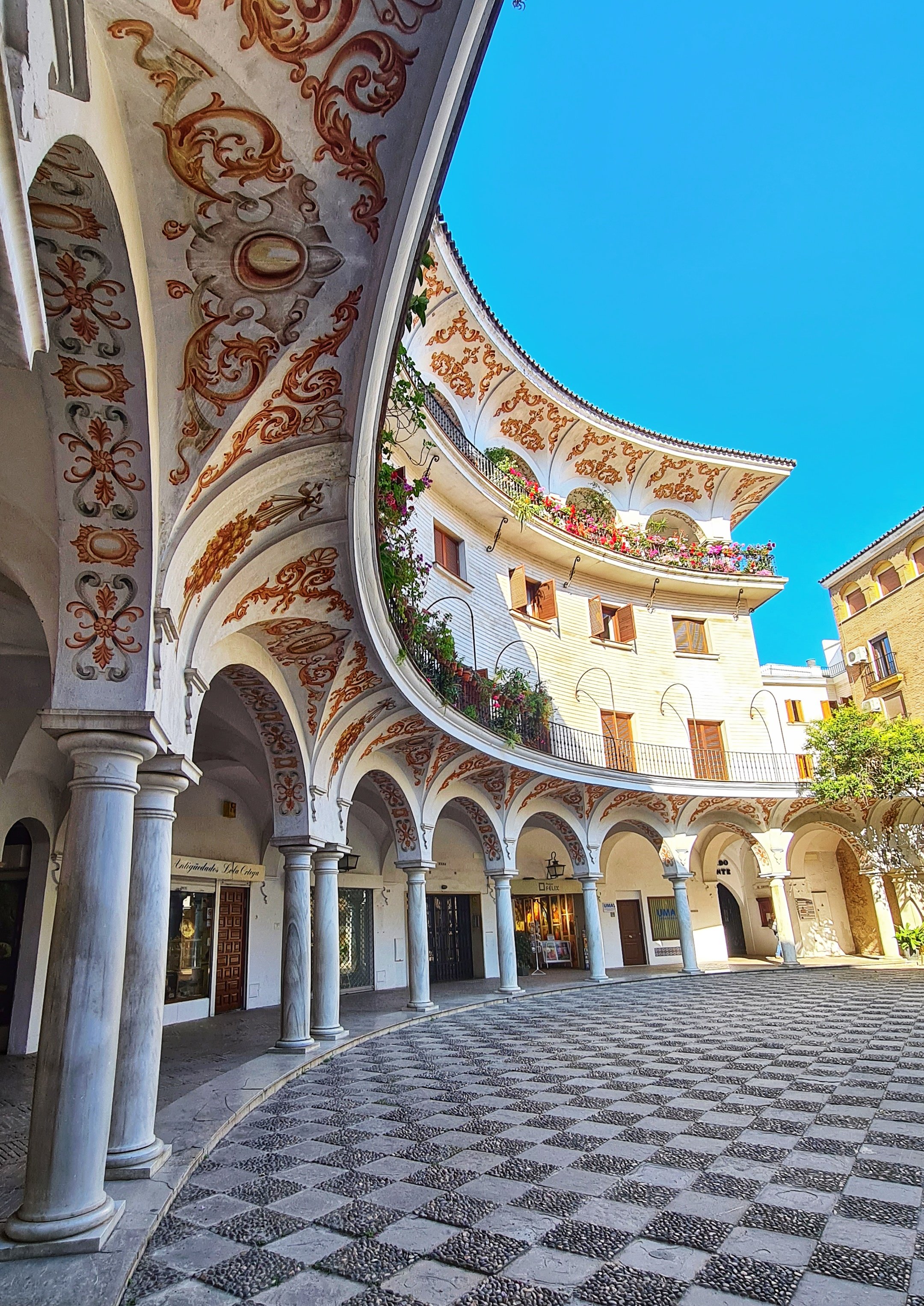
Hidden gems in Sevilla - Located close to the Cathedral of Sevilla yet tucked away out of site is the beautiful Plaza del Cabildo. This tranquil, elegant courtyard has striking for semi-circular arches that are beautifully painted, along with a small fountain and a handful of shops.
Places to eat in Sevilla – Bar Baratillo and Pepe Hillo are both near the bull ring and served delicious traditional tapas. I also enjoyed Restaurant Alfareria 21 in Triana which is set in an old ceramics factory. I also highly recommend visiting the cities oldest Tapas Bar, El Rinconcillo, which has been open since 1670!
Accommodation in Sevilla – I stayed in the TOC Hostel a boutique hostel which offers private rooms and is located in the centre of Seville near the Alcazar and the cathedral. The hostel offers daily free walking tours linked with other hostels in the city. If you are travelling by car to the city, I would recommend to avoid staying in the city centre and opt for a hotel in Triana, Los Remedios or Giralda Sur area of the city. I recommend Booking.com as a one stop shop to search for the best accommodation when I travel.
Days trips from Sevilla - If you have time for a day trip from Sevilla, let me share my recommedations:
Jerez de la Frontera - the birthplace of sherry wine and flamenco, Jerez is a quintessential Andalusian city packed with historic sites and cultural hotspots. Less than an hour on the train, check out my free guide for inspiration!
Cadiz - known as the ‘Little Havana’ for its similarities to the Cuban city, Cadiz is the oldest city in Western Europe is well worth a visit by train from Sevilla.
Italica Roman City - visit an ancient Roman city located about 7 kilometers north of Seville. Dating back to 208 BC, this site is one for history lovers!
I hope this guide has inspired you to visit the beautiful city of Seville. If you have any questions drop them in the comments or reach out to me on Instagram.

Want to visit one of the most unique coastal towns in southern Spain? Then check out my guide to visiting Tarifa. Famous for its beautiful beaches, historic old town, kitesurfing and incredible views across the Strait of Gibraltar to Morocco, Tarifa is a must-visit destination in Andalusia. Whether you’re visiting for the beaches, food, outdoor adventures or a laid-back atmosphere, Tarifa has plenty to offer. Check out my guide for recommendations!